In 1699, a French-Canadian expedition led by Pierre Le Moyne d’Iberville made its way along the Mississippi River, and came upon bloody cypress sticks driven into the ground, with fish and the heads of sacrificial bears attached at their pointy tops. These markers signified the Houma Indian and Bayou Goula tribes’ hunting borders, and spawned the name Baton Rouge, or “red stick,” which was the next destination in our Year on the Road journey.
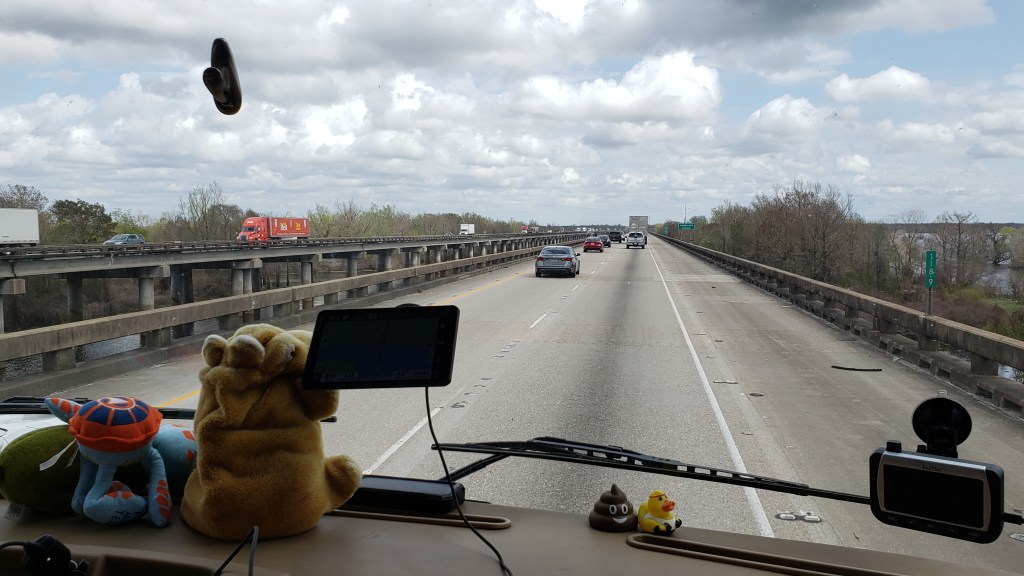
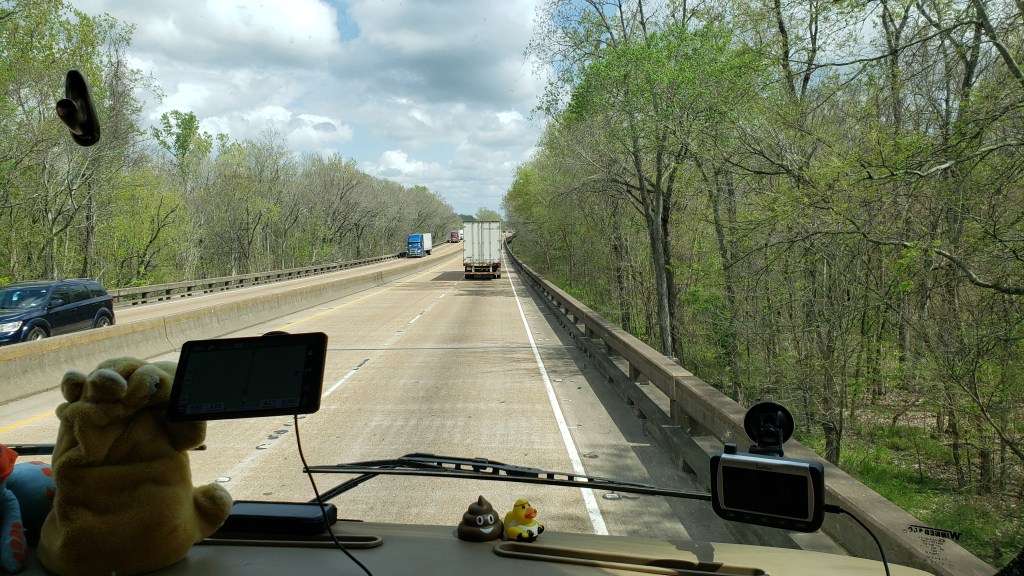
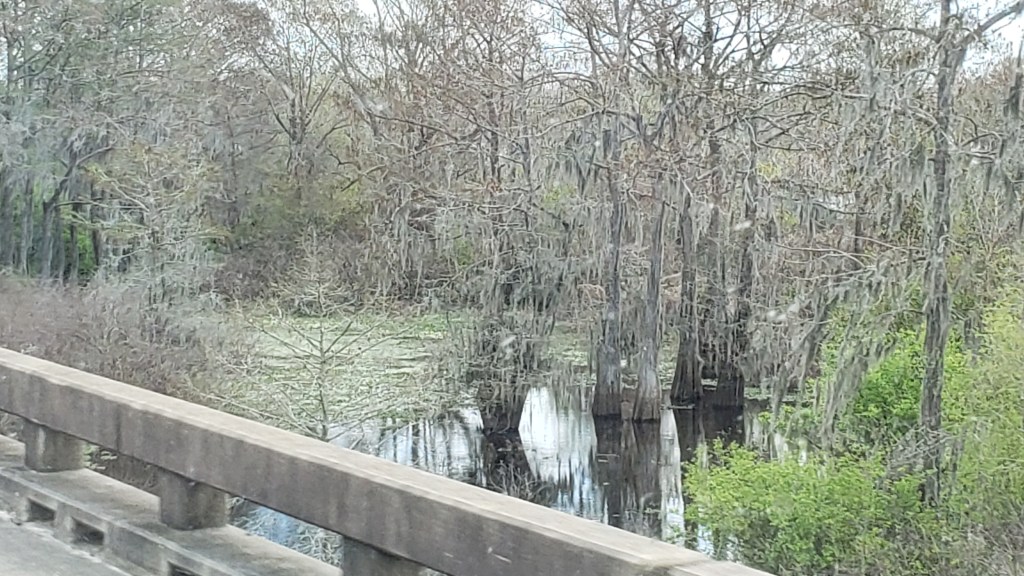
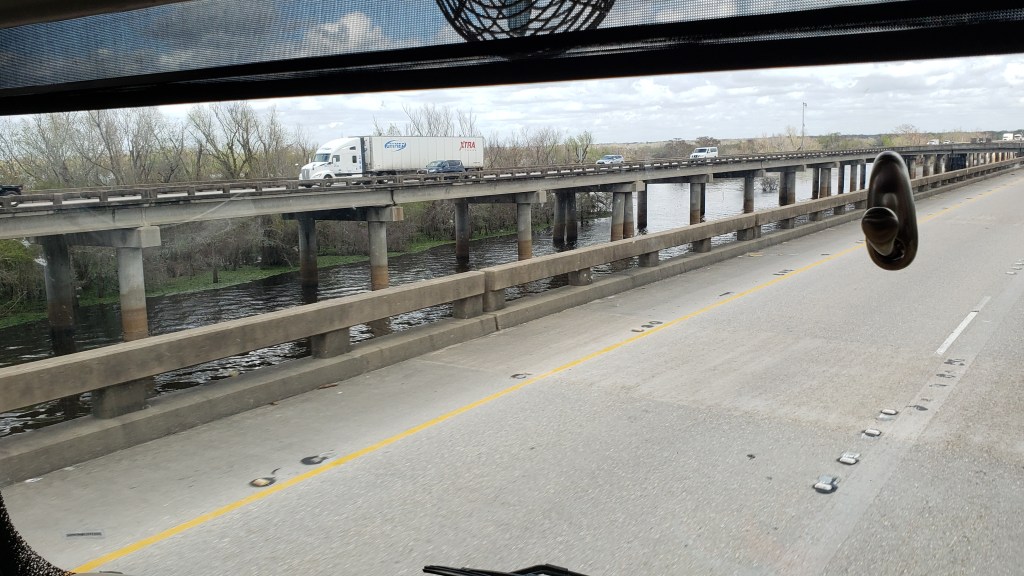
The drive between Lafayette and Baton Rouge turned out to be an adventure in itself, and we were delighted by the scenery on both sides of the 18-mile-long Atchafalaya Basin Bridge. This was real Louisiana stuff; bayou all the way, with people fishing from boats right there along the split highway. Fantastic!
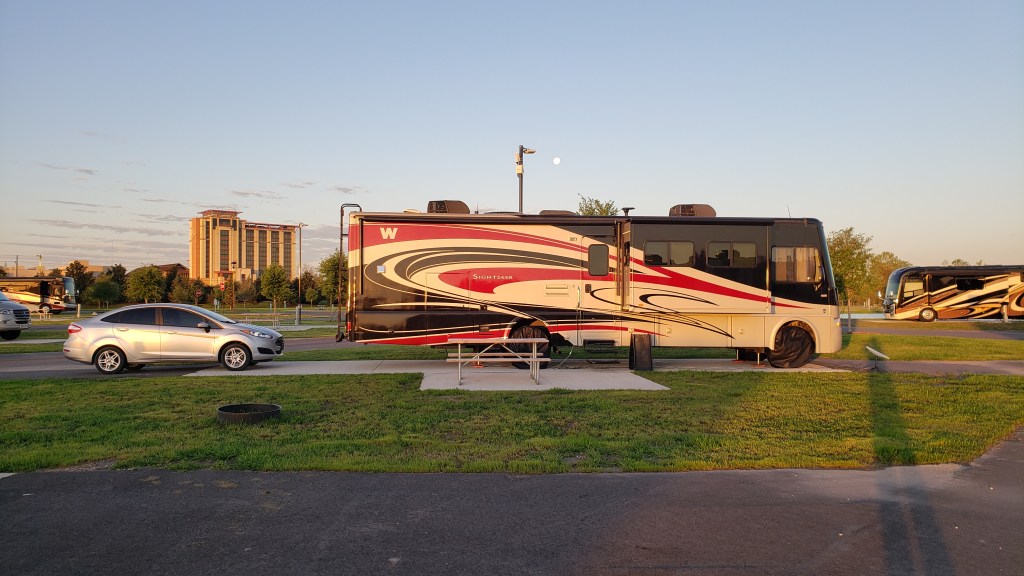
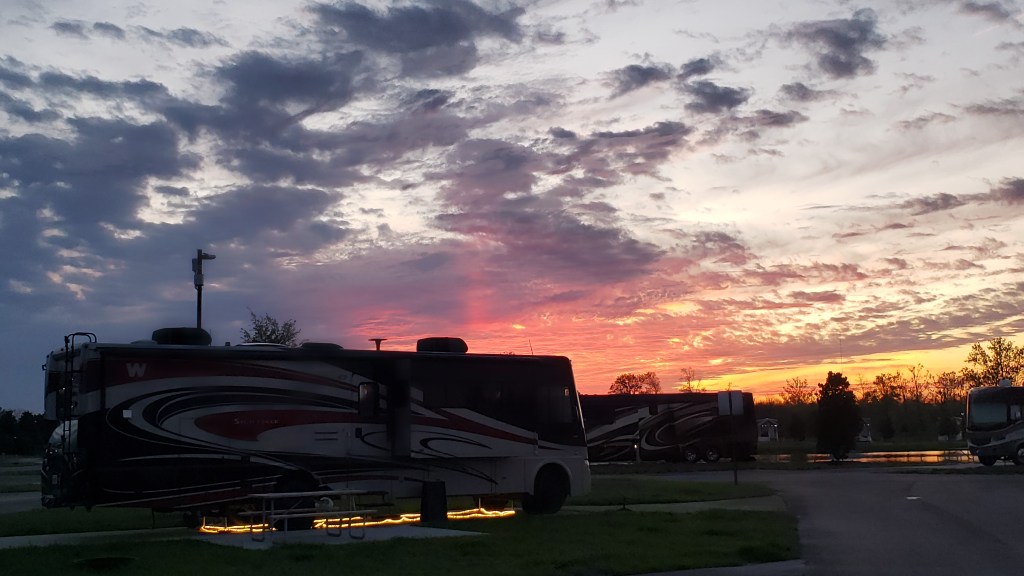
Our first week combined lots of rest for Susan, who was still testing Covid positive, with as much touring (and her fully masked up) as we could possibly do. Tiger’s Trail RV Park proved to be blissfully quiet, with lots of open space that made staying “home” scenic and comfortable.
We had earmarked several Scenic Byways, and because Tunica Trace Scenic Byway was the shortest, we made it our first drive. But this is us, so if you’ve been reading the blog from the start, you already know it won’t be as simple as getting in the car, ambling along joyfully, and ending with happy memories of a relaxing excursion.
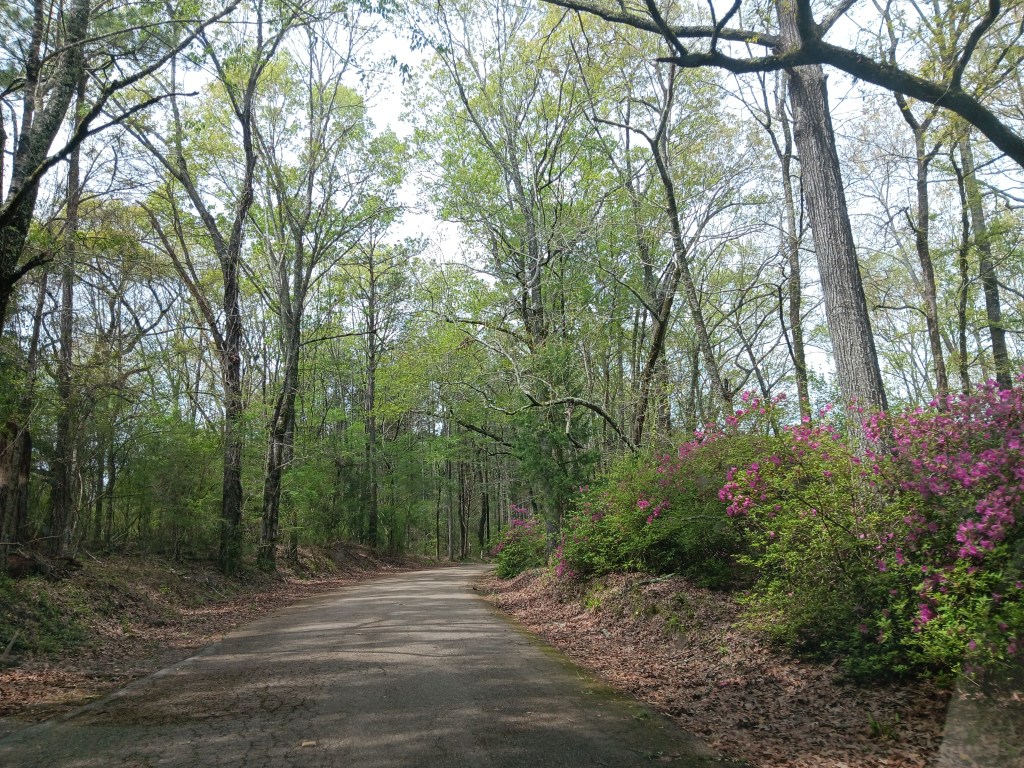
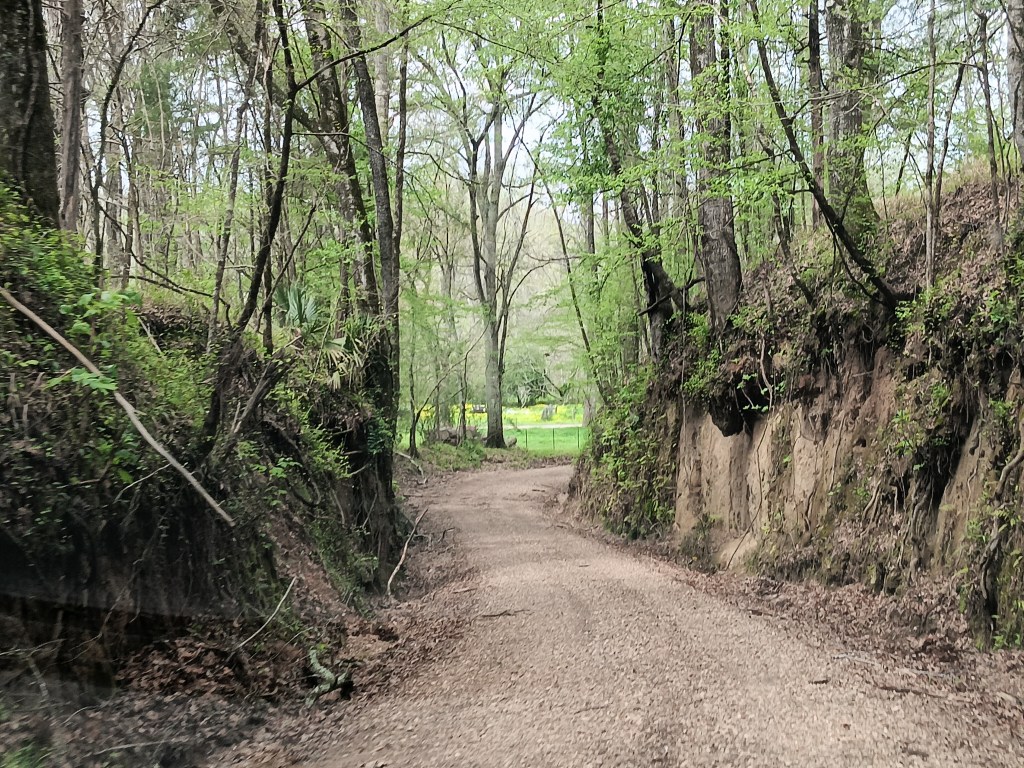
We try to find a balance between research and allowing for discovery when we choose the places we’ll tour, so we knew we’d be on a designated Byway (Highway 66) through the Tunica Hills Wildlife Management Area, featuring rolling, forested hills. What we didn’t know was that Highway 66 isn’t paved, it’s only wide enough for one-and-a-half cars, and no one will come to your aid if you break down or blow a tire because there’s no cell phone service in the forest. Plus, there’s bees. Hundreds and hundreds of giant bees, who follow your car for the entire 20-mile trip.
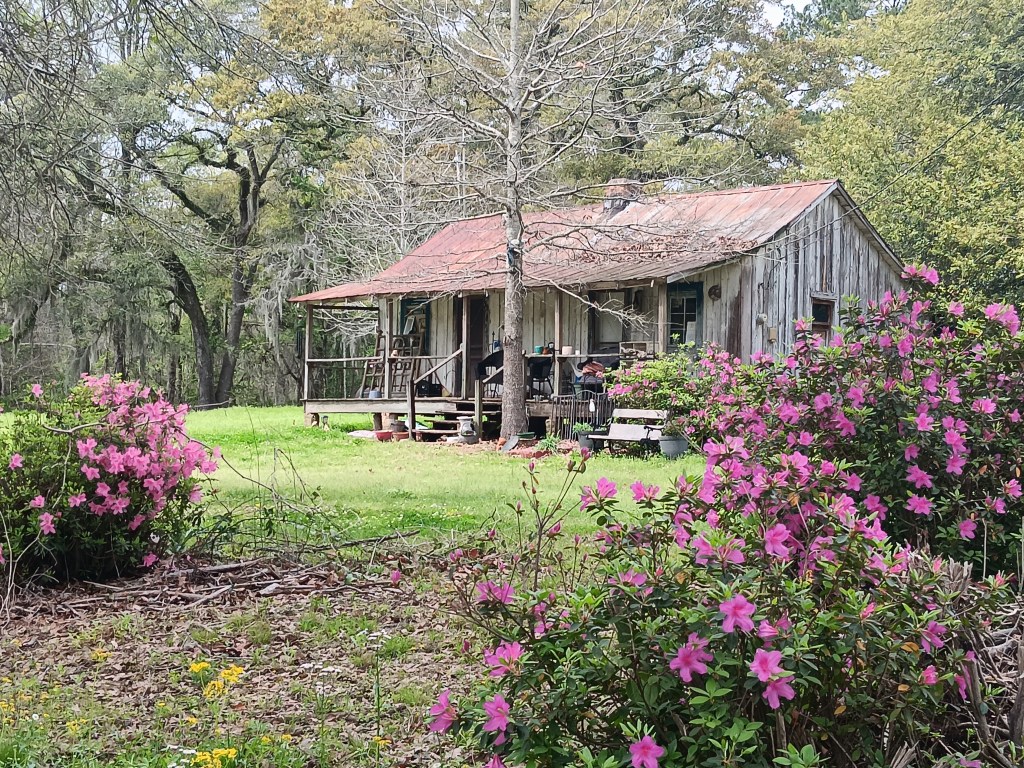
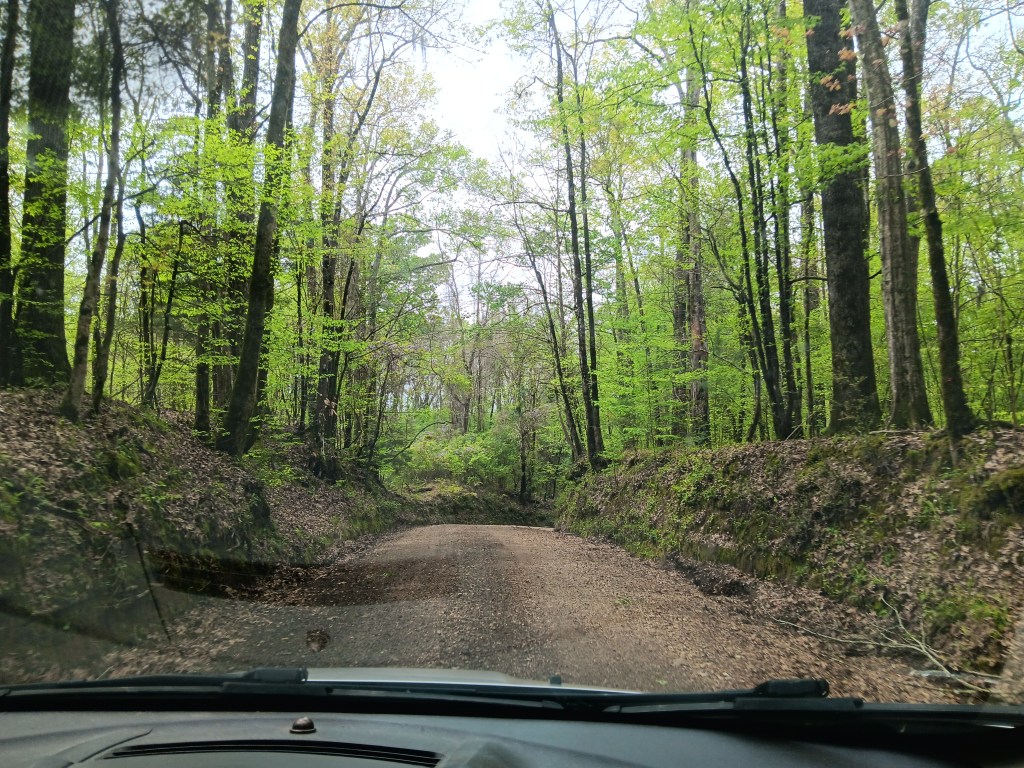

Poor little Nippy lurched and pounded and battled her way through, and we were incredibly relieved when we finally reached the end of the Byway and hit solid pavement.
We were slightly less relieved when we came to the end of the pavement and were face-to-face with the notorious Louisiana State Penitentiary, also known as Angola Prison, home to what the locals call “the real bad boys.”
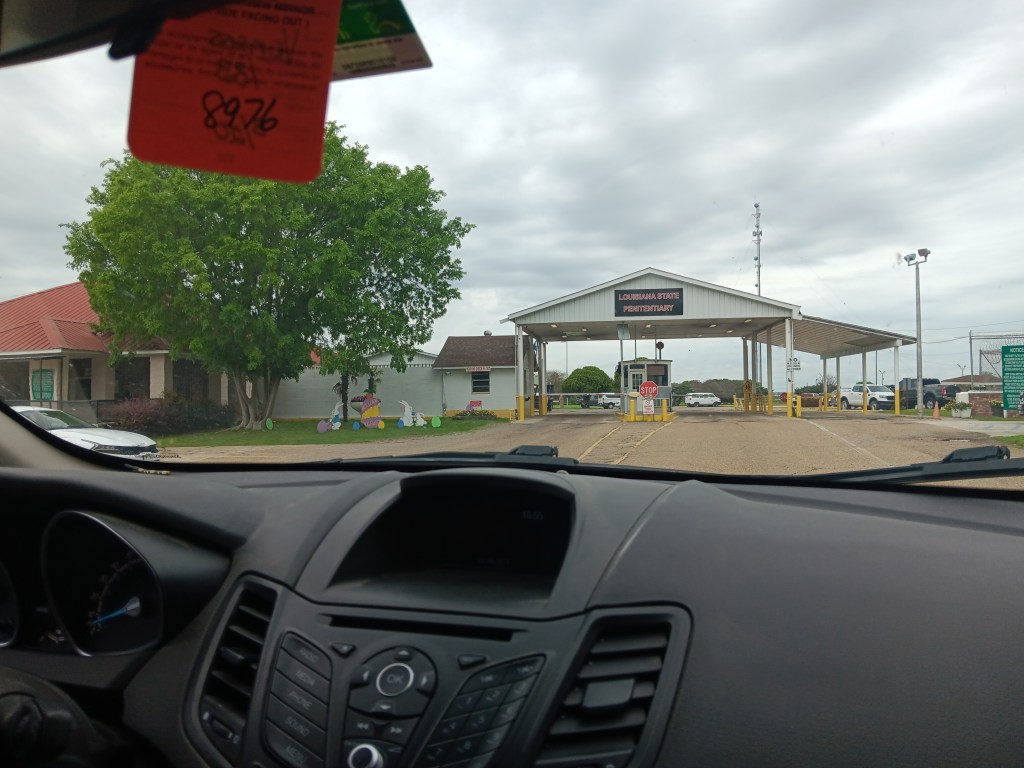
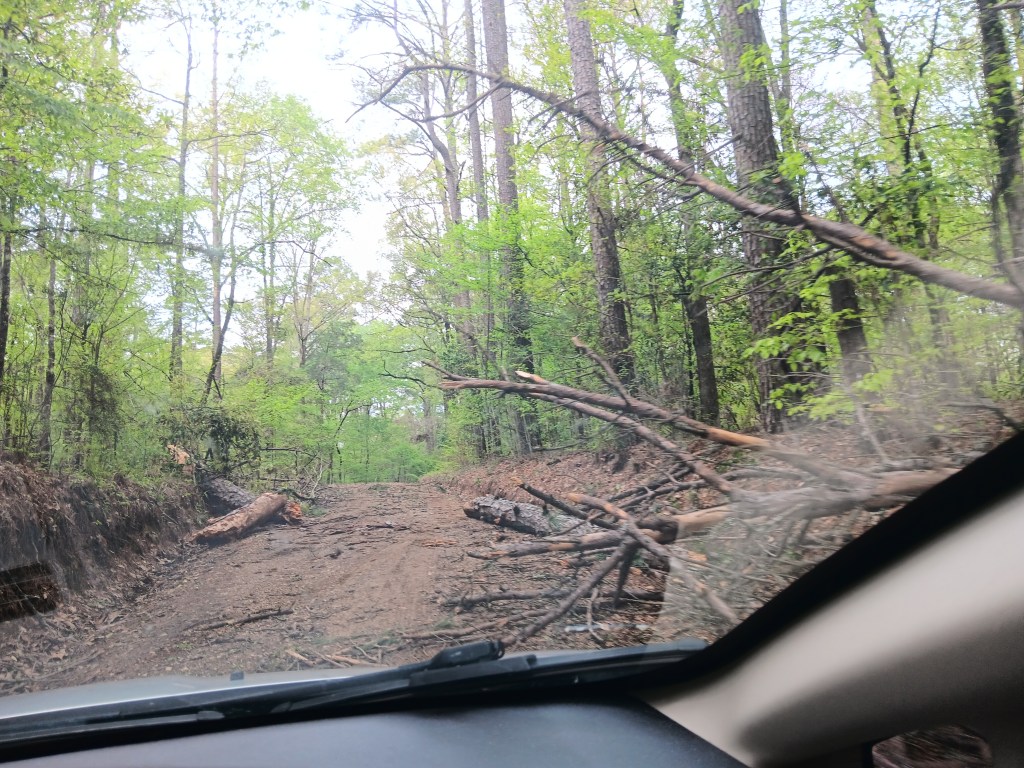
But we’re glad to have the story, since we lived. If not for having to watch the road every moment for massive potholes and downed trees, it would truly be one of the most wild and beautiful drives we’ve done so close to a major city.
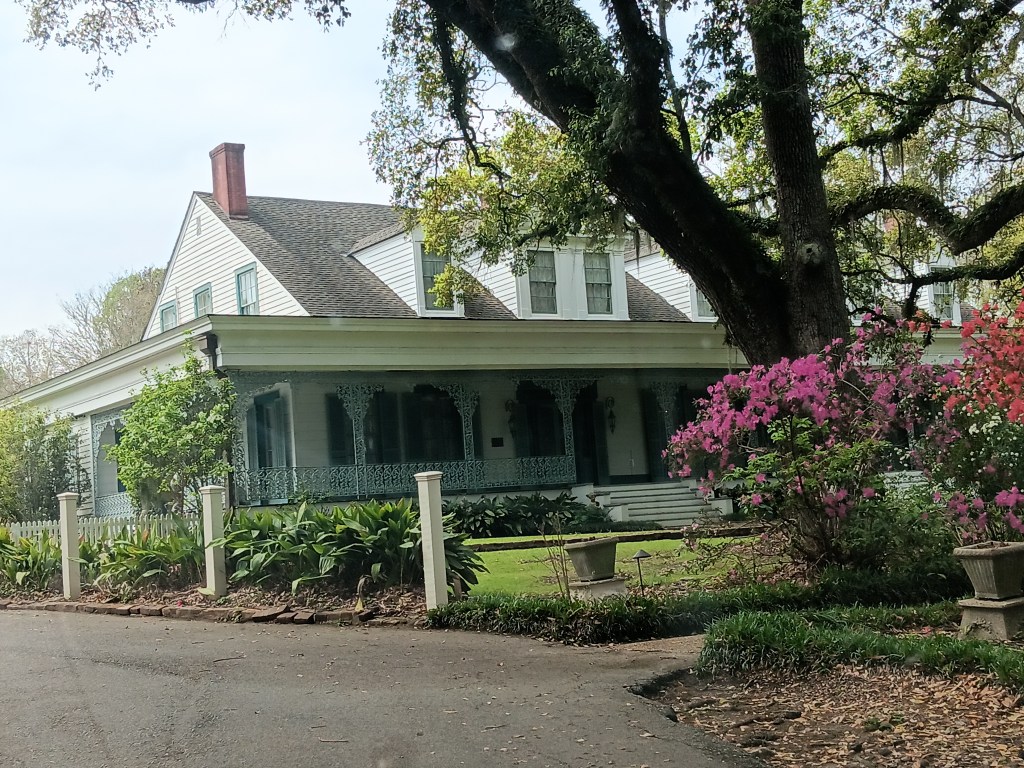
We drove on to St. Francisville for a glimpse of The Myrtles antebellum plantation, whose current owners call it one of America’s most haunted houses. Up to ten people are said to have been murdered at this former slave-owning plantation, but documentation indicates it was really only one.
That one person isn’t the ghost most people agree haunts the place, though. Instead, Chloe, a former slave hung by her neck until dead for the poisoning of a former owner’s three children, still walks the grounds. Problem is, it seems none of the plantation’s records include a slave named Chloe, two of the children actually died from Yellow Fever, and the third lived a long-ish life. Even so, hauntings are fun when no one gets hurt.
Susan was still testing Covid positive, so we were finding a balance between touring and napping, and a quieter day was on the cards. Louisiana State University wasn’t far away, so we popped over to see the Indian Mounds and pose with a statue of the university’s mascot, Mike the Tiger.
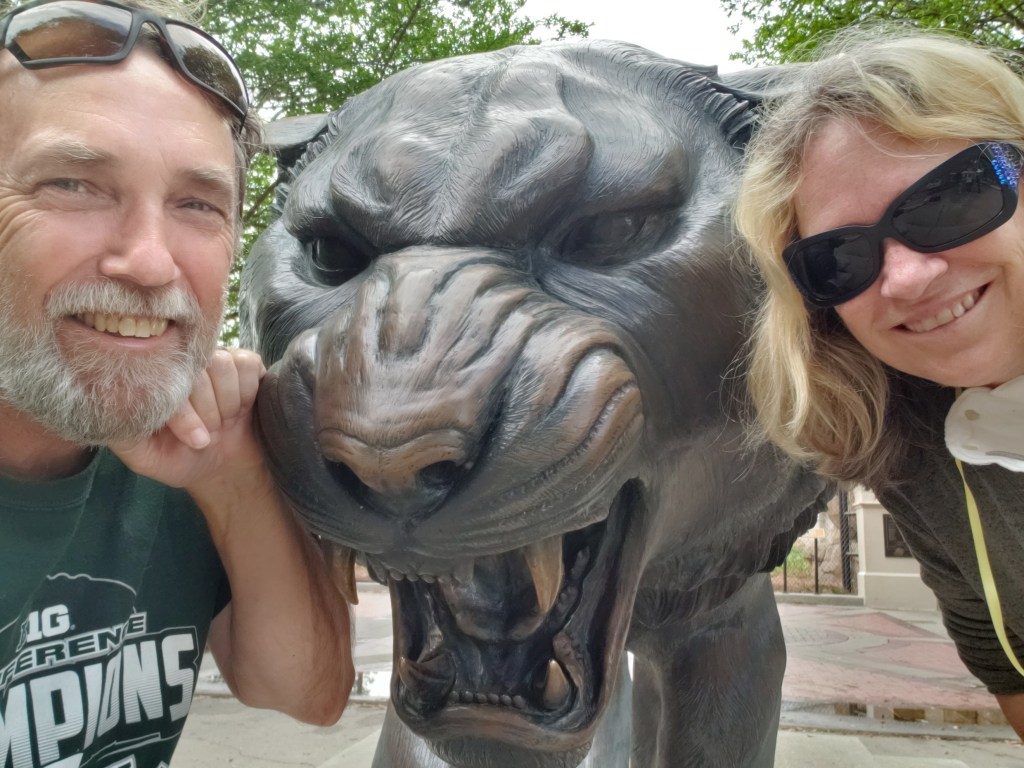
What we didn’t realize was that Mike (at least, the seventh incarnation of the original Mike, who died in 1956) has his own habitat right there on campus grounds. We had thoughts about that particular brand of captivity, but it was still incredible to see such a glorious cat as he sunbathed, yawned, stretched, and found a nice rock to flop down on, to the delight of all onlookers.
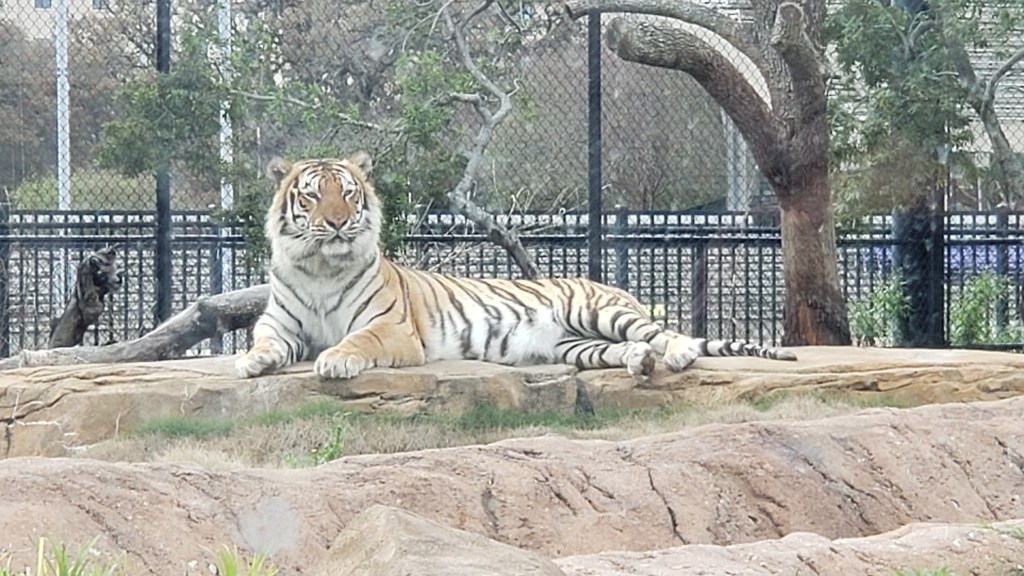
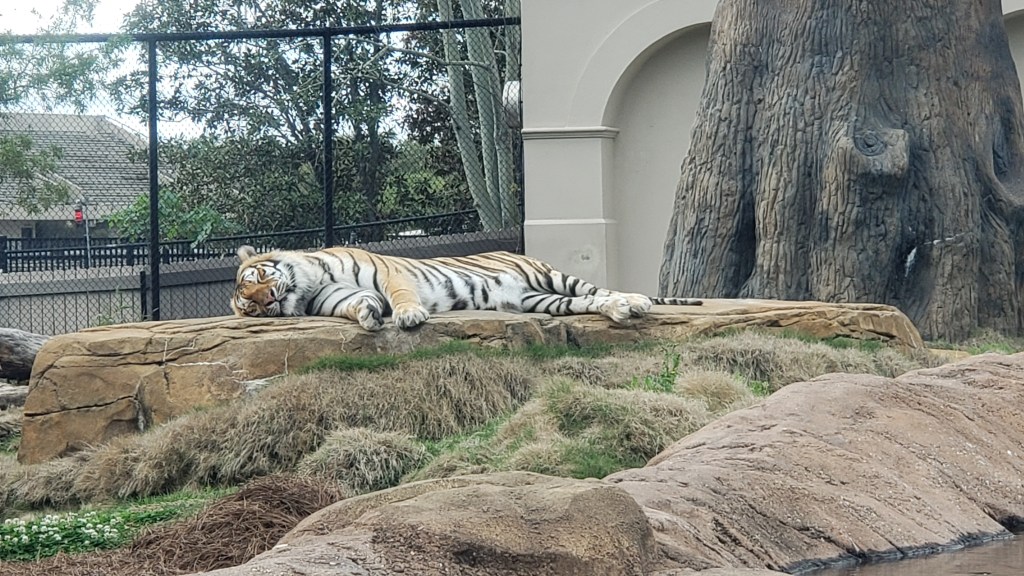
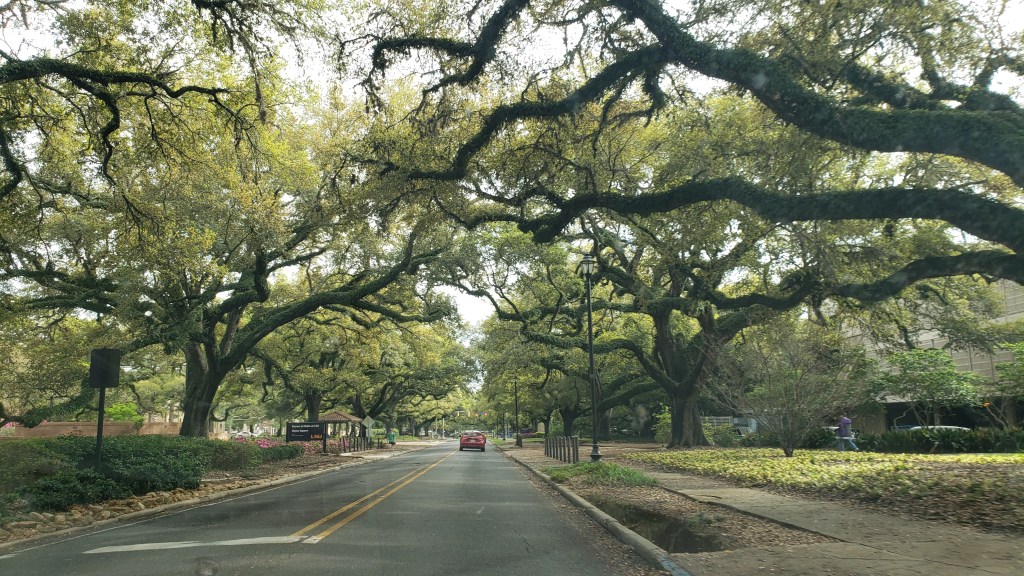
We had a good, long drive around the campus’s lake area, where huge homes enjoyed one of LSU’s prettiest views. And that’s saying something. Of course, Michigan State University is the most beautiful campus in the country, but LSU is certainly right up there. Simply gorgeous, and those Live Oak trees…!
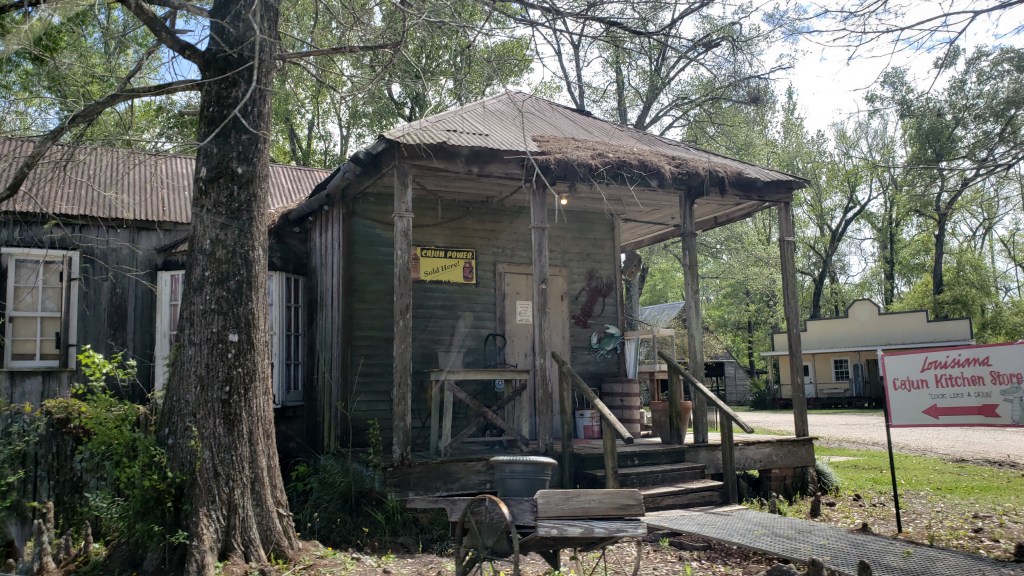
There were several Scenic Byways we hoped to explore, and Southern Swamp Byway was next on our list. Our first stop along the byway was Cajun Village, a small collection of restored Acadian dwellings made into boutique shops with a distinctly “bayou” flair.
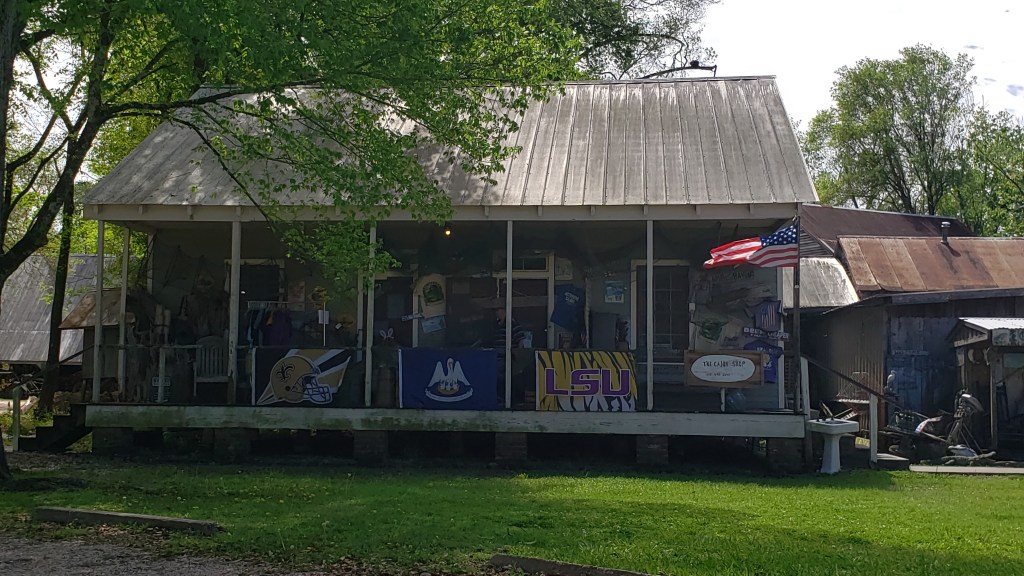
Simon went into the Coffee House and came out with two hot drinks and a bag steaming with three fresh-made beignets, those crispy-soft, fried delights absolutely drowning in powdered sugar. And since he bought them, there was nothing to do but eat them. So we did.
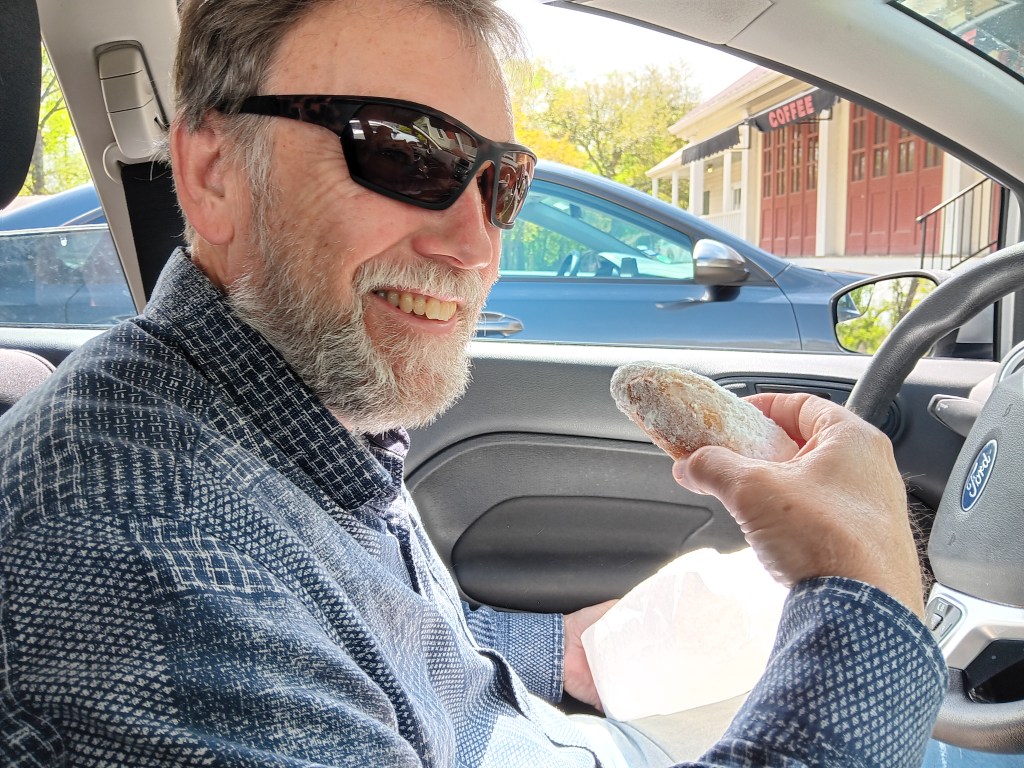
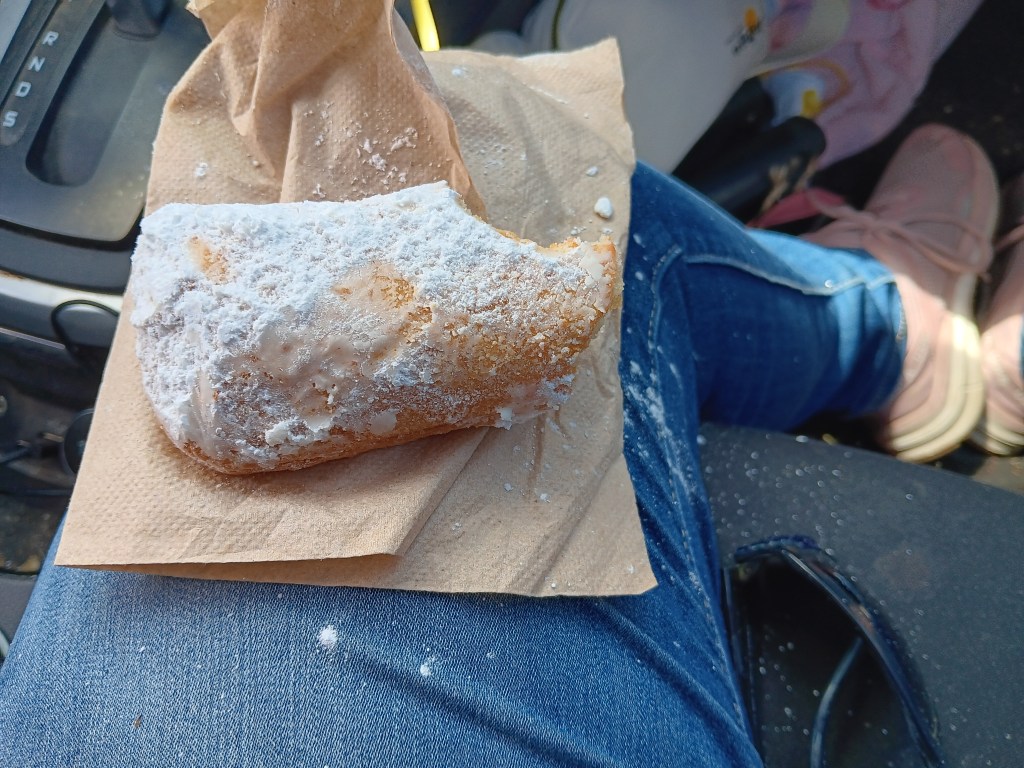
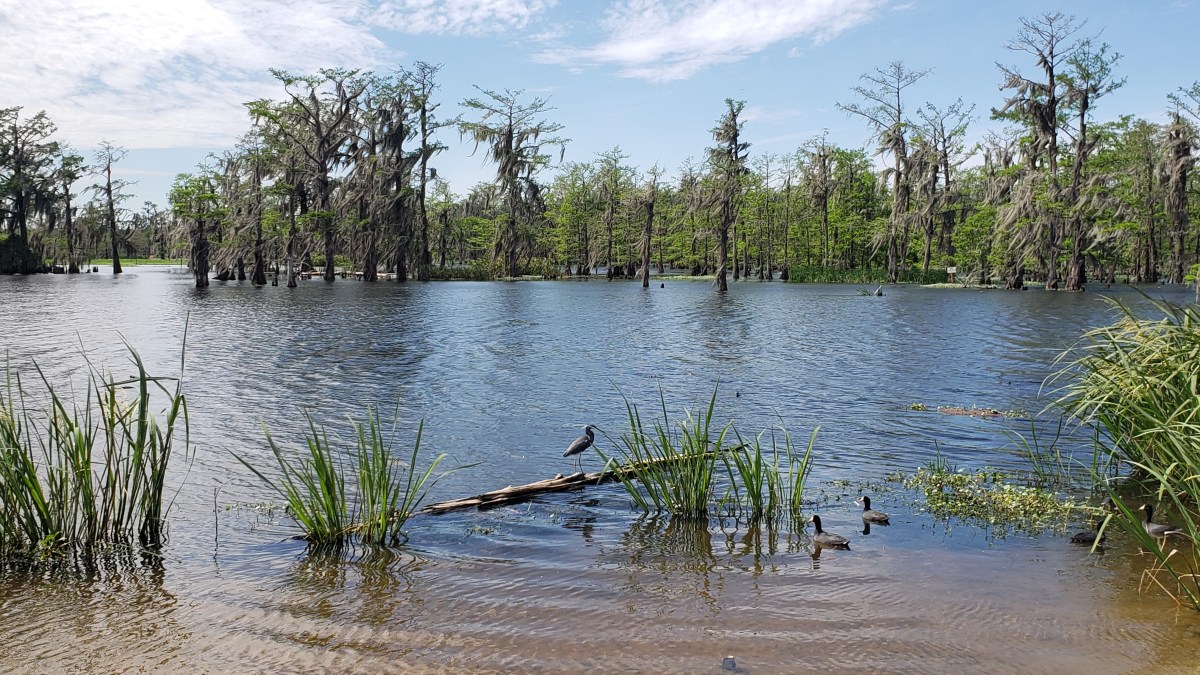
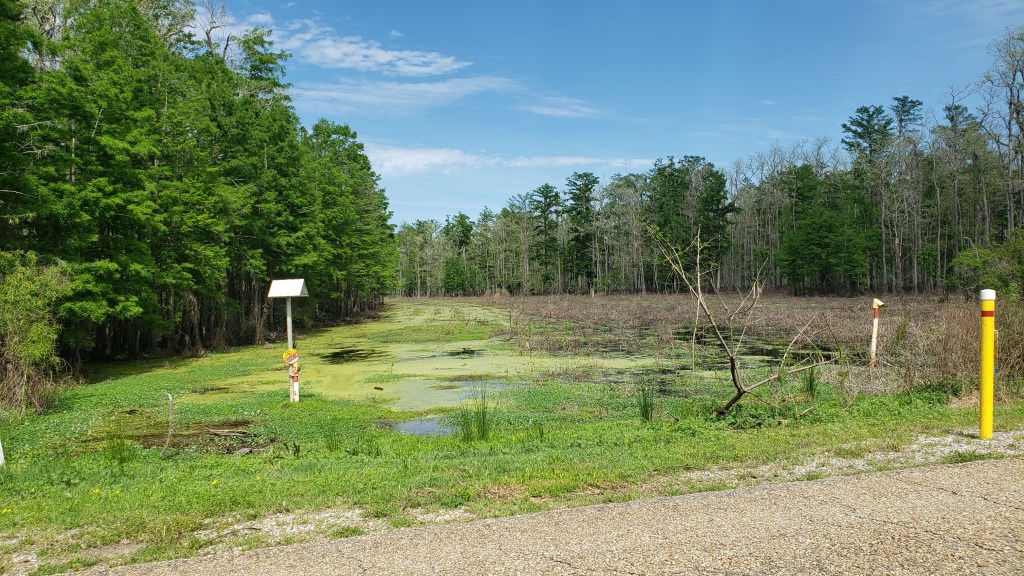
Bayou Francois wasn’t far away, so we brushed the powdered sugar off our jeans (and our phones, and our seats, and the floor) and made the trek out into the wilderness. The bayou’s big appeal is fishing and kayaking, but those were off the cards for us. Even so, the drive to the bayou was punctuated by gator sightings, hundreds of birds, and an up-close view of an Exxon Mobile Pipeline plant surrounded by hundreds of acres of swampland.
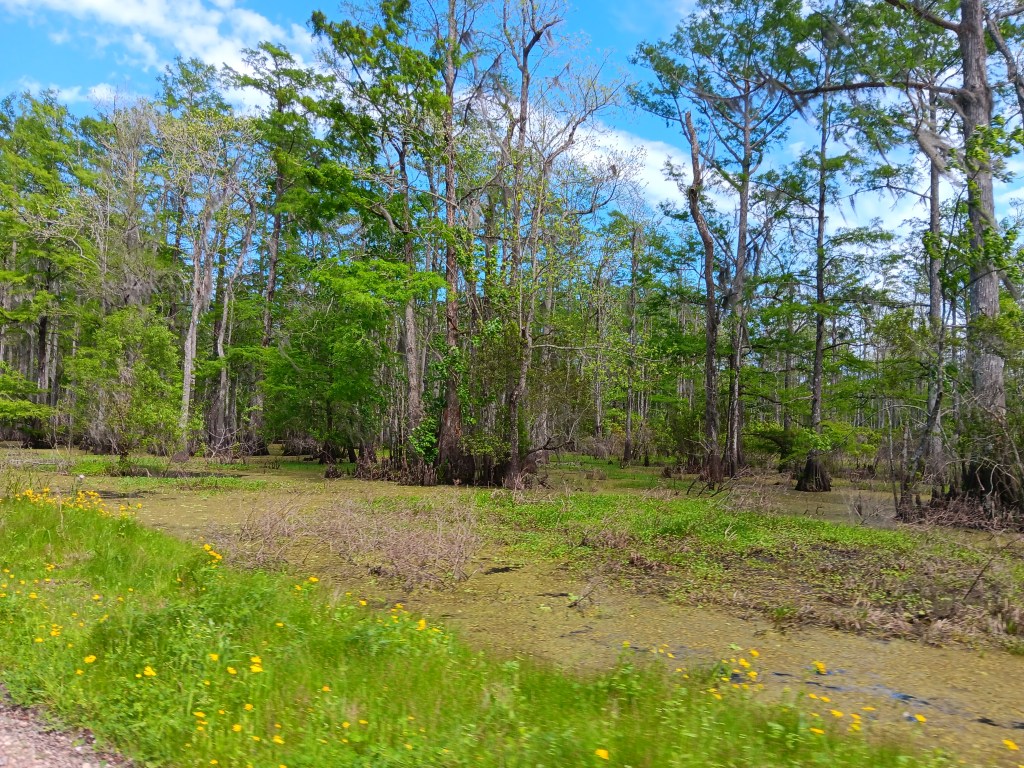
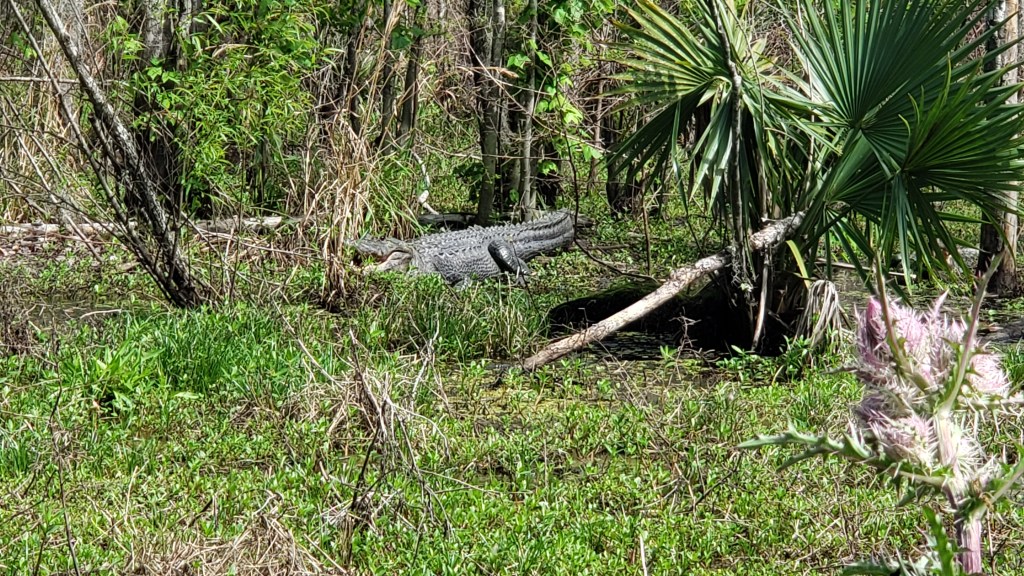
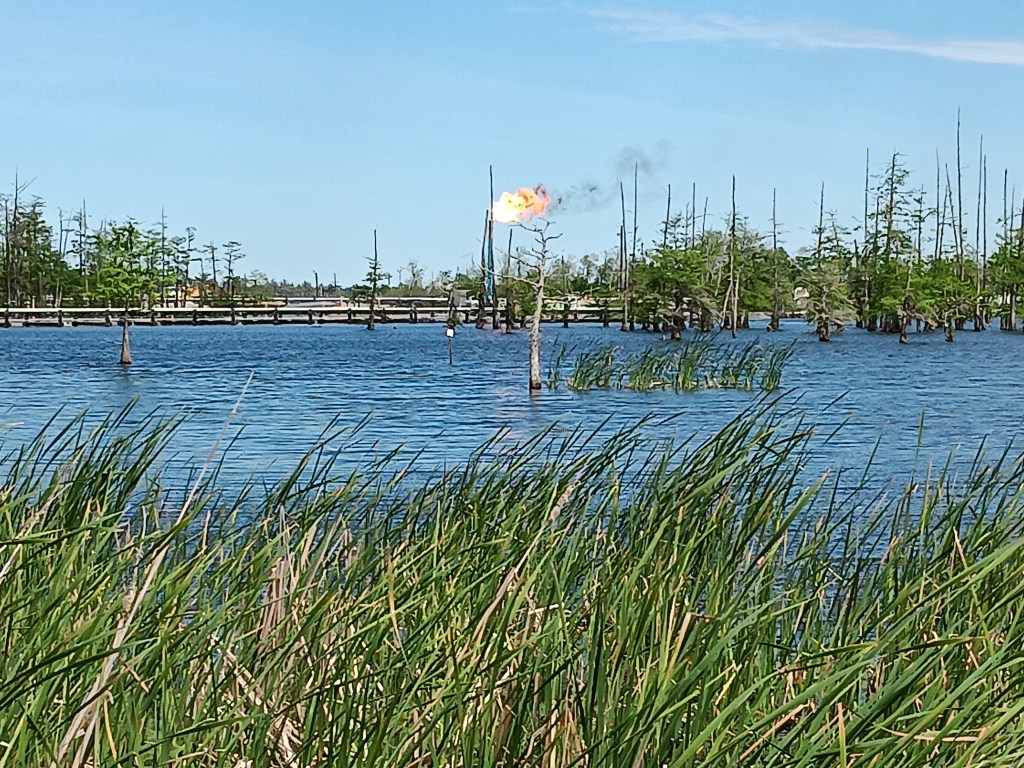
After a few days of touring, we needed a quiet day (and by “we” I mean “Susan”), so one of us slept much of the next day away and the other (Simon) went to see Dune 2 at a nearby movie theater (fully masked, of course, and with only three other people in the theater), then checked out the casino that supports Tiger’s Trail campground.
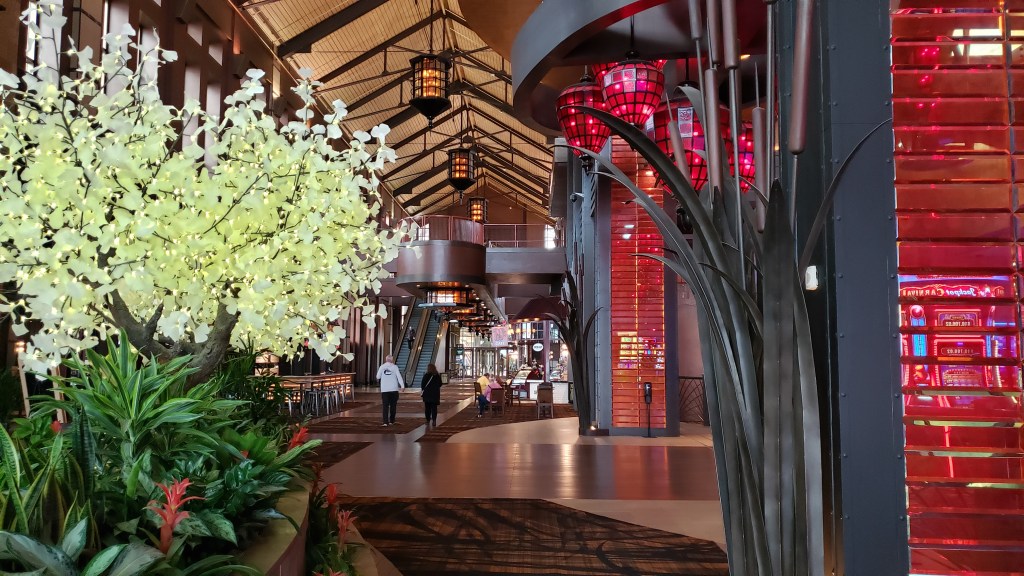
At that point we had a decision to make. We had planned to move on to New Orleans after a week, but there was so much to do in Baton Rouge, and we felt we hadn’t done the area justice yet. True to the very best of Southern hospitality, the staff at Tiger’s Trail were absolutely brilliant in extending our stay, and their kindness was, without a doubt, the key to a better recovery for Susan and more time in a wonderful city for both of us.

 Veness Travel Media
So sorry to hear that you are still poorly with Covid and hope with rest you soon improve.
I’ve had a nasty chest infection which wiped me out (still on antibiotics) so I can imagine how poorly you have been.
Those bayou’s are beautiful and yes to the Bob Ross painting. Sky Arts are re-running his painting series and we often marvel on how his paintings evolve at a change of a brushstrokes.
LikeLike
Covid was rough. I’m still having to sleep more than I usually do, but feeling about 90% better now (27 days into it). Still, I know how lucky I am. I hope you’re feeling much better soon!
The bayous are fascinating. They’ll certainly be a lasting memory of Louisiana.
I remember watching Bob Ross every now and then, when he was still alive and doing the show. His gravesite is near Orlando.
LikeLike
Glad to see you didn’t go tiptoeing through the wetlands surrounded by hungry gators again! Beautiful scenery. Such a shame that they had to build the oil burn off plant in the middle of it .
LikeLike
We’ve so enjoyed driving along the wetlands. They’re similar to Florida’s, but also different. But you’re so right; it’s quite shocking to come upon these refineries. As often as we’ve seen them over the last couple of months, we never get used to them.
Lesson learned with the gators, though…!
LikeLike