We only had four days on South Padre Island, so we packed in as much as we could. We knew one of our outings would involve the work of someone we consider a five-star jerk, but we didn’t know there was another total git who had a big impact on what would become Texas, and on the country as a whole.
If you’ve been following our blog or follow us on Facebook, you know we’ve mentioned having Starlink as our internet system. For RVers, it’s the only fully reliable connection, and that’s something we are not able to take risks with; we have to have internet powerful enough to deal with large files being transferred, because we’re working as we’re traveling.

You might also know who owns Starlink. And if you do, you know Elon Musk is a controversial character, to say the very least. Perhaps he’s nice to dogs and babies, but we absolutely cannot stand his attitudes or behaviors. It was a huge moral dilemma when we had to decide how to deal with internet on the road.
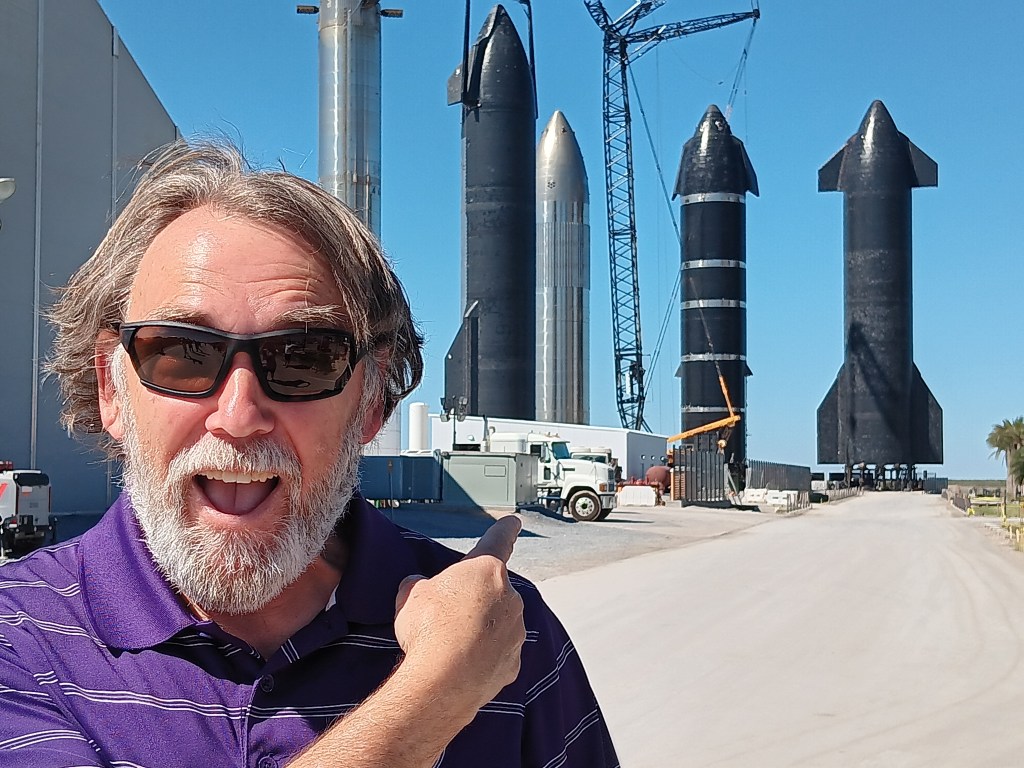
All of that is a long tirade leading up to us saying we made the trip to Starbase, about 40 miles from our campground (by car; maybe 5 if there wasn’t a gigantic ocean inlet in the way), out in the boonies of Boca Chica.
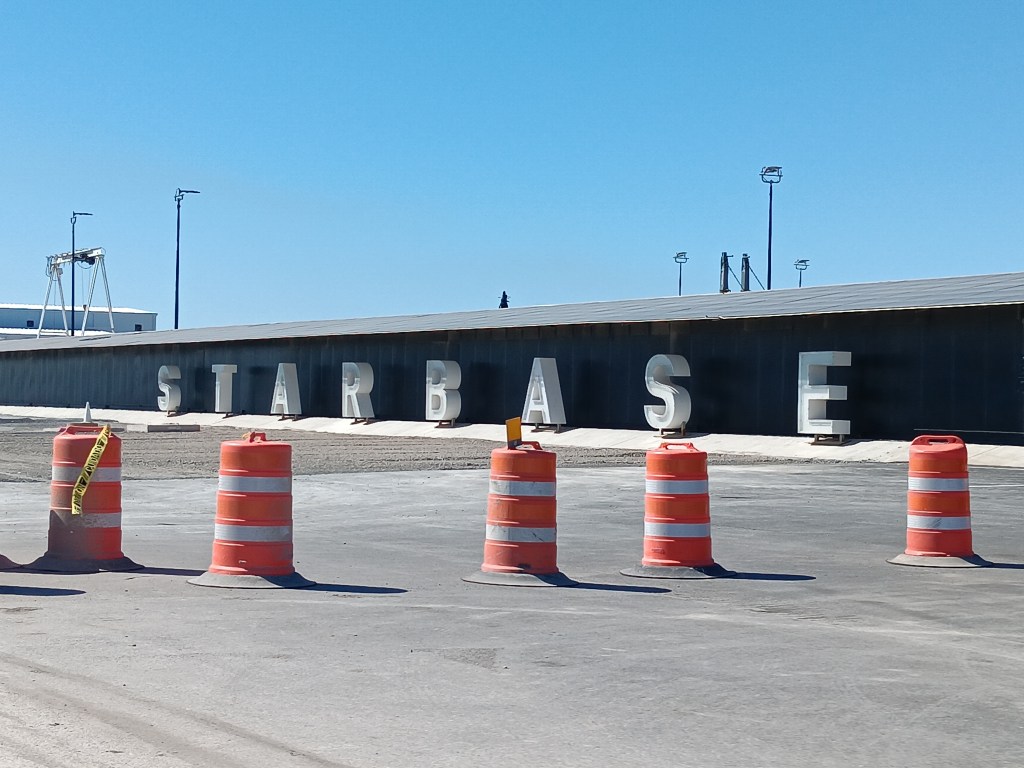
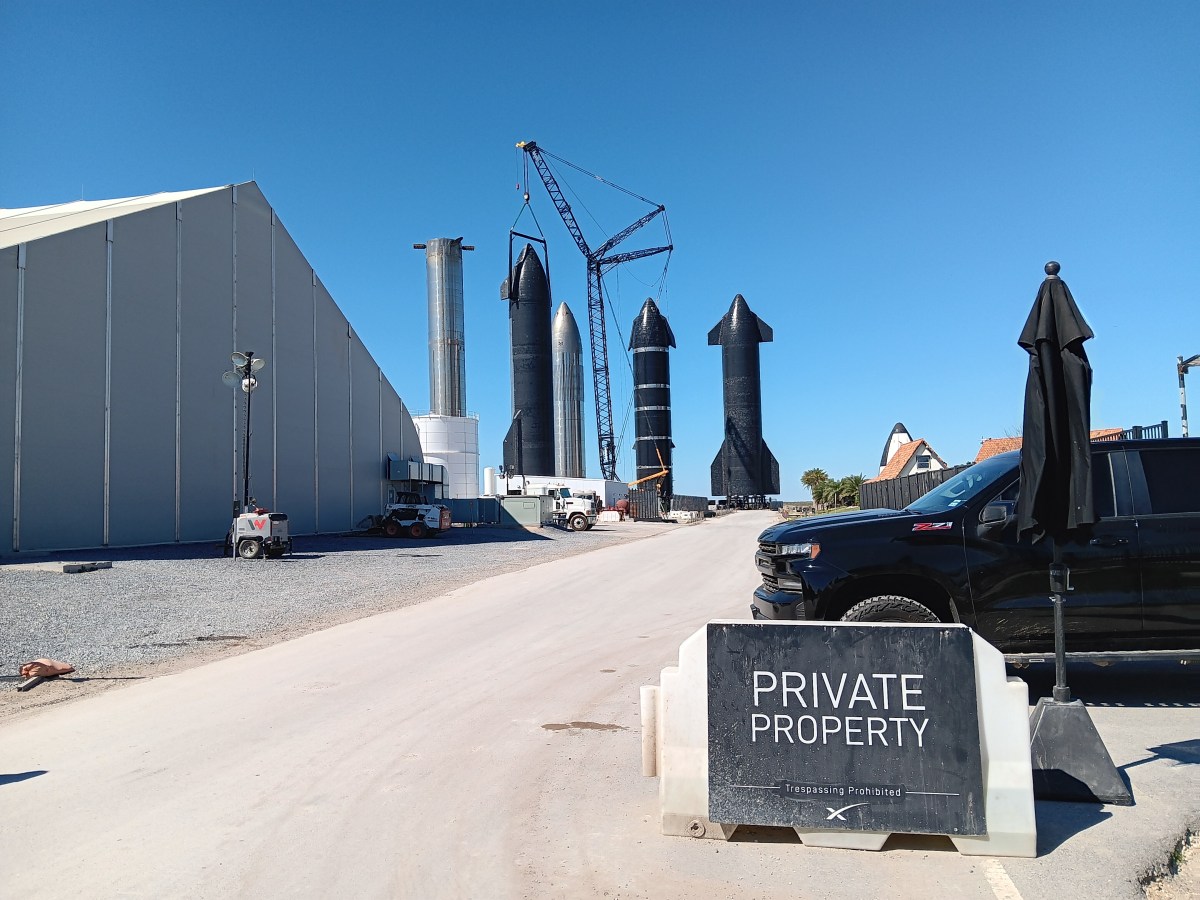
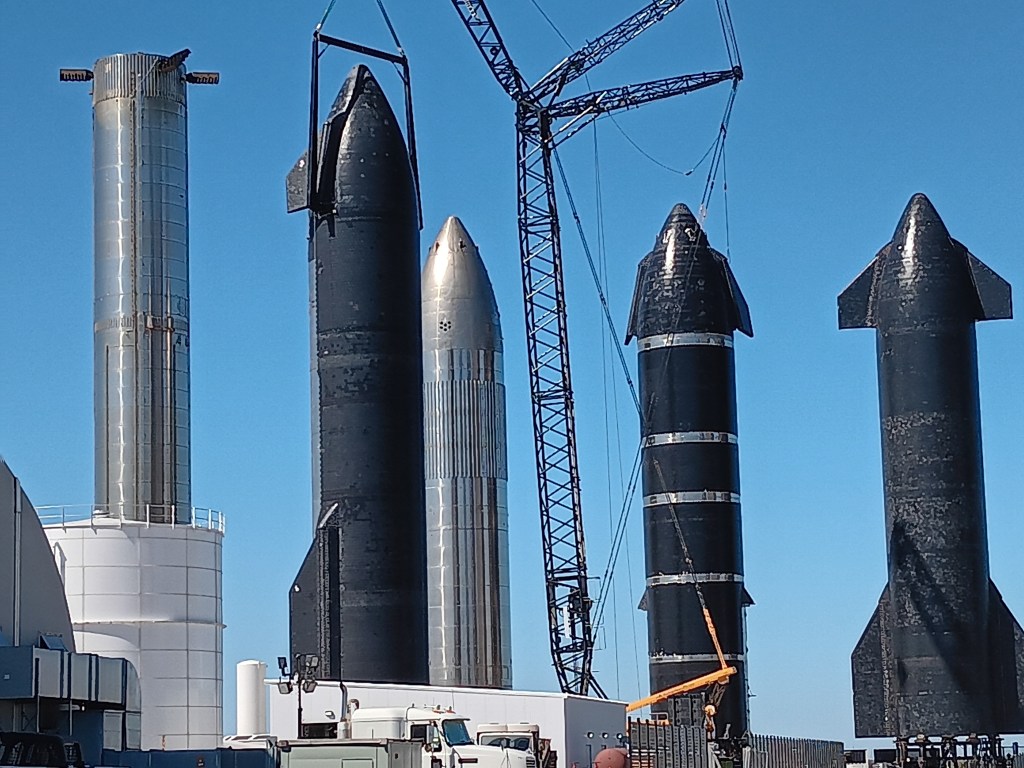
If Elon ever convinces more than one human being to implant a microchip in their brain, he might enclose his Starbase compound and carry out whatever plan he’s working on, but for now you can drive right up to it, and we did. We were impressed by what we saw, in the same way we were impressed by the Reichstag in Berlin – with a mix of admiration for the building and fear of its owner.
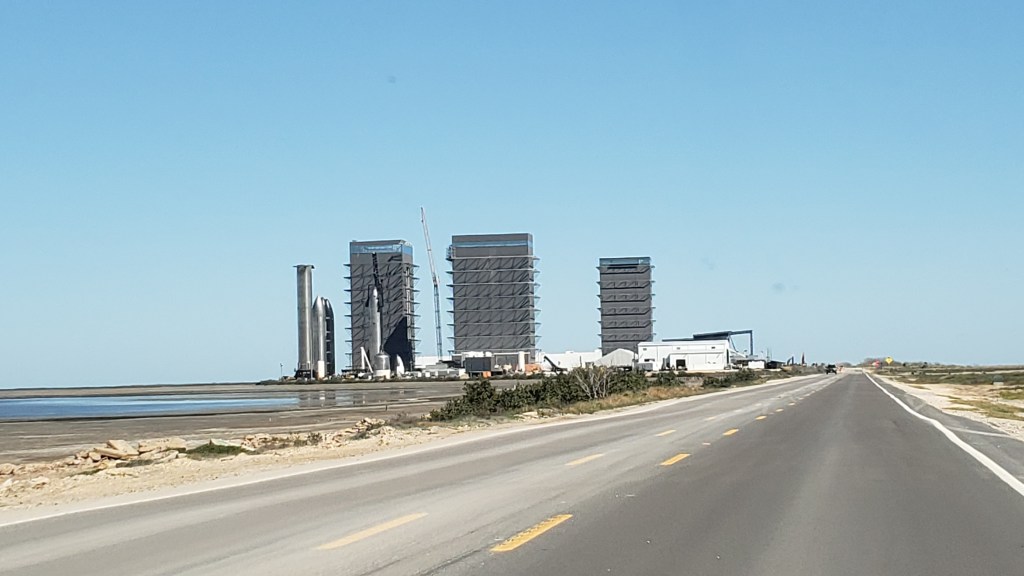
Starbase consists of an area that features rockets and big, mysterious buildings; an area where small, pre-fab homes are stored, presumably for future employees who want to live onsite; the Starlink center; and a launch pad. A massive amount of empty land and the sea surround the compound.
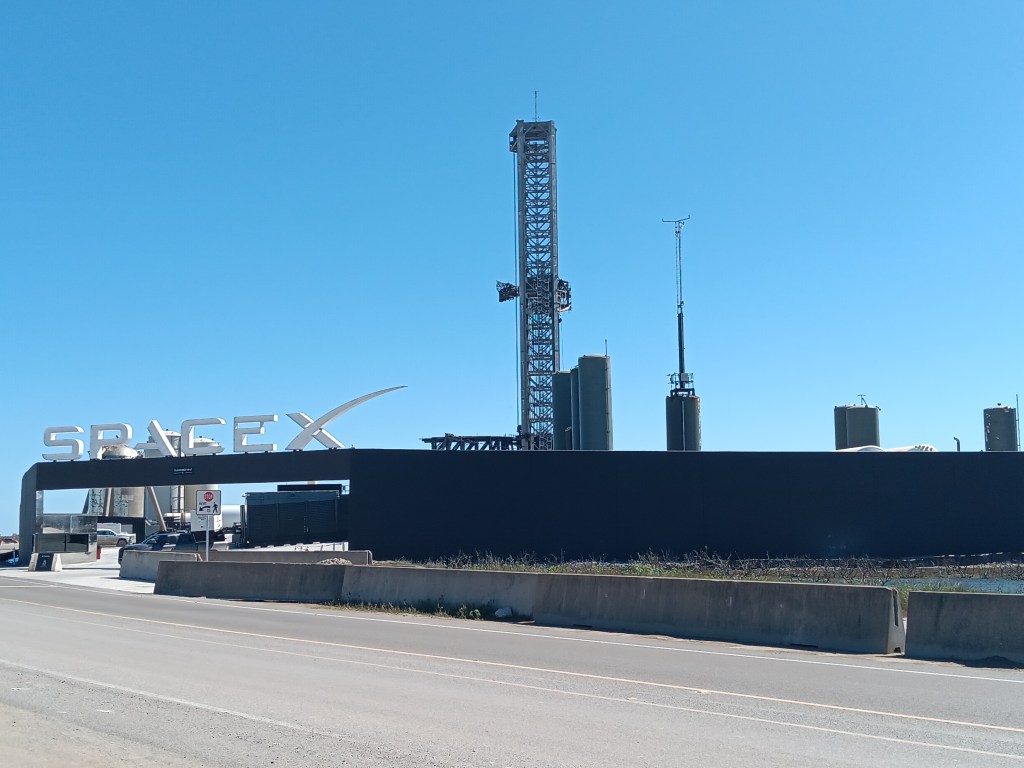
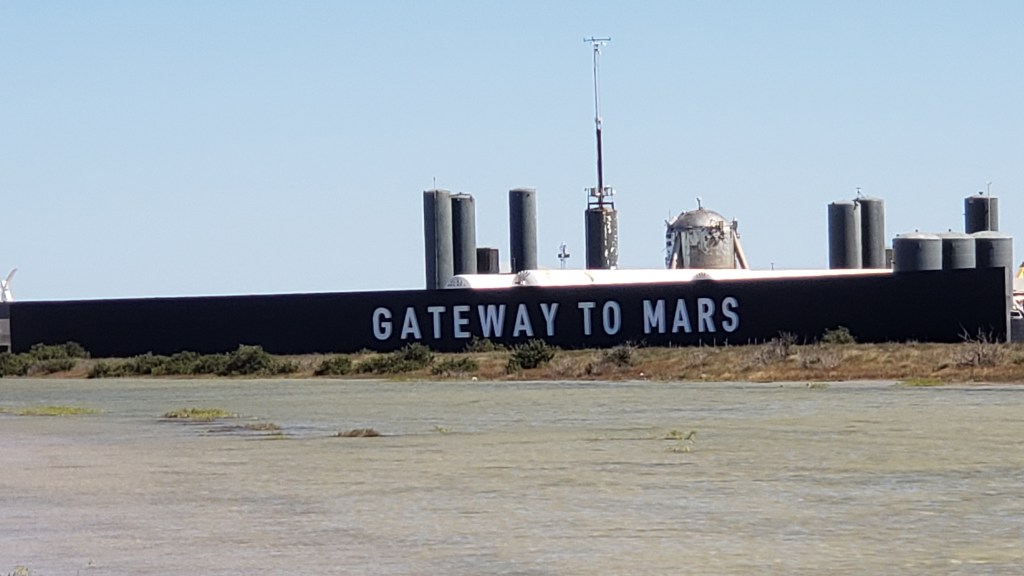
A few hundred feet past the Starlink base is Boca Chica Beach, which, for now, is the reason you can drive right past Elon’s private property. You can also drive on the beach, because of course you can; this is Texas, and it won’t be messed with by paltry safety rules. Admittedly, Florida has a driveable beach where accidents happen every year, but…well…Florida.
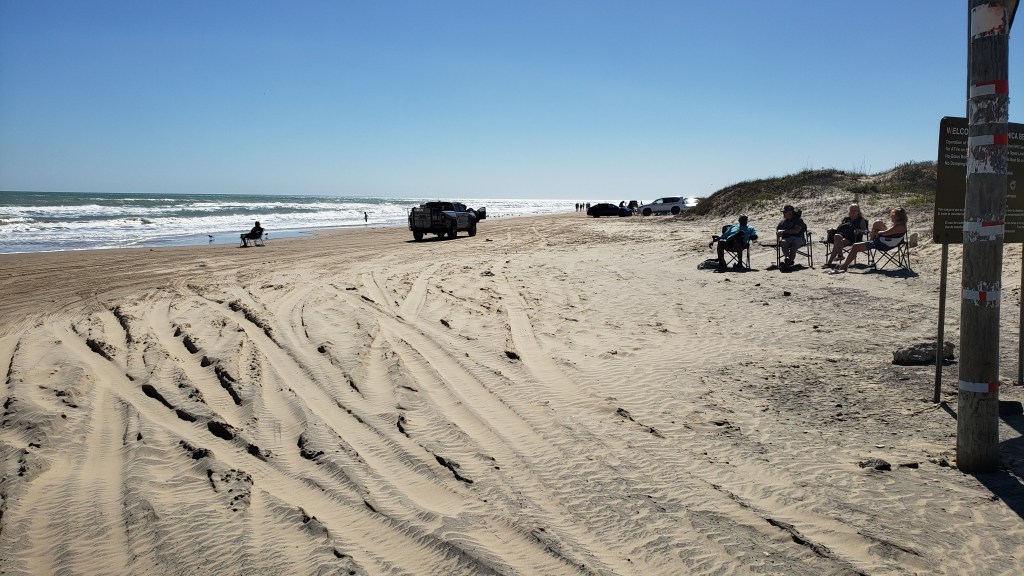
We were actually glad we saw Starbase. There’s no question the place – and the ambition – is impressive. But we’re never going to agree to having microchipped brains or treating people as expendable.
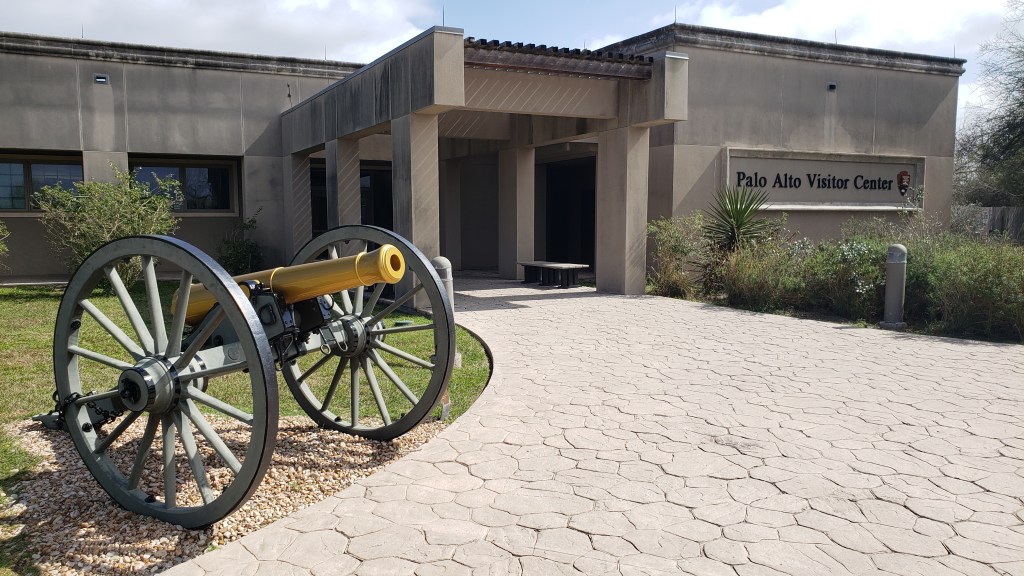
The next day we drove to Brownsville, in part because we were supposed to spend three days camping there and we honestly weren’t sure we wanted to, and in part because we wanted to see Palo Alto, where the first battle of the Mexican War took place when President Polk decided, in 1846, that part of Mexico was now his.

I (Susan, obviously) am going to go even more preachy on you than usual, so skip this paragraph if you don’t want to hear it. I won’t be offended, and you’re probably making the right call. But the fact is, I cannot for the life of me understand most wars. Nazi Germany and other wars whose goal was a land grab with a massive side order of genocide is something completely different. That’s a war that needs fighting. Inciting war against people living peacefully just because you want what they have, that’s not how young lives should be lost. Getting along and sharing billions of acres is an option. If you have absolutely no self-control whatsoever and cannot live one more minute without taking someone else’s territory, set up a big speaker and…I dunno…maybe yodel at them without ceasing until they relent. It all ends in negotiation anyway, so skip the murder and get straight to the talking.
Okay, done. Mostly.
Palo Alto Battlefield National Historical Park features a battlefield marked with U.S. flags and Mexican flags, to show the front lines where the armies faced off as Mexico insisted its territory was its own and the U.S. said, “Nuh-uh. Ours now.” It also has a small interpretive center. We’re here to say it’s one of the best little museums we’ve seen on this trip, and that’s saying something.
Jeager, one of the park rangers, was the right man to answer our question: Didn’t this land come with the Louisiana Purchase? The short answer is, “No.” The long answer is, “Nooooooooooooo.” And the reason it’s “No” is because Mexico’s territory extended up into what is now southern Oregon, while the Brits still held what is now northern Oregon, Idaho, and Washington (state, not D.C.).
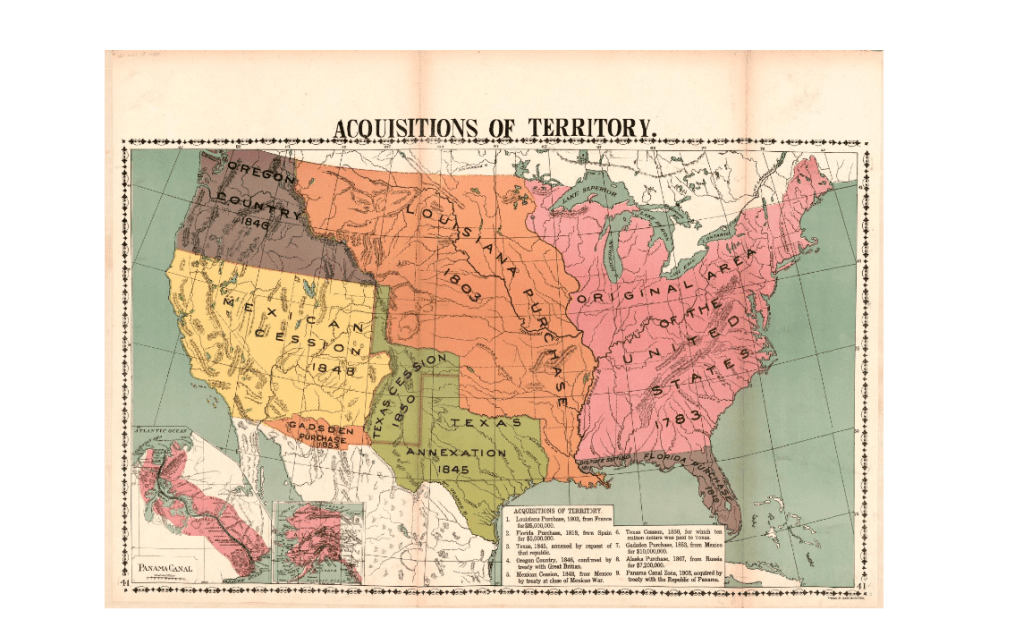
Part of what is now Texas was annexed as its own republic, but Polk wanted more. So why not lose a bunch of lives and make the Rio Grande the new U.S./Mexico border? What a jerk.
At the same time as the U.S. was deep in the two-year war for Mexican land, the British decided they weren’t interested in a long fight that would probably end in the loss of their territory below the 49th parallel, so they signed the Oregon Treaty and, at the end of the Mexican War, the continental U.S. enjoyed the boundaries we now know.
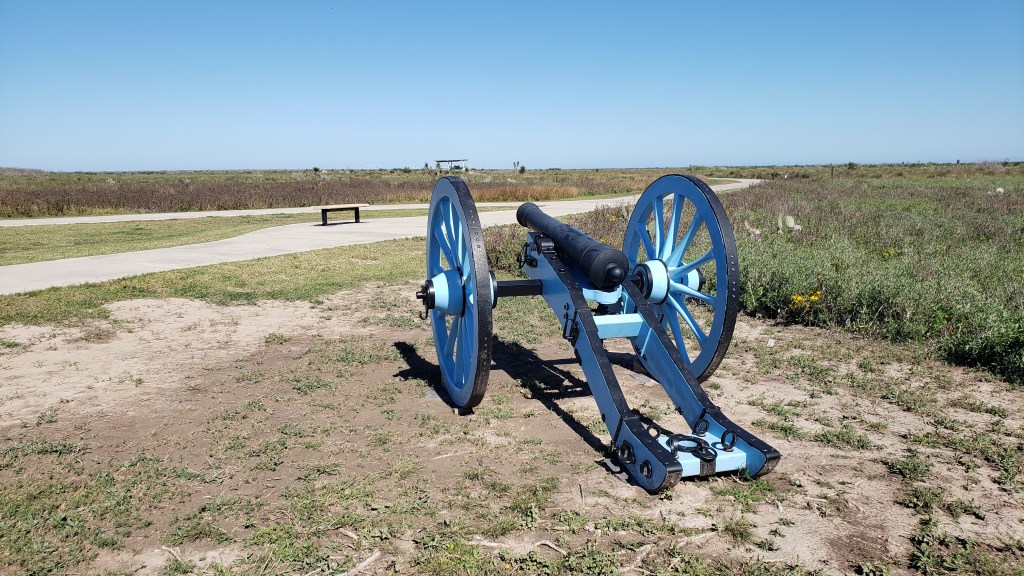
General Zachary Taylor, a non-political General who didn’t think the war was justified but ultimately led the successful campaign, became a national hero, and then the 12th President of the United States. Fascinating.
Simon was captivated by how well defined the Palo Alto battlefield was, and by the clarity of the interpretive center’s exhibits, which made it easy to see what had happened there. Susan was drawn in by the human side, and by the way researchers unearthed buttons torn from the soldiers’ uniforms during the violence of the battle, and used them to track the troops’ movements, even down to individual soldiers at times.
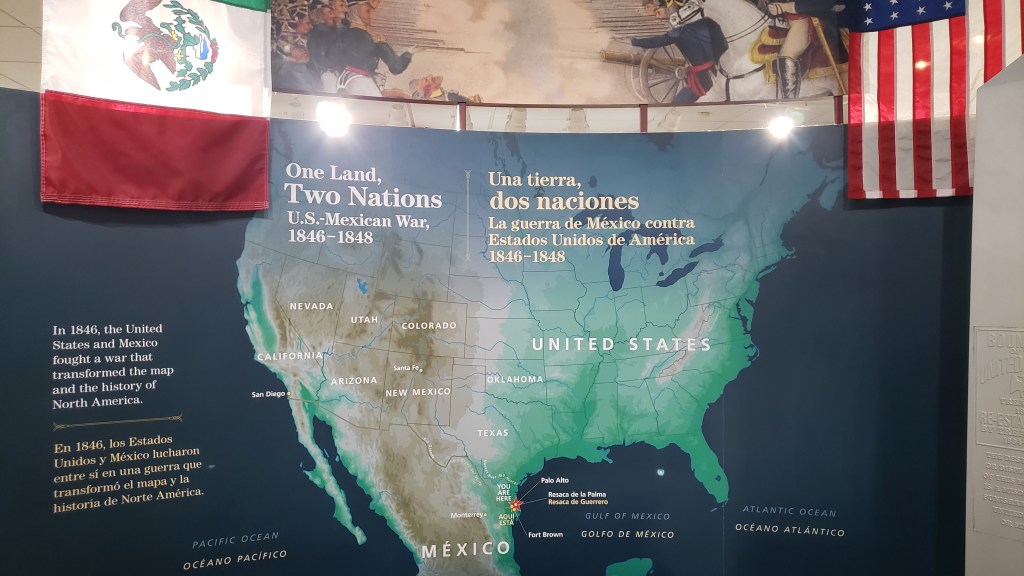
For us, the ripples and ramifications we’re encountering on this trip explain so much about what is wonderful and heroic and admirable and outrageously generous about this great country, and they also bring into stark focus the events that stand as lessons about the past and warnings for the future, and the decisions that do not represent our better selves.

 Veness Travel Media
Susan, since you are enjoying the soap box preaching. Plan a trip to Hawaii (don’t drive) and ask a native about becoming a state. I cannot fathom why any country, or group of people would think attacking another was a good idea.
LikeLike
It’s all about perspective, isn’t it? I (Susan) grew up being told Christopher Columbus was a hero. Go to a place like Cartagena, Columbia, and ask them what they think of the “explorer.”
I’m curious about Hawaiians. I know Hawaii petitioned for statehood, by a majority, while a minority certainly didn’t want it. Tell me more!
LikeLike
It’s not a part of history that I know much about ( being English) so thanks for that brief lesson Susan. Absolutely fascinating. It really is so interesting to know how the present boundaries came into being and the huge amount of blood spilt for it.
As far as the Muskman is concerned he should start by implanting a compassion chip in his own brain. Incredible to see the technology up so close.
LikeLike
We’ve both been genuinely surprised by some of the history we’re learning. I (Susan) knew the basics, but many of these parks have filled in the details, and the parts we didn’t learn in school (maybe I just slept though them). The part that was missing for me in this specific instance was that Polk just sort of decided the territory should be ours. The ranger told us there were very few Mexicans in the area, and it was mostly inhabited by native tribes, but just because you’re not home doesn’t mean someone else can lay claim to your house.
I thought it all came with the Louisiana Purchase. Money changes hands and two parties walk away happy.
LikeLike