
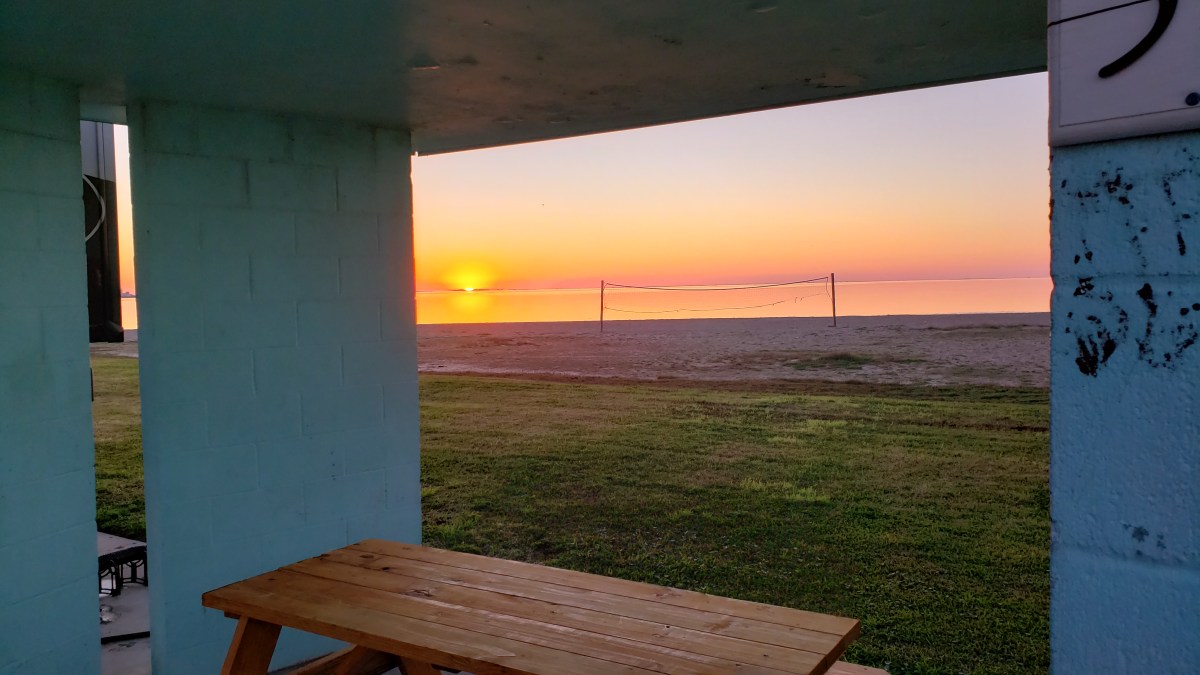
Our next port of call was Port Lavaca, nestled along the Gulf Coast’s Lavaca Bay. The area’s history picks up three threads we’ve been writing about: The Spanish holding of territory that later became Texas; Native Americans being driven from their lands (in this case, Comanche who survived a raid in what is now a town to the north, and came to the port area for refuge); and the names people use for bison, which, in Spanish, is La Vaca, even though la vaca actually means “the cow.” But we were mainly there for the scenery.
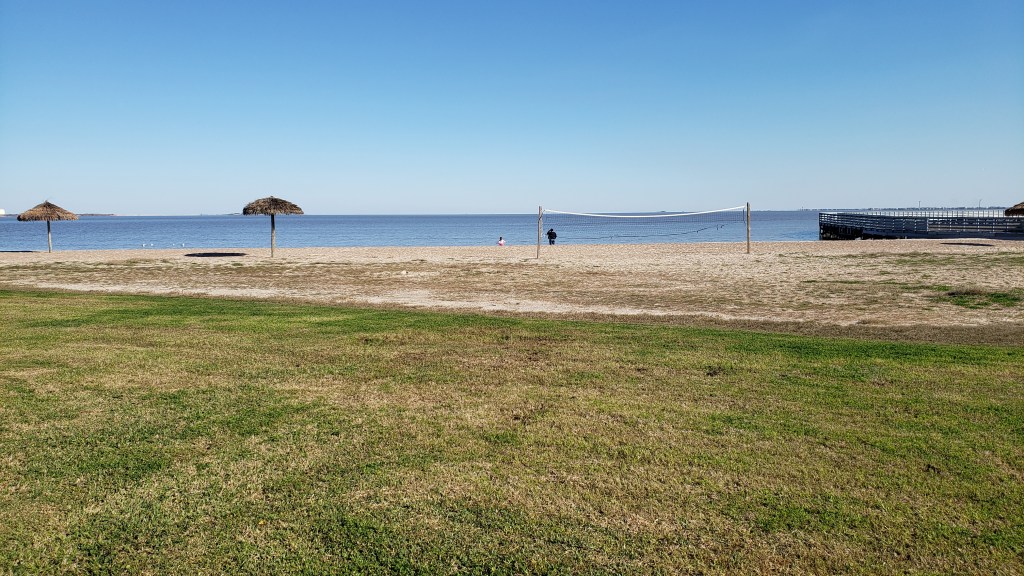
Most small county parks can’t accommodate big rigs, but Texas is no slouch, and the beautiful Lighthouse Beach RV Resort had no problem with 36-foot Fati. Our site looked out on the bay, and on a wonderful boardwalk over the water that was perfect for our evening strolls as the sun went down and the sky lit up like fire.
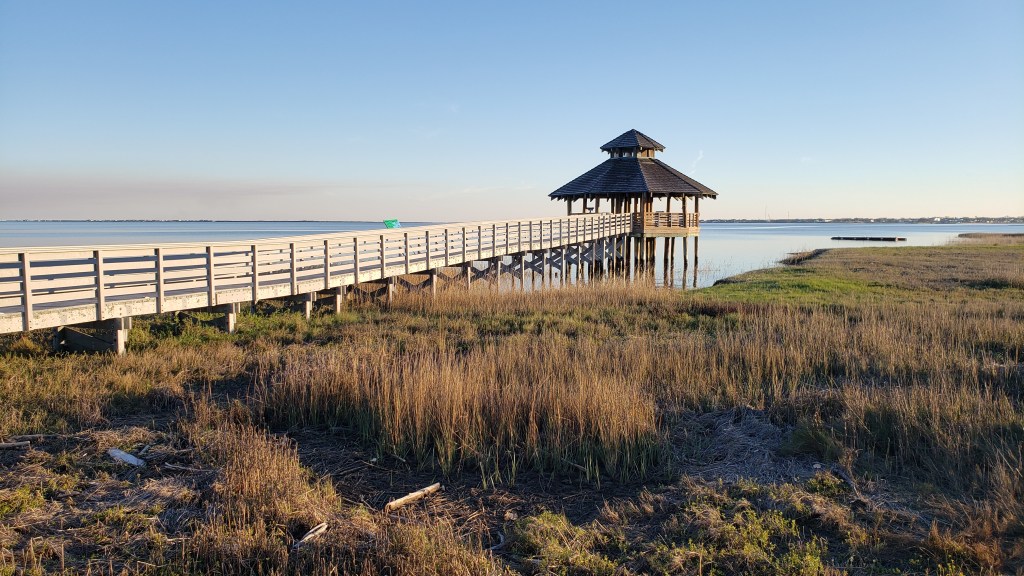
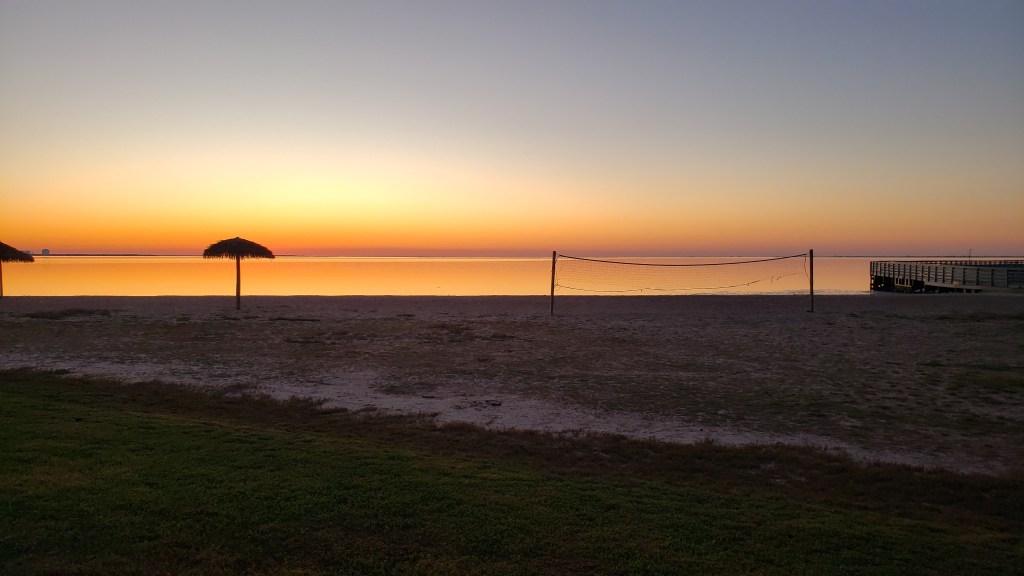
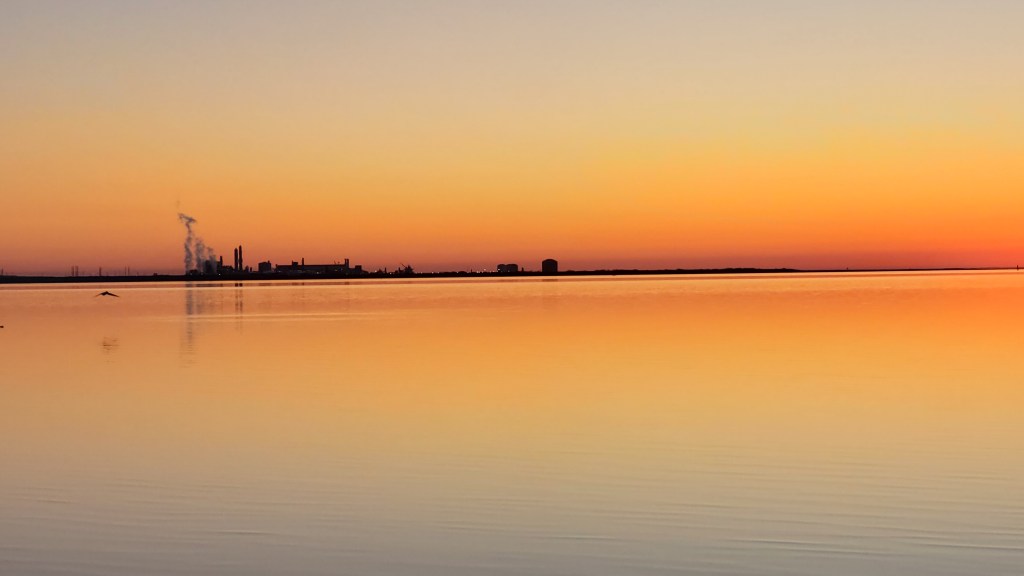
Fishing and birding are the big draws here, and it’s easy to slow right down to the point where a glass of wine and the view are all the excitement you need. Want more? Ramp it up with a walk along the pier and meet the fisherpersons, peer over the water through binoculars to see what’s flying and floating around, and marvel at the mad rush of the so-called “Formosa Five Hundred” that takes place along the State Highway 35 causeway during each shift change for Formosa Plastics Corporation, situated directly across Lavaca Bay from our campground, along with Alcoa and DuPont.
Now, those of you who’ve been following us from the beginning will likely have noticed we never drive Fati at night. Like, ever. It simply isn’t done. But circumstances dictated otherwise this time, and we found ourselves heading over the causeway as darkness fell.
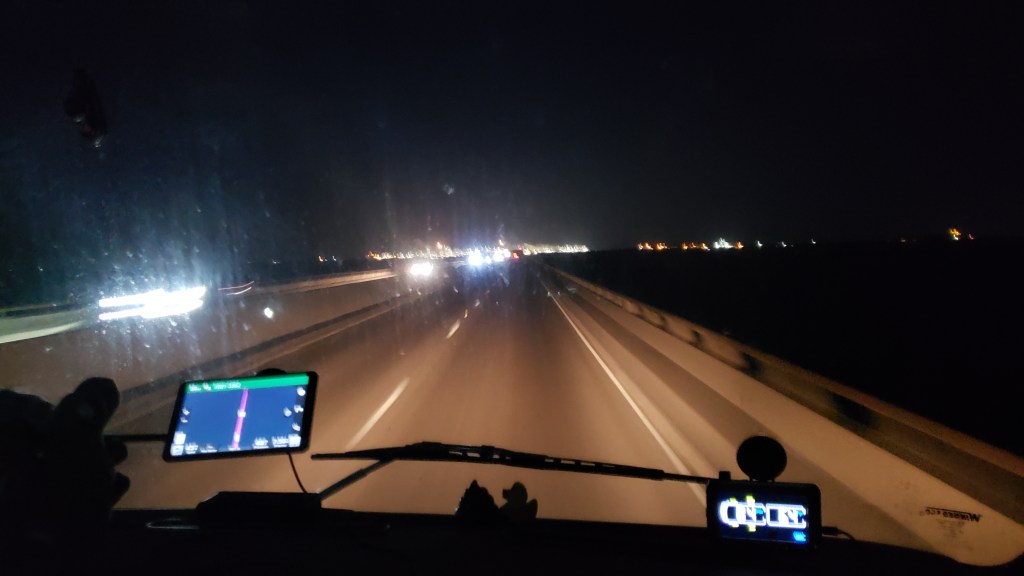
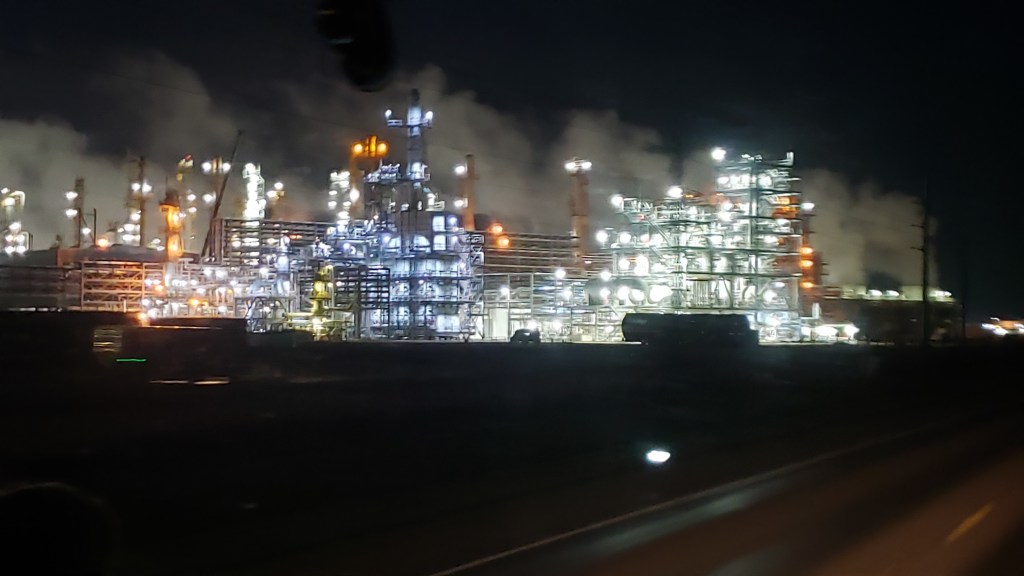
Approaching and then passing Formosa, producers of resins and other chemically things, was like driving into the unsettling opening scene of the movie Blade Runner. A true dystopian setting right there in ironically named Port Comfort, minus the flying spacecraft.

The rest of the journey east ambled along dark roads through empty countryside, and ended with an overnight stay at a Walmart right off a busy road, with trains and their blaring whistles barreling past every half hour, all night long.
We were truly exhausted when we reached Oyster Creek the next day, and were somewhat dismayed to see our campground was just on the boundary of miles and miles of refineries.
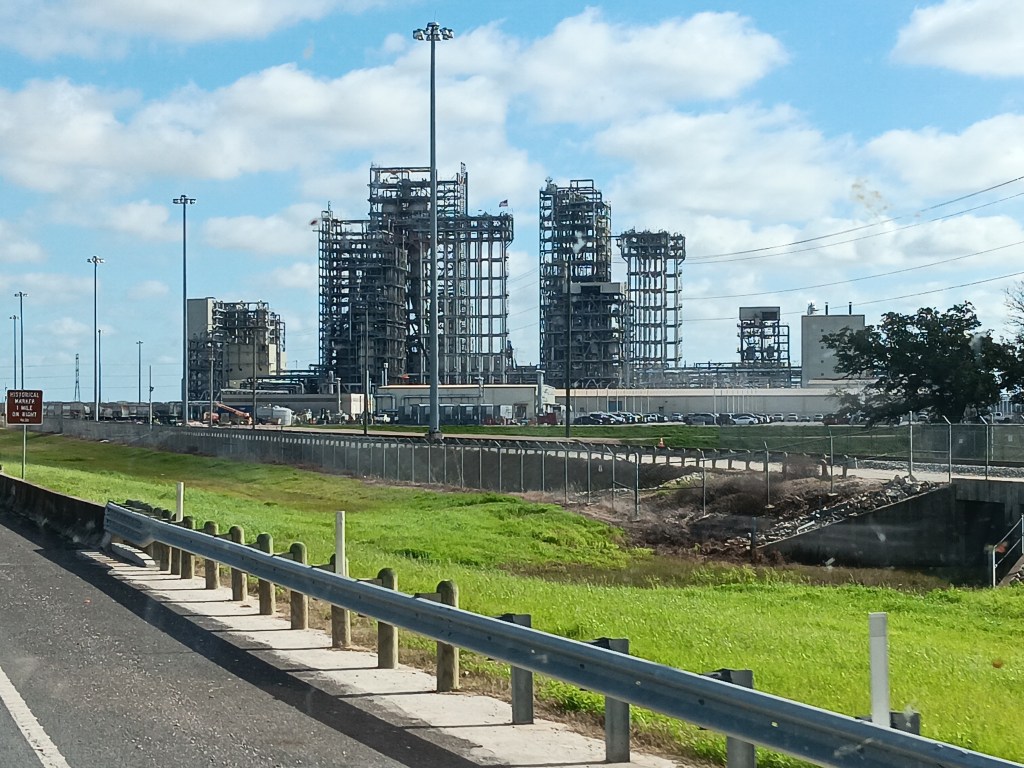
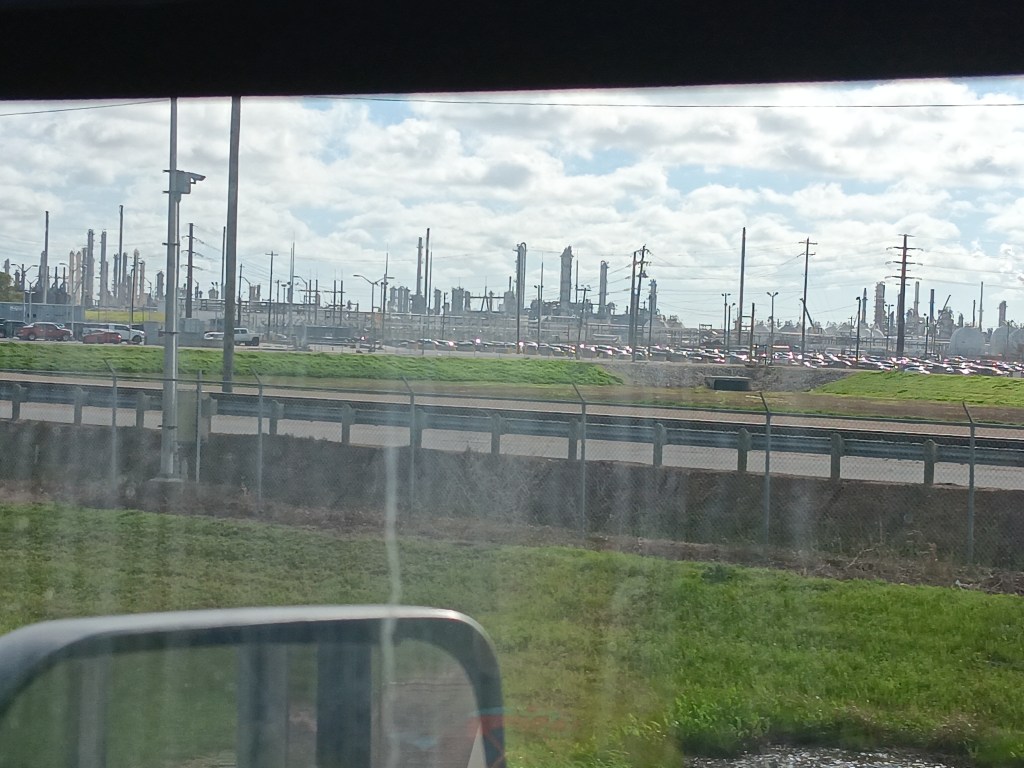
But it was a peaceful little haven, mainly populated by refinery workers who put in such labor-intensive days that they were all asleep by 8 p.m. Silence reigned, even as the belching discharge from the refineries’ chimneys lit up the sky with fire, this time not of the natural variety.
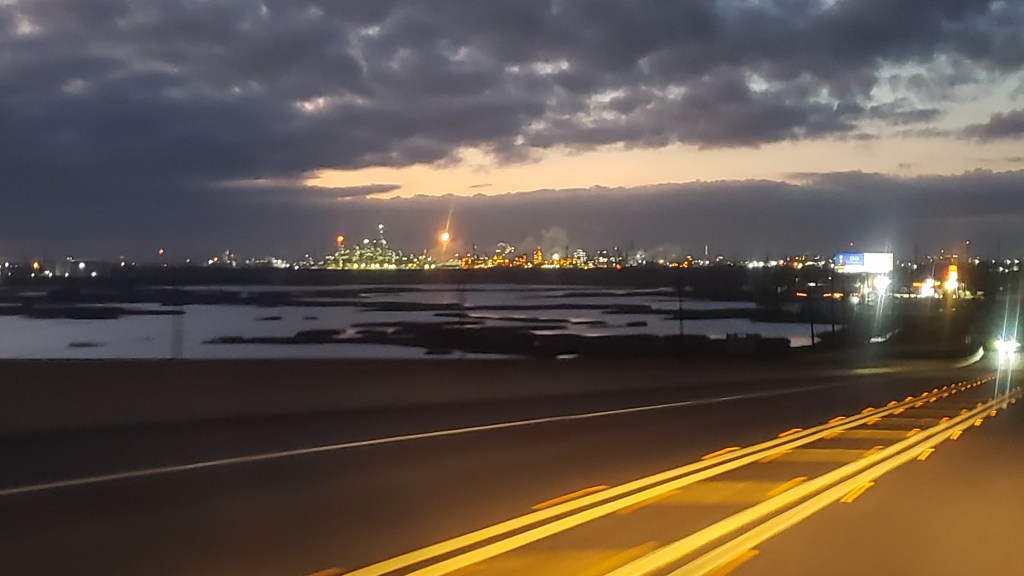
Everybody knows cars and machinery don’t run on daffodils and the laughter of unicorns. We all know there is a process of refinement. Seeing it in person when you haven’t grown up with it in your home town is both horrifying and fascinating. It’s like looking at a city comprised of the bare bones of enormous building complexes, but with no people, and we were filled with discomfort with the process and admiration for the people who work there.
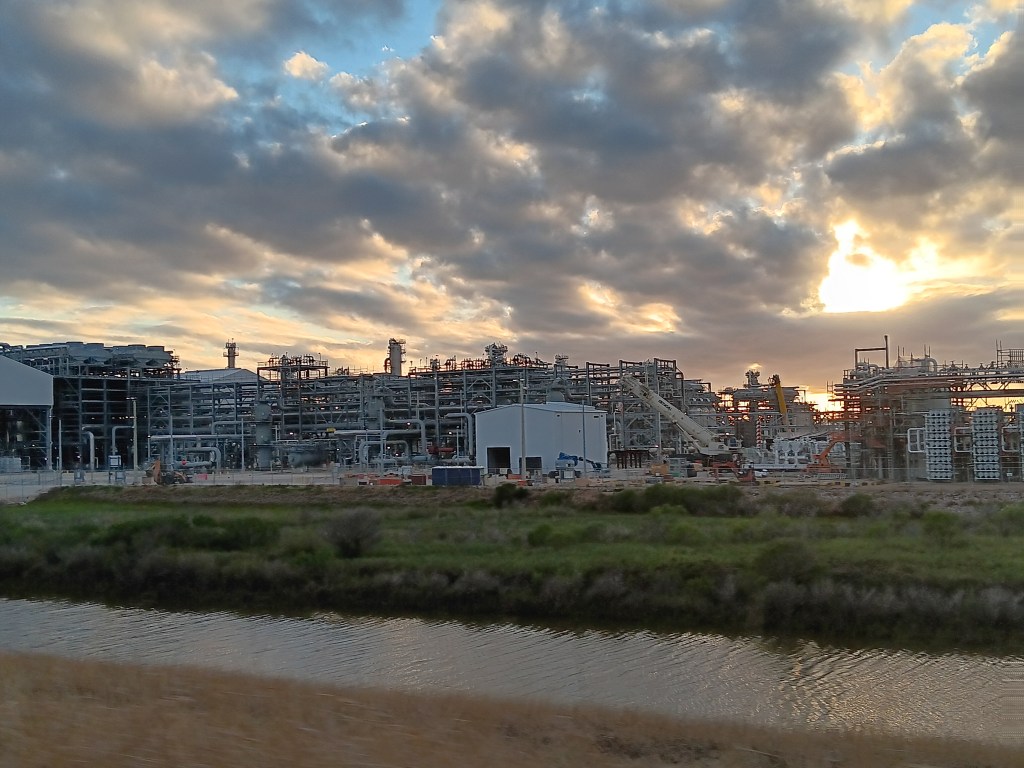
Like so many things we’ve experienced during this trip, we were pulled in two directions, mentally. Years ago, seeing fish farming in Chilean Patagonia first-hand completely put us off from eating farm-raised fish, ever again. It was a simple decision. But not everything is that straightforward.
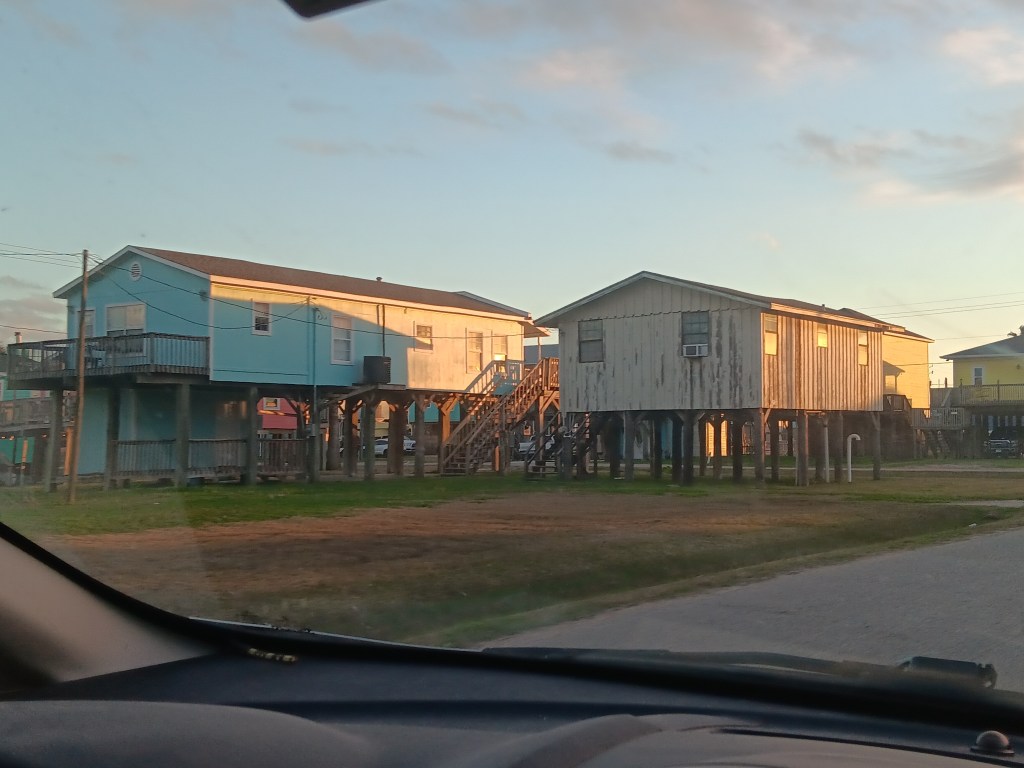
We had been told Surfside, a little town right on the water, was worth seeing, so at least that decision was straightforward. Surfside Beach was hit by Hurricane Nicholas in 2021, and many if not most of the homes there are new.

All of them are high up on stilts, creating a hodge-podge neighborhood of houses that look like they were brought in and propped up on stilts wherever the moving truck happened to stop. There is none of the formal layout – or similarity in architecture – of the neighborhoods we’re used to, and we drove around pointing and commenting and being fascinated by the whole thing.

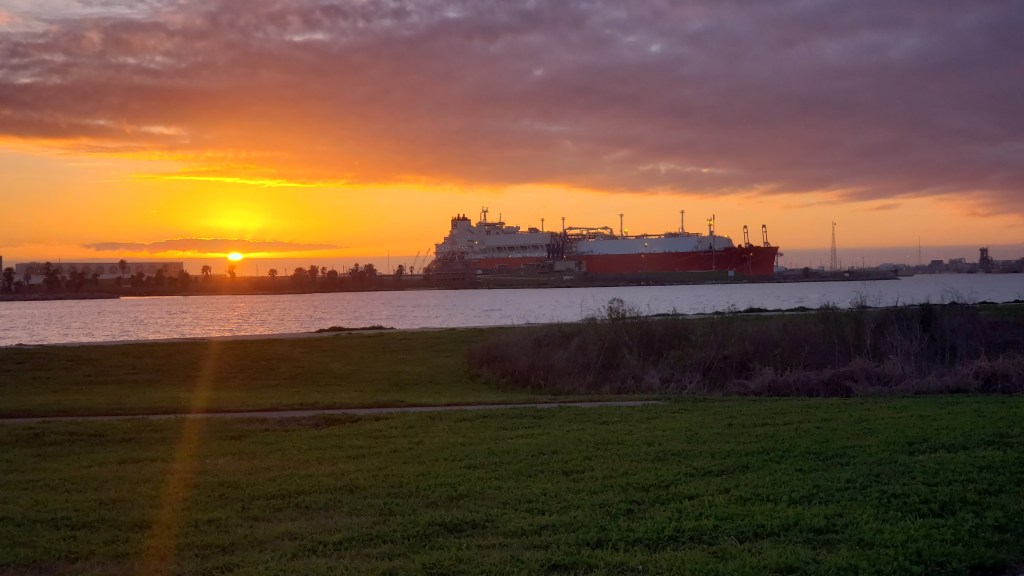
Freeport Channel seems to be the place where locals gather on balmy evenings to do some fishing and to watch the gigantic freighters that harbor there, presumably to fill up with whatever the refineries are pumping out.
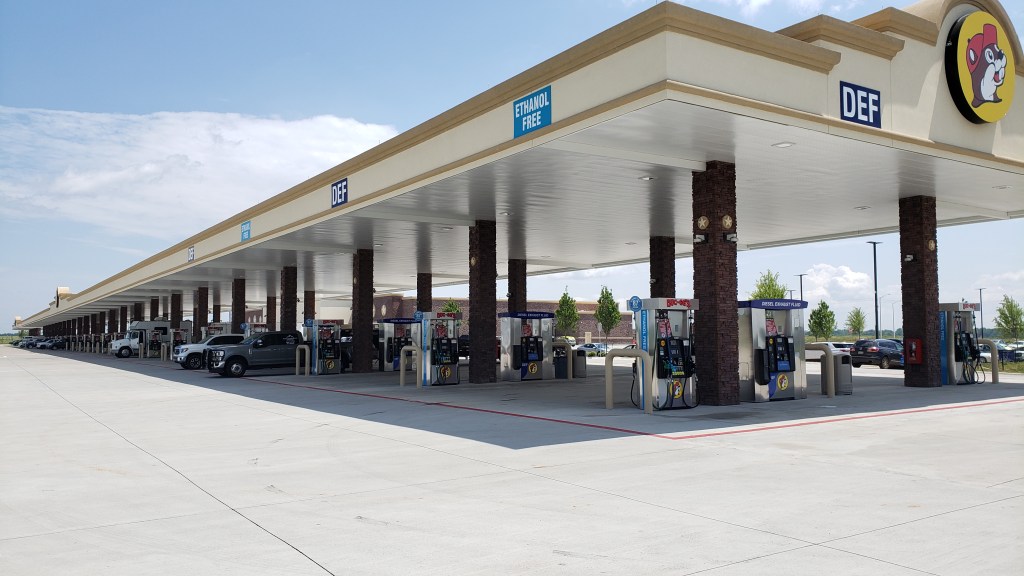
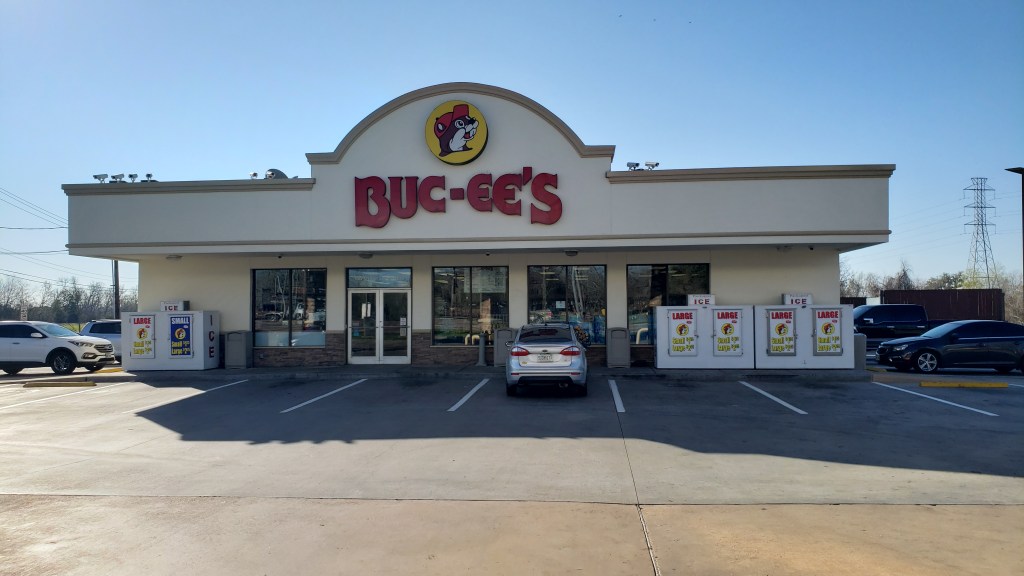
Unexpected as it was, Oyster Bay made a good two-day base to decompress before we headed to Galveston, and when we learned the original Buc-ee’s was less than 10 minutes away, we headed over and grabbed a couple of bags of Buc-ee’s Nugg-ees, just because we could. We felt the circle from the beginning of our journey to the not-so-distant end of our adventure starting to close.
 Veness Travel Media