It’s Buc, Buc, Buc-ees!

One of the reasons to take a road trip in the USA is for its gas stations. Yes, seriously. You can find some of the most, well, American experiences at these refueling outposts along the main highways. And, if you think you’ve seen them all, you haven’t seen Buc-ees.

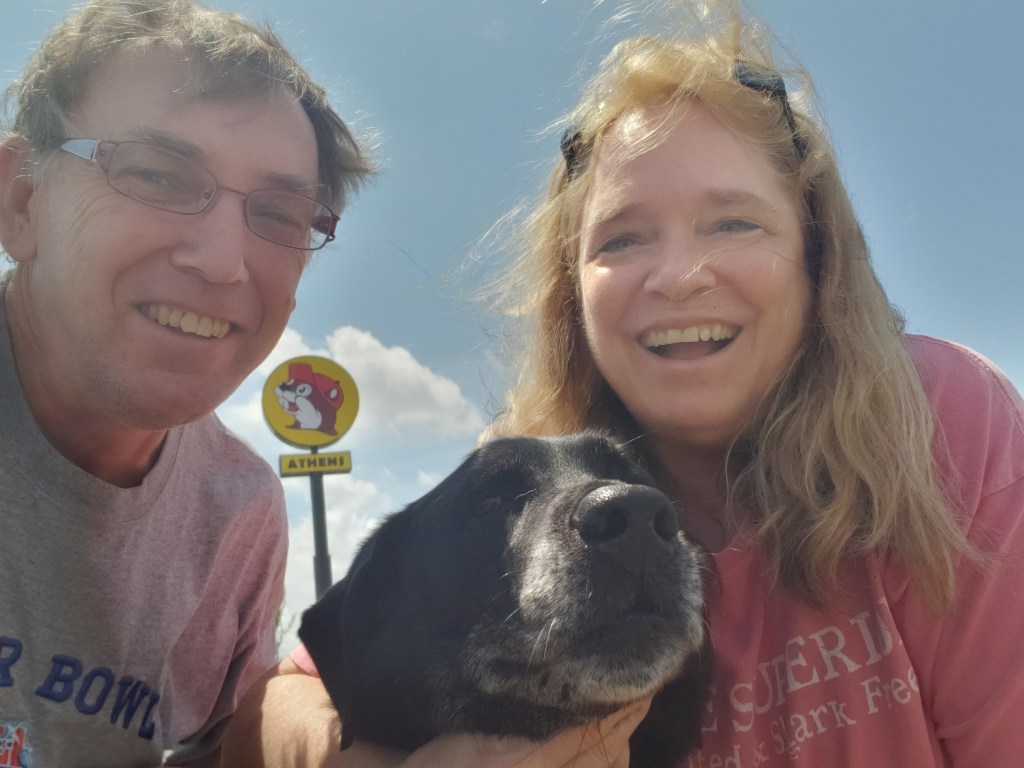
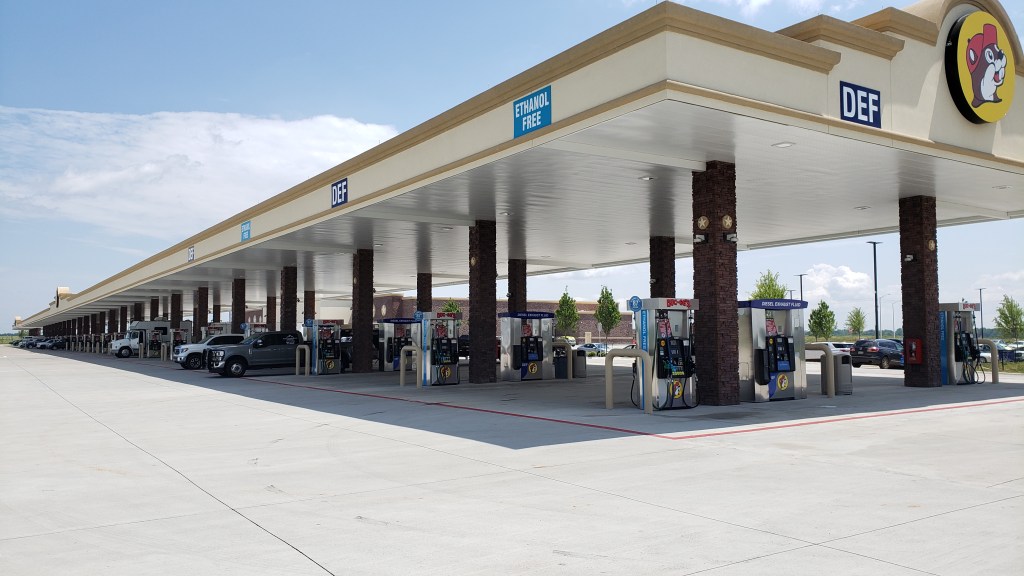
We’d arrived at northern Alabama, close to Athens, and turned off I-65 at the sight of this vast, mirage-like complex of buildings that seemed to stretch towards the horizon. Not only is it, jointly, the largest gas station on Earth – with a mind-boggling 120 (yes, one hundred and twenty!) fuel pumps, it has a gigantic supermarket attached to them, as well as a dog park, huge car wash and enough parking space for half of Alabama.

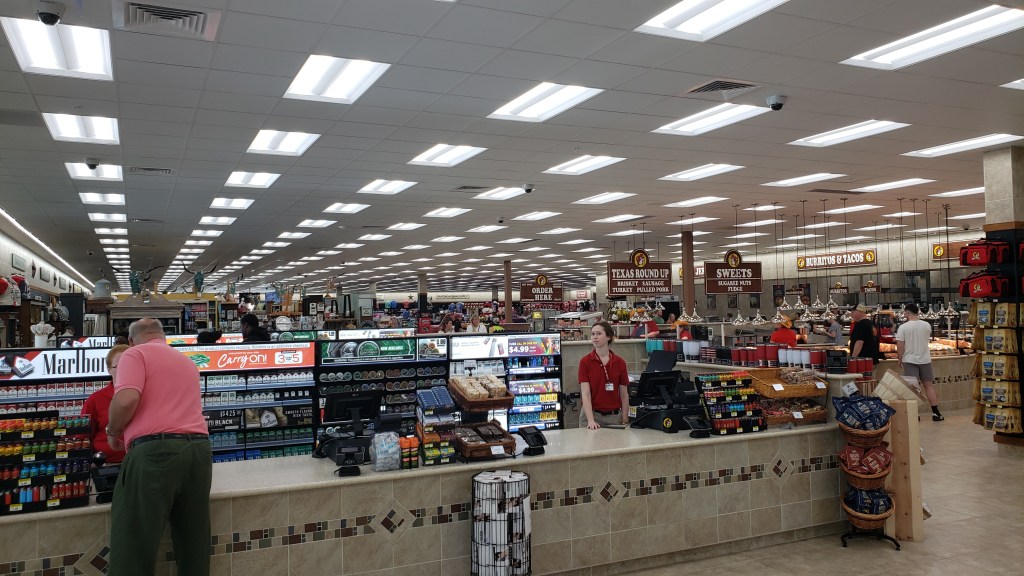
In short, Buc-ees is a cultural phenomenon, drawings fans from all over the south and south-east (especially Texas, where this remarkable brand originated in 1982) for its mix of the cute, kitsch and collectible. You want great barbecue? They got it. Candy? Jerky? Fudge? Got them, too, in multiple triplicate. There are coffee stations, soda fountains, bakery items and ice creams galore, along with thousands of plush Buc-ees (he’s actually a beaver) and other types of themed merchandise, from T-shirts to jewelry. It’s totally bewildering.

Buc-ees’ other claim to fame is they have the cleanest restrooms on the Interstate, and Susan can confirm that, yes, they are as clean as a whistle. Spotless and shiny, in fact. Another trademark is their Beaver Nuggets, crispy corn nuggets that have various types of coating, including white cheddar and sea-salted caramel. Sure, it’s a cheap and cheerful approach, but that is its charm (along with a general level of cleanliness that would put many hospitals in the shade), and it is utterly captivating. We’ll keep an eye out for more Buc-meister outlets as we go.

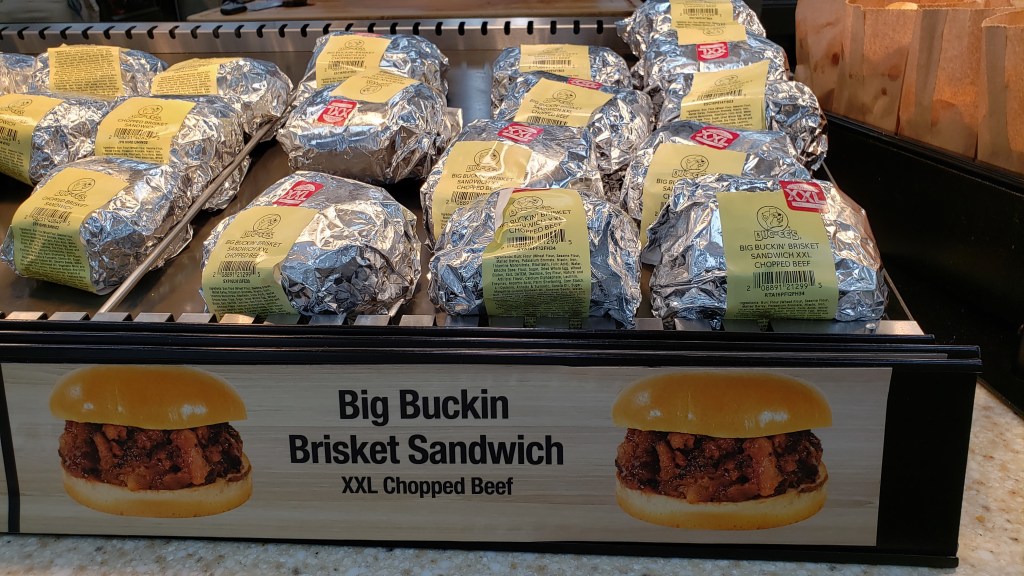
Oh, and the barbecue was delicious.

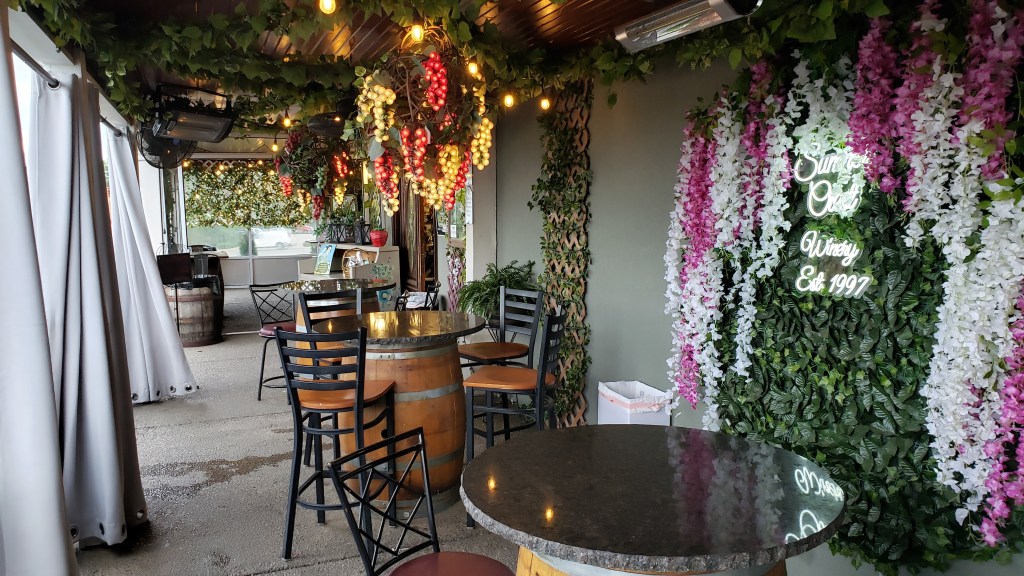
If that was today’s lunch, we finished up at our latest Harvest Hosts discovery, another overnight stop, this time in northern Tennessee, just past Nashville (no Grand Ol’ Opry for us on this trip, sadly). However, Sumner Crest Winery more than made up for missing out on the Tennessee musical icon. This little gem in Portland, Tennessee, features a truly darling wine bar and cafe, with local wines, their own chicken salads and pimento cheese (our tip: try the one with candied jalapenos!), and both indoor and outdoor dining and sampling.

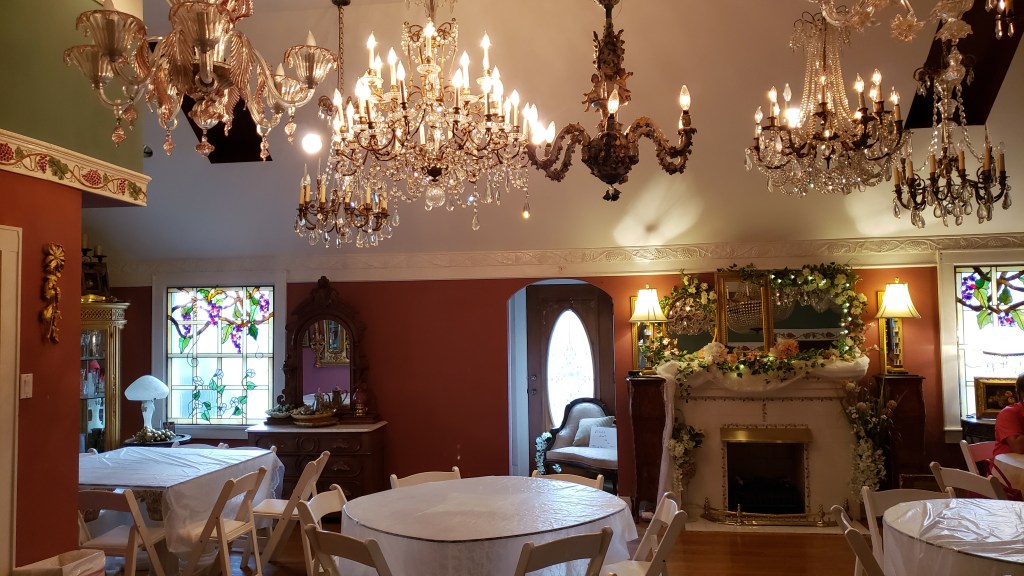
You can try their wines by the glass, flights or bottle, and some of their creative fruit wines and slushies are absolutely sipping sensations. The interior Chandelier Room would be great for a special occasion, and their gift shop was another dazzling collection of cute trinkets and souvenirs, with plenty to interest most wine-drinkers.

Tonight, we are hitched up to one of the winery’s three electrical posts, putting us in pole position for the road to Kentucky and Indiana tomorrow. It was a good day. A Buckin good day, you could say.

Day Two of A Year On the Road: Georgi-ahhhh & Alabam-aaaarggh!

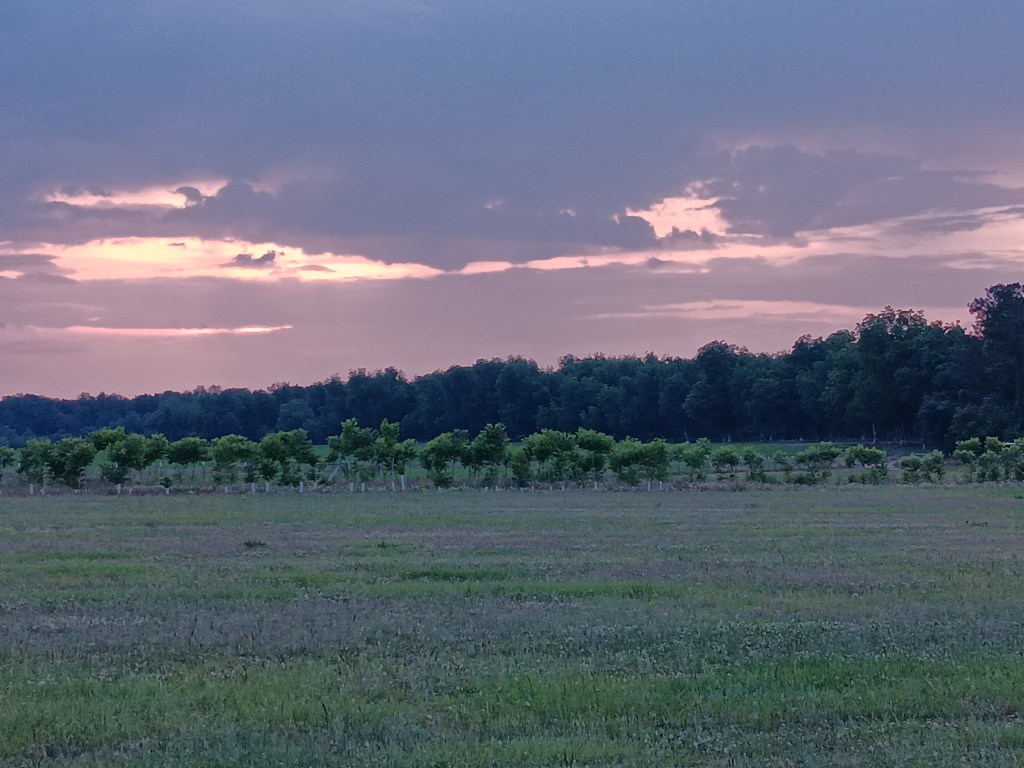
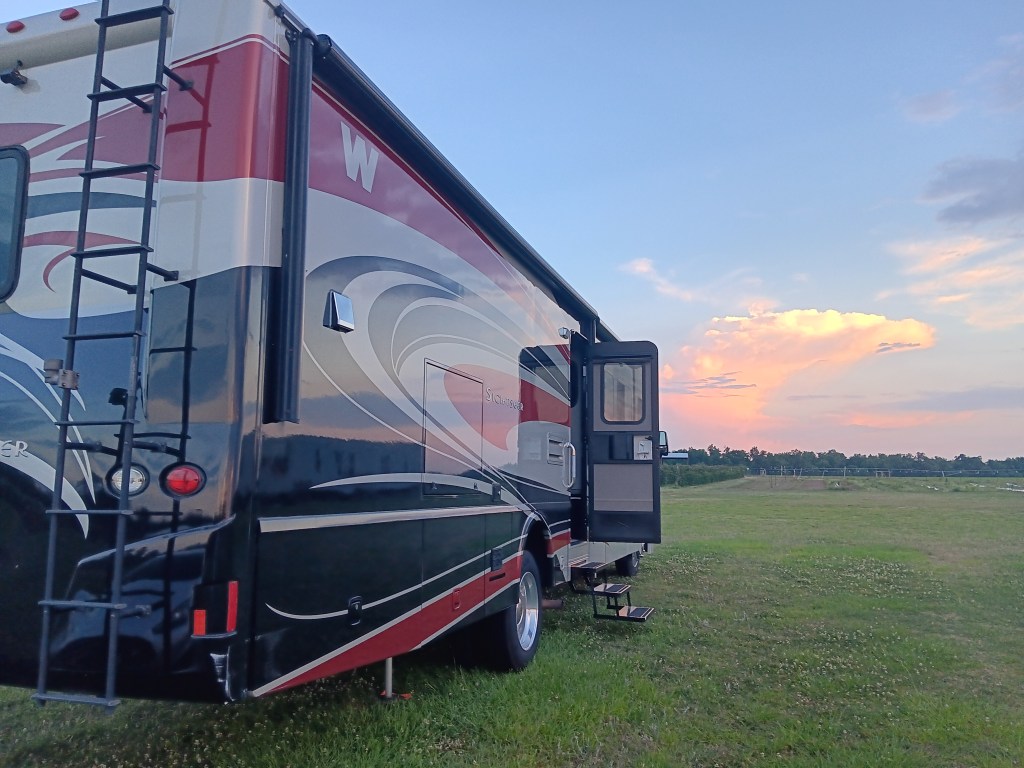
How the day started: waking up in an empty farm field with all the RV windows and the door open. Our Harvest Host location was the Von Glahn Farms family business in Baconton, Georgia. Pure rural bliss.

Breakfast included beautiful picked-fresh blueberries, and blueberry honey. Truly delish.

How the day continued: stopping to help a (very) slow turtle cross a busy road before he got crushed. And Simon copped for a broadside of turtle pee for his troubles. And that’s a sentence we NEVER thought we would write.

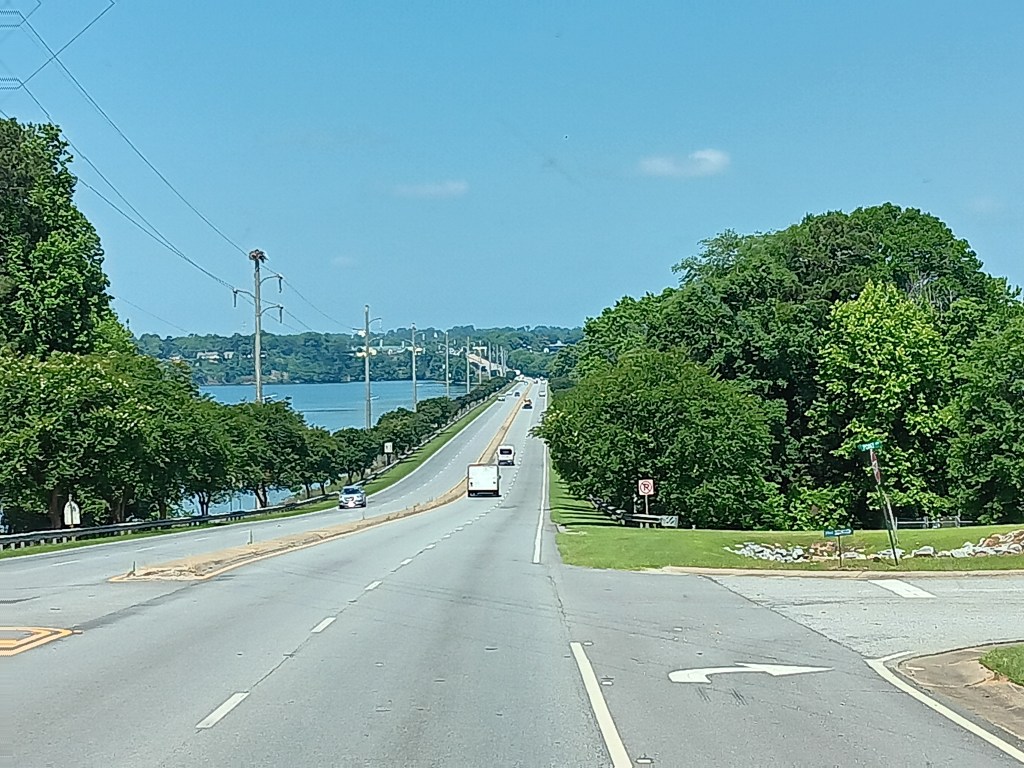
Later on: A truly excellent drive through rural Georgia on Highway 82, avoiding the usual I-75 route north so we could A) Avoid Atlanta and it’s bad traffic, and 2) So we could dodge the mountainous part of the highway through Tennessee and Kentucky. The scenery was wonderful and the route easy to drive.

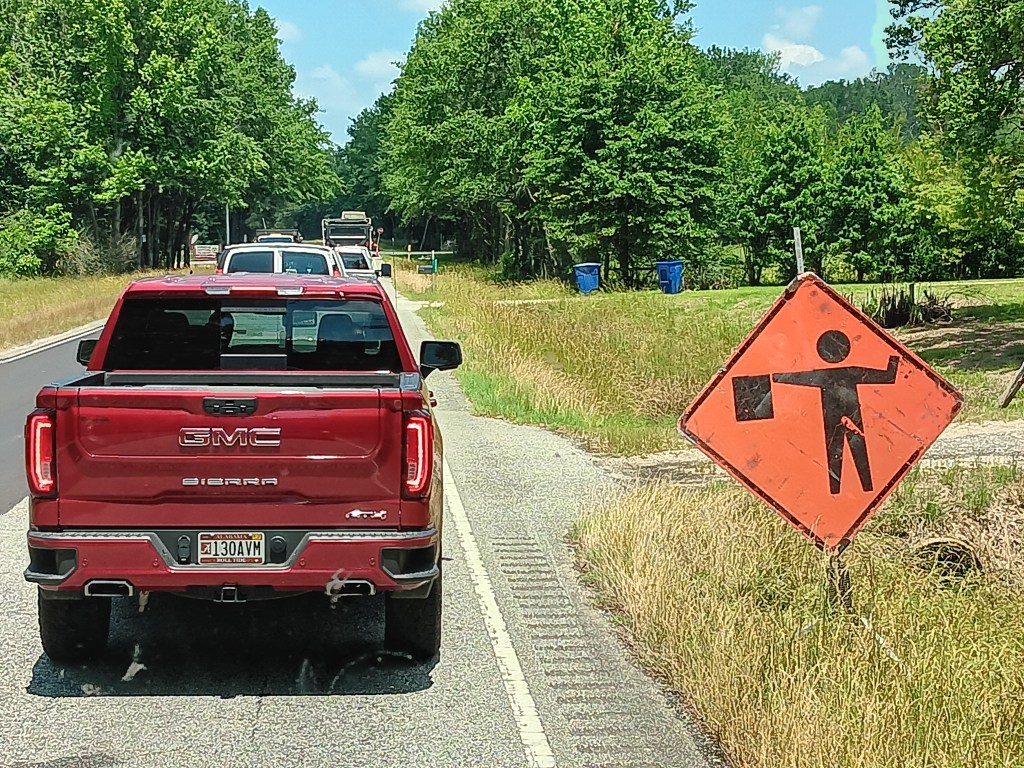
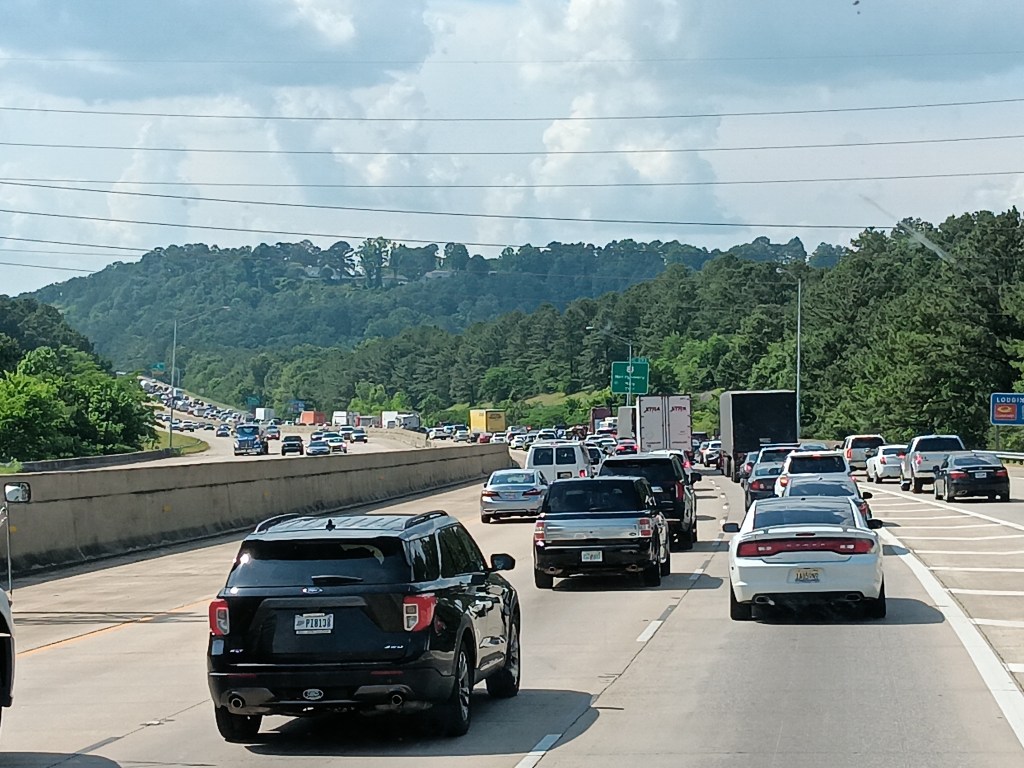
How it finished up: Alabama did not impress us. At all. Instead of avoiding the traffic of Atlanta, we hit road construction south of Montgomery, and heavy traffic in Birmingham. Instead of missing the mountains of Kentucky, we hit the potholes of I-65, and it felt like an ongoing earthquake until we were finally able to get off the highway for an RV campground (Carson Village in the Birmingham suburb of Pinson). We also got cut up and cut off about a zillion times by Birmingham commuter traffic as we tried to navigate by GPS. Not a happy experience, and we won’t be back in a hurry, if at all.

Neither photo even hints at the gruesome nature of the road surfaces we encountered, and even now, having stopped at the RV park, we can still feel the shocks and shakes in our back teeth.

Tomorrow we head north for Tennessee and a potential Harvest Host brewery in the town of Franklin. Turtles not invited.

And we’re off and running…!

How we ended up in a field on a pecan farm in Georgia.

One day down, another 364 to go….

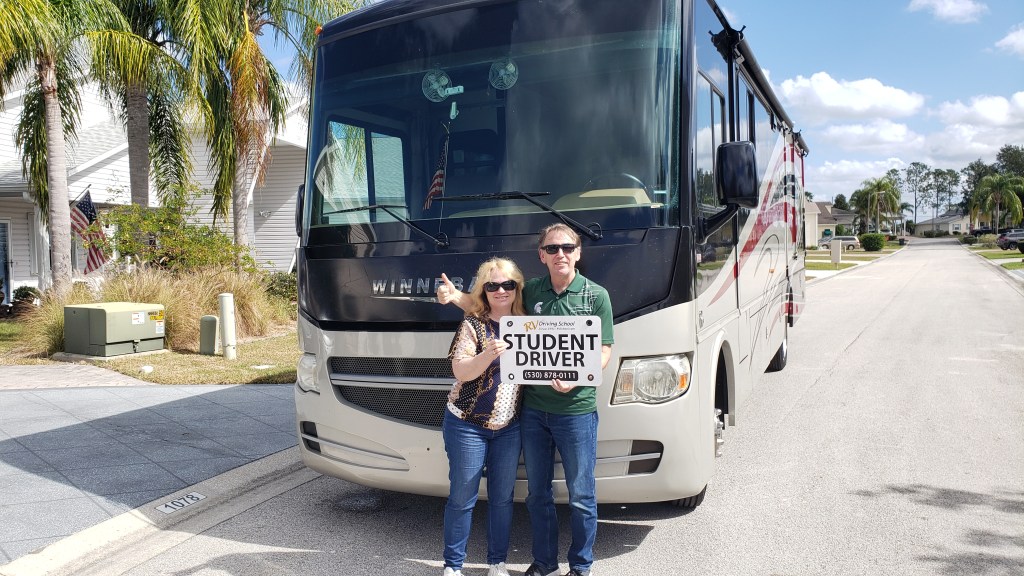
So, after a frantic day’s packing on Saturday, we left nice and early on Sunday at, er, 11:30am. Well, we had a few more tire issues, and, by the time we had everything sorted out (and Simon stopped swearing), it was about an hour and a half later than planned.

We don’t have specific daily targets for the first 5 days, as the object is just to get up to Michigan by next weekend for Susan’s mom’s memorial at their Okemos home. Our dear Kathy Prelesnik died in April 2020, and we hadn’t managed to get back there for a whole heap of reasons until summer 2022, and then Susan’s step-dad Gene took a major turn for the worse and he passed away last September.

In truth that was the final catalyst for our Big Trip, a kind of “it’s-now-or-never” moment. Anyway, that’s the background, and we are ‘winging it’ to start with, just heading north and seeing where we end up at the end of the day.

Today, that was Georgia, with Valdosta soon left in our rear-view mirror, and then Tifton, where we turned left aiming for Alabama. As a member of the Harvest Hosts system – where various businesses offer overnight stays to RVers – we started checking for any opportunities in this part of the state, and lo! and beold, we found ourselves in an open field, all on our own in a pecan farm.

It makes for a great start to our Year On The Road, and we can’t wait to see what tomorrow brings.

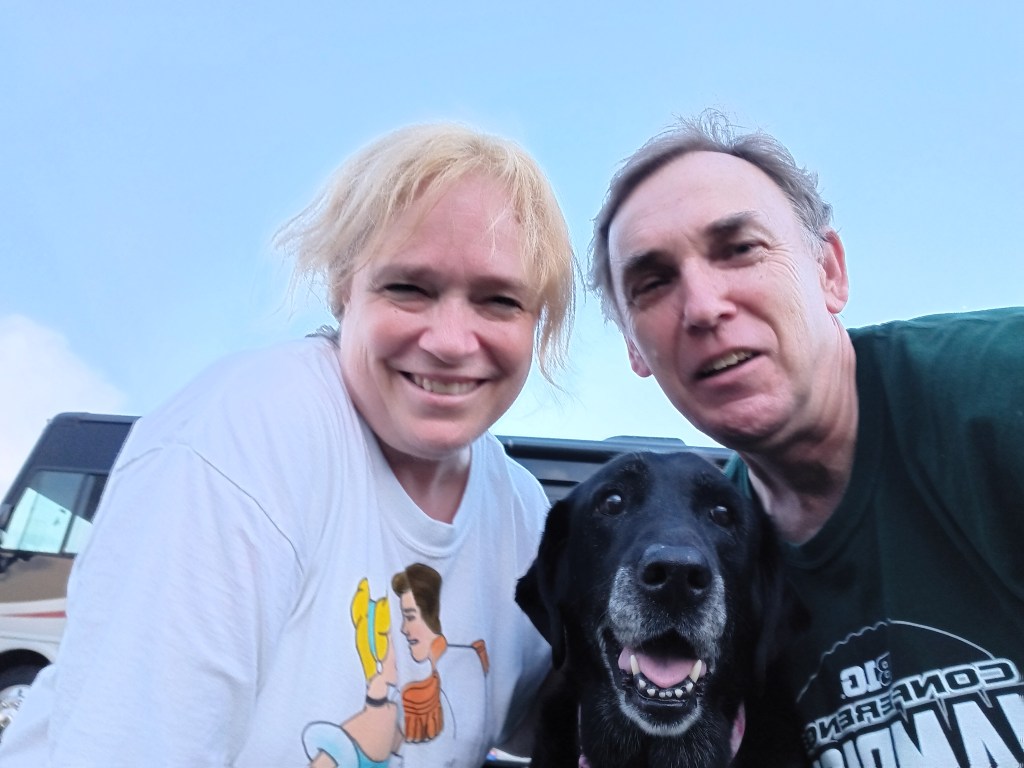
And here are the happy crew (all together now, “Me and you and a dog named Boo…..”)

Madikwe Game Reserve: Safari in High Style!

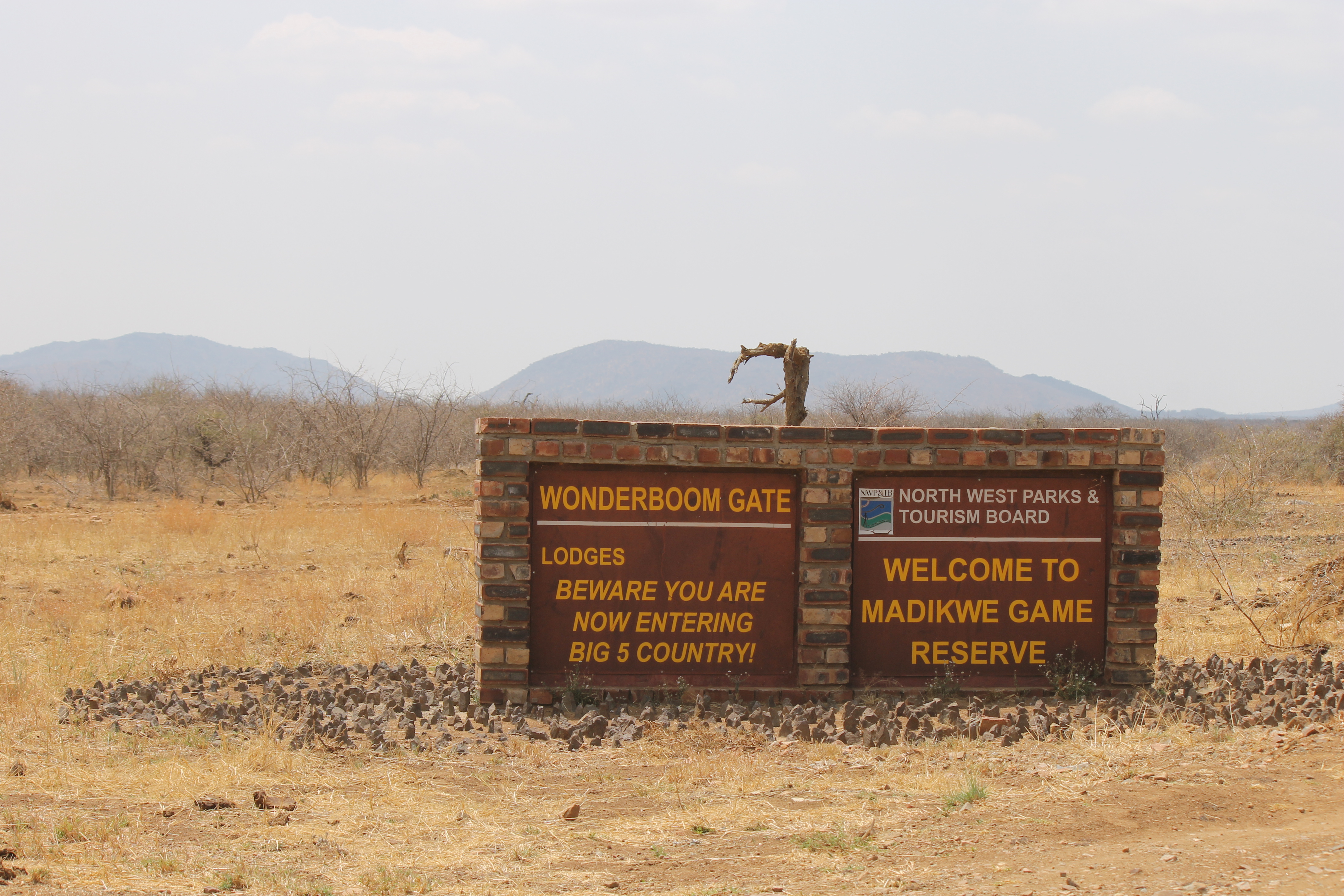
Only the thought of visiting Madikwe Game Reserve and the beautiful Rhulani Guest Lodge made leaving Maru-a-Pula tolerable. MaP headmaster Andy Taylor had strongly urged us to go, so we searched through Madikwe’s Last Minute Specials online, and got one night at Rhulani Guest Lodge for nearly half the usual price.

We set off on Sunday morning at 10:30am and, with our fiasco getting from South Africa into Botswana in mind, we allowed for 2 hours to cross the border. As luck would have it there were only a handful of people at both border crossings and it was plain sailing – apart from the car inspection that revealed we had a stray orange in our bag in the trunk, which earned us a bit of a telling off from the guard. Crossing took 25 minutes in total, and within another 15 minutes we were at Madikwe.
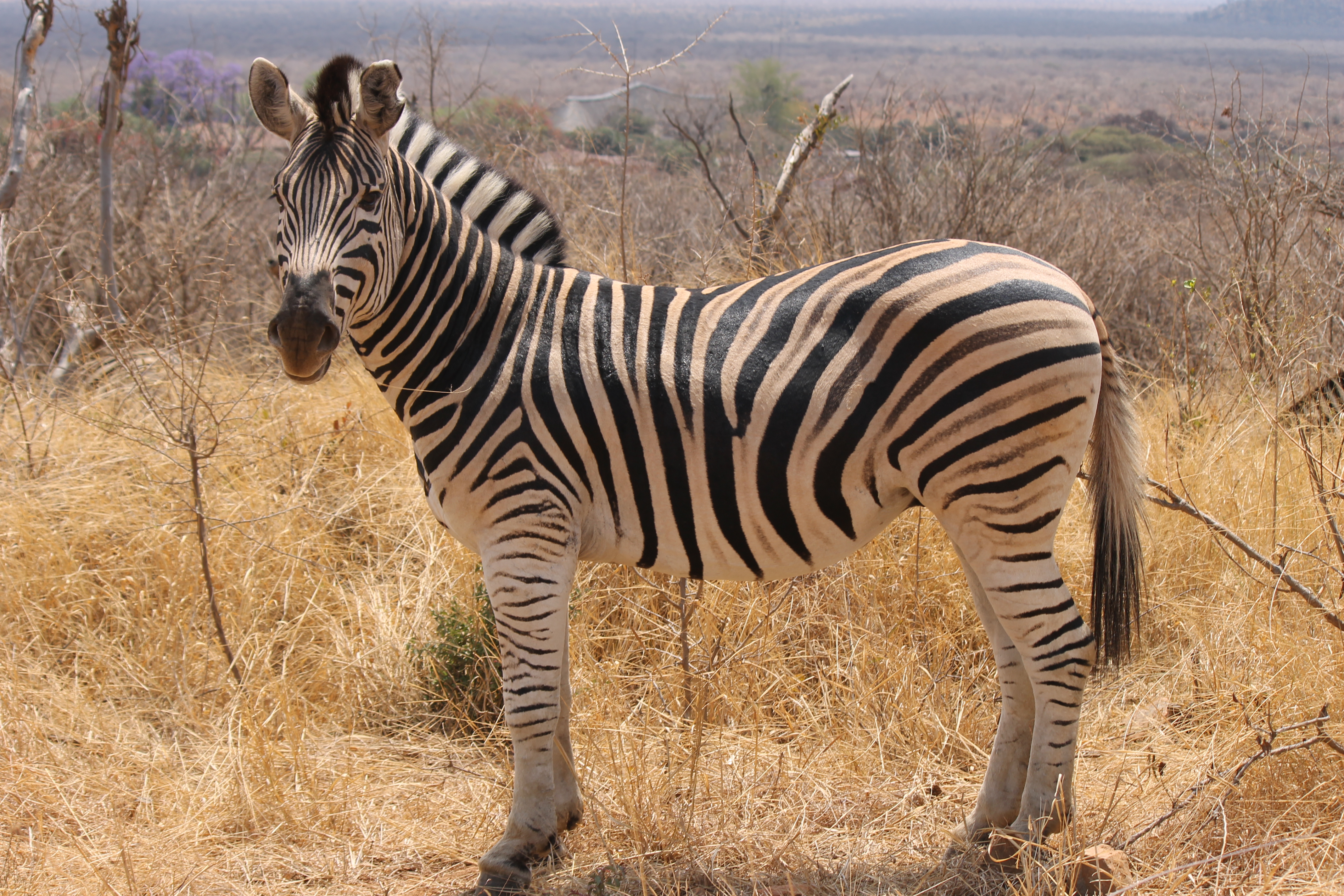
We passed through the entry gate and drove along a dirt road, where we saw zebra, Guinea fowl, and hornbills, and when we arrived at Rhulani there were four attendants waiting for us with warm, scented wash cloths, instructions on where everything was, valet service for our car, and a tour of the resort.
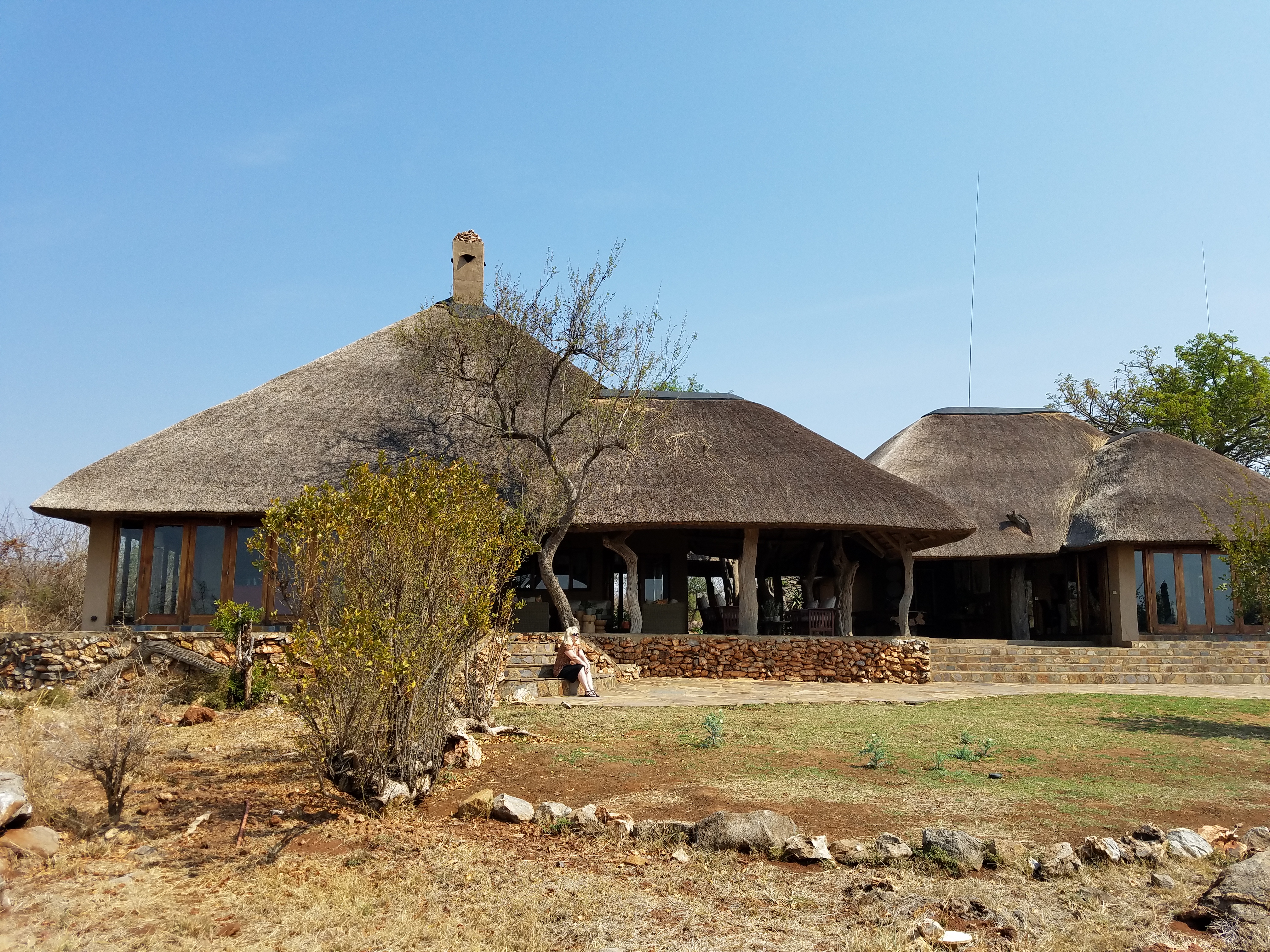
Rhulani was a proper luxury lodge, and the immediate impression was enormously eye-pleasing; a small-scale version of Disney’s Animal Kingdom Lodge, if done by Frank Lloyd Wright in all native materials (stone, wood, tree limbs and thatch).

We sat in the open-air lounge drinking the non-alcoholic cocktail offered and enjoyed the staff’s first-class invitation to be massively indolent.
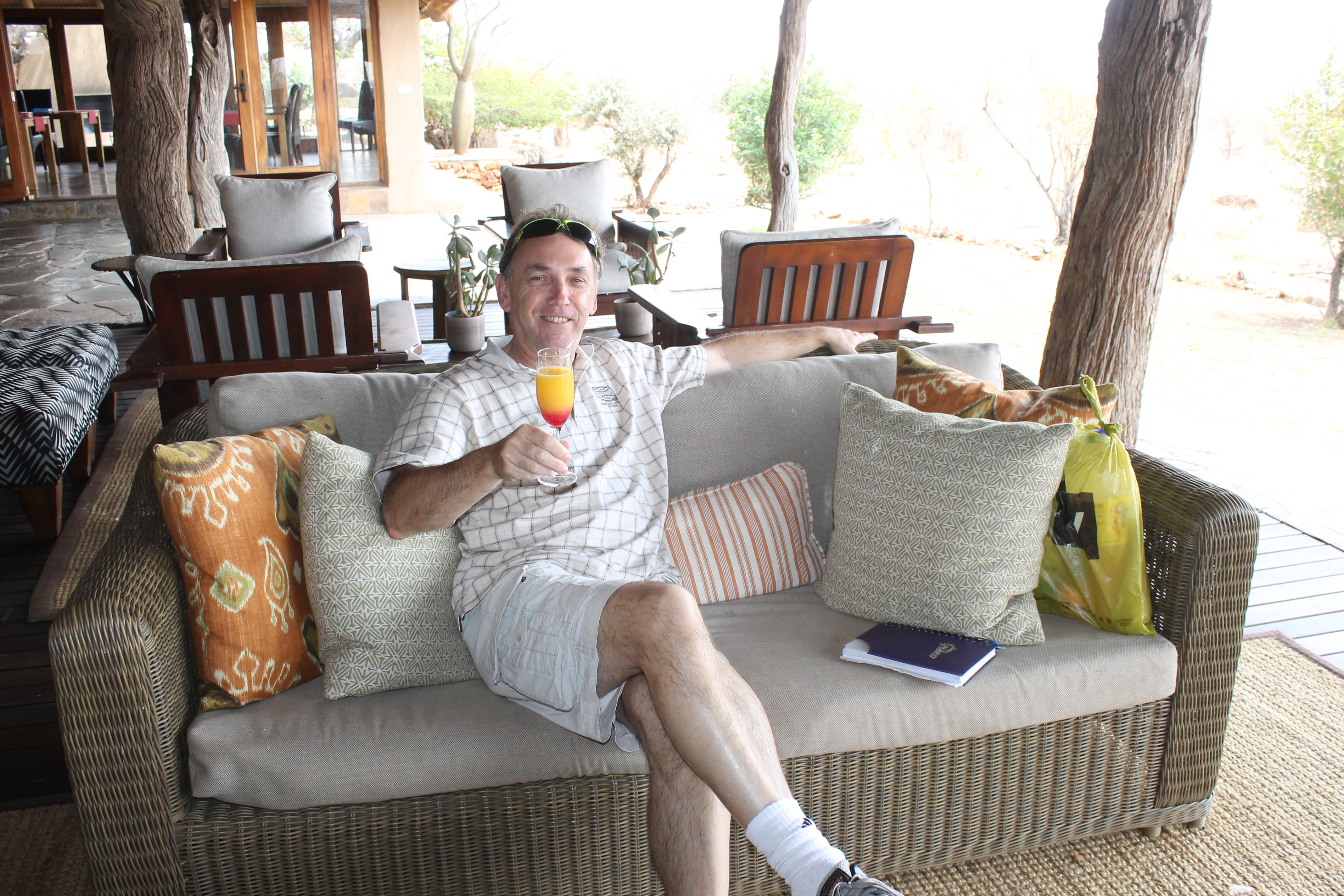
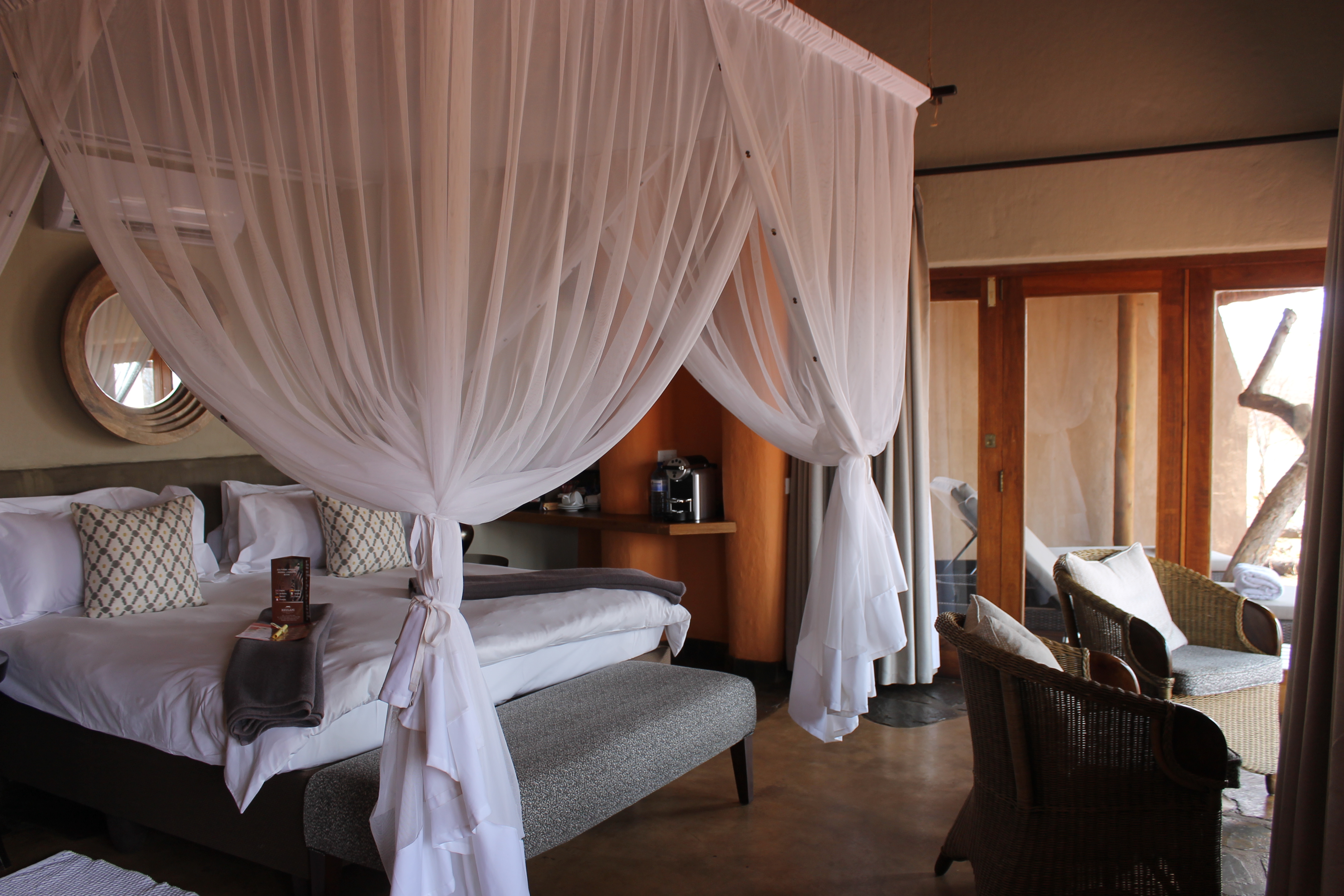
Having arrived early, we had plenty of time to look around, take in the views, take photos and explore our accommodation, which was a mini-lodge with a private plunge pool, indoor and outdoor showers, four-poster bed with mosquito netting, more great views, WiFi and air-conditioning (but, happily NO television).
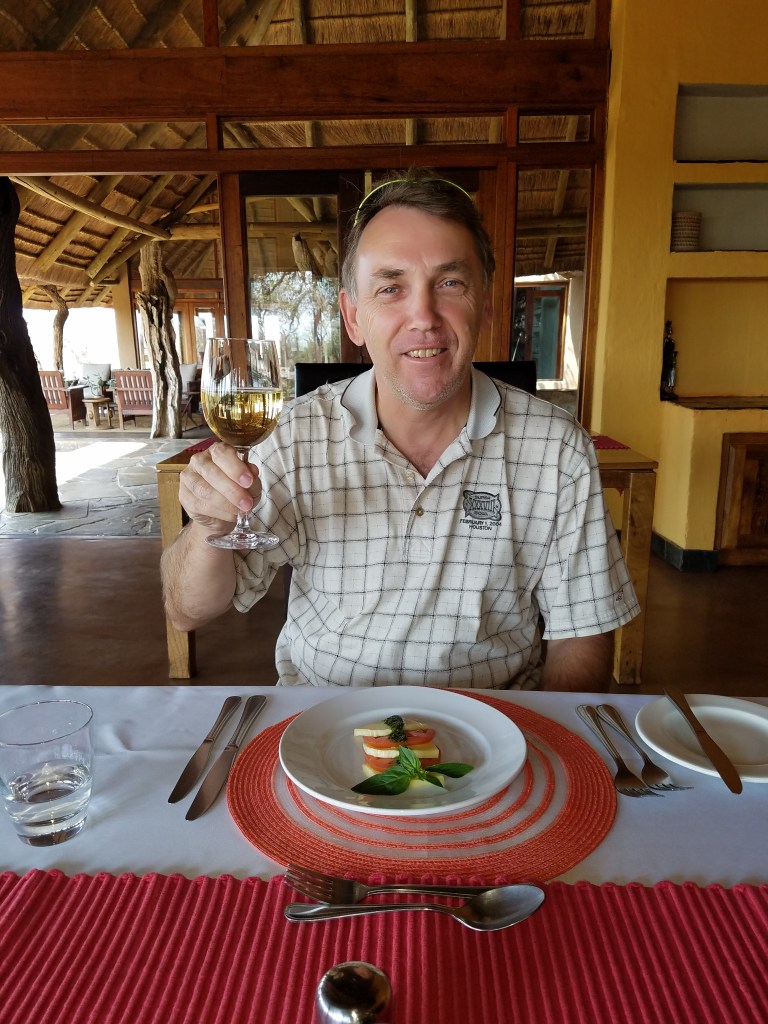
We were treated to our own table for two at lunch, as the rest of the resort’s guests were still out on their morning game drive, so we had the place entirely to ourselves, with our own server. A nice caprese salad arrived, followed by chicken, risotto and a delicious side of collard greens. Sadly, Simon’s glass of wine was blown over by a gust of wind and landed in his starter, but his glass was soon re-filled (although the table-cloth was Ieft soaking in chardonnay!).
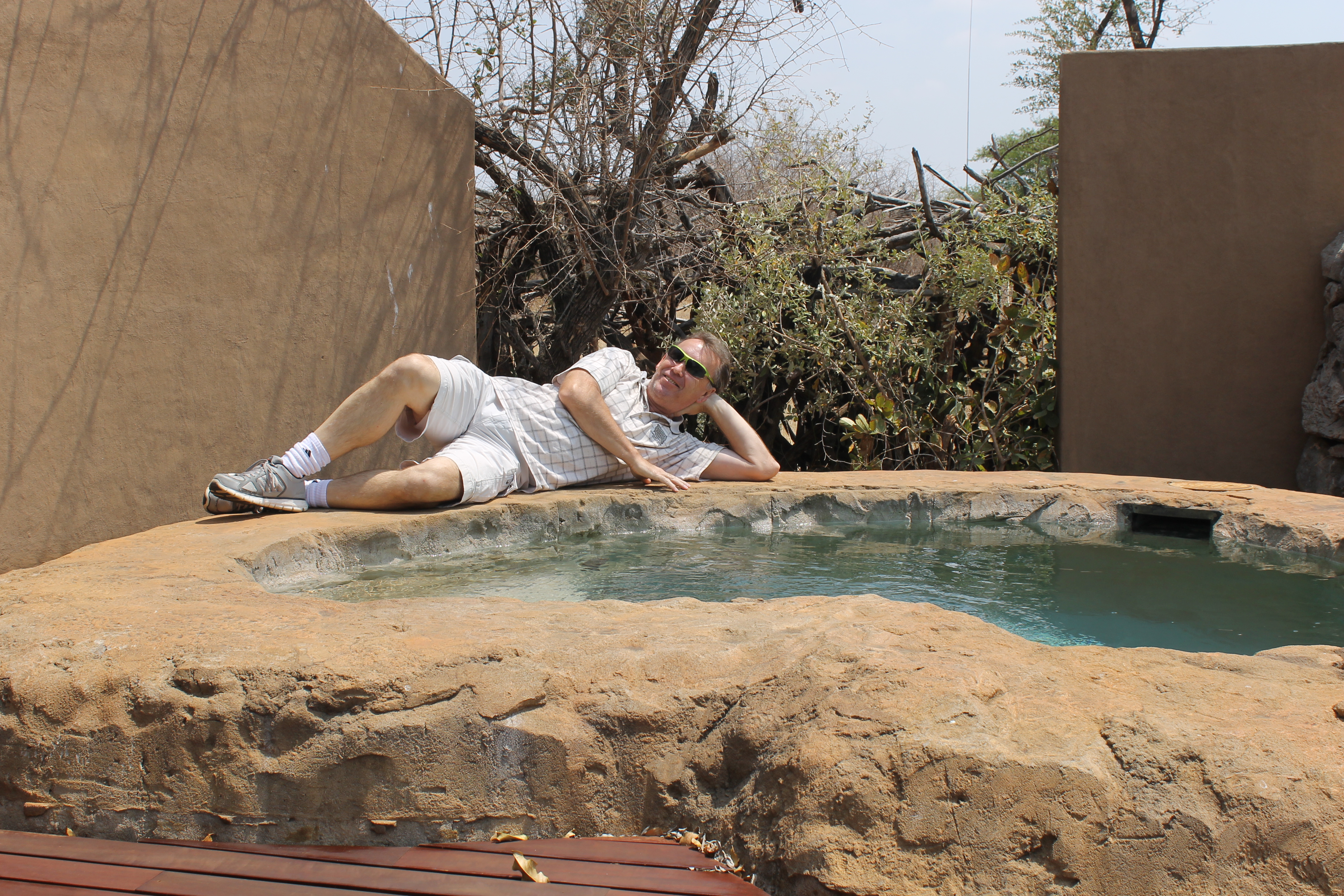
A fruit meringue was served as dessert and we waddled off to chill out and enjoy the Rhulani vibe (which is a Zulu word for ‘relax’), sitting with our feet in our plunge pool, watching the birds flitting about, and relaxing on our loungers.
When the other guests returned from their morning game drive they had a bite to eat and time to freshen up and relax, then we broke into groups, with us going out with a German couple, and our driver, Sean, a young man who gave up the city life in Jo’burg for life on the open range. Our big Toyota vehicle was equipped for full off-roading (as we would soon discover), and it was immensely comfortable navigating the dirt roads that had nearly shaken our fillings out in our tiny hire car.
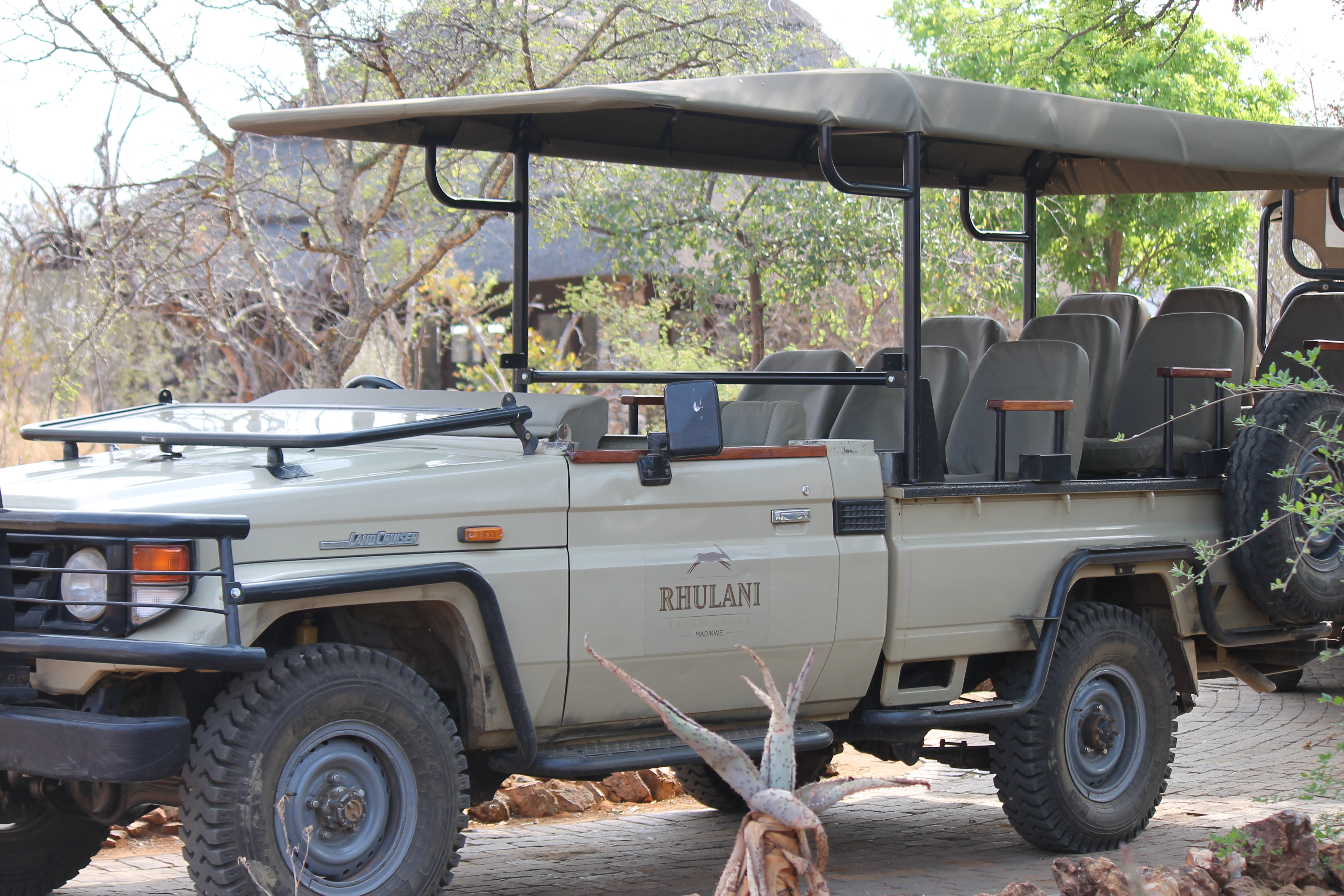
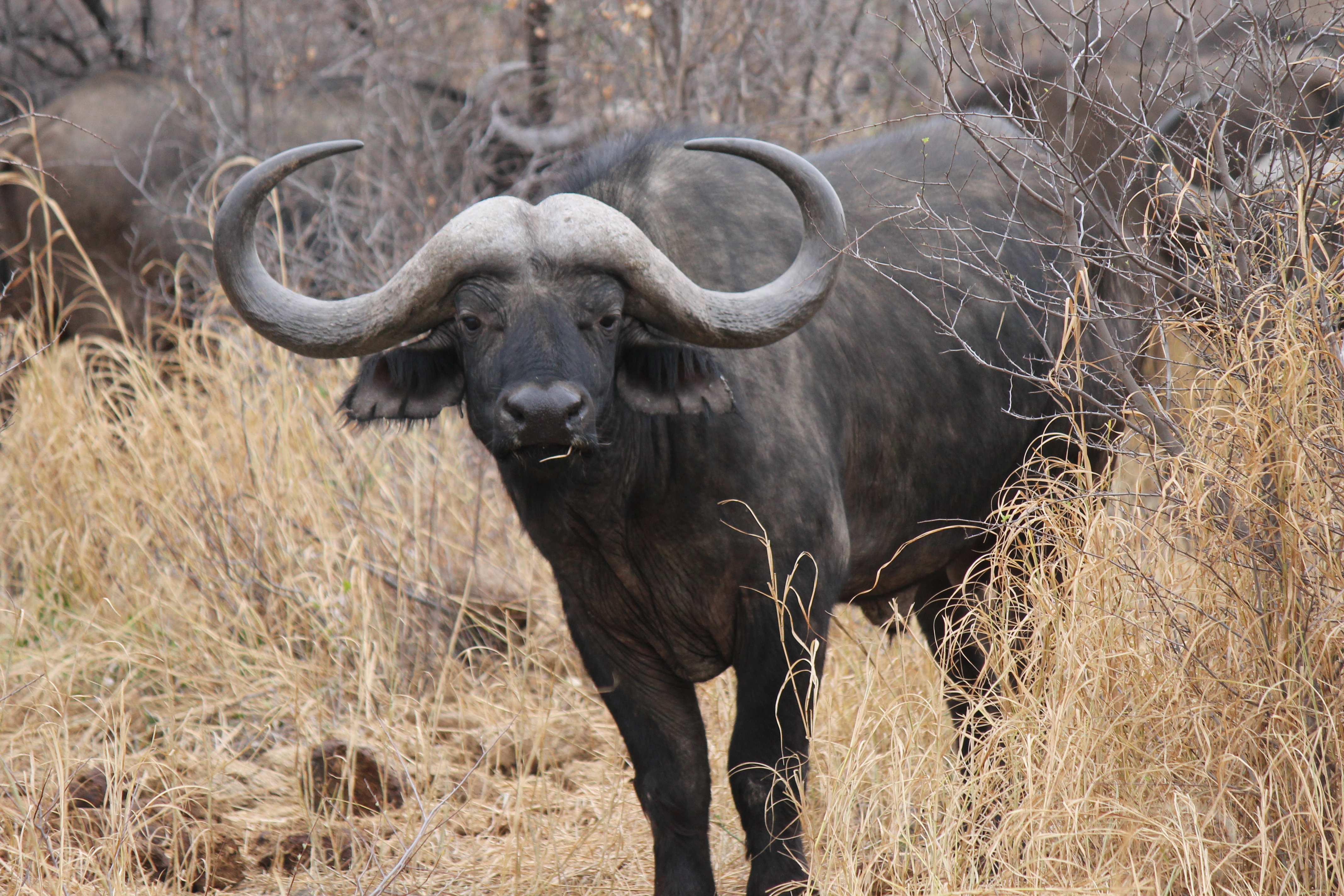
Sean was a wealth of information as we discuss the full range of Madikwe wildlife, and in the span of a couple of hours we saw elephants, zebra, a huge male giraffe, wildebeest, impala, lots of beautiful birds, and steenbok, and we drove (slowly!) into a herd of Cape buffalo who were grazing on long, dry grass. The soft swish of their movements and their gentle chewing was just sublime, with the heat, the yellow sunlight, golden grass and their quiet snorts.
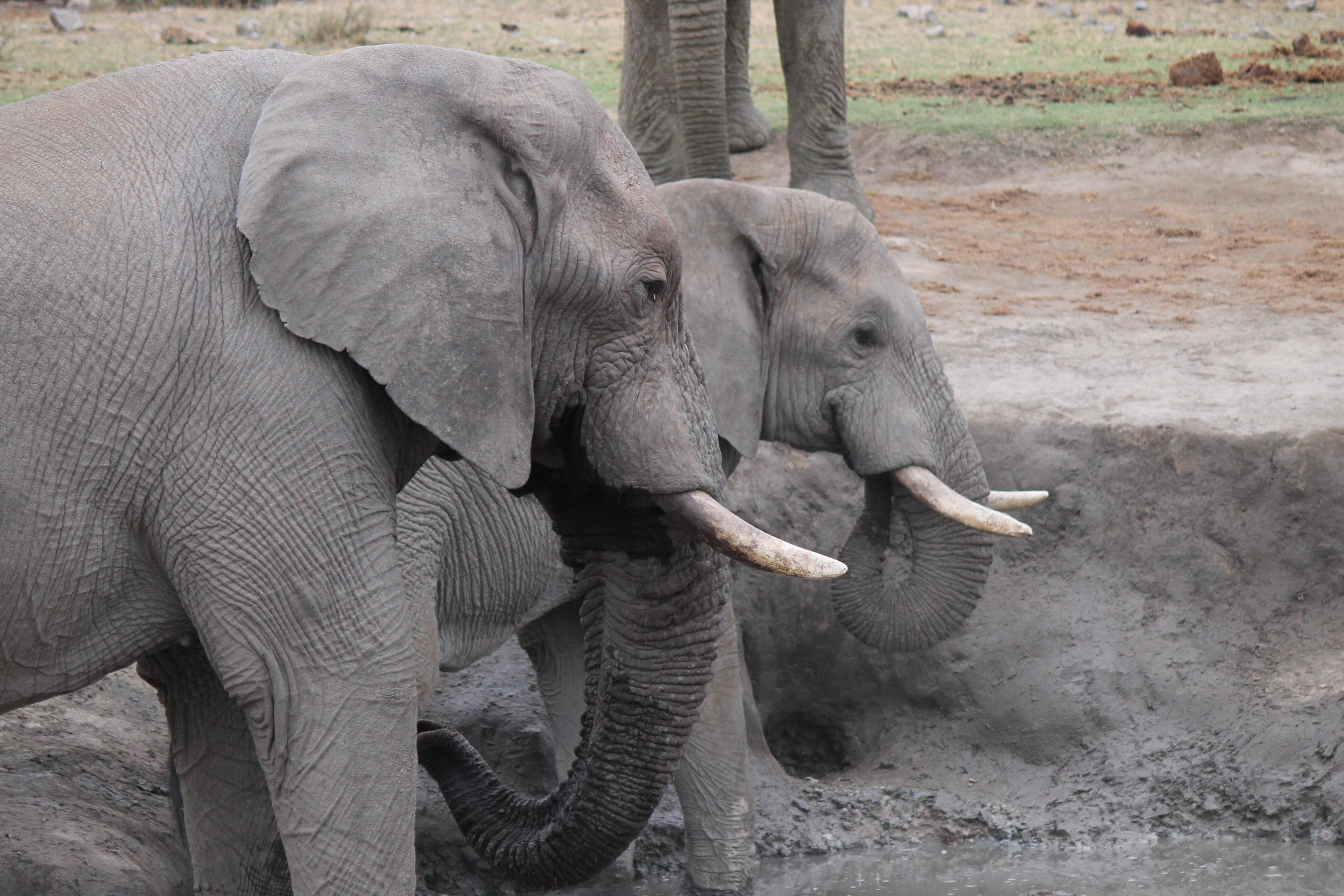
We then went to a watering hole where seven elephants were drinking. They were young males, and they had churned the shallow water into mud, so one of them carved out a hole in the bottom of the bank until he reached fresh water. They were taking turns slurping it up their trunks like they were using a straw. What a comical sound!
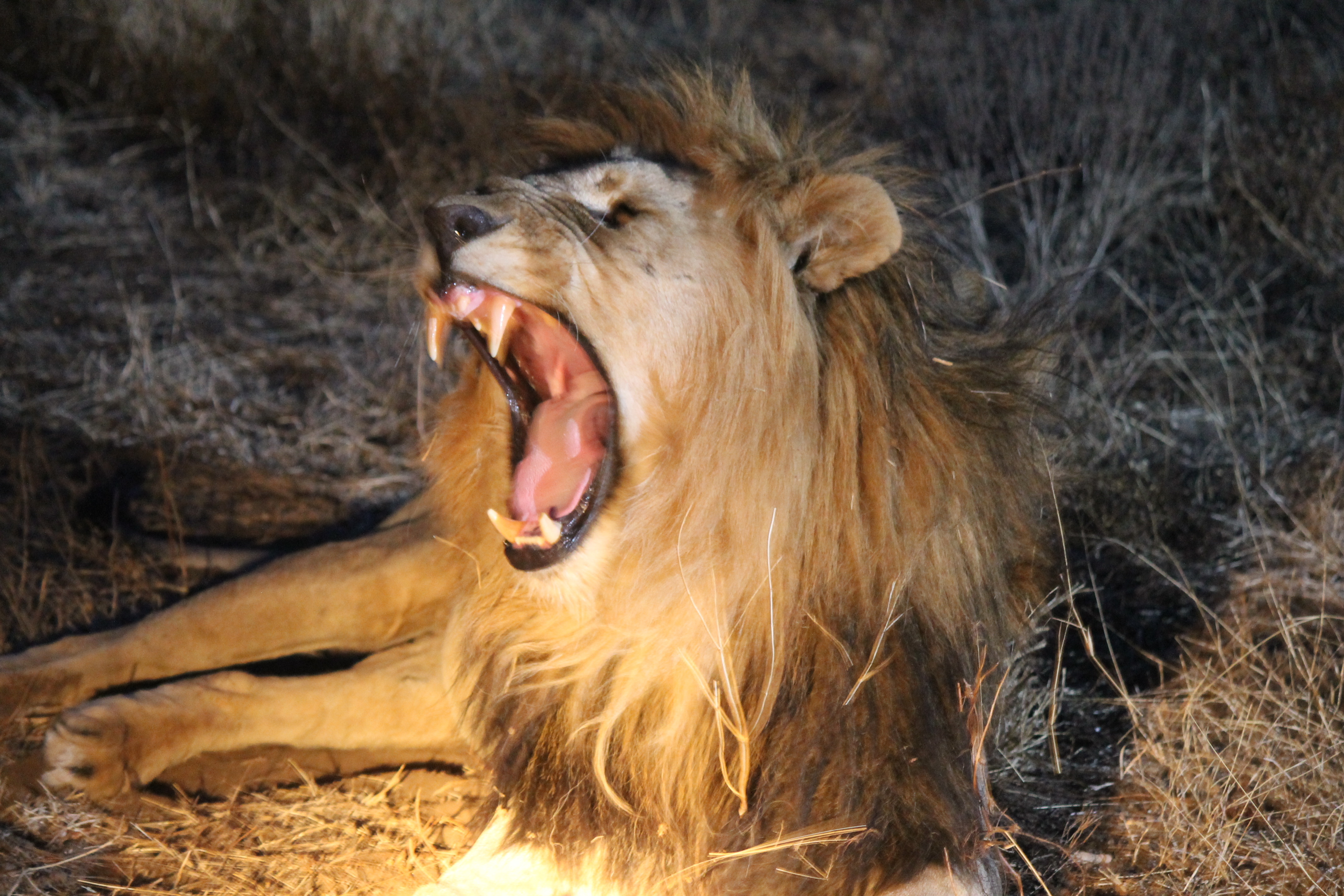
A male lion had been spotted at the watering hole before the elephants arrived, so Sean decided we’d track him down. We tracked him for an hour, with Sean catching sight of the lion but then losing him when he flopped down in the long grass. As the sky darkened we were rewarded with a full-throated roar. We didn’t so much hear the roar as feel it, a full bass growl that registered in our solar plexus’. With that, Sean took the vehicle through thorn scrub and long grass until he spotted the lion on the other side of a gulley. The lion roared again and when we found him Sean pulled up right next to him, which startled us a bit. Quite a bit, actually.
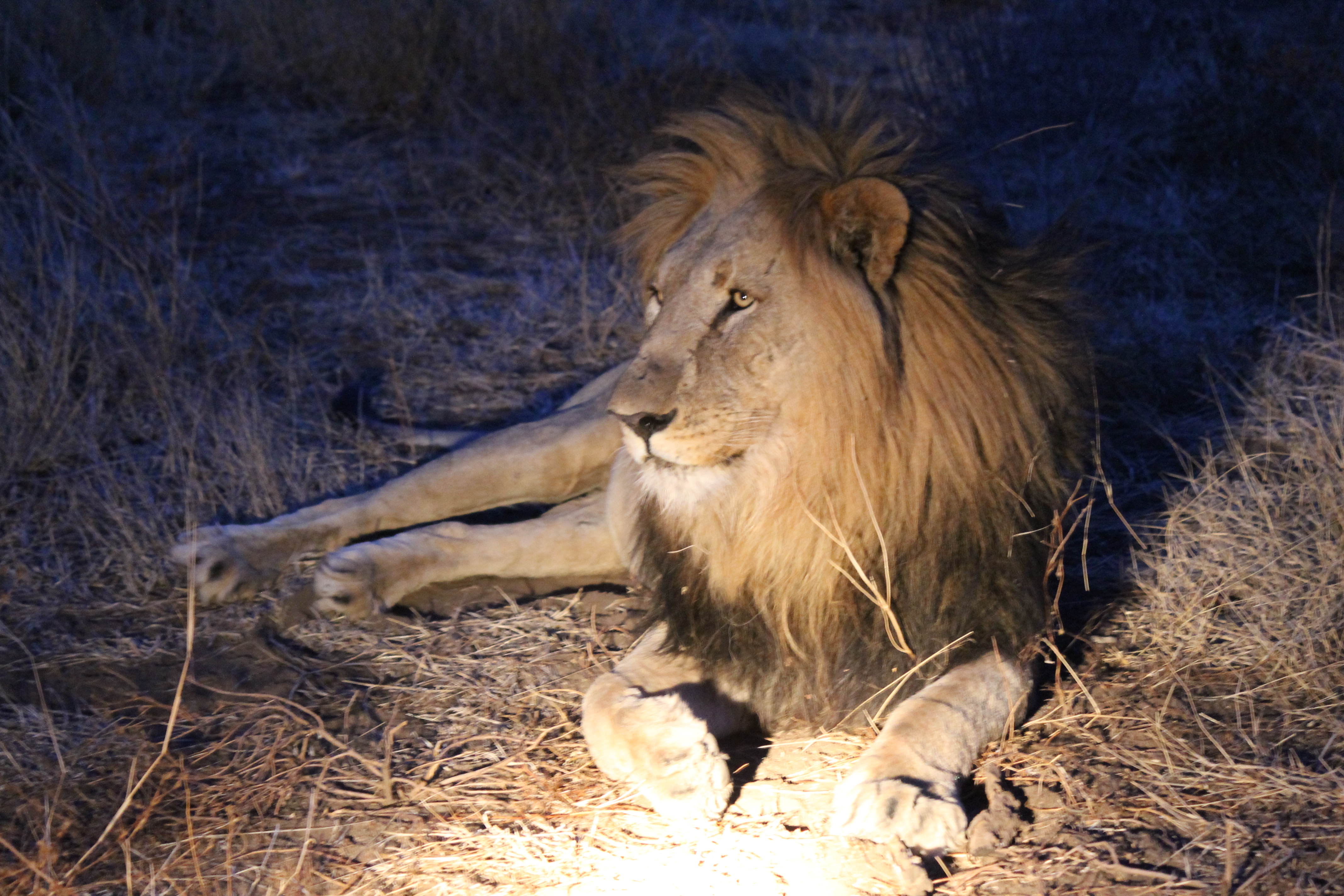
But the lion had been in the park with his mother since he was a cub, so he was fine with us nearby. As he lay there he gave two gigantic yawns and we had a marvelous view of his extremely impressive teeth!
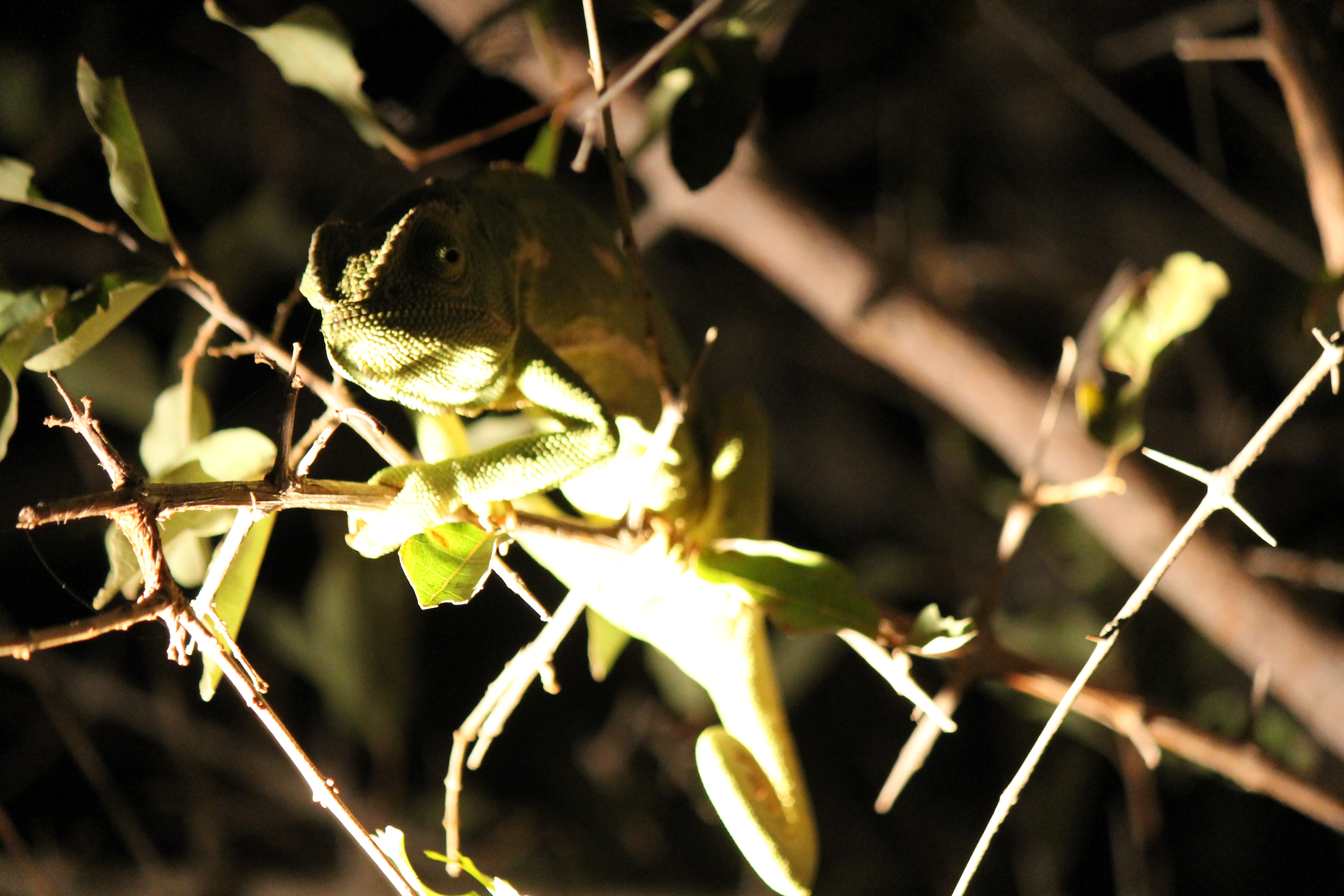
We ended the evening there, but still saw lots of animals on our way back to Rhulani, including a big chameleon in a tree, which Sean called “the laziest animal I’ve ever seen” because it had been on that branch for a week.
Dinner that night was chilled salmon appetizer, Eland steak for Simon and duck breast for me, mashed potato and baby carrots and zucchini, with a tiny poached pear with cream cheese for dessert. Gaborone was only 15 miles away, and we were treated to the superb sight of a lightning storm over the city, bringing pula, the blessing of rain, to a place we now loved.

After dinner we returned to our villa with the safety of a guide, since there were wild dogs in our compound that night. The next morning’s alarm call came all too soon, and by 5:30am we were showered and ready to go. We had a quick snack of rusks, coffee and tea before setting off into the chilly darkness, but we were dressed for it, and our Jeep had warm blankets to offset the cold.

Sean decided we would track three male lions who had been hanging out along the reserve’s Southern fence. He spotted their tracks fairly easily, as it had rained the night before, but he kept saying, “They’re going this way. Now they’re going the opposite direction…” over and over, for nearly 2 hours. We covered a lot of ground, but finally gave up. We did see a huge male rhino during that time, who didn’t like us very much as we were a terrible distraction from the job at hand. He was on the scent of a female, so he loped off quickly.

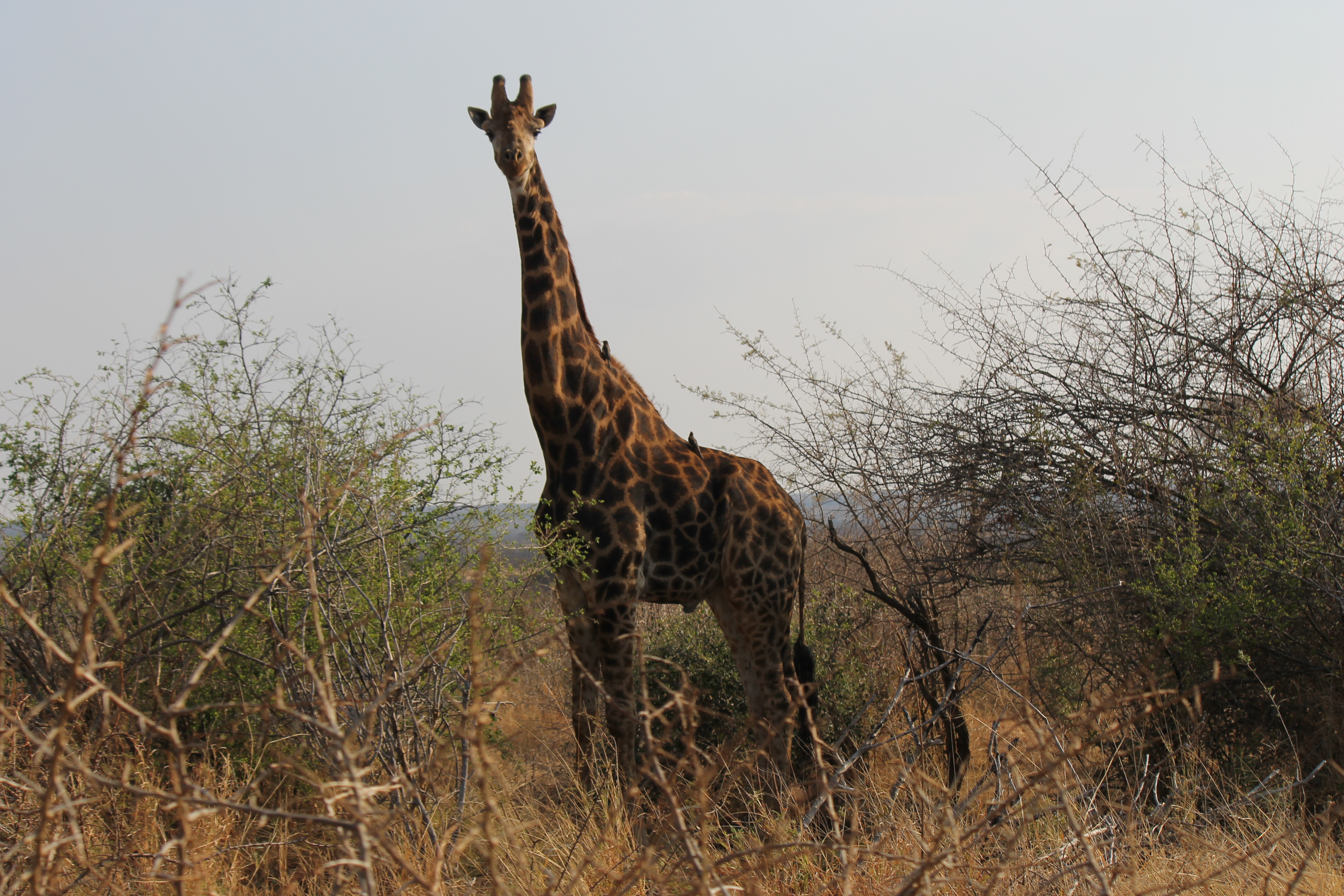
We headed down a track where we came upon a giraffe with its head up, not eating. Susan asked Sean if it was looking at us, or at something else, and he said he thought it was looking at something else. Then we heard the most unusual sound, as if someone’s stomach had rumbled at the same time as a lion roared miles away. Sean brightened right up and said, “That’s baby lions!”

He followed their little roarings, and we found a mama lion with four young cubs. The babies were pestering mama for milk to go with the wildebeest she had killed and stashed beneath the tree they were lounging under. When we came upon her she immediately stood up and began to growl at us in a very clear warning. There was absolutely no mistaking her intent, and no mistaking the look of a mother who’s worn out with her babies’ constant demands. Plus, she had blood all over her front from the wildebeest, so we immediately took the hints.

Sean tried to pull away going forward, but she was having none of it. She kept up her angry stance until he backed the truck up and made a wide circle around her. She settled in and nursed her cubs, and from then on she was fine. Another mama and her two older cubs just sat there and watched the drama unfold.
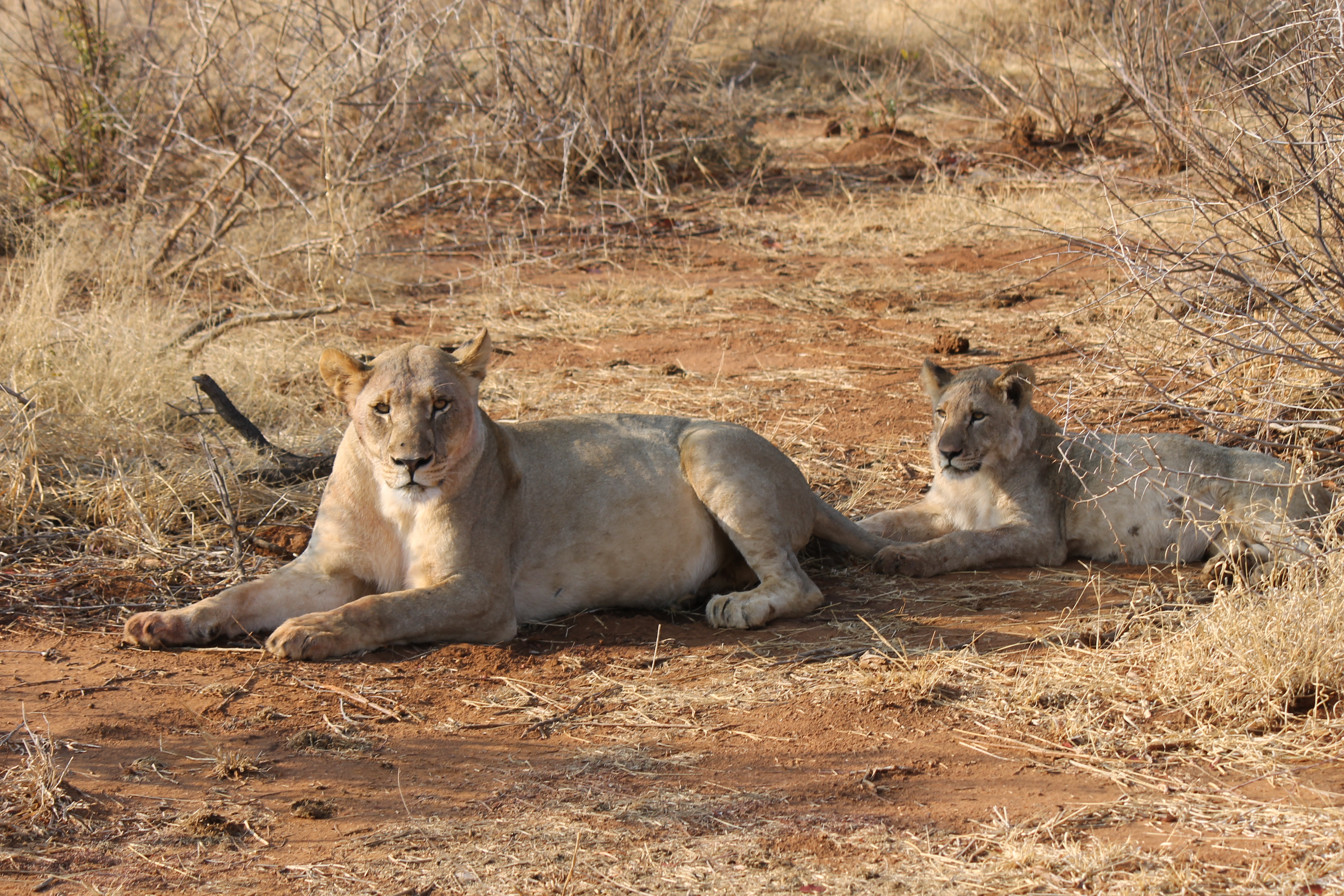
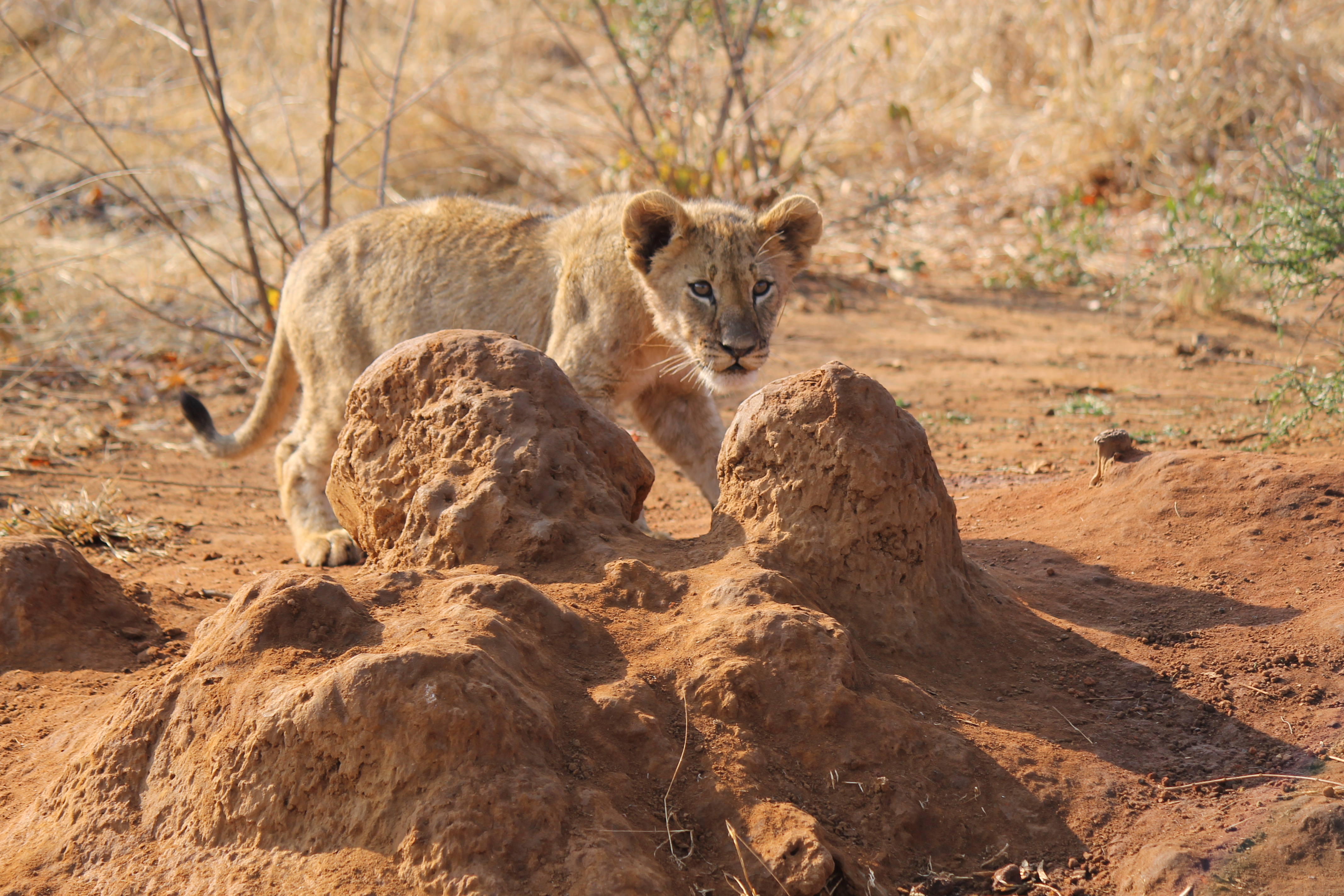
When the babies had been fed they lay down with mama nearby, but one cub got up and ambled our way. When he saw our vehicle he stopped in his tracks, trying to hide behind a termite mound. Sean said he would take his cue from the other lions, and when they showed no reaction the cub knew it was safe. He was so cute and furry, with an obvious personality of his own. What a special thing to see! It made our whole day.
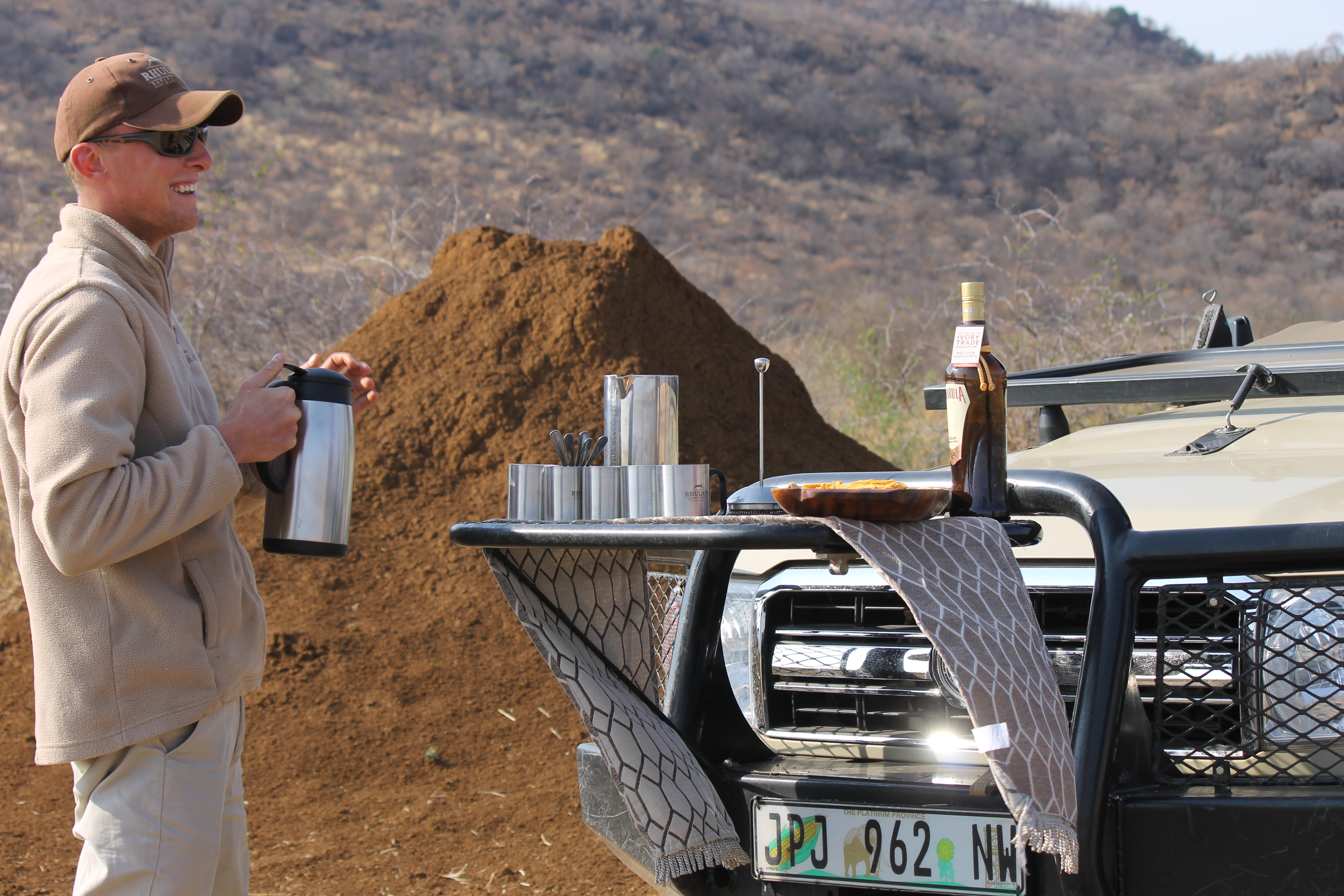
We drove off after a while, spotting troops of baboons as we went, until Sean stopped to give us the drinks and snacks we’d missed out on the night before as we tracked the male lion. Sean stopped the jeep about a mile beyond one of the baboon troops and laid out rusks, dried mango, shortbread and coffee spiked with Amarula. He said he might not have been completely comfortable with the location, but baboons always posted a sentinel, and we’d hear them if lions showed up.
He also told us the female lions with cubs explained the crazy pattern he’d tracked earlier: the males were walking back and forth looking for the females, but couldn’t find them. If it wasn’t for the giraffe, and then the irritable, pestering moans of the cubs, we never would have found them either.
When the time came to head back to Rhulani for breakfast we were fully sated with African wildlife, and already talking about a return visit. Our time at Madikwe was far, far too short, but we held the purpose of our visit to Africa in mind and felt extremely grateful to Andy Taylor (and his wonderful secretary Lynda!) who made sure we didn’t miss out on this incredible gem. We rarely take time off to do something “just for us” (some people call that a “vacation”, we’re told!), and if we could only have a day or so to do it, Madikwe was an unforgettable choice.

Next blog: The Faces Of Africa

Want to see LOADS more photos of Medikwe and its animals? Check out our Into Africa album on Veness Travel Media on Facebook. We will be adding to the album as each blog goes up.
Beyond Gaborone


IMG_7279

The primary purpose of our trip was research for the book, but there were times when we had a few hours open, and we made the most of them by touring beyond Gaborone. If you’re going to a country, you ought to see the country, and that means getting out of the big city to where the rest of the people live.

The day started with Simon giving a talk to the Maru-a-Pula students about the first years of the school’s existence, and when he mentioned there was no air conditioning in the classrooms the noise in the room grew loud as the students processed that unthinkable horror. He was brilliant (Susan says!), and it was an enjoyable connection between what was and what is.

After Simon’s talk we did our second interview with the former deputy headmaster (for 24 years!), and we are now incredibly grateful to have heard his story first-hand. He passed away last week, having truly made a difference in the lives of many, many young people.

When the community service programme we had signed up for was cancelled we found ourselves with an afternoon free, and decided to drive out to Lobatse and make a big circle back to Gaborone by way of Kanye.

IMG_6941

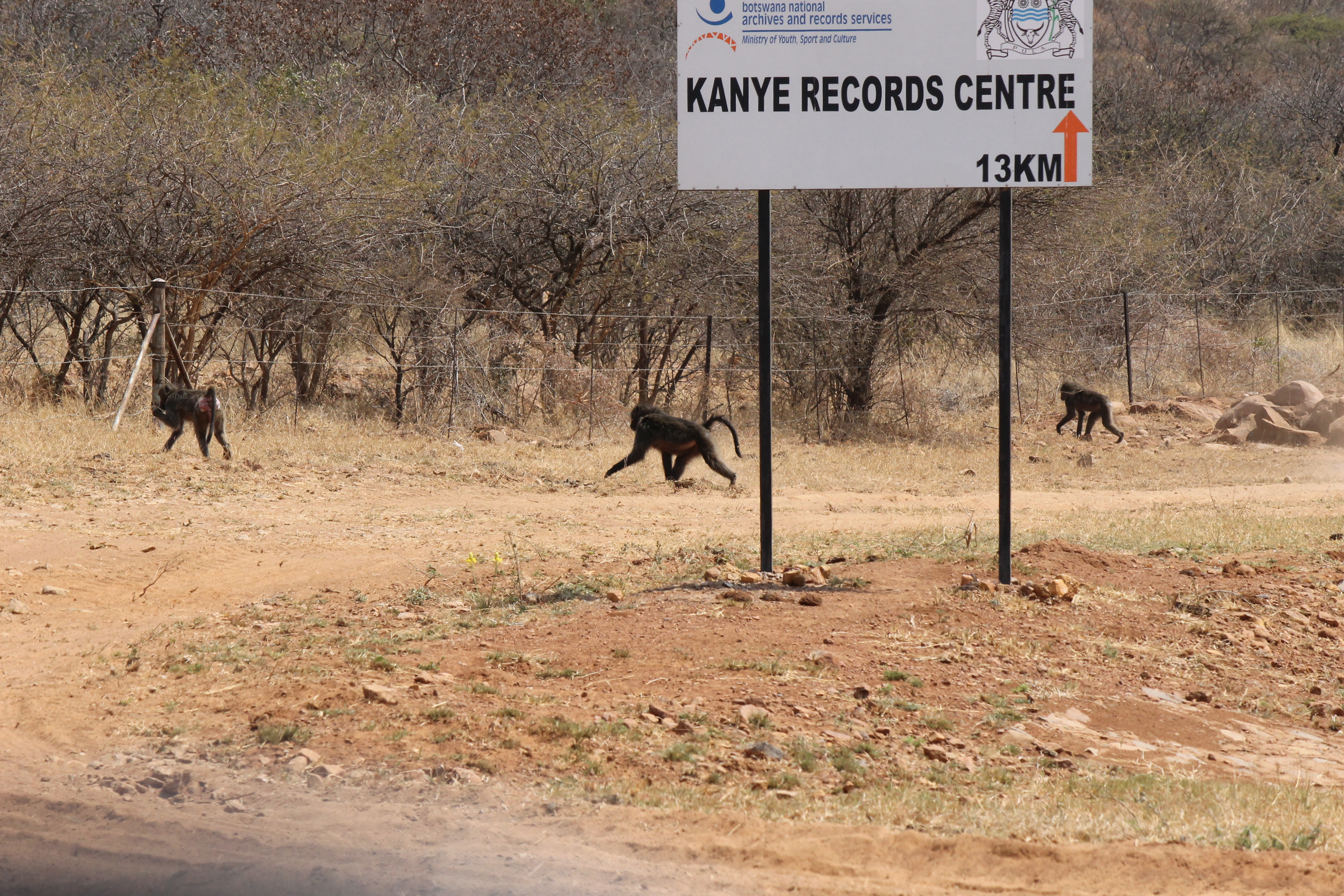
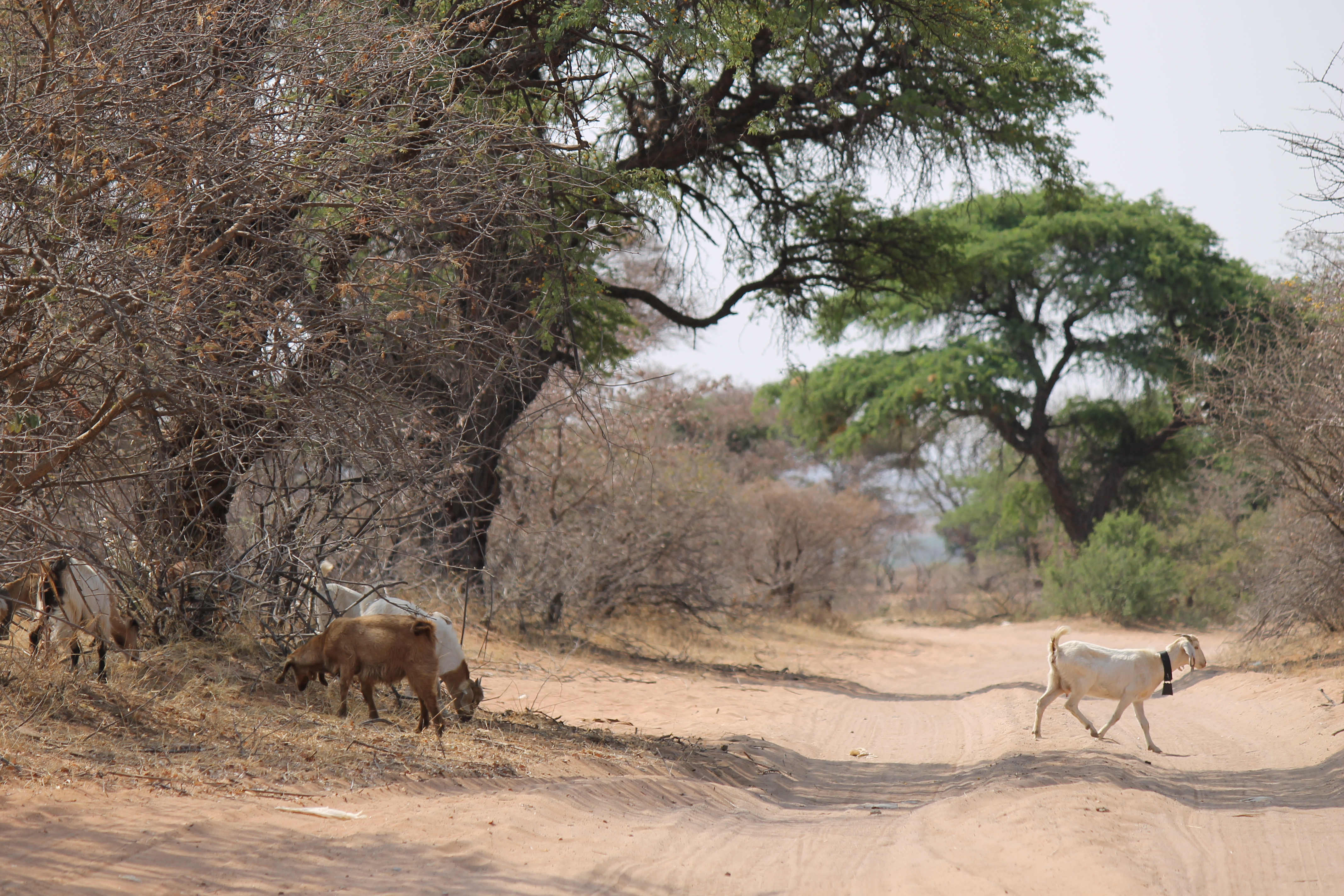
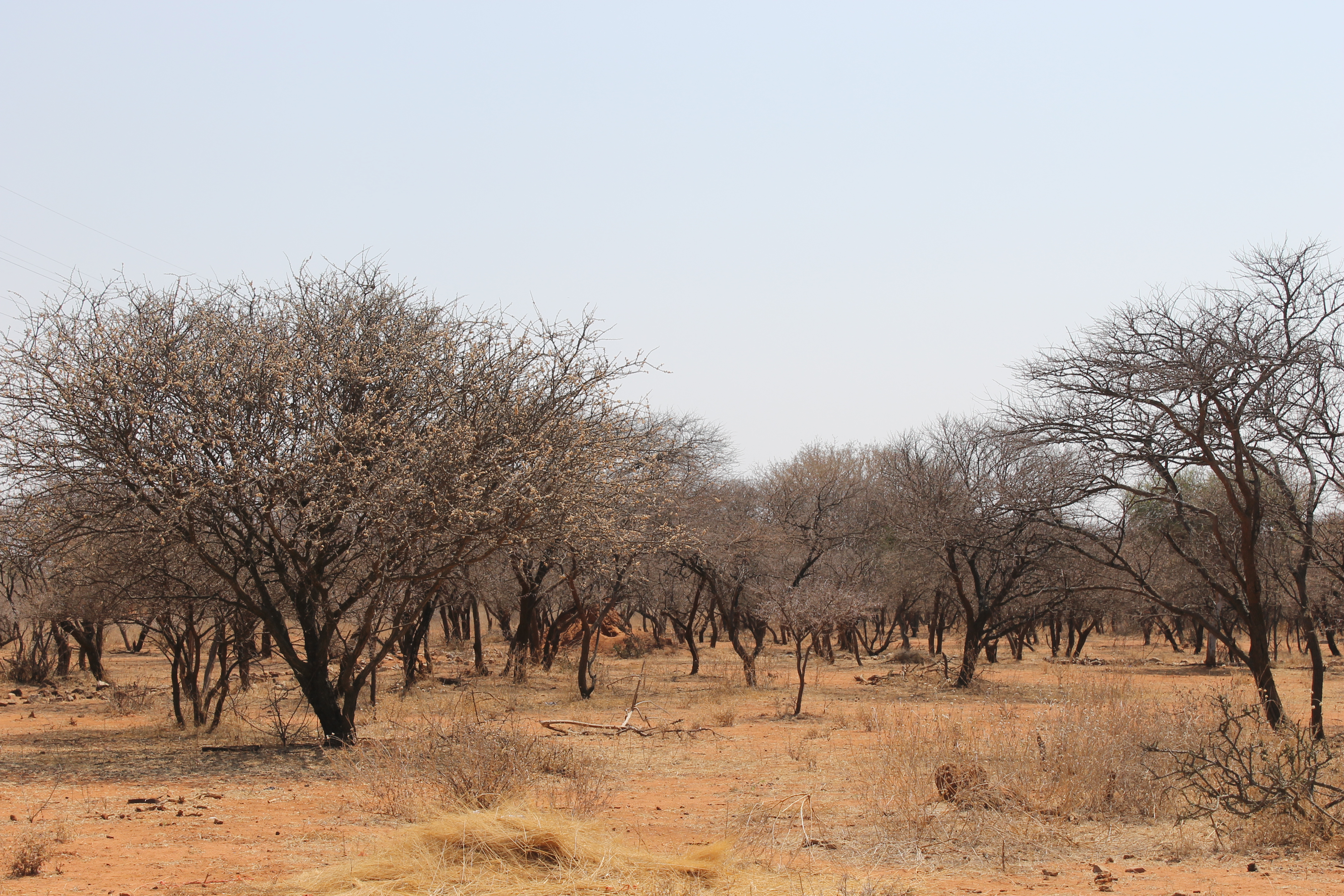
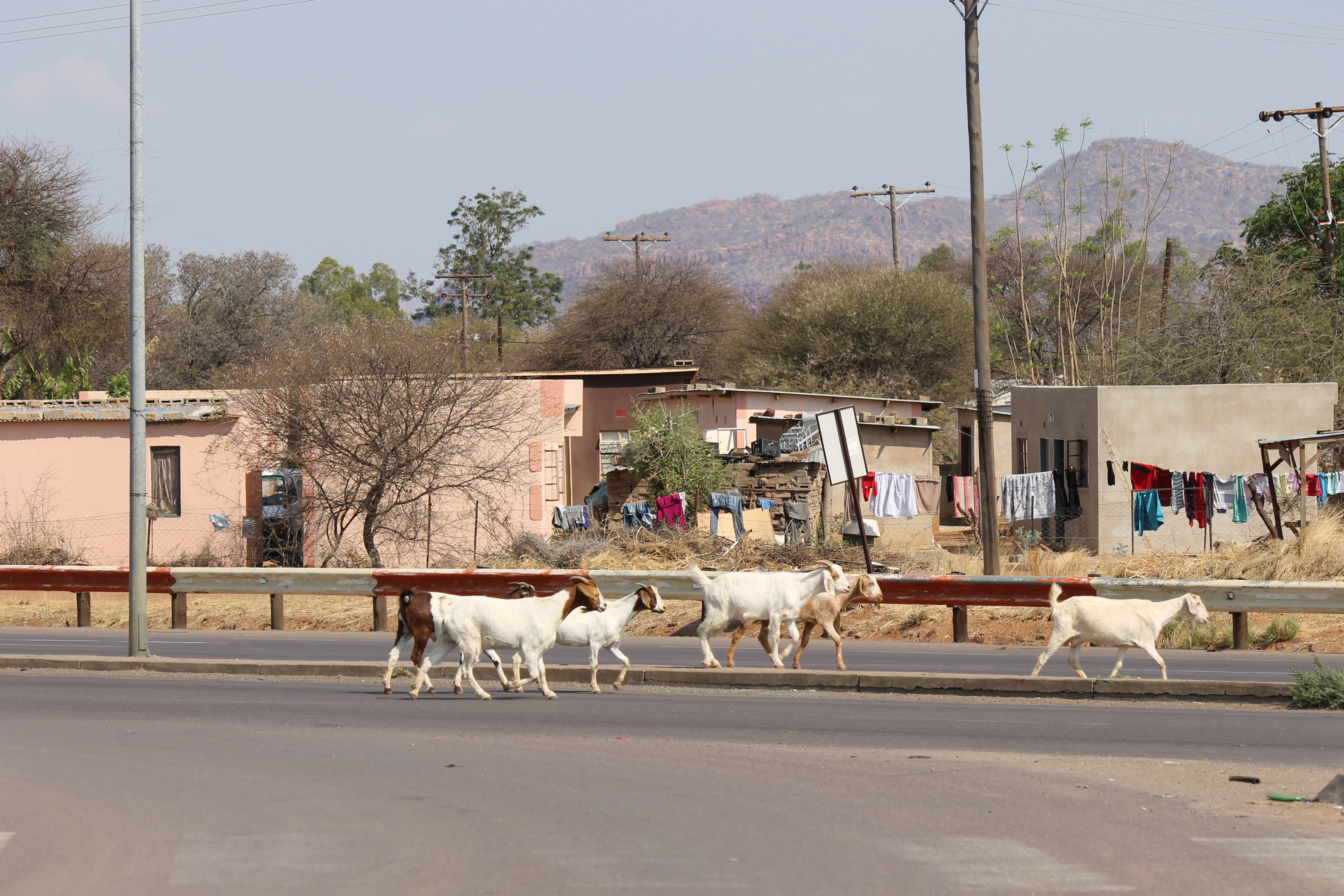
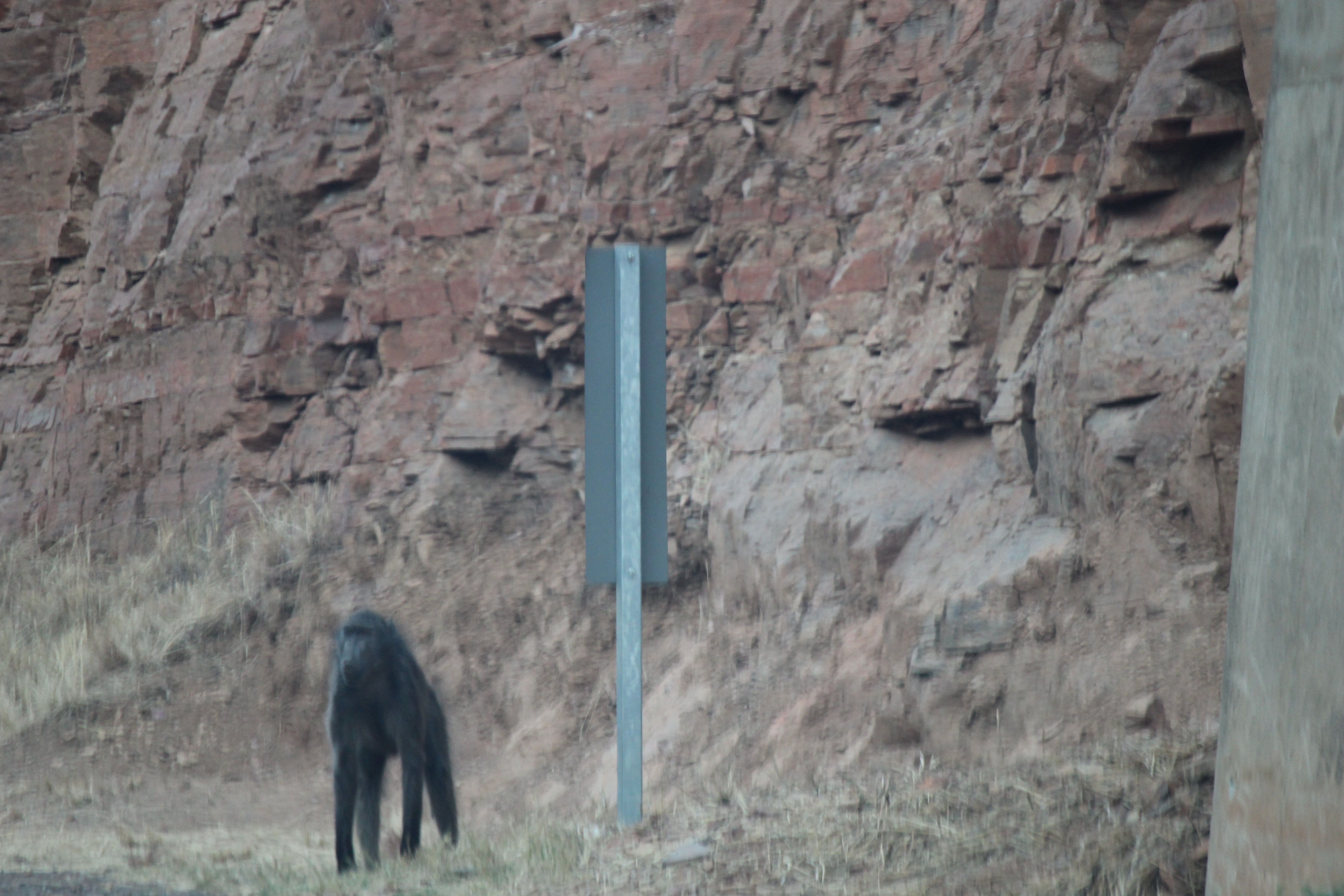
Botswana’s flat, open expanses again captured our hearts (a Symphony in Brown, we called it, from the lightest, palest brown to the deep red-browns and even rose-brown of the soil in some places) and we enjoyed the wonderfully sharp and distinctive style of the countryside, a harsh but empathetic vista that rolled on for mile after mile, broken in irregular fashion by hills and kopjes—plus the occasional baboon sighting along with the usual roadside mixture of goats, cows and donkeys.

IMG_6993

It was a subtle and demanding landscape, but timeless and soothing, like there was some essential, innate connection. It also remained painfully arid, with next to no water. How the goats and cows eked out an existence on so little sustenance was a minor miracle.

IMG_6674

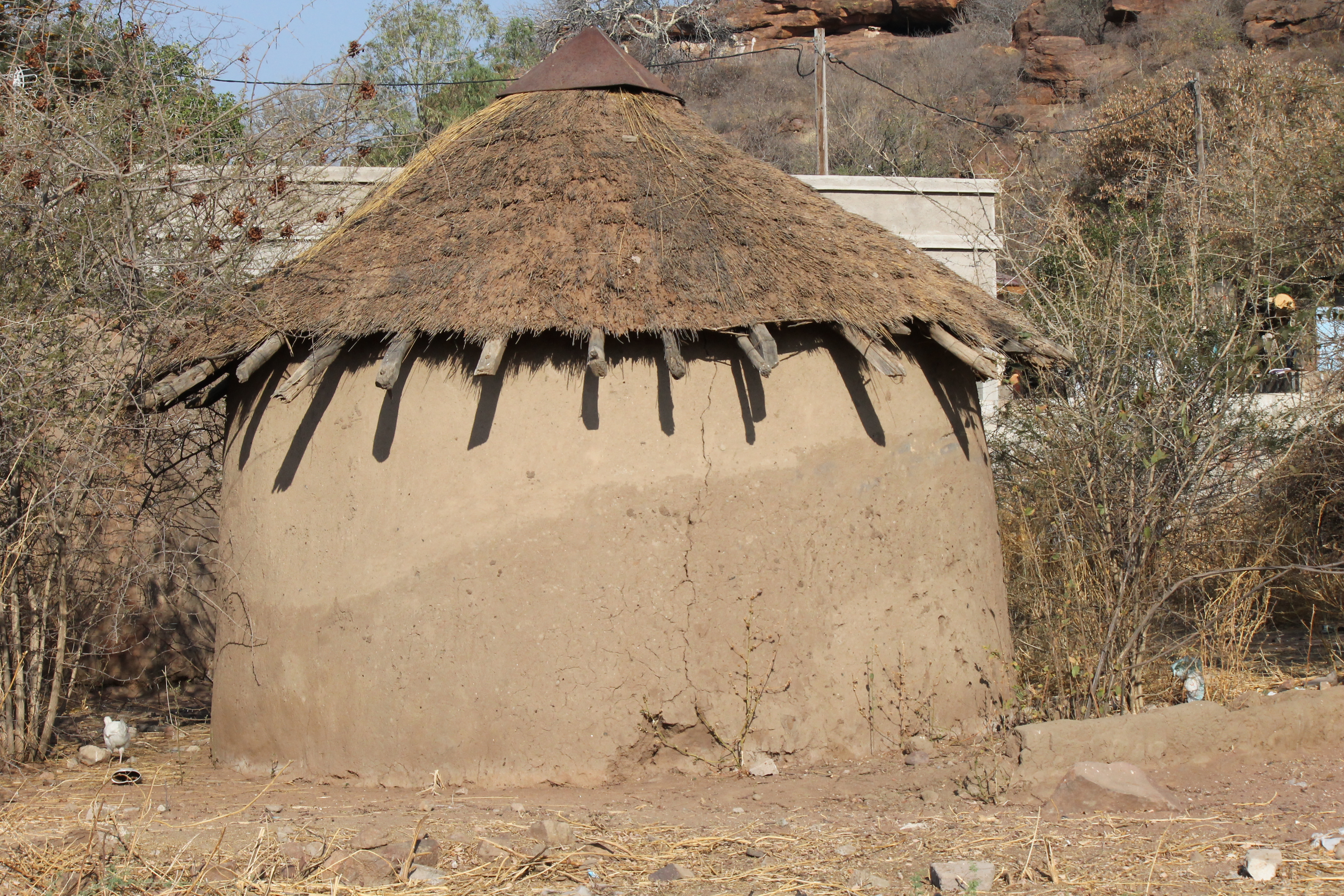
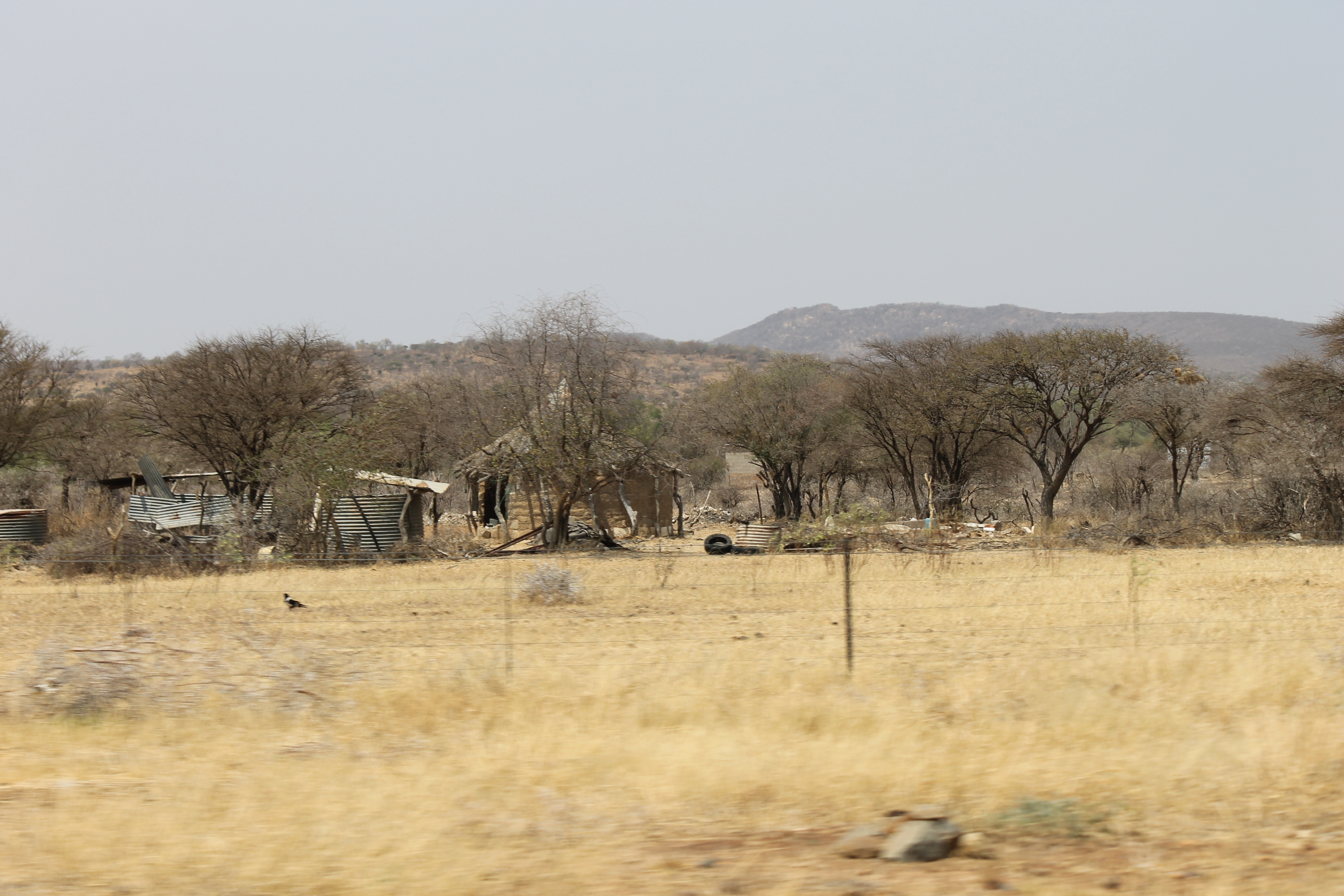
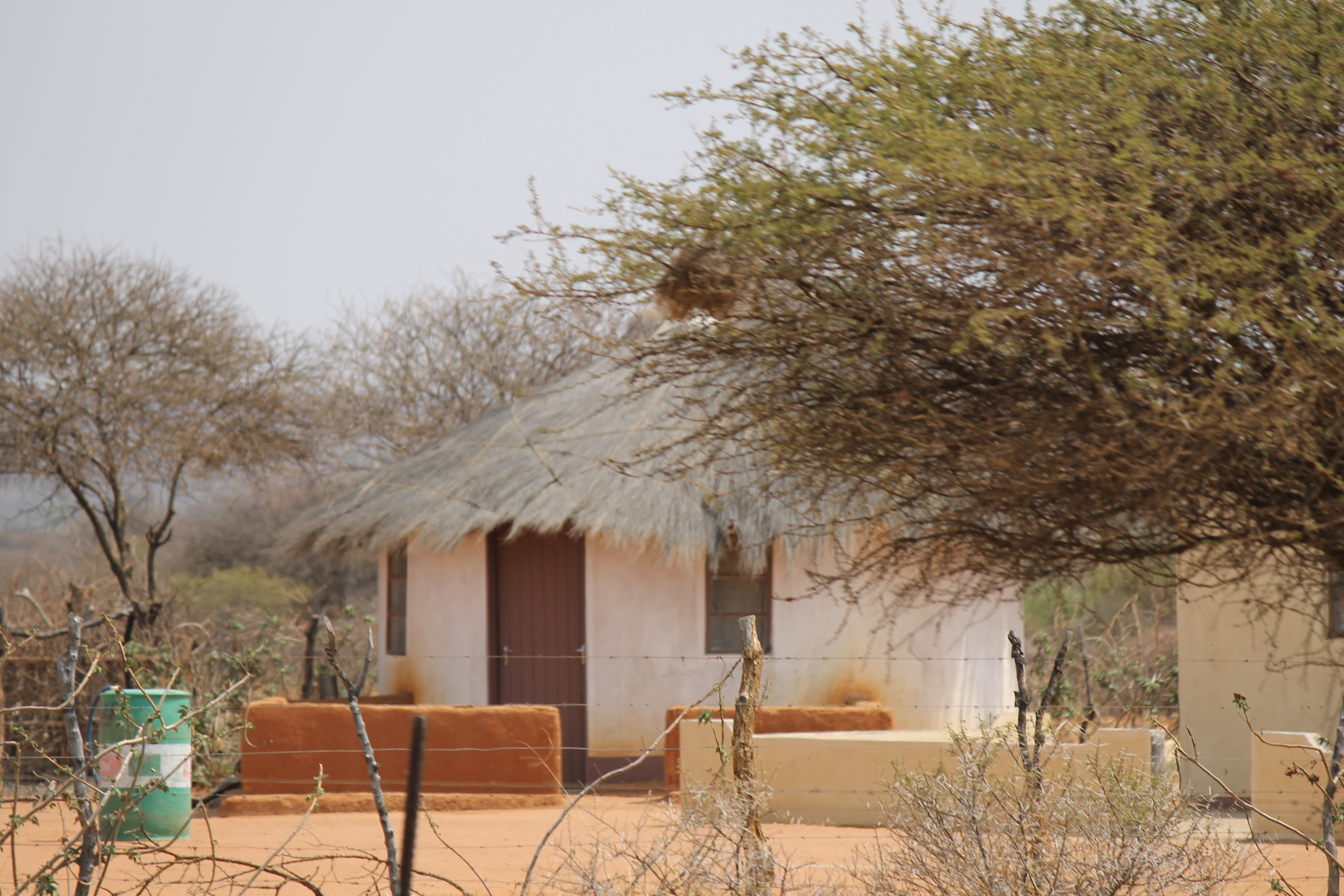
As we drove through the most rural areas, Susan often thought she was seeing someone’s abandoned garden shed, when in reality it was their house. Some of the small villages we passed included homes made entirely from corrugated metal, and some covered only in tattered tarp and filthy cloth. It was hard to believe people lived in them, but their owners were often sitting outside on a chair next to the front door.

IMG_6916

When we reached Lobatse it felt like we had stepped back in time by some 40 years. Nothing about the town center seemed to have changed from what Simon recalled of family trips there in the 1970s, and it still had a small-town vibe, with barely a hint of modernity to be seen. There was nothing to stop for, especially on a Sunday when half the stores were closed and the other half had a drab, downbeat feel, so we drove on toward Kanye, another of Botswana’s original old towns, and mile after mile provided both mystery and drama. Would another goat stray onto the road? Would another reckless driver end up in a ditch? Would there be an end to the grinding poverty that is a constant companion of rural Botswana?

IMG_6935

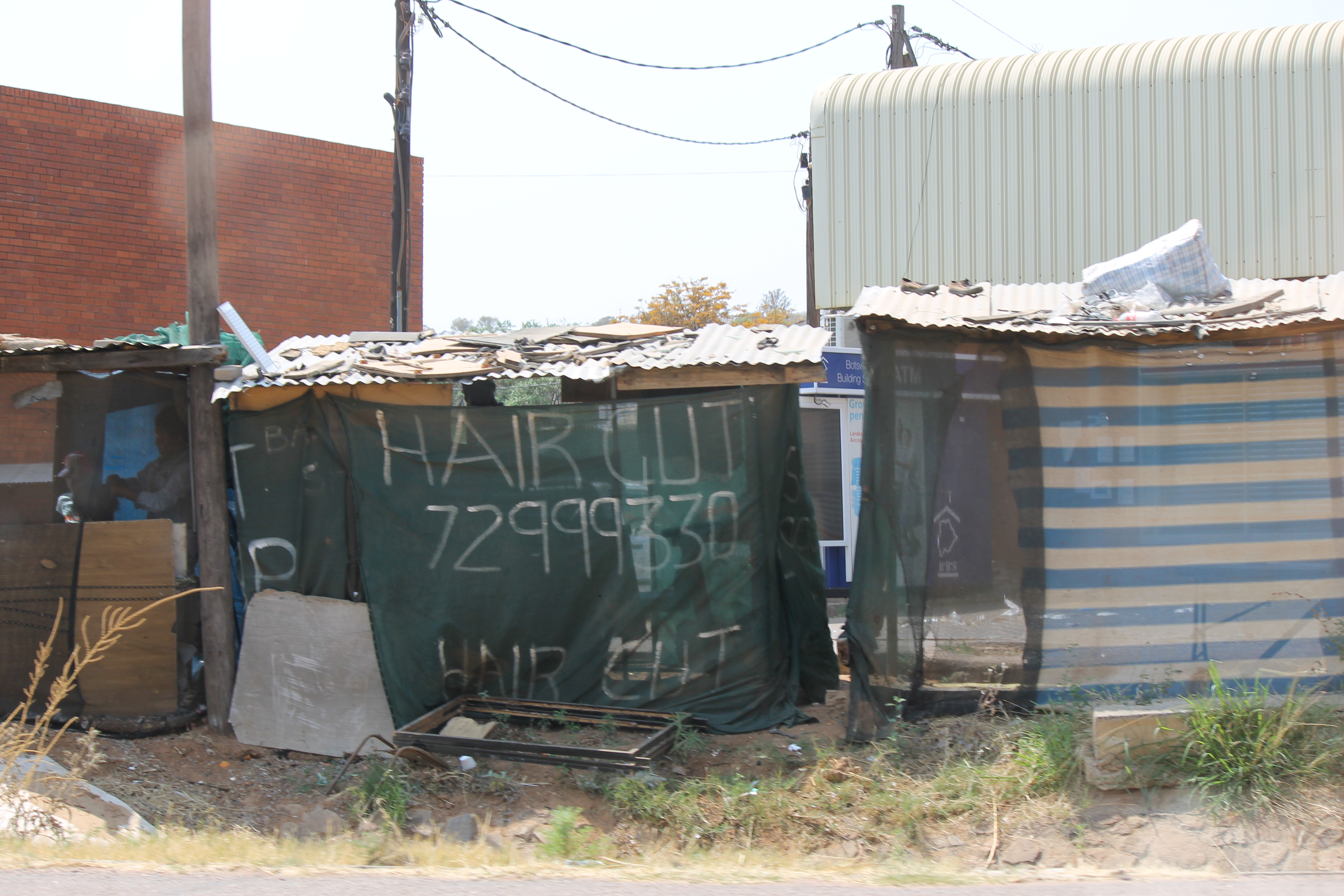
Kanye was livelier in its appearance of moving forward.  “Kiosks” selling fruit or candy, or offering services like car washes, haircuts, or shoe repair, lined the street, and there was a general air of bustle and purpose.

IMG_6976

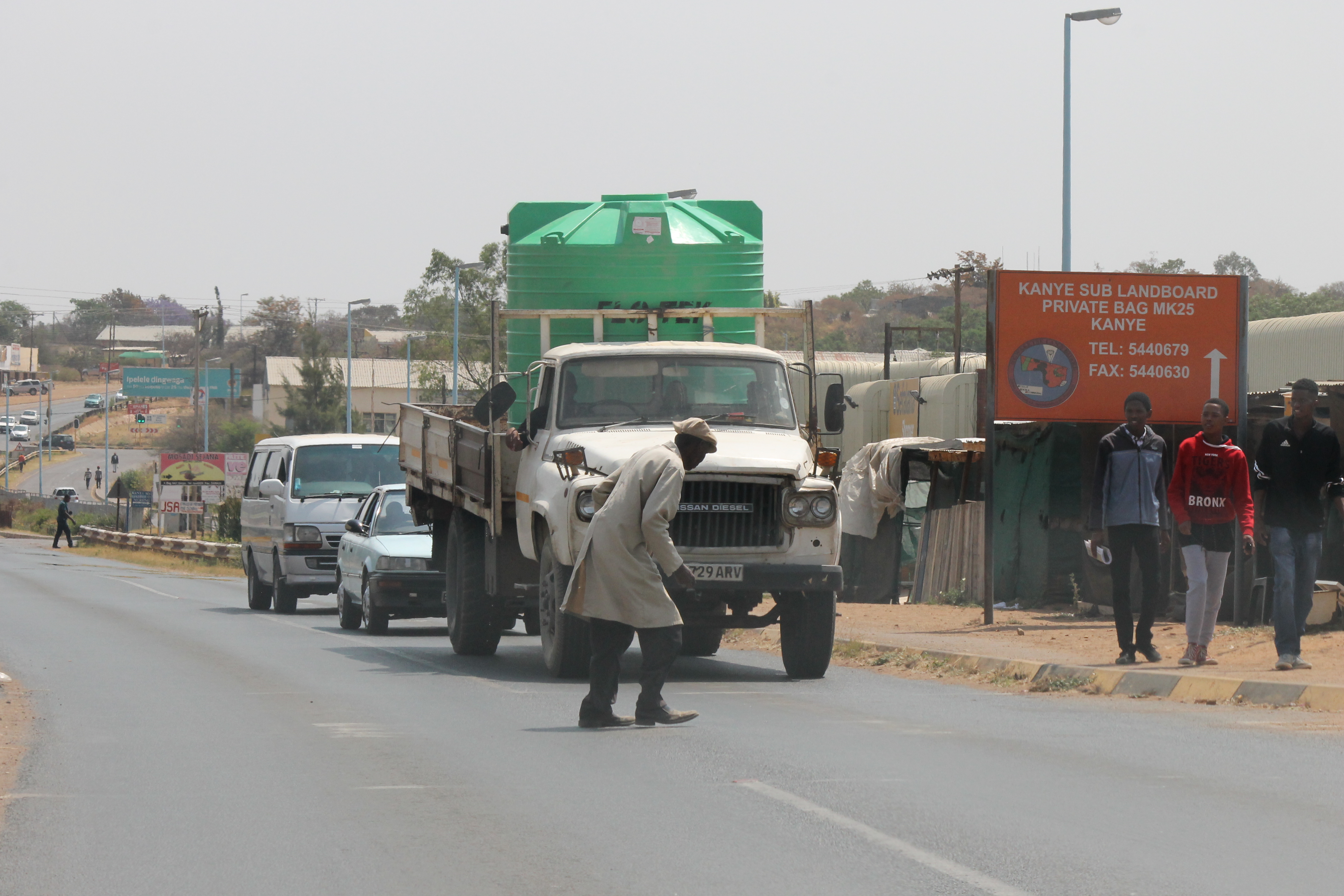
Driving along the main street we saw an older man wearing a trench coat, who had dropped some coins in the road. When he bent to pick them up a small truck had to screech violently to a stop to avoid hitting him. We then realized he was dropping coins from his pocket every time he bent over, and his actions were futile until two teenaged boys came to help him. All we had thought of was how insane it was to drive here, and how we never knew what might happen. For the old man, picking up the money wasn’t an act of stupidity. He looked like those coins were nearly all he had in the world.

IMG_6948

The road from Kanye back to Gaborone went past Gabane, which suddenly seemed built-up after so much open land. There was still a tremendous amount of poverty—and a billion goats—but there were also a decent number of much better homes.

On the way back to MaP we saw a big billboard reflective of the three-year drought Botswana has been enduring, that read: “If it’s yellow let it mellow. If it’s brown flush it down. Only flush when it’s necessary.” It became our go-to refrain when confronted with the cultural frustrations of scheduling we were encountering; everyone loves to say “Yes!” to a get-together (in our case, and interview), but absolutely cannot commit to a date or a time. So…we had to let it mellow until the time came when we absolutely had to flush it down.

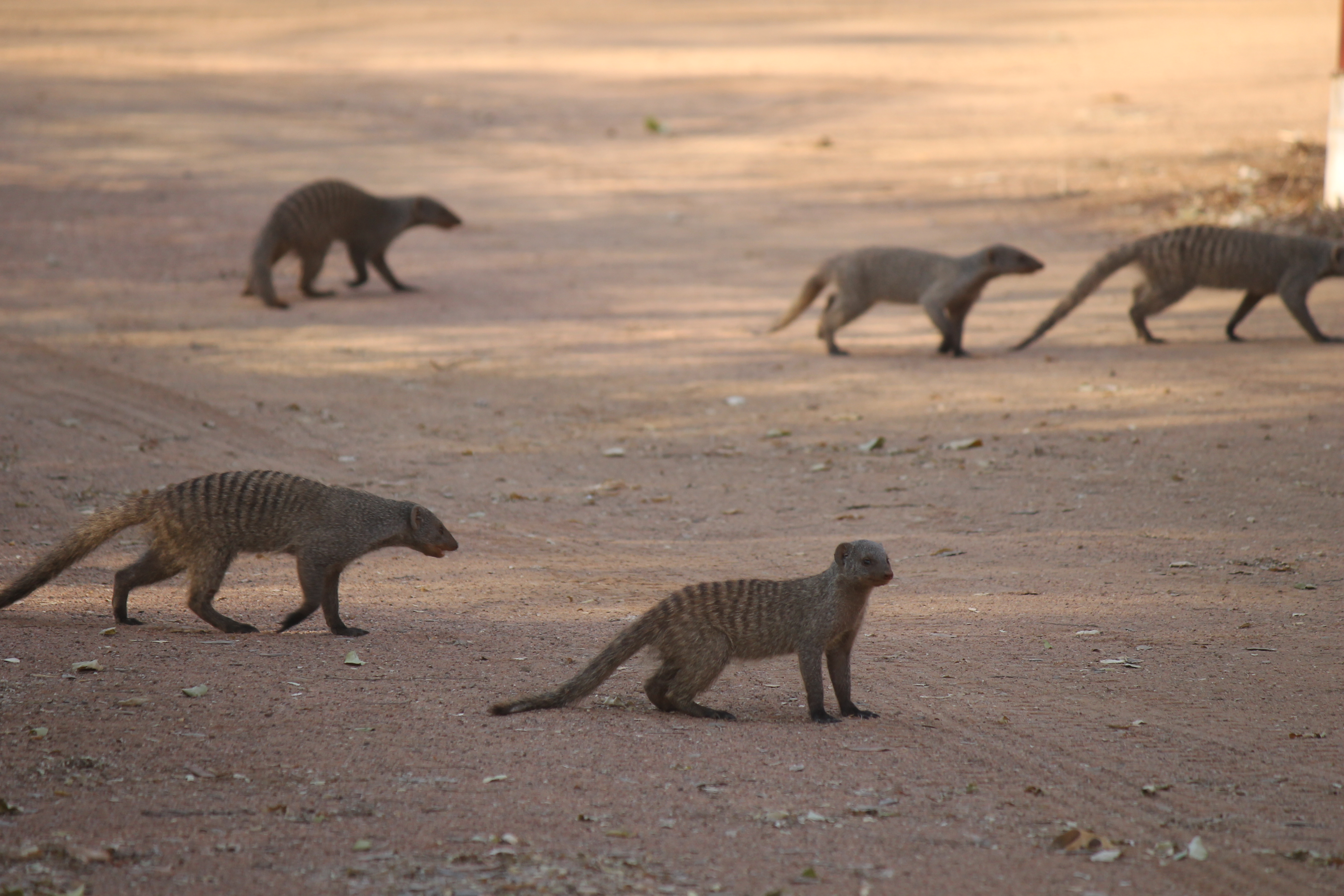
We’re not going to show you a picture of that. Instead, here are some banded mongoose (mongeese? Mongi?)

IMG_6645

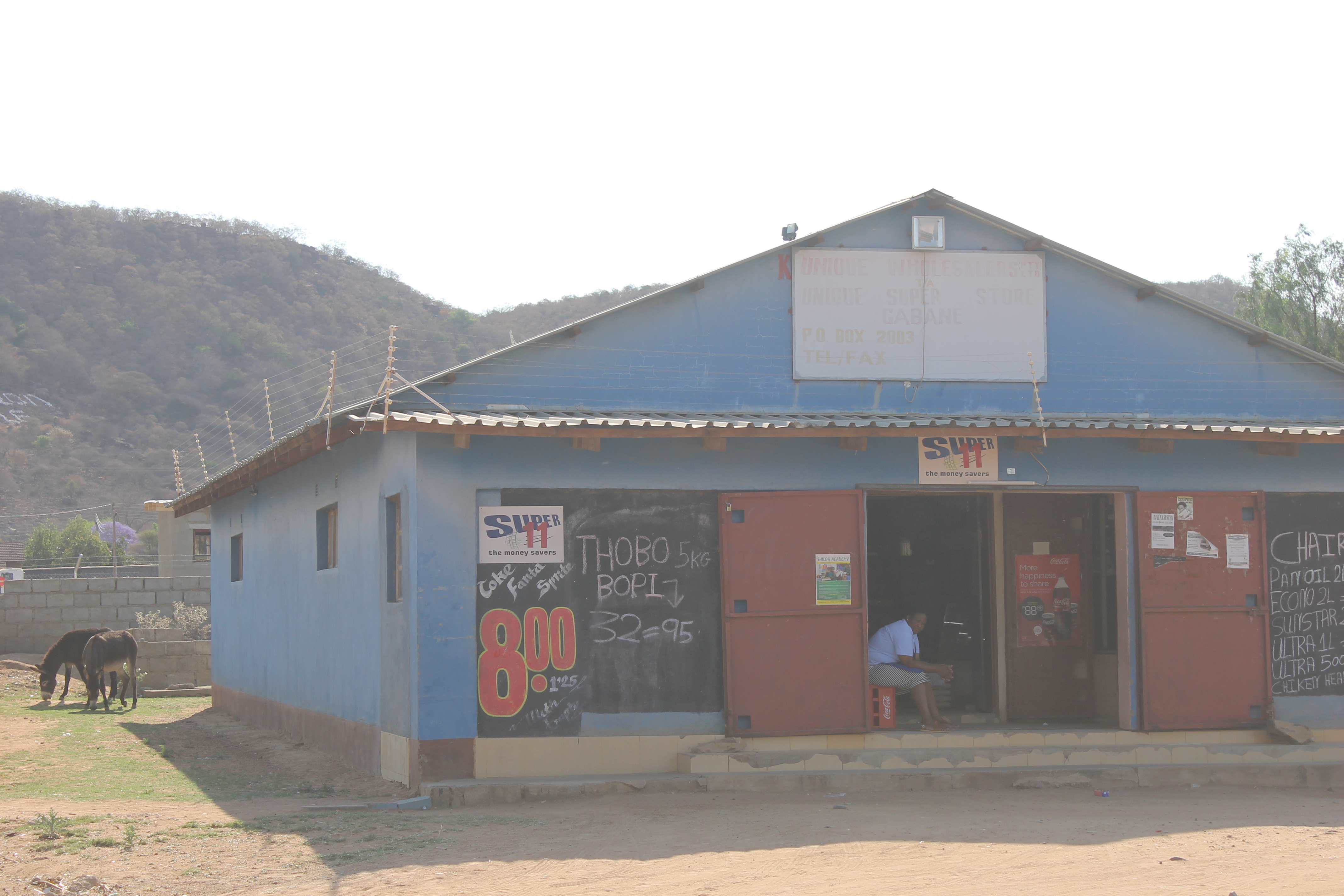
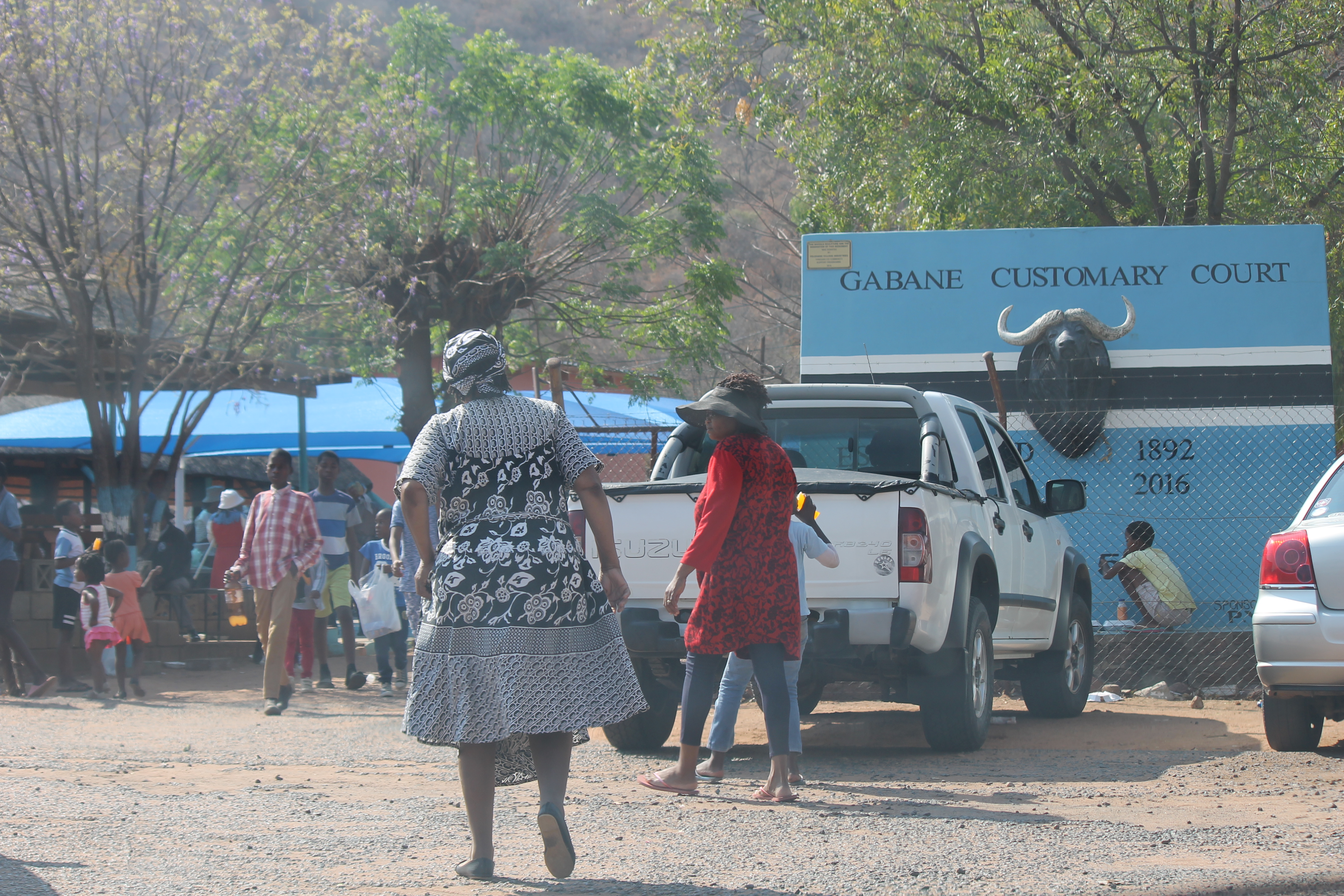
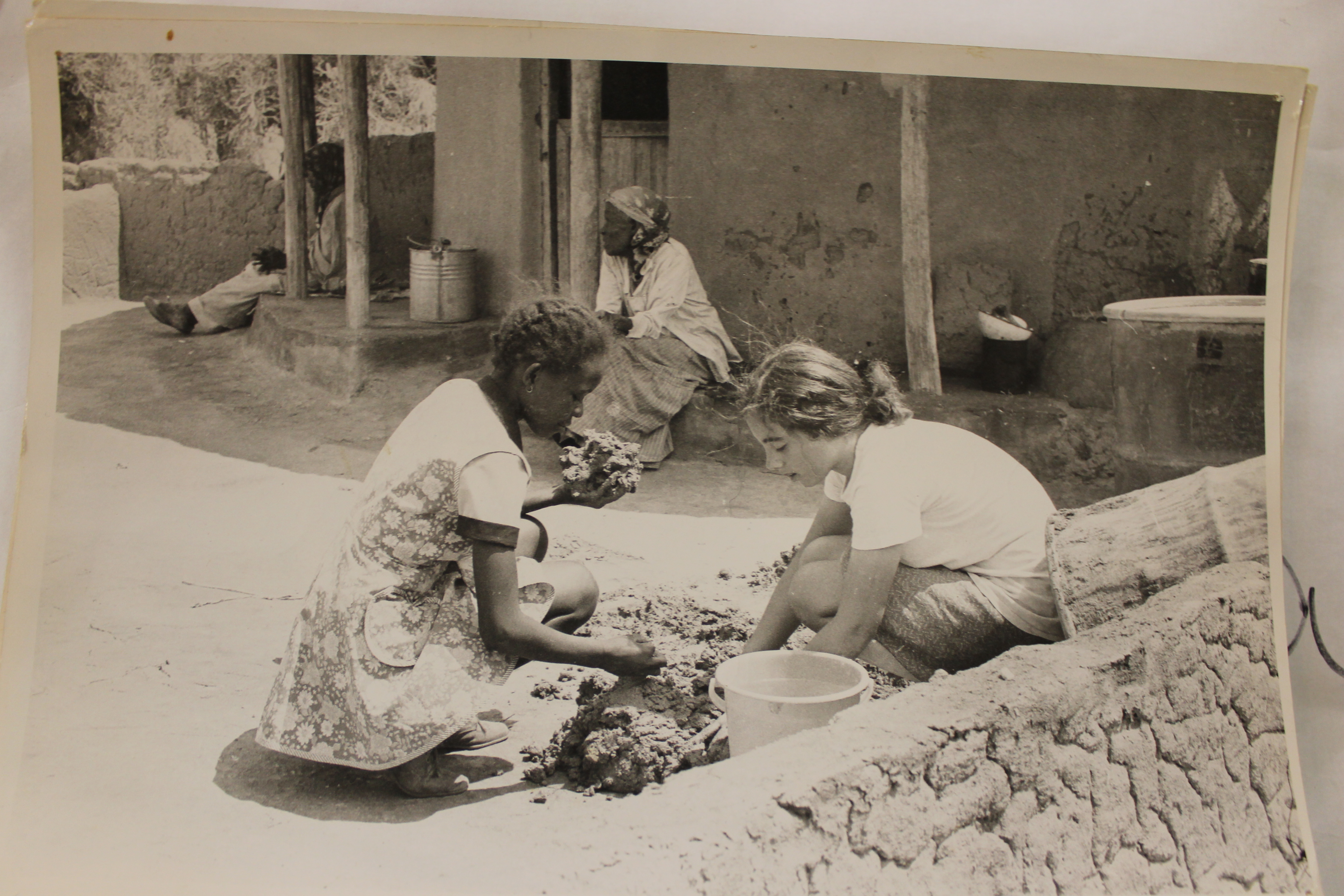
The next day we drove out to Gabane’s Customary Court (in traditional terms, the Kgotla) to meet with Kgosi Alfred Pule, the village chief. He spoke to us about the importance of MaP’s involvement in the village over the years, then he showed us around (you’ll remember it from our last blog about Botswana’s Independence Day). Kgosi Pule pointed to a blue building, which was now a store, and told us it had been built over the big hole MaP students had used to mix mud and cow dung to make bricks. We would have had no hope of ever finding it, as the village had grown and changed so much Simon hardly recognized it, so it was a real thrill to know the location of one of his most vivid MaP memories.IMG_7225

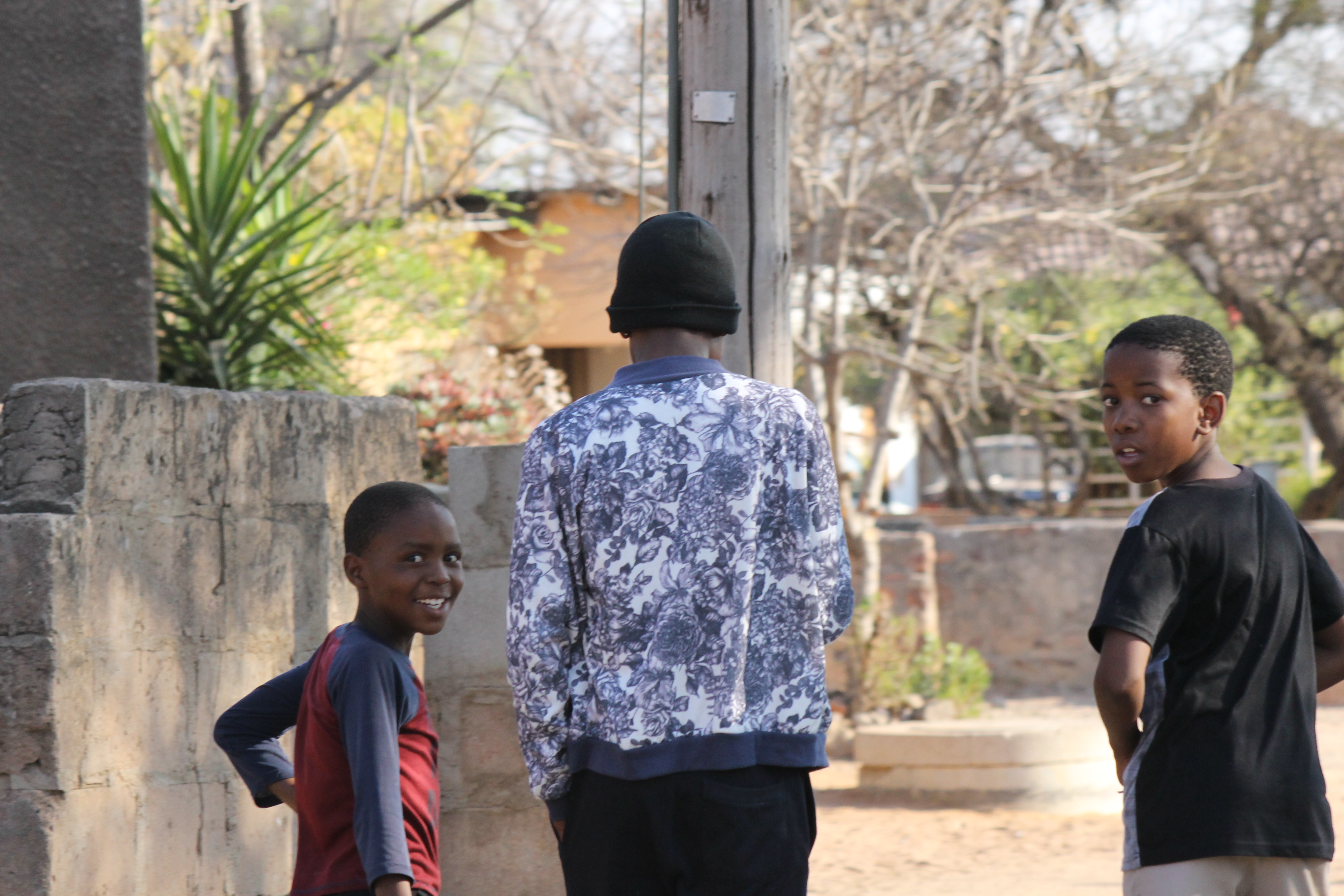
That afternoon MaP’s secretary, Lynda, suggested we drive to Mochudi for its wonderful museum, and while we made the trip out there we ended up just driving around waving at people. Everyone we wave at – and we mean EVERYONE – smiled and waved back as if it was the most natural thing in the world.  One boy shouted, “Hi English!” and another shouted “Hi white!”

IMG_7286

Mochudi was possibly the most homogenous of the towns we visited, with lots of small houses (better than shacks but not big or fancy) that all seemed to have the comfortable ‘lived-in’ appearance of homes that are content with their lot, and we wonder about that attitude. A lot. The people were certainly not under-fed or suffering in any way; most houses seemed to have electricity and, we think, running water, which seemed to be enough to create a general air of contentment and happiness. It was an intriguing concept, as well as an unfamiliar one.

IMG_6933

There was something special going on along the main street, with tattered stalls and lots of small trailers with a cow or goats. It seemed like it might be some sort of butchering day. We briefly considered stopping at a bar with outdoor seating for a beer with the locals, but decided we just weren’t sure enough about how that would be received, so we didn’t. We probably should have. Or maybe not.

IMG_7291

That evening we returned to our guest house with some groceries and water and were delighted to find a reply from Madikwe Game Reserve, who had a lodge at Rhulani available for Sunday night, with two game drives, all meals, and an ultra-luxurious accommodation for just under R6000 (about $250 each). Andy insisted we must go there, and while it was a major splurge, we decided we would treat ourselves to a bit of African safari luxury before we have to go home again.

IMG_7214

Next: Madikwe Game Reserve!

Want to see more photos? Check out our Into Africa album on Veness Travel Media on Facebook. We will be adding to the album as each blog goes up.
Happy Independence Day, Botswana!

IMG_7590

There was no way our trip could get any better than our days with the school children, right? Wrong. Today we went one better, and spent the afternoon with an entire village.

Botswana gained its independence from Britain on September 30, 1966, and we were lucky enough to be in Gaborone, the country’s capital city, for the 51st anniversary celebration. During the week prior, helicopters flying gigantic flags practiced their flights over our guest house, decorations started to go up, and on the 29th, armored personnel carriers appeared at main intersections as a reminder of a) how much the President likes big-boy toys and b) it’s not cool to do stupid stuff, even if you’re drunk with independence (or beer).

IMG_7398

The evening before the big day we walked over to the stadium, where the next day’s celebration would take place, and there was a version of tailgating going on, with grills set up and people selling food.

IMG_7392

On the way we passed a young woman who saw the camera and said, “Take my picture, my sister!” Susan just melted at being called “my sister”, and when we showed the young woman her picture she was clearly delighted.

IMG_7384

Many of the people who saw the camera asked for a picture, and it was pure joy to see their reactions when they saw what we’d taken.

IMG_7391

We didn’t have plans the next day, other than making sure we were off the streets once the sun went down, and we’d been warned that attending the Independence Day Celebration at the stadium, which was literally 10 minutes walk from Maru-a-Pula, probably wasn’t the best idea in the world. So we had a leisurely morning watching the morning events on TV while working our way through that giant box of corn flakes, and discussing our options.

We were told the Independence Day celebrations at the national stadium would start at 10am but, when we switched on the TV to get a taste of the build-up at 8.30 a.m, it was already under way.  We watched most of it, albeit the military parades and marching got old after half an hour. The best part was the traditional songs and dancing, and then the big fly-past of the air force.

IMG_7474

The whole show wrapped up by about 11.30 a.m. so we drove to the old downtown mall, where we managed to get a couple of nice Botswana Independence shirts before heading to the President Hotel for lunch and some more traditional dancing on TV (Botswana’s answer to MTV!).

IMG_7497

A few days prior, we were told about the traditional celebrations that would take place at each village’s Kgotla (sort of a community gathering area where celebrations took place and village issues were discussed), where the Kgosi (village chief) donates a cow for slaughter and the villagers bring other food to pass along. We decided it might be fun to visit Gabane again to see what was going on. We had spent an hour or so with Kgosi Albert Pule a few days prior, and he had shown us around the village (more on that later), so we felt sure he would be welcoming.

IMG_7191

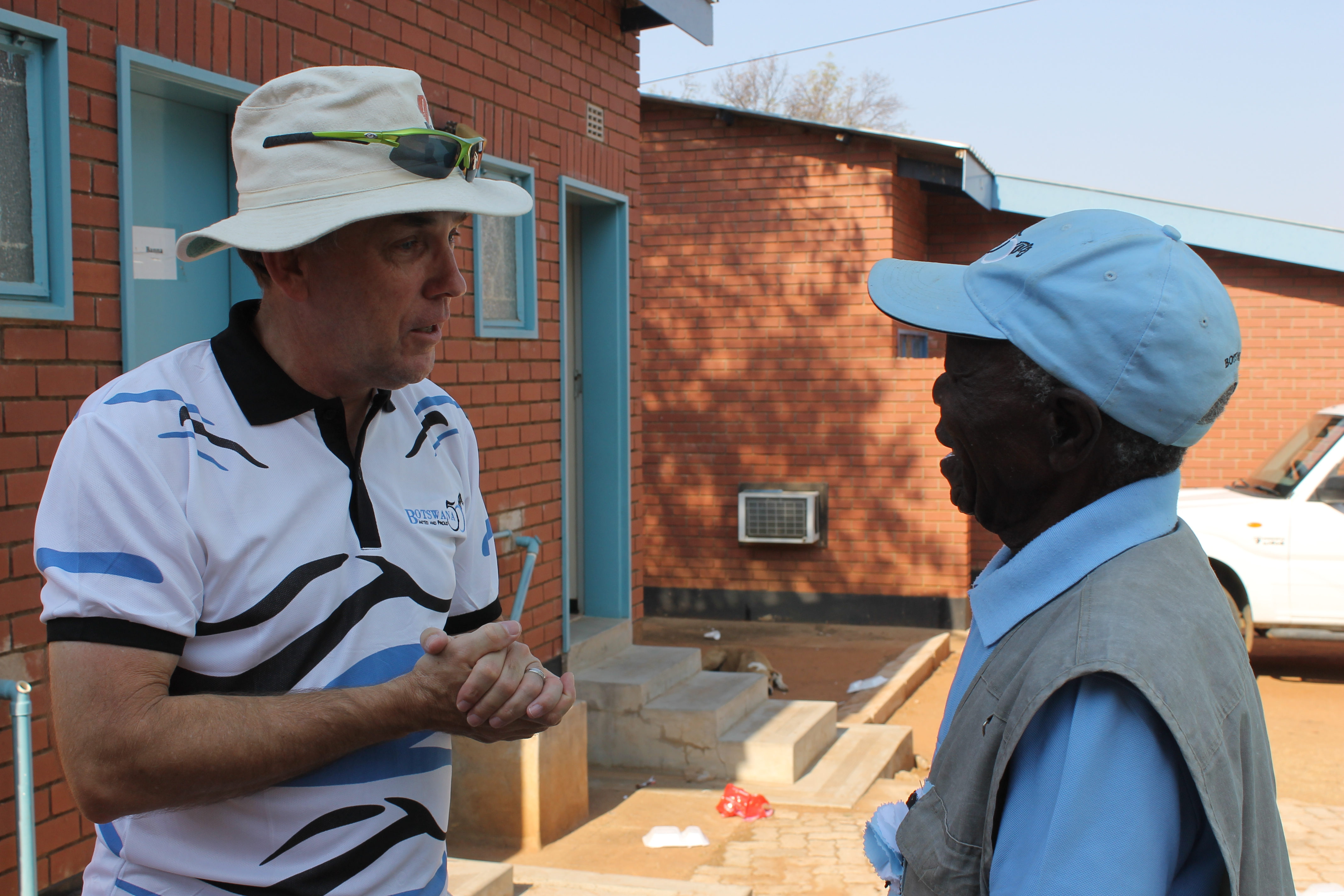
At first everyone looked at us like “Why are you here?” when we arrived, but then Kgosi Pule said “Hello” to us and hooked us up with Richard, a volunteer who was assisting in getting the celebration together, so people became  curious about us rather than suspicious.

IMG_7518

It was a fully-fledged community party and we were invited to take part in the most hospitable way. Had we drawn up our requirements for an African village party we could not have come up with anything more evocative than what we saw that day.

IMG_7522

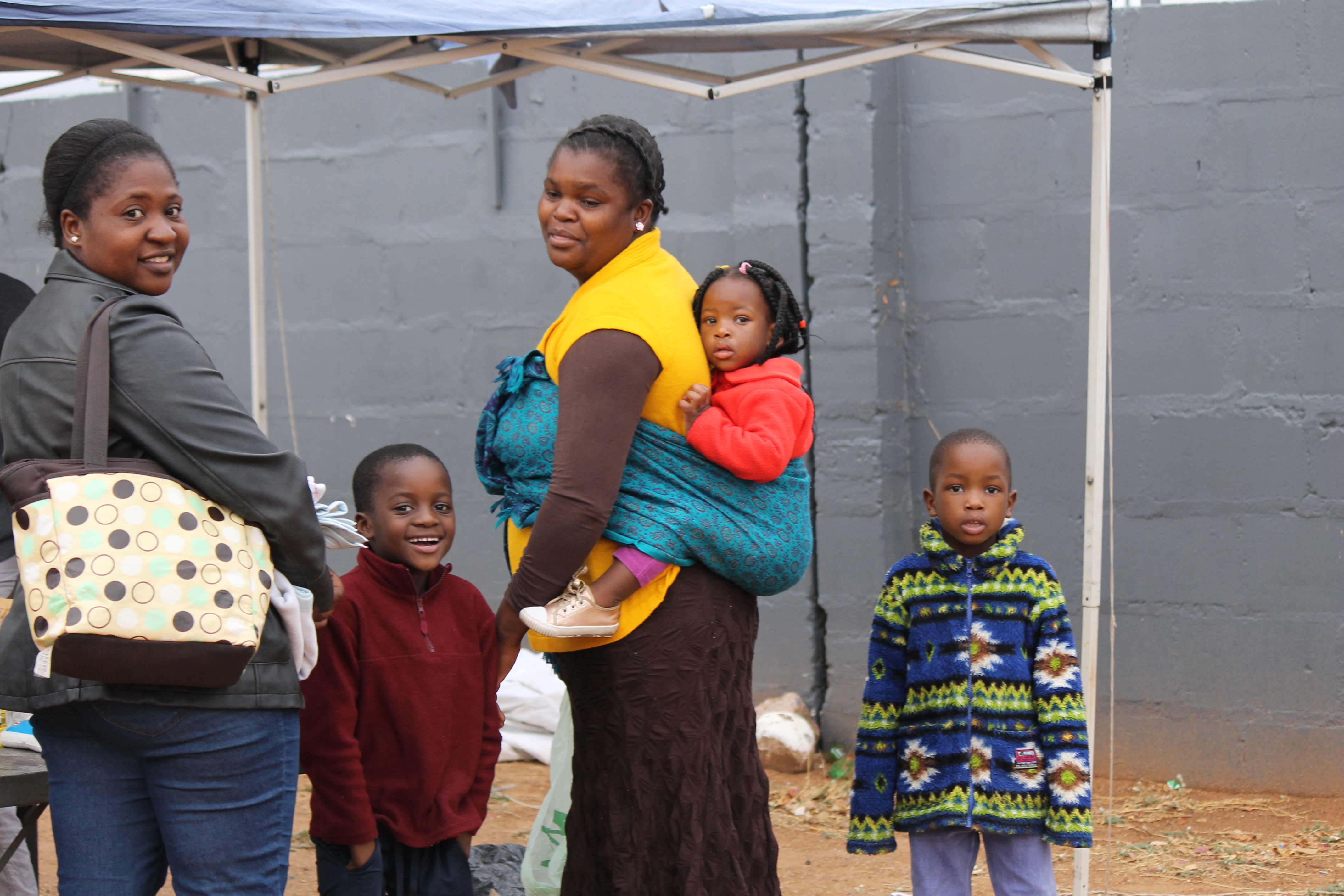
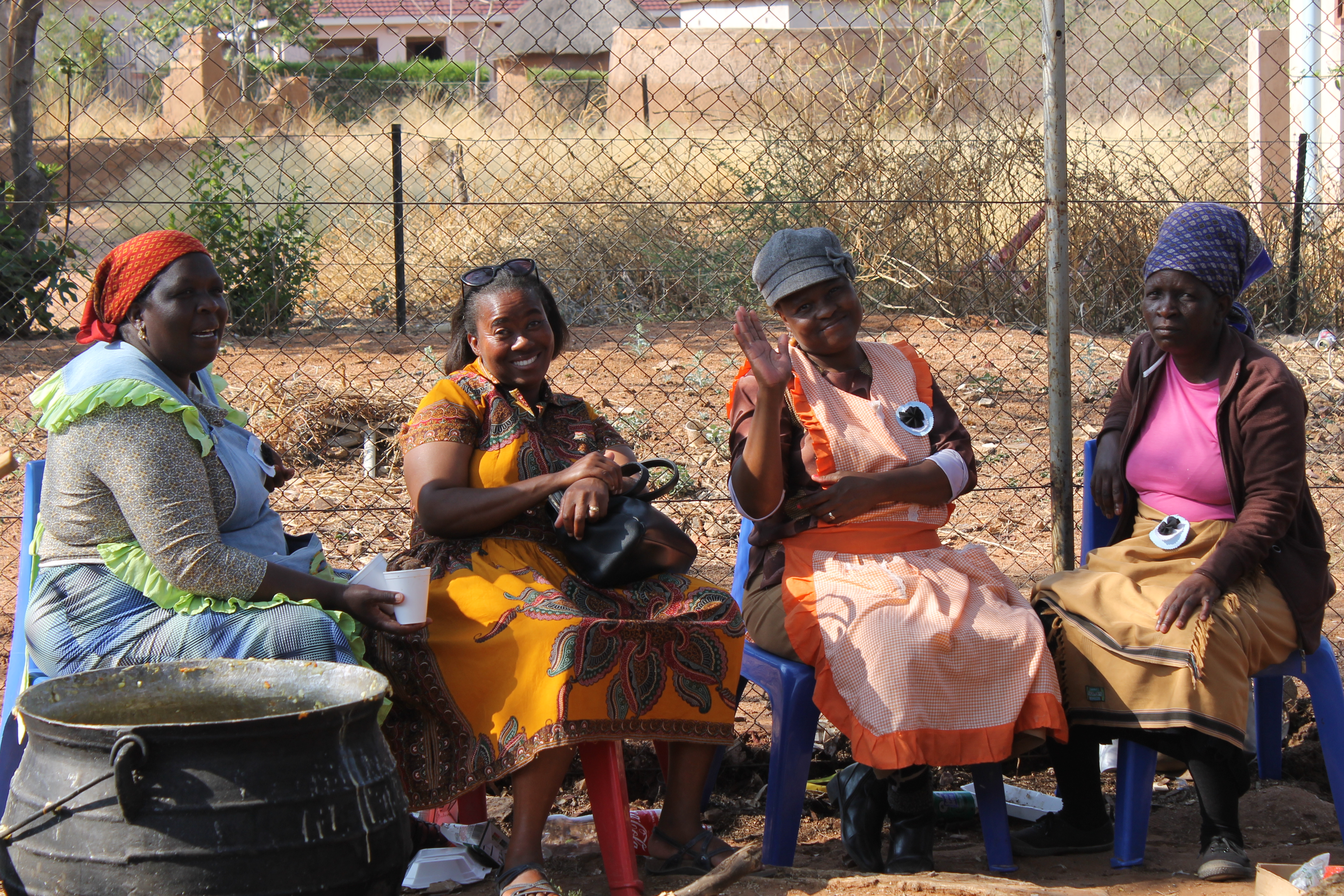
When the camera came out, the fun really started. Men, women, children…all of them were just thrilled at being photographed, and quickly gathered around asking for pictures. These beautiful women had been cooking all morning, and were taking a well-deserved break.

IMG_7537

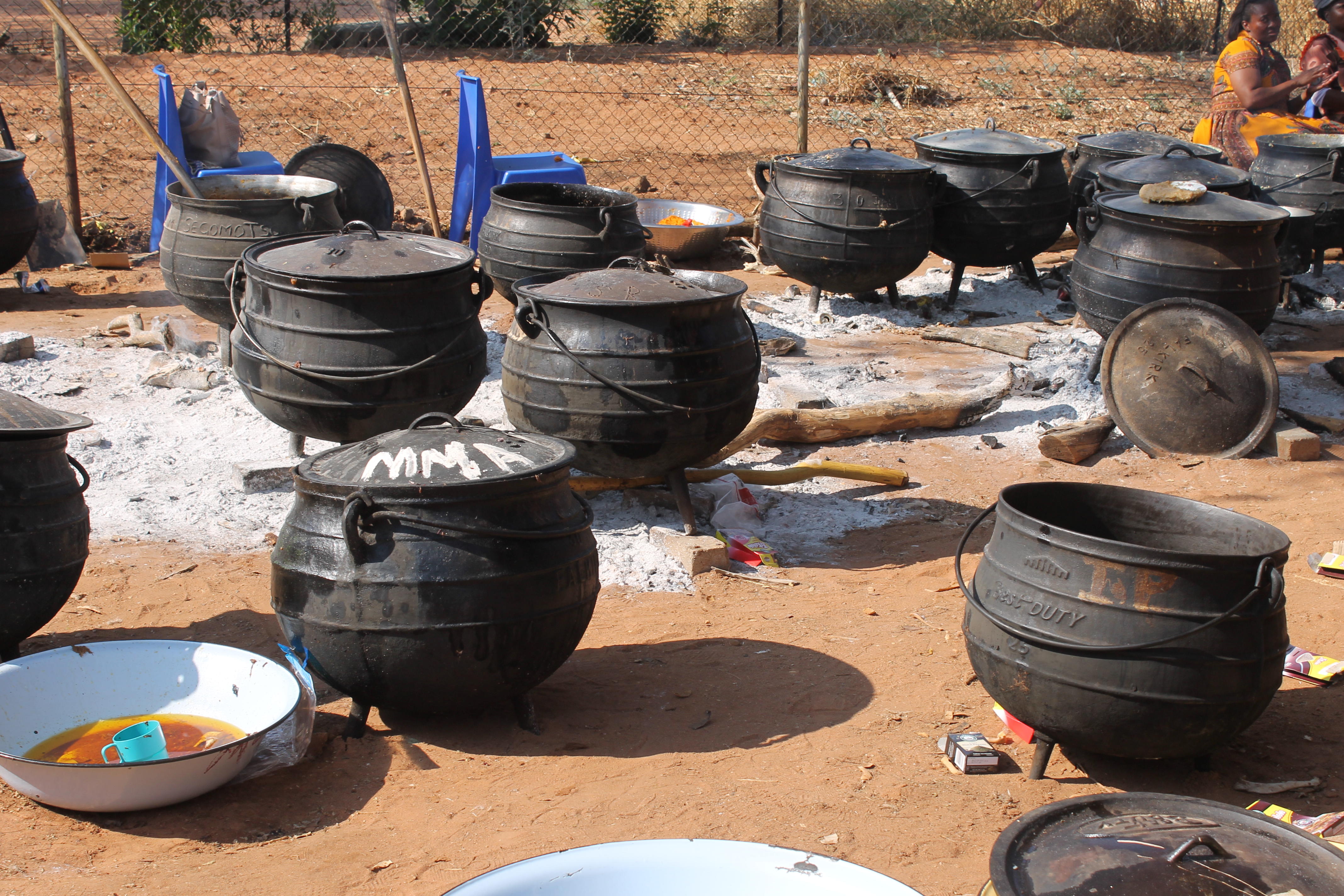
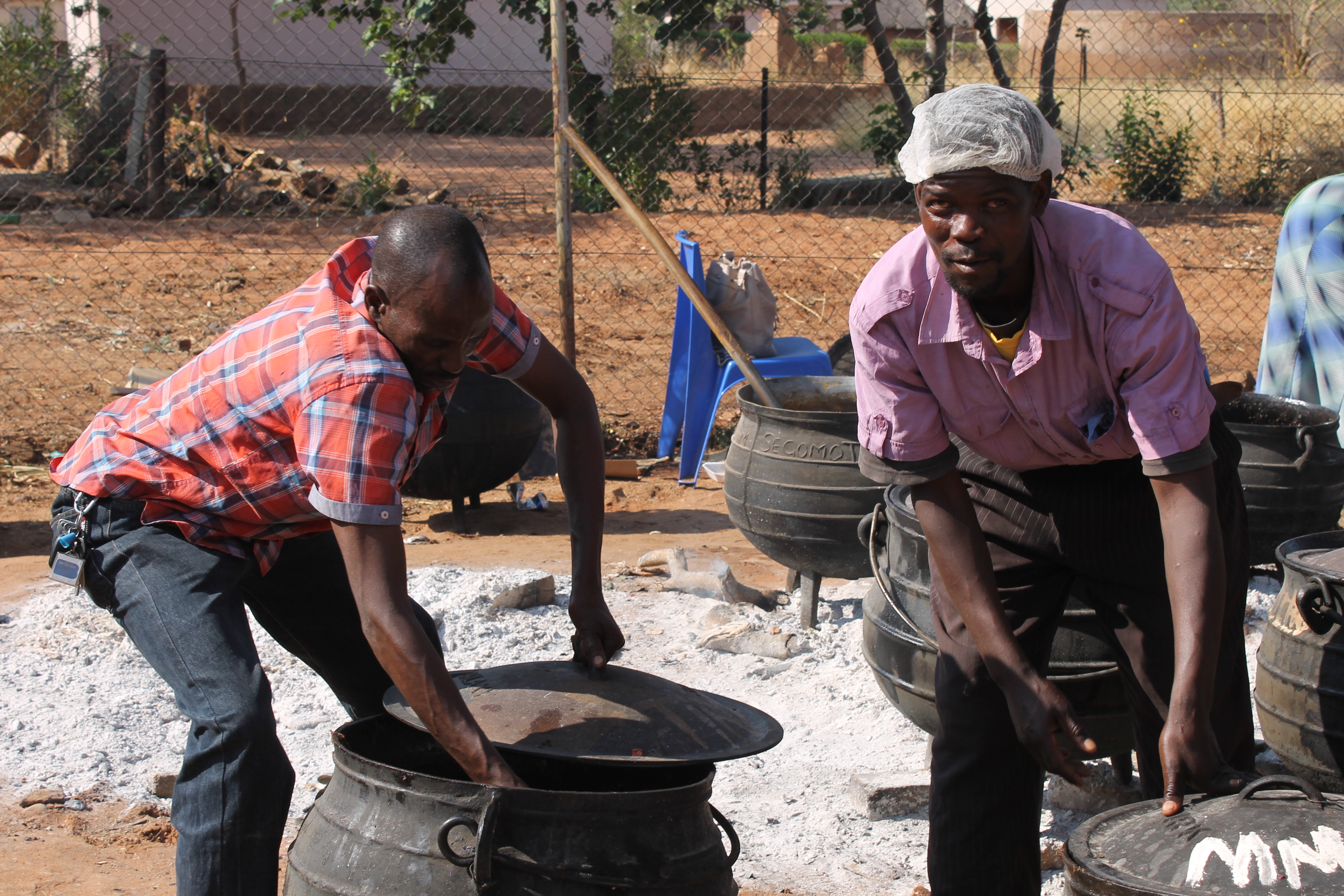
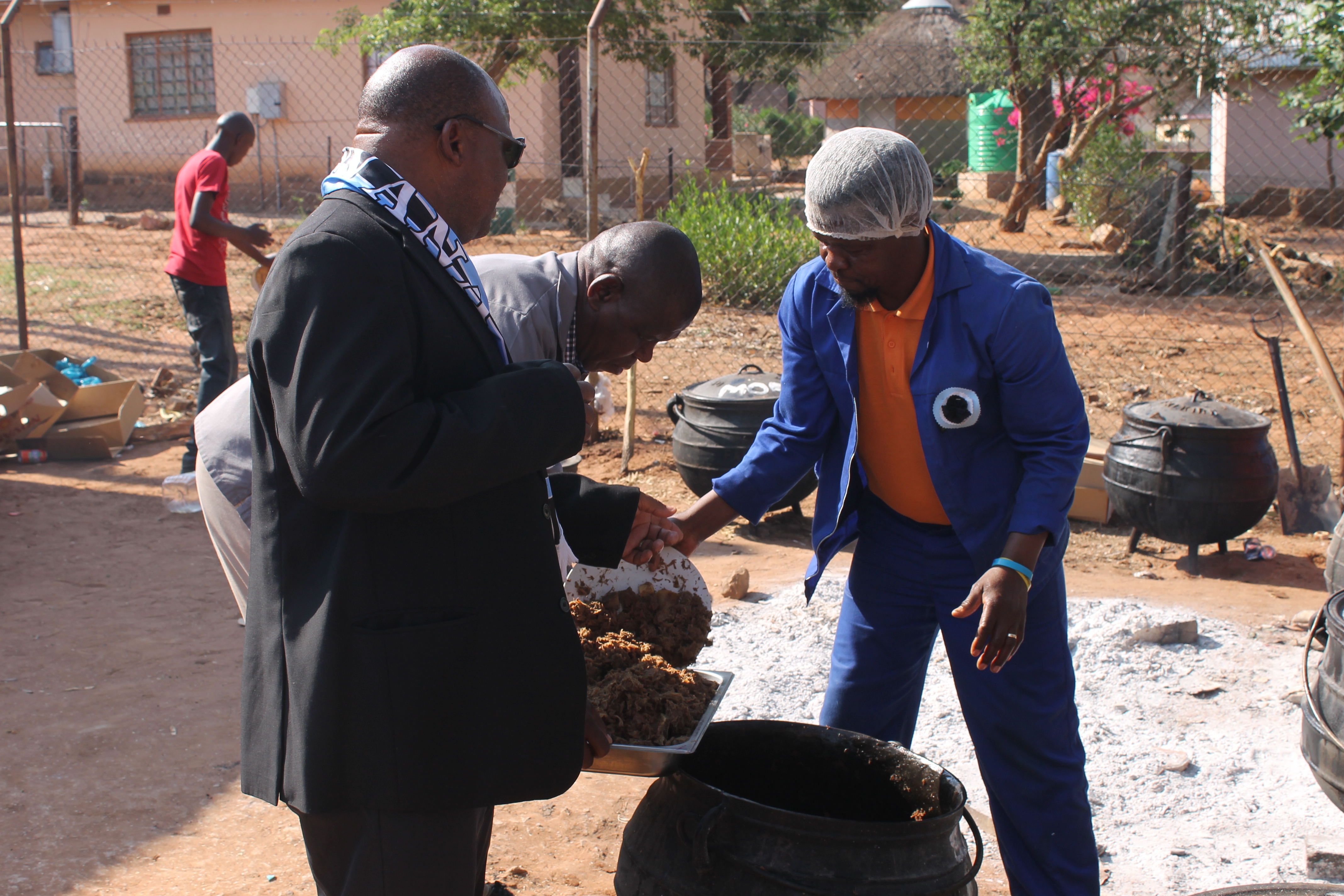
These guys made a point of tapping Susan on the shoulder and asking for a picture, then they ran back to the cooking pots and “posed”. They were so funny!

IMG_7527

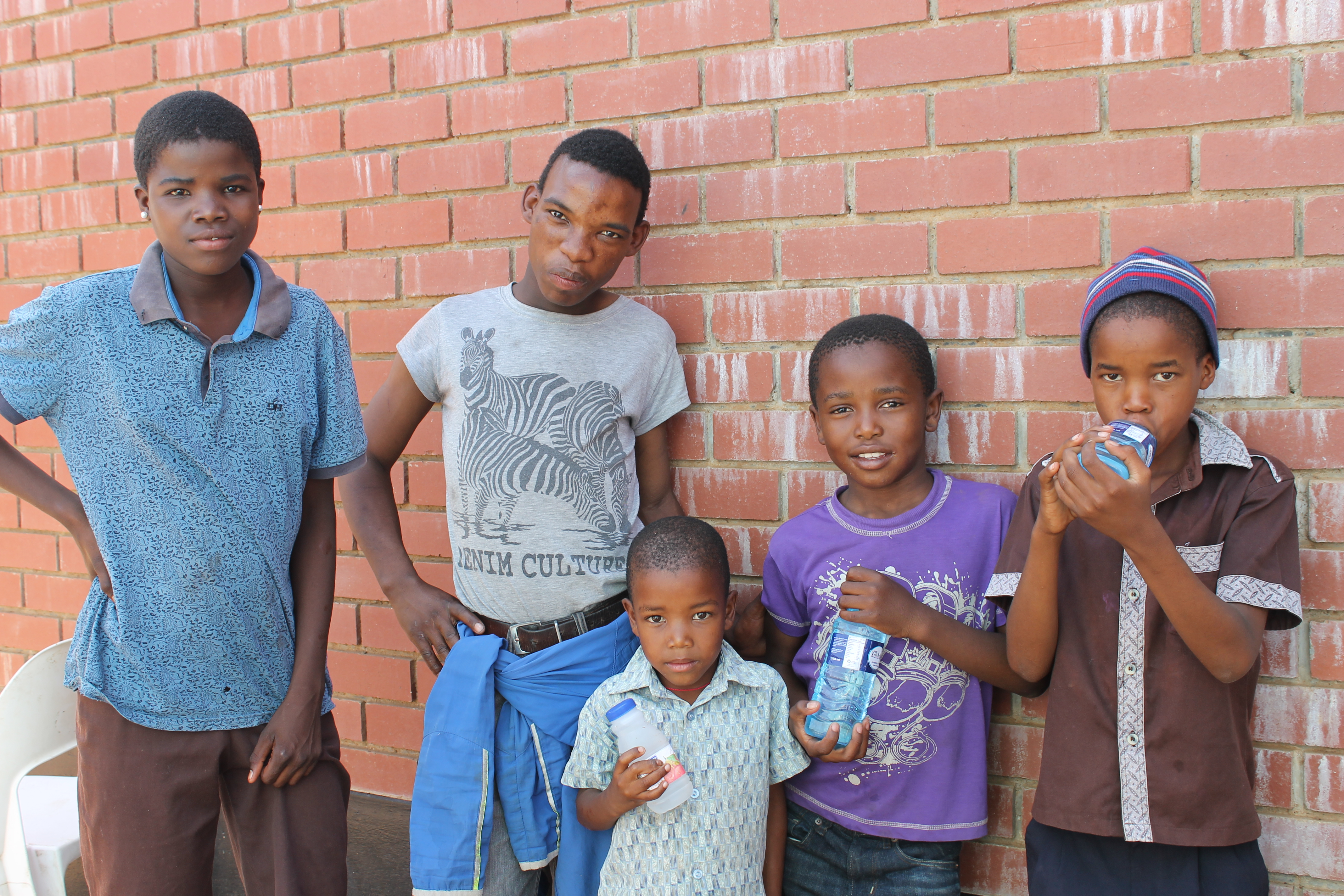
The children were shy at first, then couldn’t wait to be photographed.

IMG_7578

But even the adults came right up and asked to have their pictures taken. Richard said that was unusual, and that they usually didn’t want pictures taken. Today, that most certainly was not the case. They just out-right asked. This woman asked where we were from and when we said, Florida in America she asked us to take her there.

IMG_7553

Later, a man introduced himself to Simon and when he asked if we were from America (in Setswana) he told us Americans come to Botswana to shoot animals (at least, that’s what we think he said). We assured him we would only shoot pictures, but we’re not sure if he understood us. Still, the effort had been made on both sides, and that’s what counts.

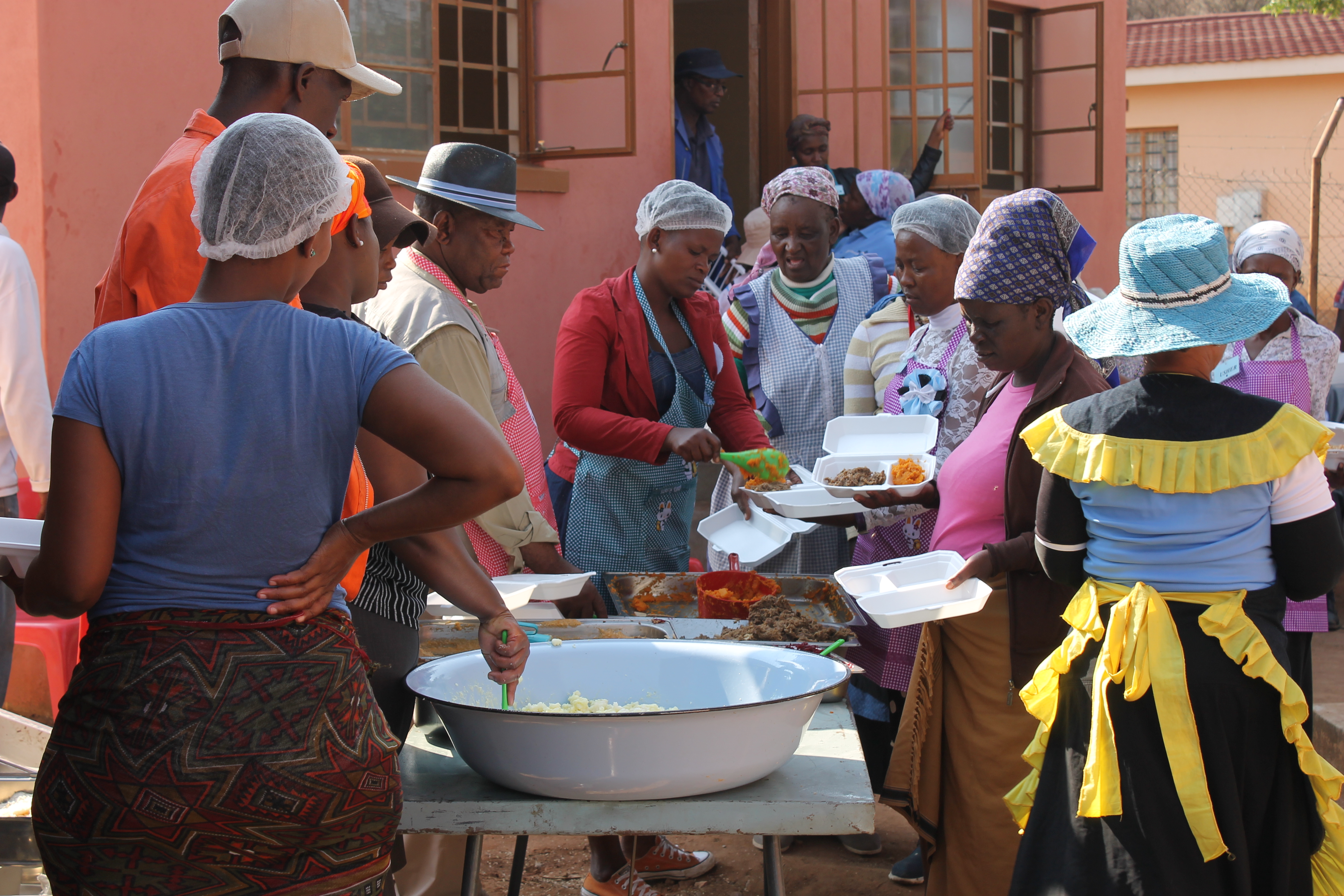
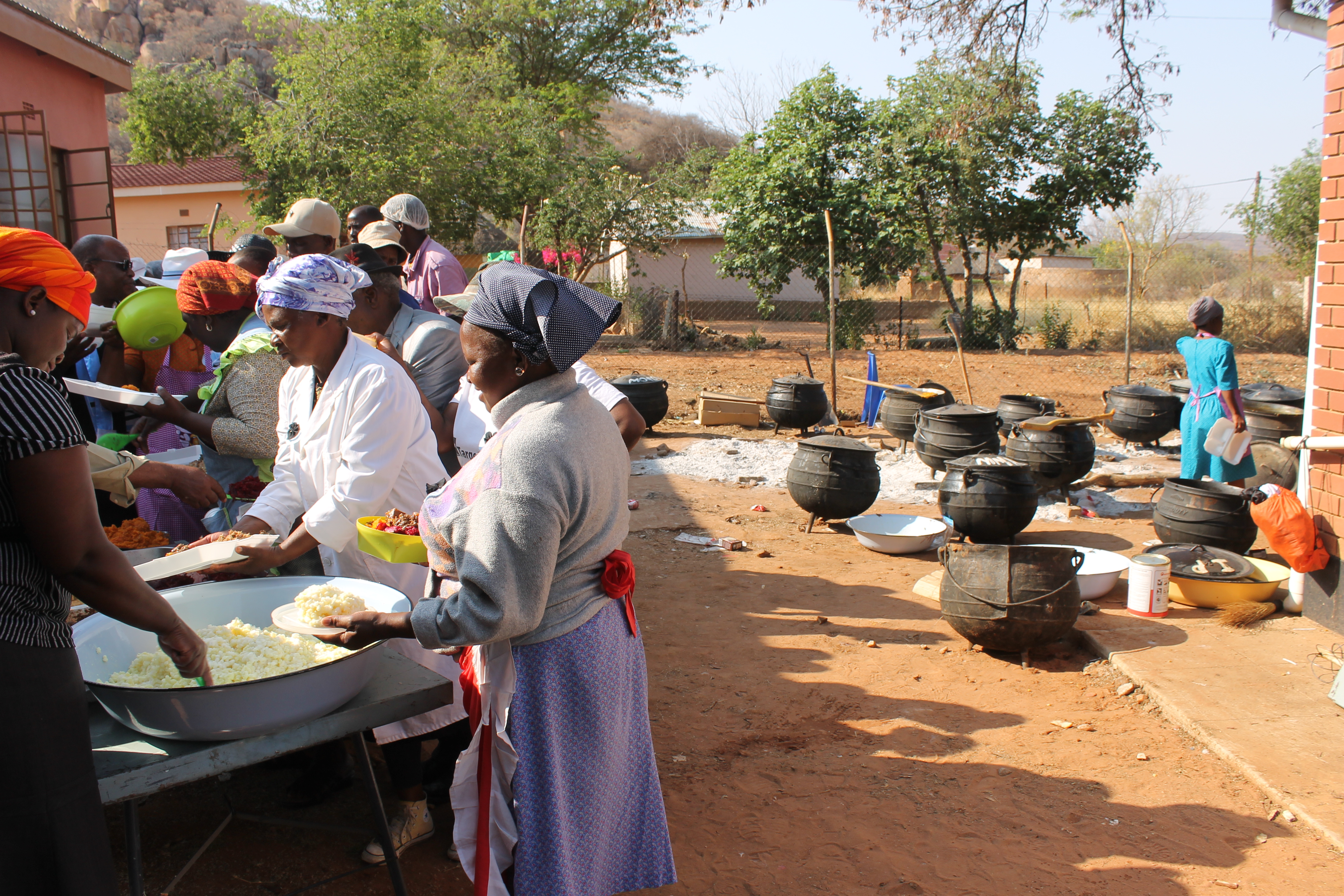
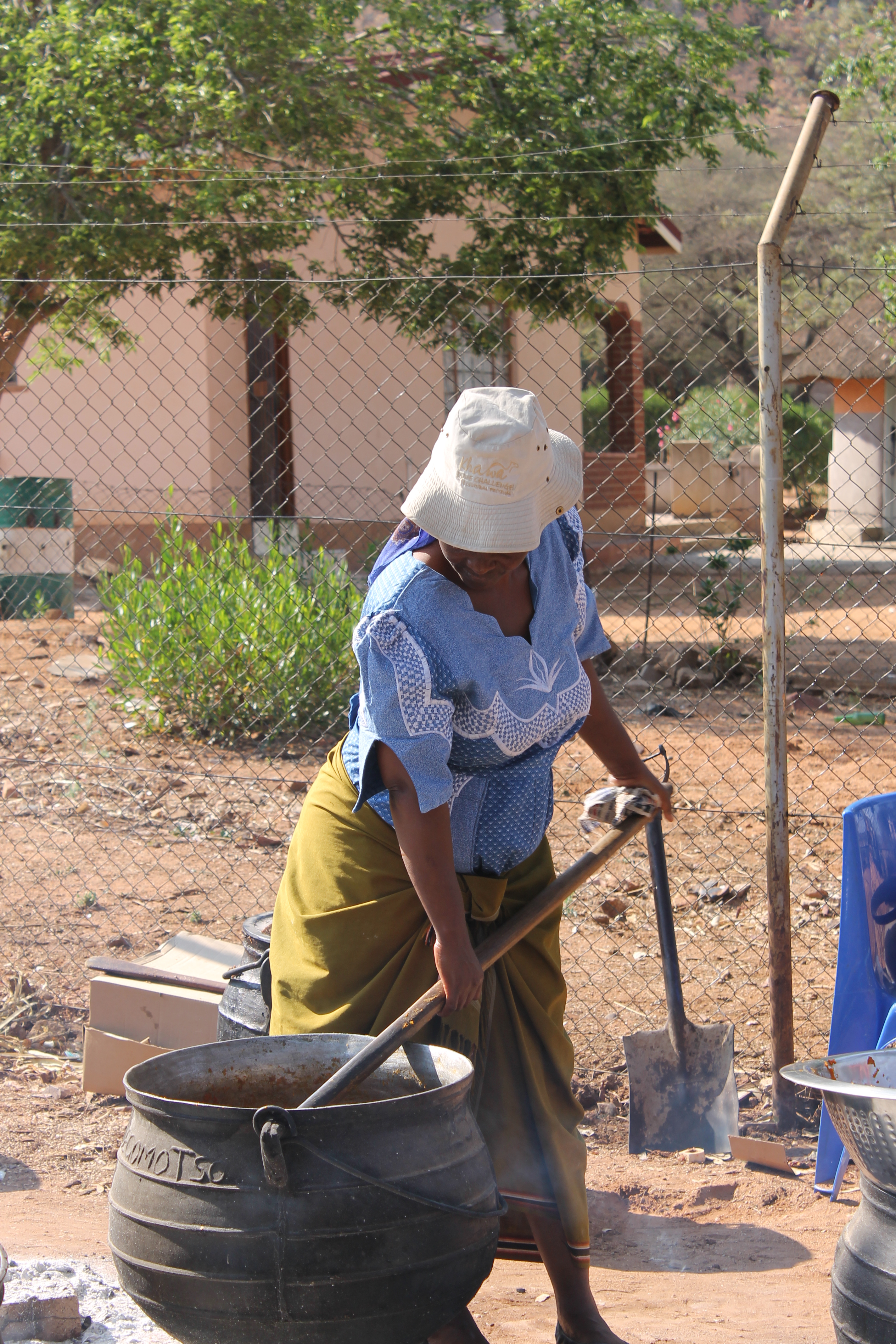
It was fascinating to see the Gabane version of a pot-luck dinner, and the whole area smelled absolutely wonderful. They made do with what they had, and the food was simple but wholesome, but the enjoyment of time spent with friends was crystal-clear.

IMG_7534

By that point the children were gathering in groups, all dressed in their clothes the color of the Botswana flag.

IMG_7632

One man we met was 97 years old, and a former heavy artillery gunner in WWII. Simon talked to him for quite a while, and he was very friendly and obviously proud of his service. A lovely man. He had come for a hot meal, and was taking away a bag full of dried beans and rice to help see him through the week. It was a real honor to have met him.

IMG_7575

One woman, named Justice, gathered her friends together and asked to take their picture taken as they were dancing. It was absolutely hilarious, and they were obviously having the time of their lives. When they were shown the pictures they literally screamed with delight. And we do mean screamed!

IMG_7609

Then all hell broke loose. They went absolutely wild with their dancing, and again, screamed every time they saw the pictures. When they’d had enough one of the women indicated the main reason they wanted their pictures was so that they could see their butts sticking out as they danced. We laughed and laughed together, and it felt just a tiny bit like we belonged, at least for a while.

IMG_7628


With the friendly people, the big cooking pots over fires, the happiness, and the utter lack of guile—which seems to be prevalent here—it was an extraordinary final day in an extraordinary country.

IMG_7565

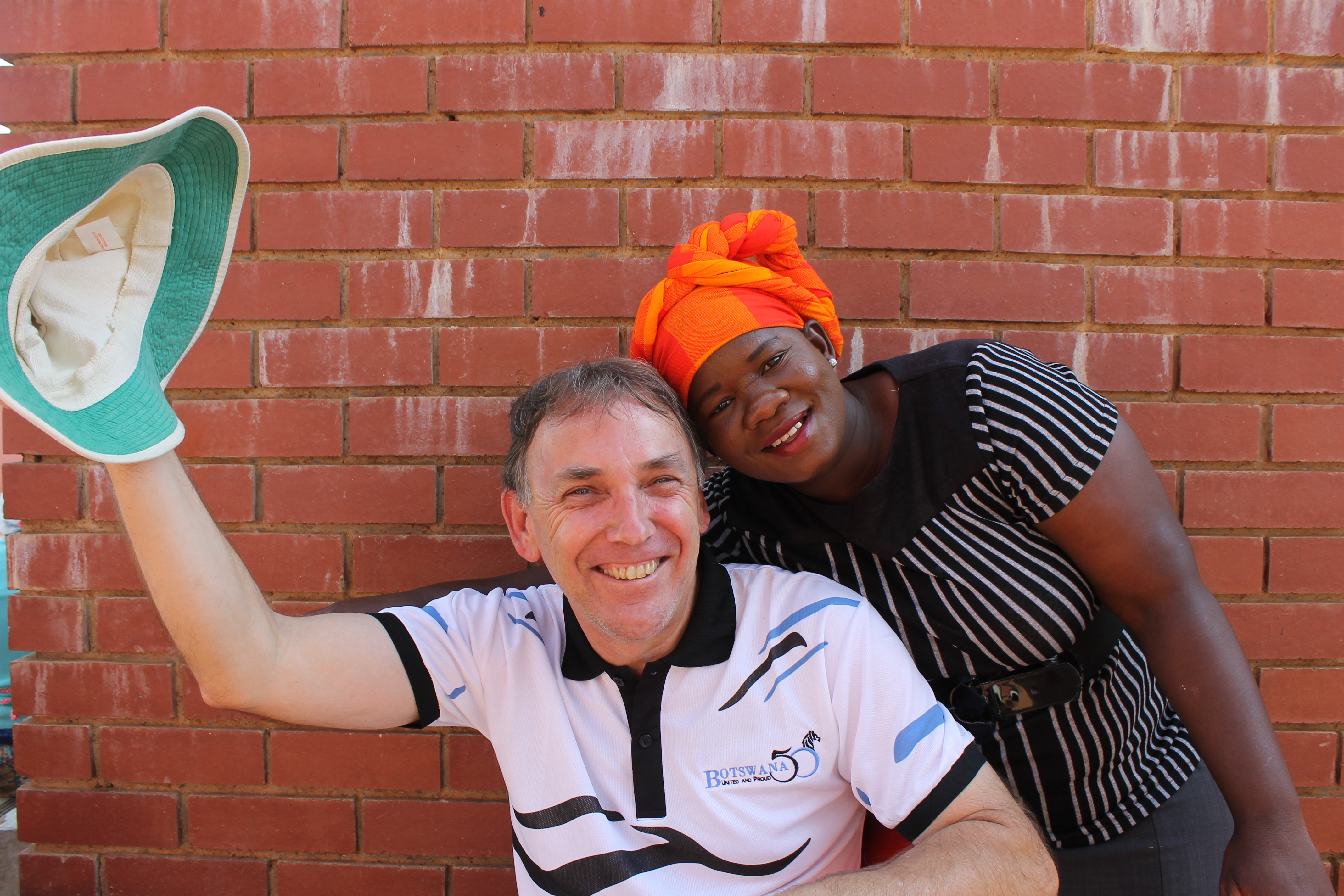
We’ll never forget the people we’ve met and the scenes that have totally captured our hearts. From “Take my picture, my sister” to posing for a selfie with a Gabane villager, it’s a place we will miss, terribly.

IMG_7539

It was the most heart-warming scene we could imagine, and it was only with the greatest reluctance that we tore ourselves away. It was a day we will never forget.

IMG_7657

NEXT: Beyond Gabarone

Want to see more photos? Check out our Into Africa album on Veness Travel Media on Facebook. We will be adding to the album as each blog goes up.


“Take My Picture! Oh, And Can I Touch Your Hair?”

IMG_6589

From the very beginning of Maru-a-Pula, students have been required to participate in social service. In the early years, that service was exclusive to the nearby village of Gabane (pronounced, roughly, Huh-BAH-nay). Students made bricks of mud and cow dung to patch huts; helped lay new thatch on roofs; and cooked and cleaned for the elderly and infirm. Today, the range of SPE (services) choice is vast, and we were determined we would do as many as our time allowed.

IMG_7020

For our first SPE we are off to Galaletsang primary school to assist the MaP students in after-school tutoring, which quickly became a major life experience, especially for Susan, who had never set foot inside that kind of environment before.

IMG_6511

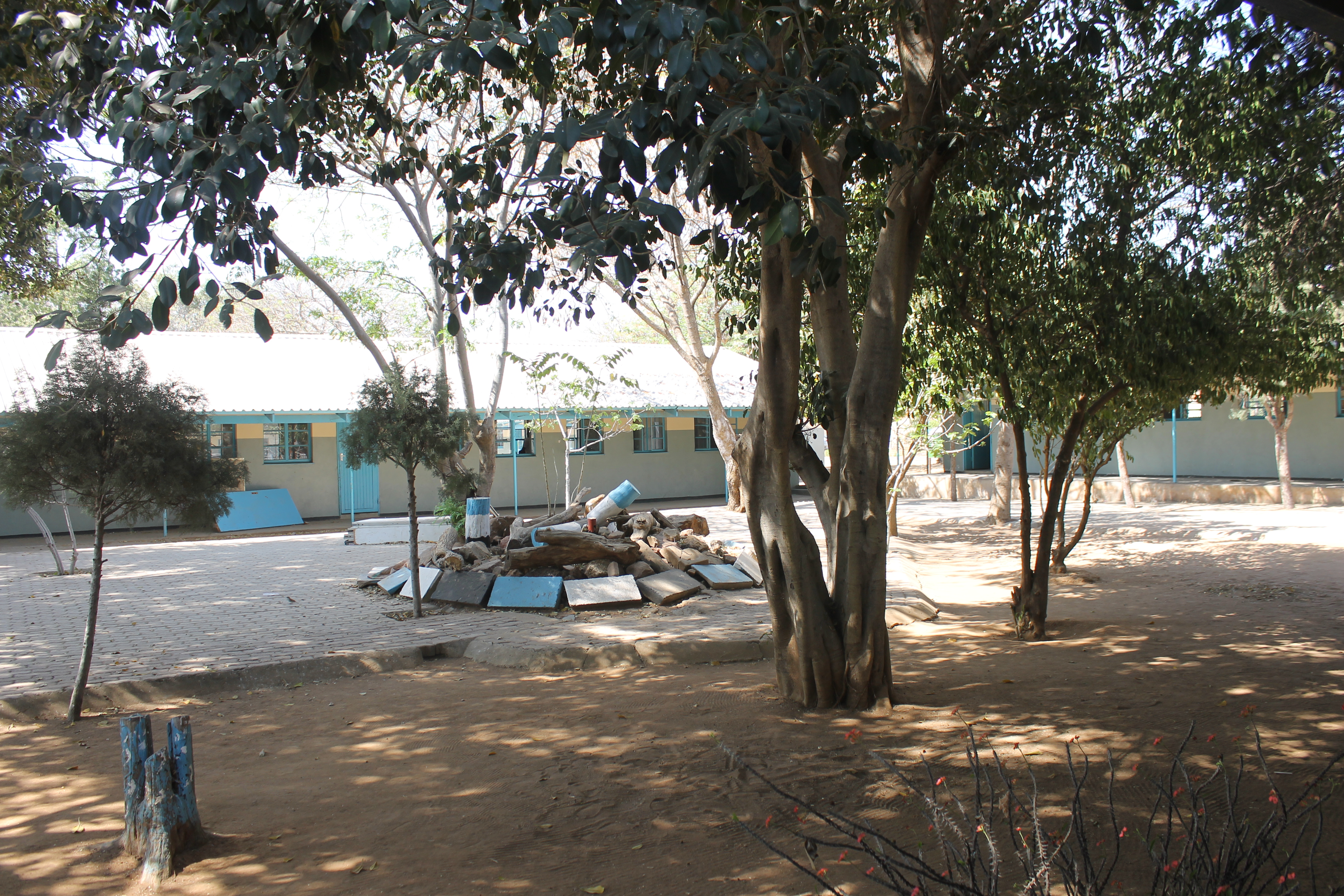
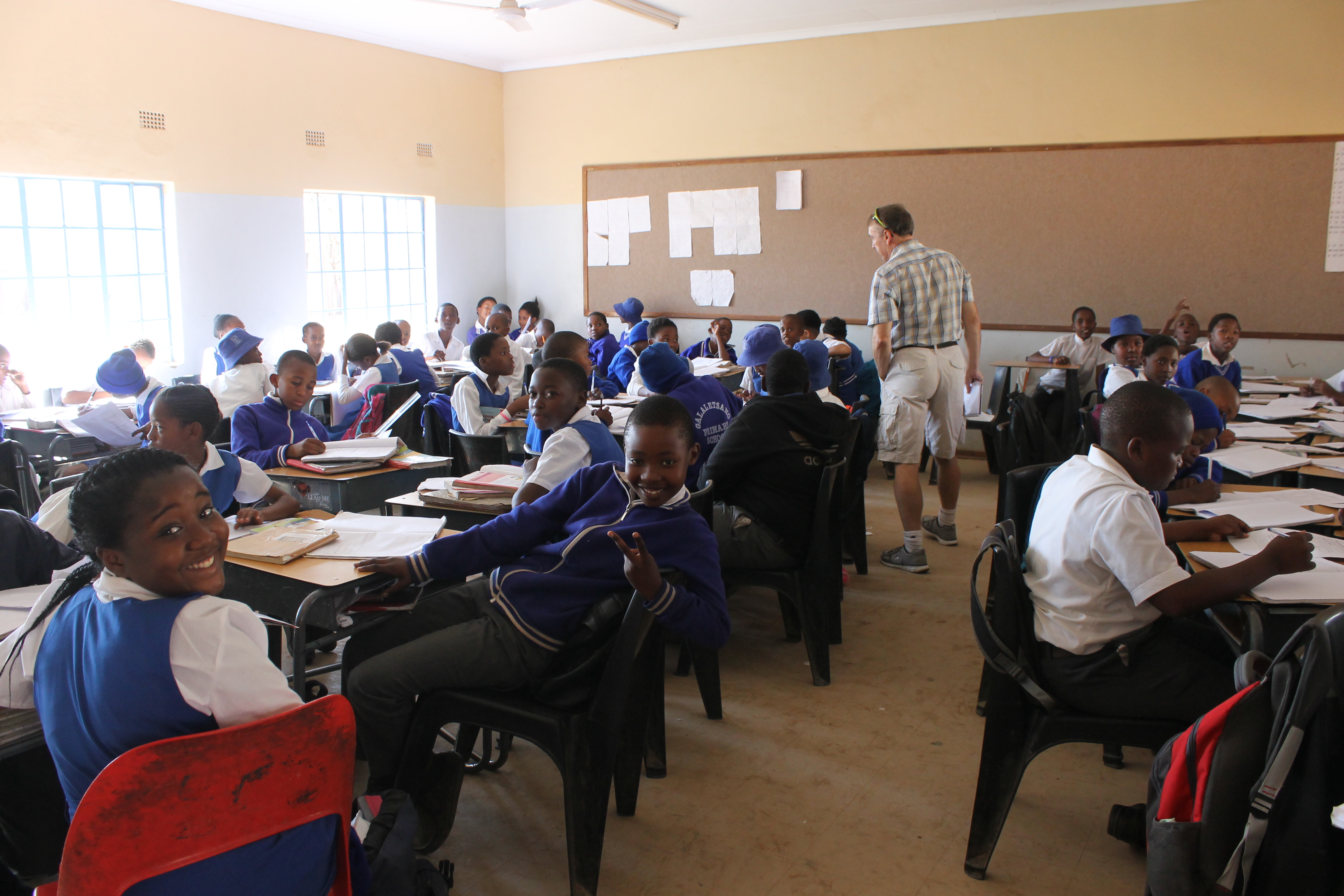
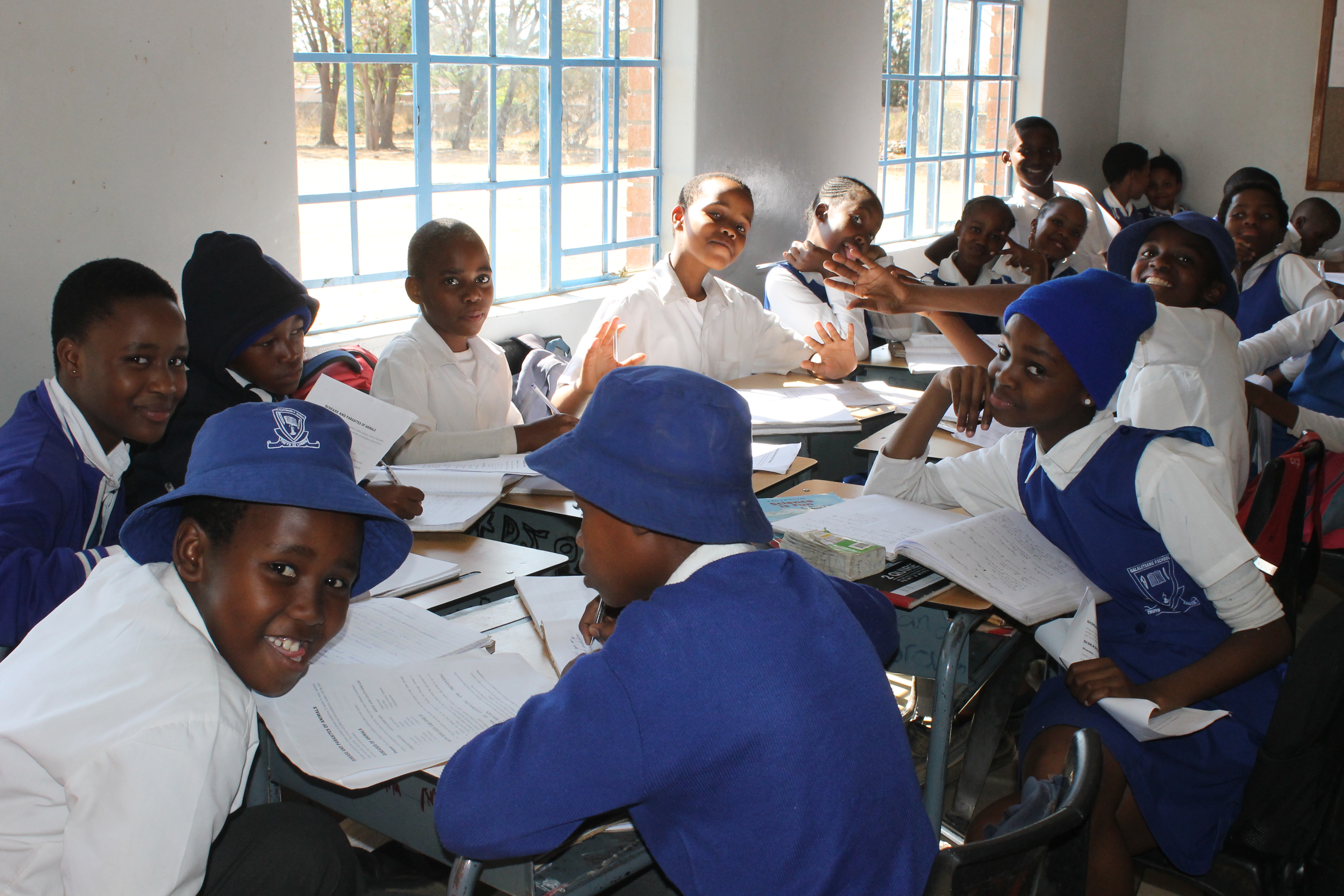
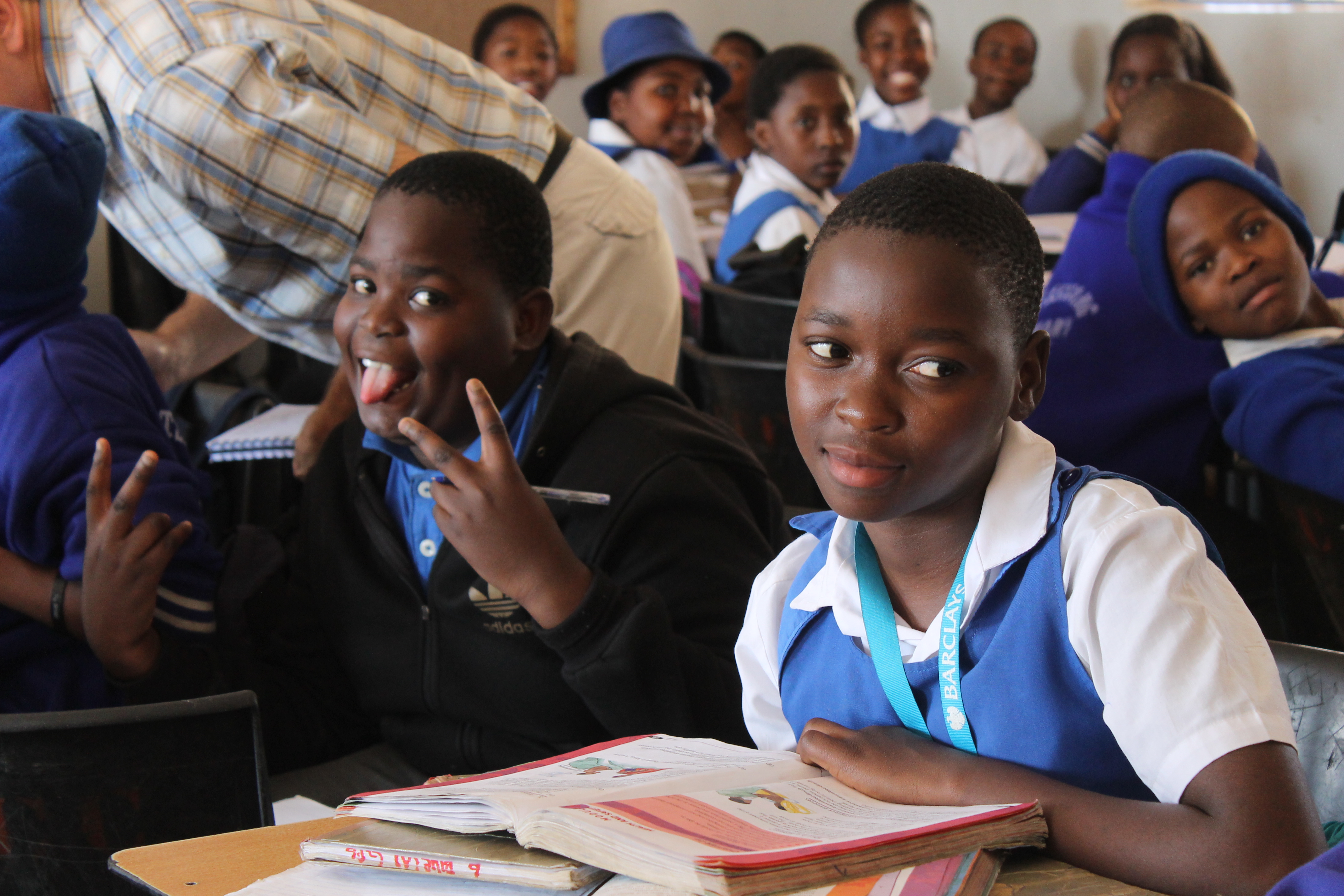
The school was an average government-run school in Botswana, massively underfunded and with 30 or more children packed into each classroom. There were no bright pictures or encouraging sayings on the walls. Some desks only had one leg and were held up by student’s chairs. There was no room for all of the kids to lay their papers and books flat, because too many were crammed in, with too few desks. But they were very polite, and responded to the facilitator’s questions with “Yes sir” and “No sir.” We were introduced, then let loose to assist with homework.

IMG_6520

When the camera came out for some classroom photos the kids were SO excited to have their pictures taken. They shouted, “Me! Me!” so after a few photos the camera was put away to stop the distraction.

IMG_6516

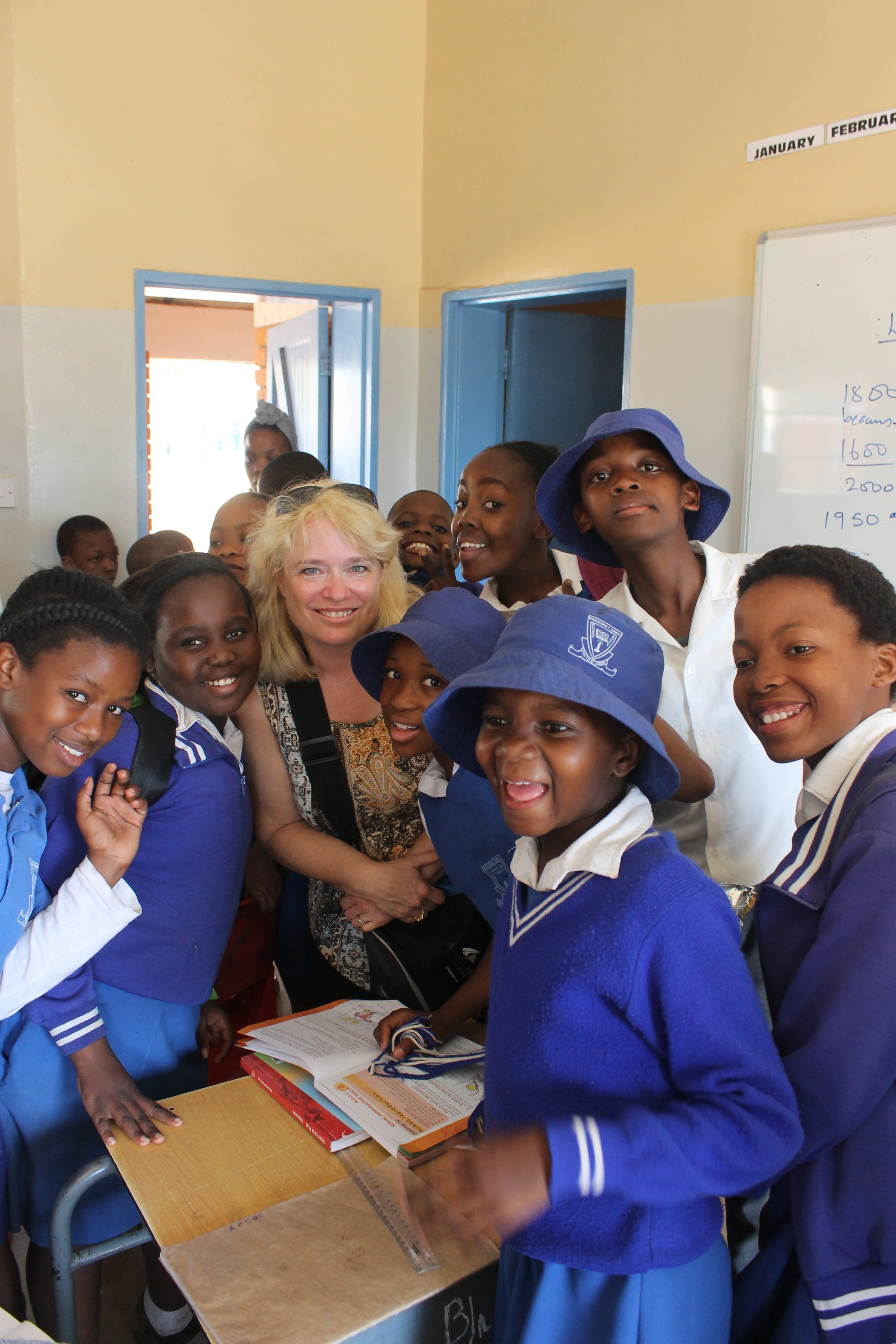
Although we were supposed to be tutoring in small groups for the next day’s lesson, the children asked all kinds of questions, like why Susan’s eyes were green and Simon’s eyes were blue, but everyone they knew had brown eyes. They asked where we were from (big gasp at USA. They appeared never to have met an American), and asked where sharks live in the USA.

The children were, frankly, fascinated by us, and our ‘whiteness’ was a real novelty. It quickly became clear that none of them had encountered a blonde white woman who was willing to let them touch her hair. When they asked and were given permission, forty hands immediately shot out, and their whispered comments were hilarious and delightful.

IMG_6530

The kids were so eager to learn, but so handicapped by their surroundings. The lack of proper facilities was terrible to see, and the drawbacks teachers had to deal with were huge; trying to make do with so little for so many was an almost insurmountable challenge.

Our hearts broke at their potential and at the statistics that show all but a very few of those bright, eager minds would fall between the cracks before their schooling ends.

IMG_6519

The next day was a day we had both been looking forward to: Simon would return to Gabane, where the school’s social service program first started in 1972. Inevitably, the ‘village’ looked nothing like it used to, but it still had a school that needed extra teaching and people that need feeding.

IMG_7509

Right from the start it was a different prospect, with far more children and a less constrained atmosphere. There wasn’t a teacher in sight. School had ended and it appeared the teachers all buggered off even though there were at least 100 children still there.

Simon got right into the tutoring, but Susan ventured outside to take a few photographs. Big mistake! In no time flat she was surrounded by curious, eager kids who all either wanted their picture taken or wanted to touch her hair. She took several group shots, then individual shots, but it was odd that only a few children asked to see their picture. The rest were just happy to have it taken. It was quite an onslaught, and she almost literally had to fight her way out.

IMG_6623

Simon’s lesson seemed to be a success, though, and the kids were quite a riot. Again, they were keen and eager to learn, even if the topics were not the most thrilling.

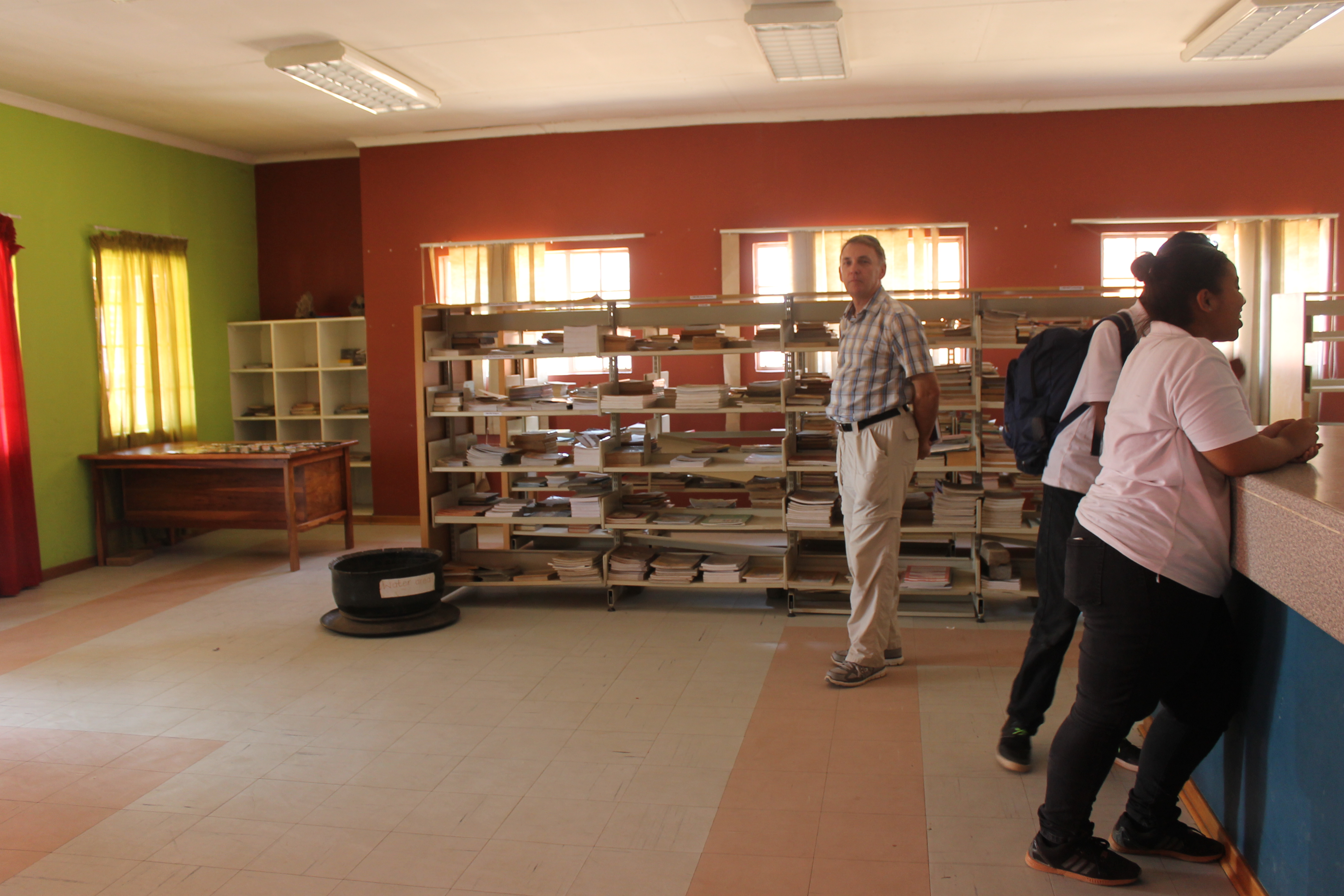
The next day we participated in an SPE session visiting the Tshwarengara school at Old Naledi, to staff their library for an hour so that children could stay after school for additional learning. The school was given a full library by an international organization, but because the government didn’t provide a librarian, the teachers refuse to stay for an hour after school so the children could access the books. When MaP students come and open it, the children still aren’t allowed to take books out.

It’s frustrating to see this fully-stocked library and know the government can’t be bothered to invest in a librarian and the teachers refuse to stay for one hour after school, once a week each. Just open the damned library!

IMG_6751

After a half-hour reading aloud from very basic books in English, the children were allowed to work puzzles or play memory matching-games, word bingo (with rocks as markers and worlds like of, laugh, and about), or play a dice game that matches numbered tiles.

IMG_6754

Others played Scrabble Jr, but only matched the letter tile to the words on the board rather than playing the game and taking turns. In some ways they were lucky; most children their age would never have worked a puzzle, as the education system does not value “play” as a teaching tool.

IMG_6756

It was all very cooperative, and each time a child succeeded, the other children clapped and congratulated them. It was a real joy to see, perhaps especially because these children were less fortunate than the kids the day before. Some had no shoes.

Our next SPE would be something a bit different, helping tutor children who lost their parents to HIV/AIDS, or had HIV/AIDS. Some of the MaP students belong to a group called Ray of Hope, and the small village of Gamodubu is one of their missions.

IMG_6811

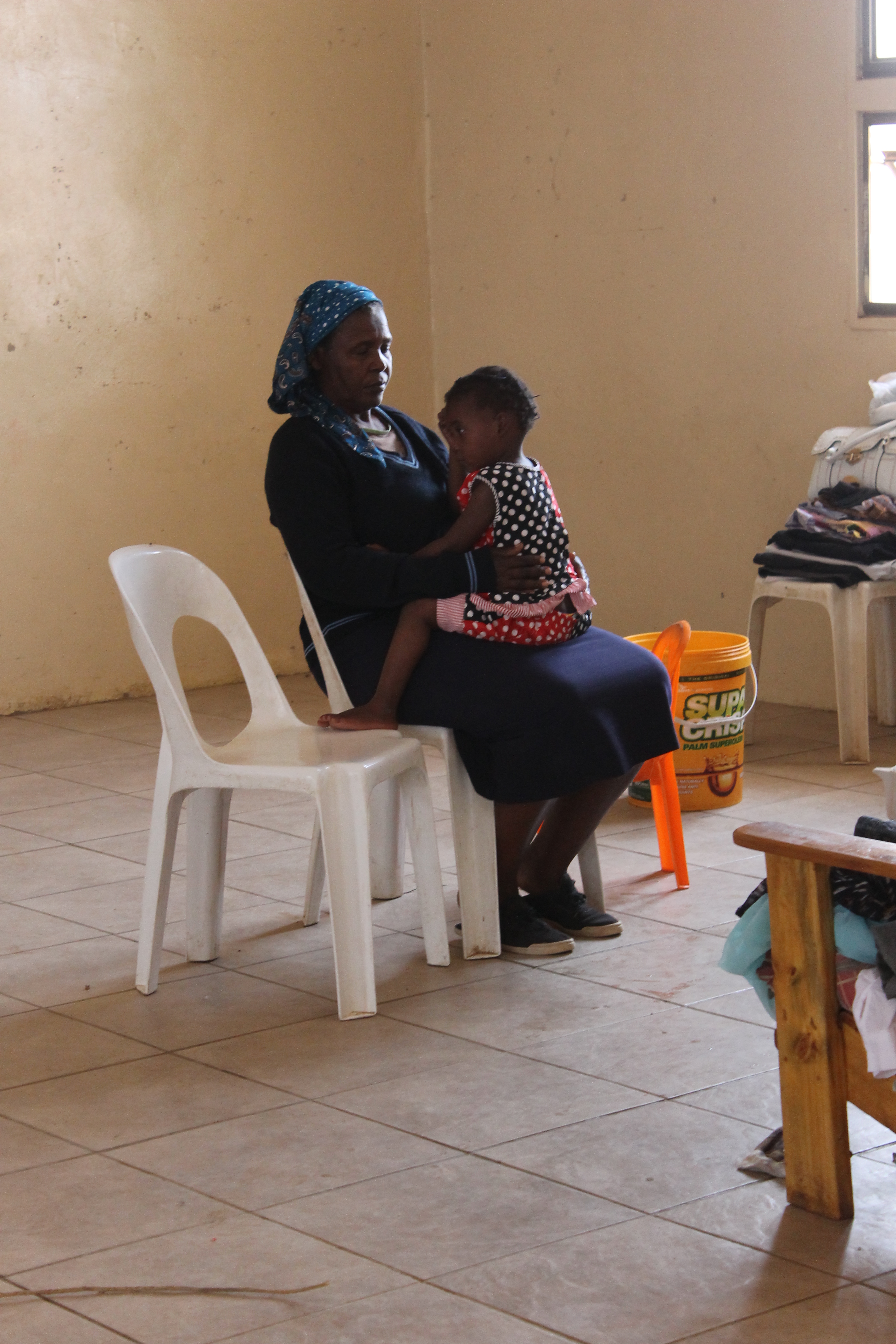
There was some initial confusion when we arrived, as a wedding was due to take place in the community hall where the group usually sets up. The little girls were all dressed up in Disney Princess style dresses for a song the children were going to sing during the wedding, and they were just darling.

IMG_6822

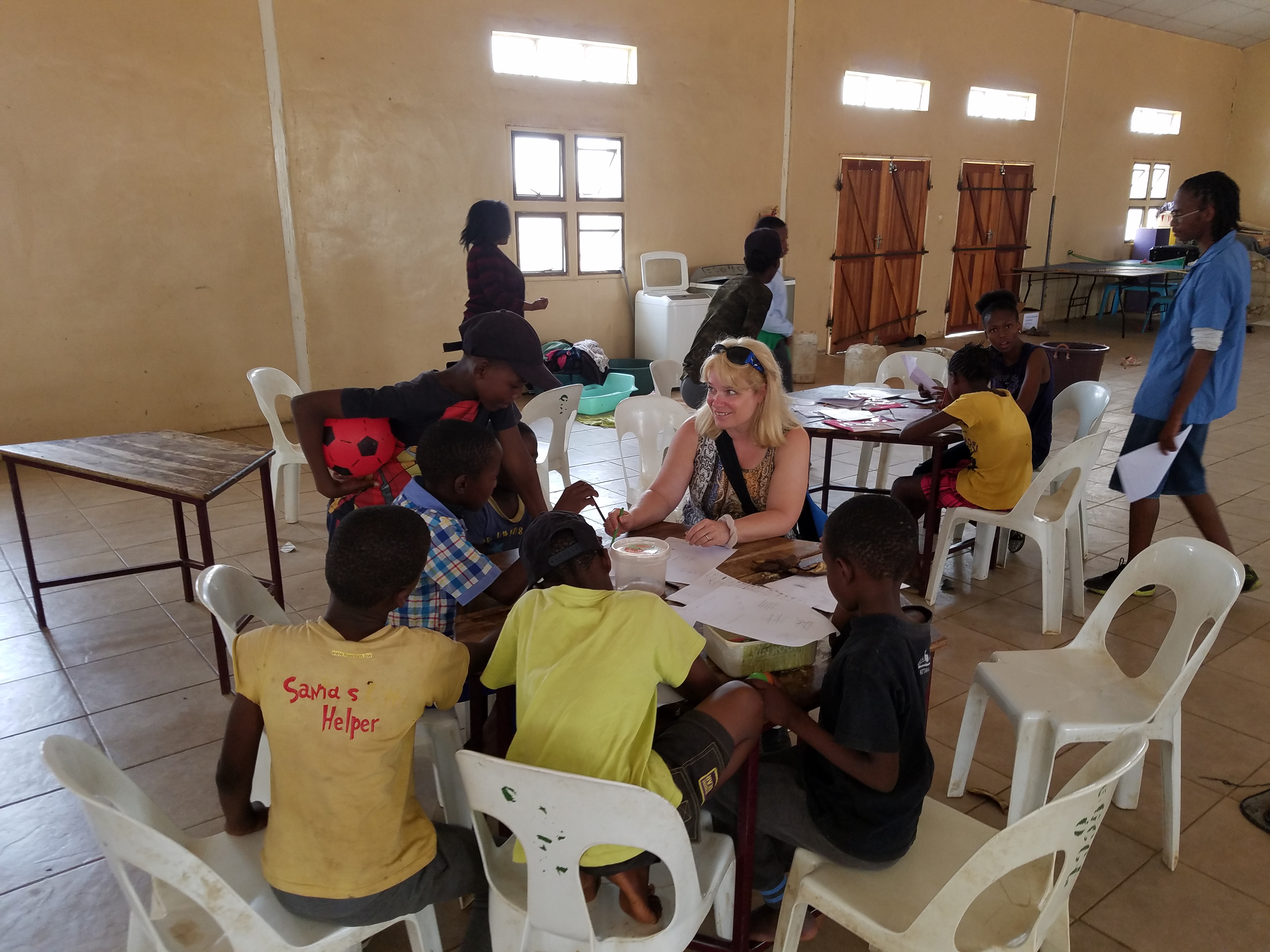
With so many very young children, and so much excitement going on, the center was in utter chaos. Susan’s group of early-learners were learning to draw basic shapes and say the shape’s names in English.

IMG_6827

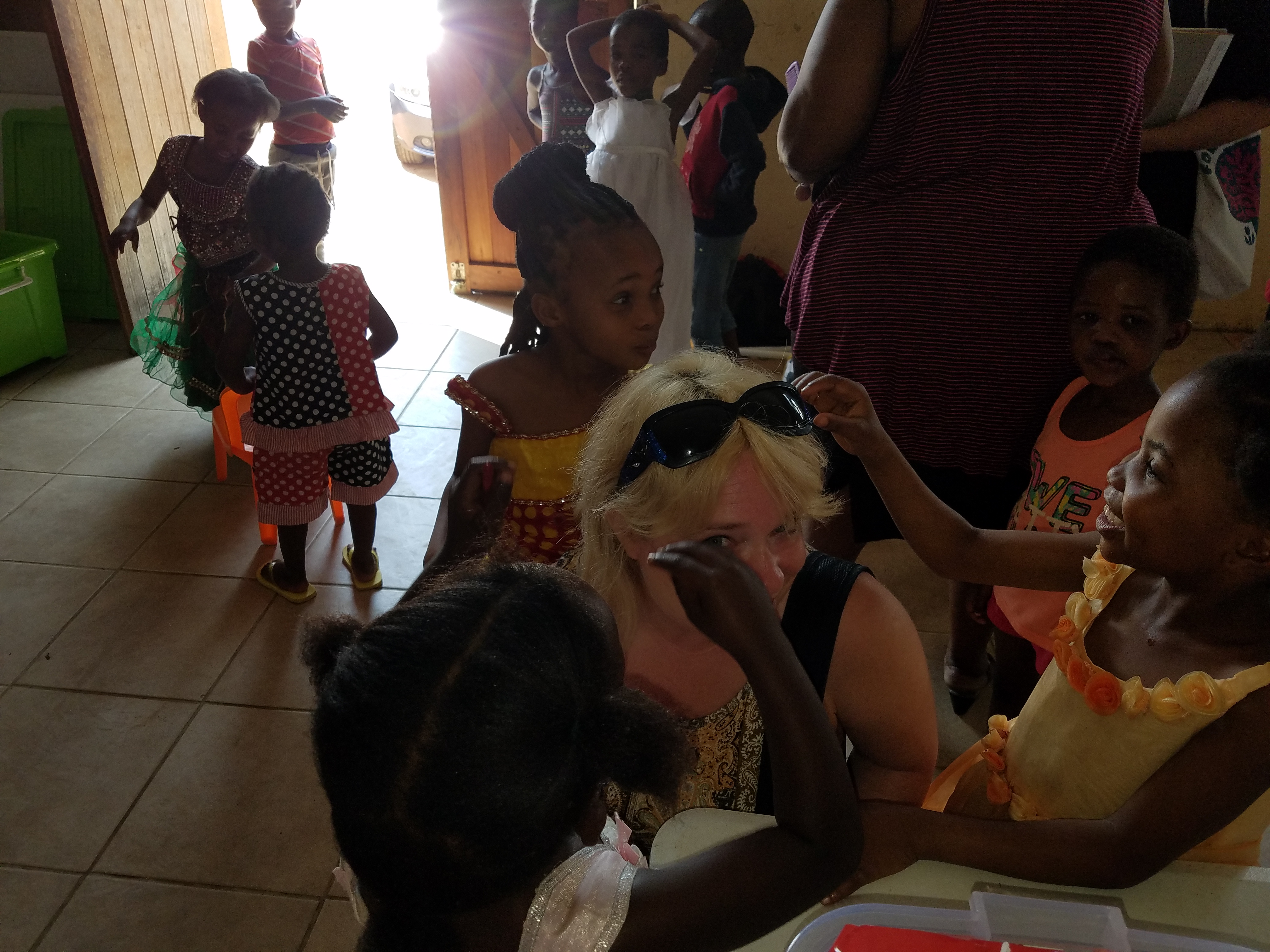
Again, her hair was the subject of much interest, and this time her Shamu sunglasses also deserved serious inspection. Several of the little girls tried them on for size.

20170923_103008

Simon was rewarding his kids with a game of “noughts and crosses” after they did their reading in English. His kids called it “Xs and Os”, but when Susan came over toward the end of the session and said, “Oh! Tic Tac Toe!” the boys thought that was hilarious. One boy in particular was captivated by the name, so he wrote it out in English and we repeated it several times so that he would always remember it.

20170923_113939

It was a bittersweet afternoon and we marveled at these perfect young people even as we wondered what some of them were enduring in their short lives. How do you thrive when your parents are dead or dying? How do you go on to be healthy and whole when you’re one of many who needs love and care? What is the best way to support people like Shirley, who takes these precious children in?

IMG_6832

We had long conversations with educators and students during our time at Maru-a-Pula, and gained tremendous insights into the country’s massive educational challenges, and its small successes. Botswana—and by extension, Africa—took hold of our hearts, filling them with joy, and shattering them to bits.

Next: HAPPY BOTSWANA INDEPENDENCE DAY!

Want to see more photos? Check out our Into Africa album on Veness Travel Media on Facebook. We will be adding to the album as each blog goes up.


The Prodigal Son Returns

IMG_7686

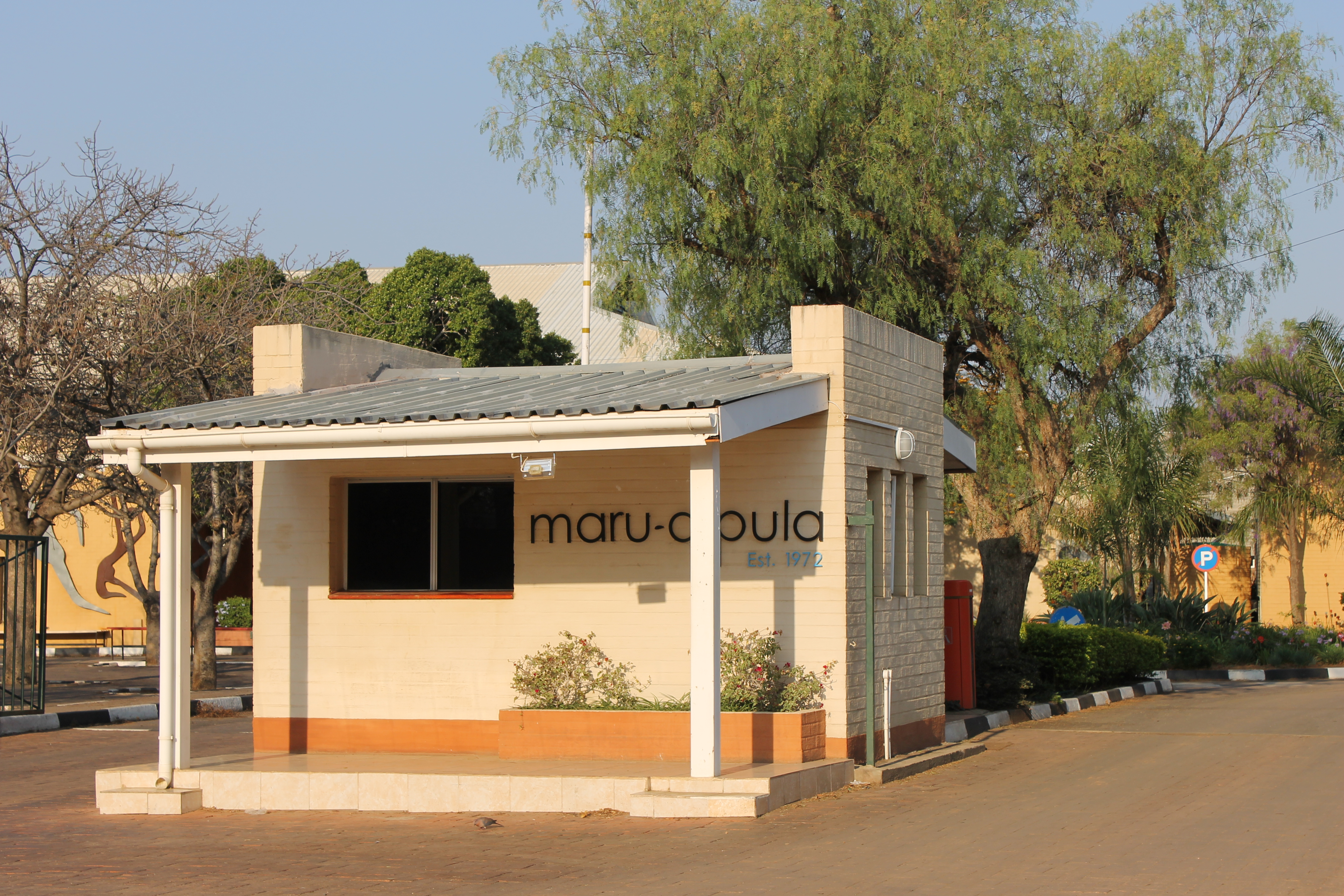
We were waking up at Maru-a-Pula! After years of talking about it, we were finally there! A good night’s sleep helped to counteract the previous night’s frustrations, and we awoke to a peaceful school campus.

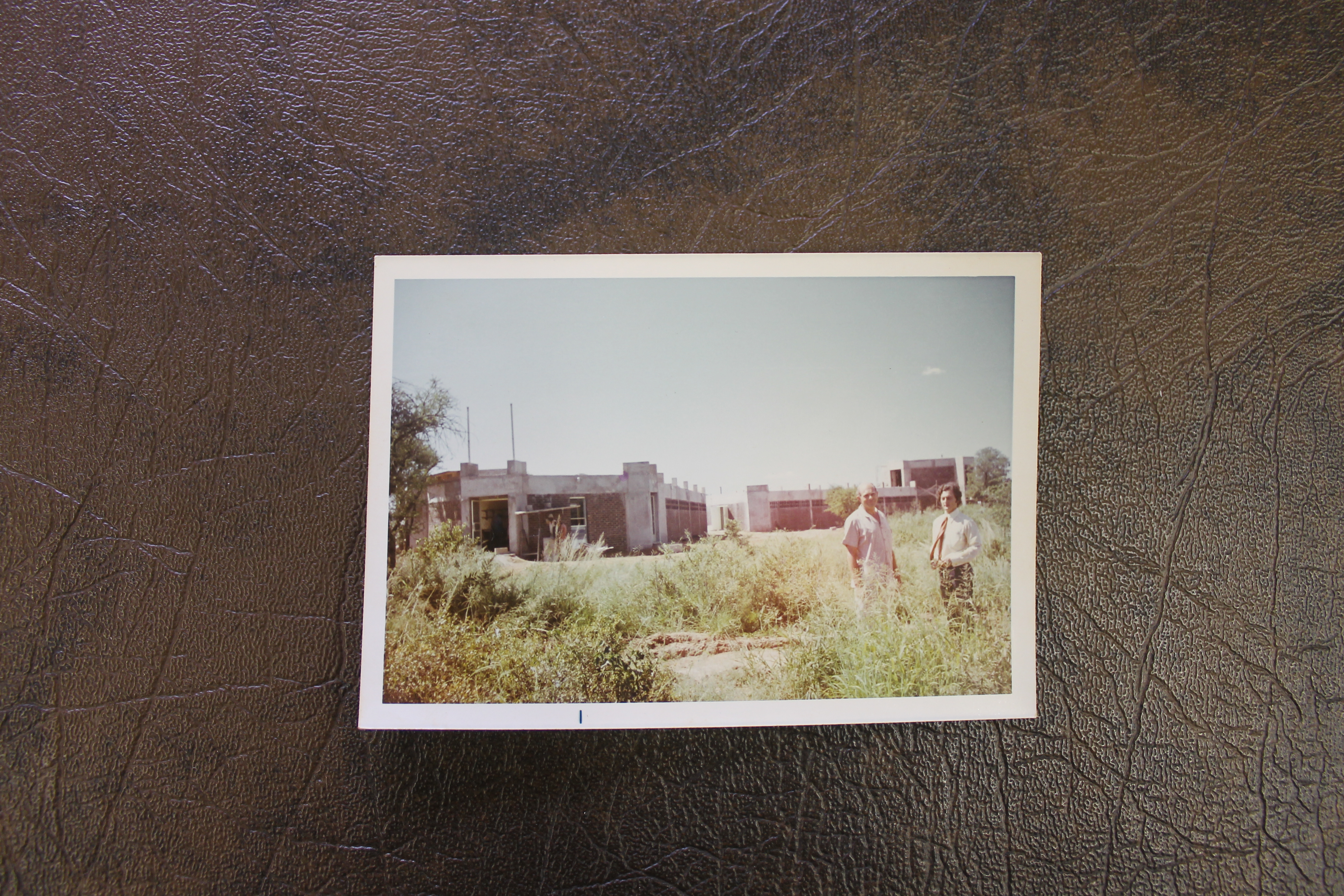
After 41 years away, Simon found the campus unrecognizable as we walked around that first morning. In his school years there were 50 students, one boys’ boarding house, a small dining room, the Headmaster’s house, and two classrooms.

IMG_7059

The few original buildings were lost in the welter of the new, and novel touches like storm drainage, landscaping, trees, pathways and air-conditioning had been installed.

IMG_7696

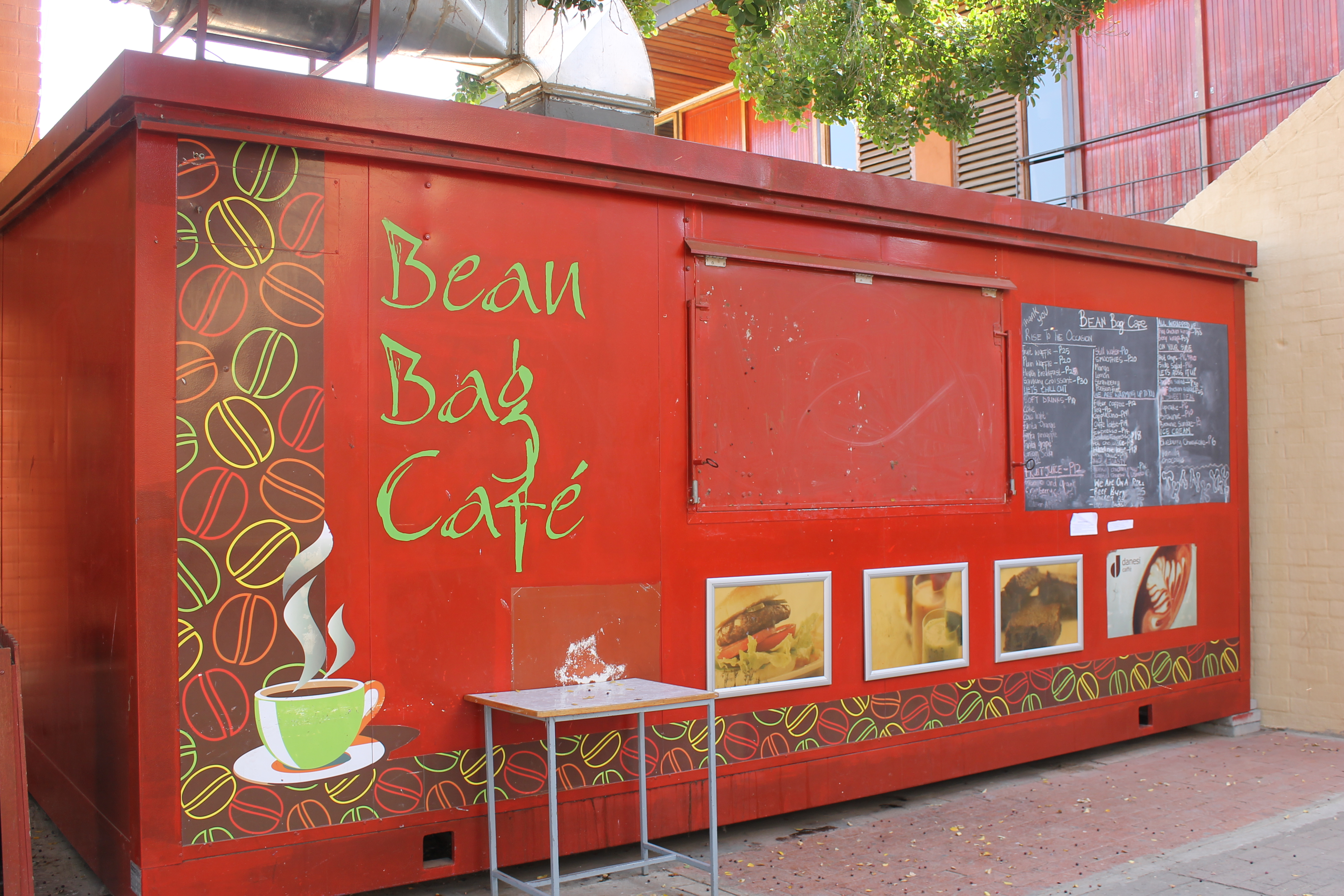
The periphery was where the school has changed most. Instead of bush, bush and more bush there was a grass sports field (which Simon’s class had hacked out of the bush, and which had been nothing but red dirt for many years), tennis courts, a swimming pool (which Simon’s class had dug by hand until a backhoe was brought in for the final touches), an enormous library building, the spectacular Maitisong performing arts center, the Bean Bag Cafe, and a great number of classrooms.

IMG_6426

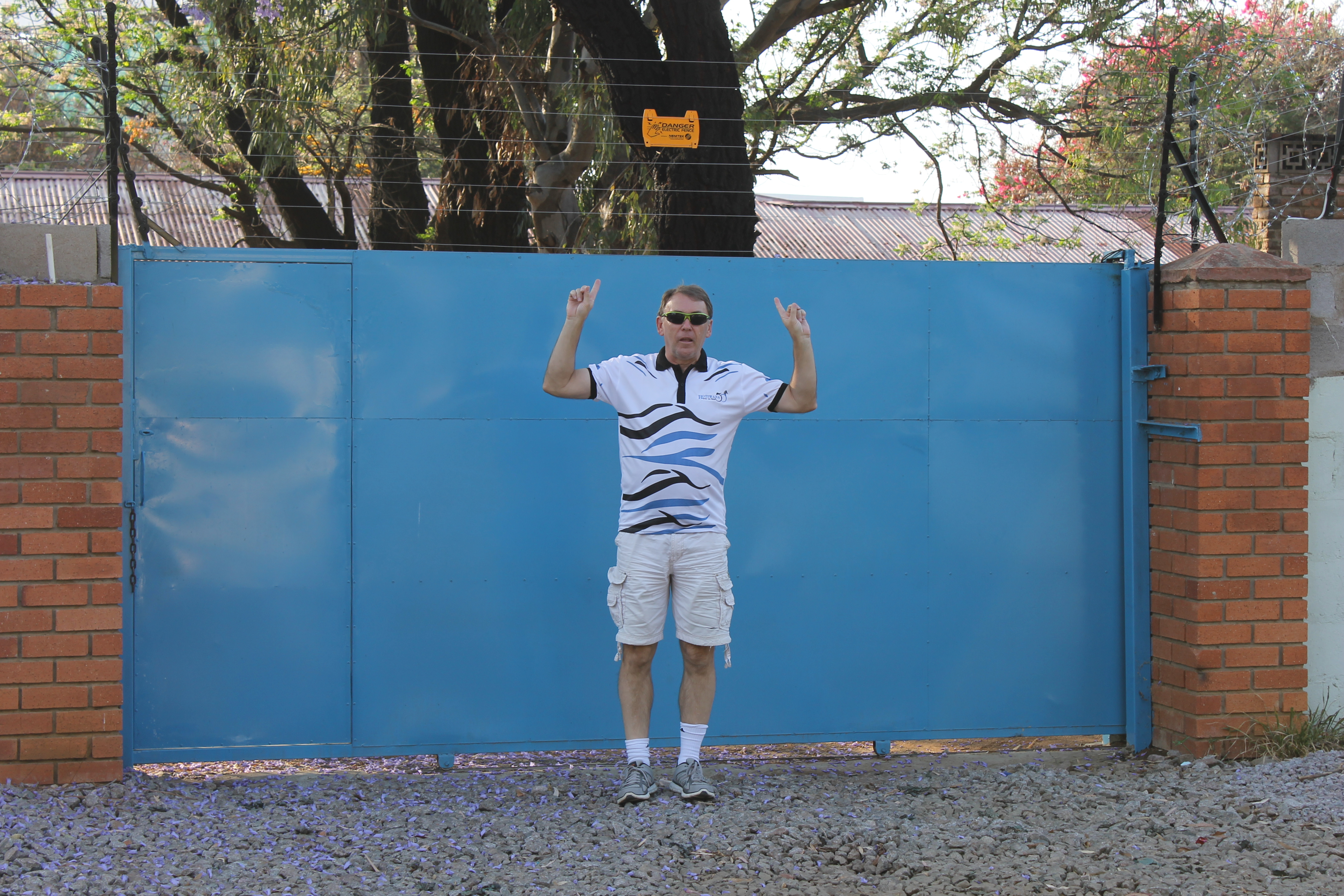
We began work on the book straight away, but had time that first afternoon for a quick drive around the immediate locale, looking for Elephant Rd and Simon’s old house – which was now behind a huge wall and electrified fence.

IMG_7677

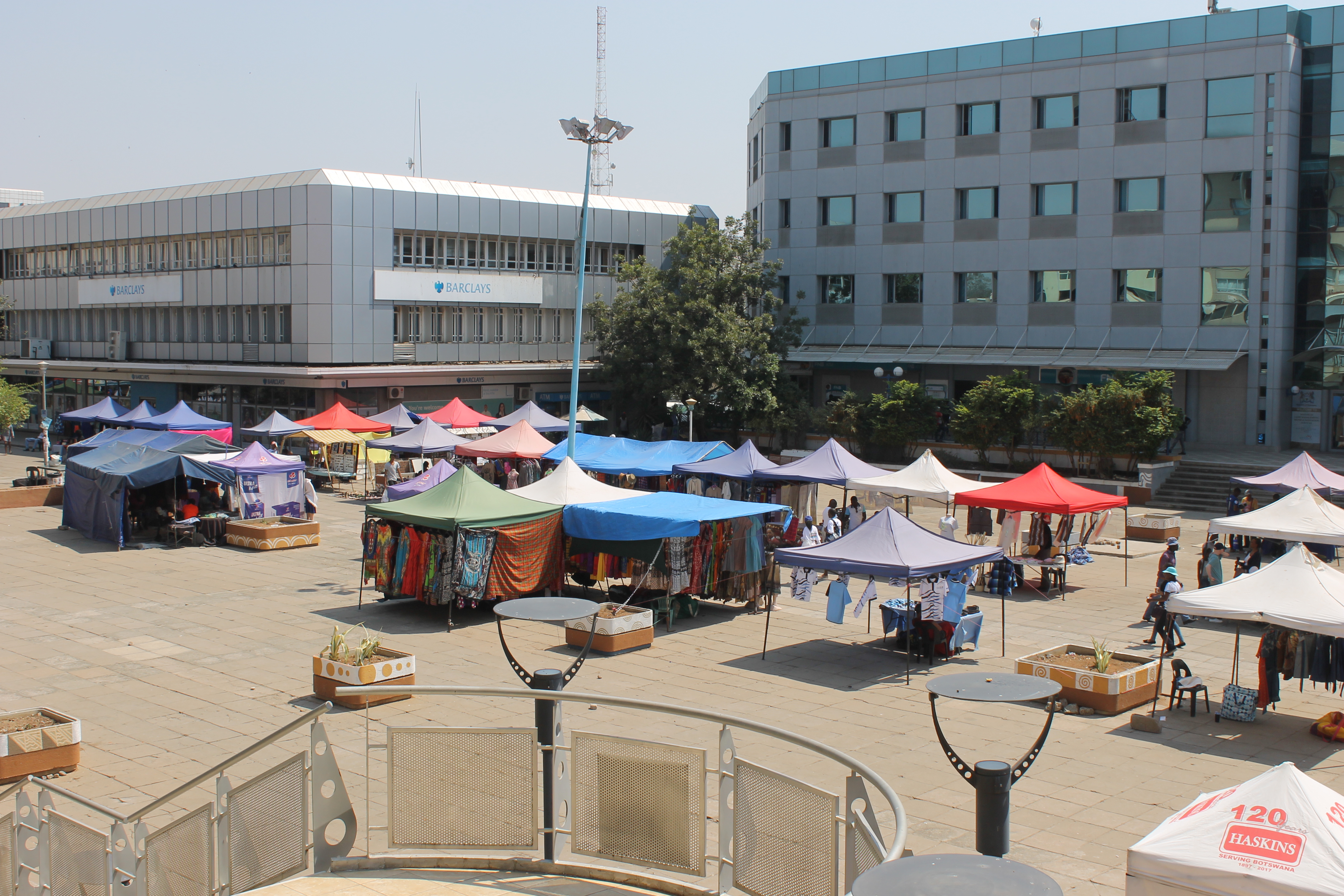
The Mall, once the city’s main shopping focus, had definitely seen better days, and although there was a craft market going on, it didn’t hide the fact the basic fabric of the place was crumbling and in urgent need of some TLC.

IMG_6459

We had dinner that evening with Andy, the Headmaster, and had a wonderful reminisce about Simon’s days at school, while enjoying good food, superb wine, and the joy of a prodigal son returned home.

Walking around the campus would be a daily habit, and one evening we had a stroll in the twilight. Of all the things Susan didn’t think she’d have to say when we woke up that morning, “Simon, step back a bit so the monkey doesn’t pee on your head” was right up near the top. There were monkeys in some of the trees, Kalahari refugees from the drought that has gripped Botswana for the last three years. (There is a monkey in this picture; look closely!)

IMG_6465

But we also finally discovered the Memorial Garden, where the conjoined ashes of Deane and Dot are buried. They are buried across from a little pond with calla lilies in it, and a bench to sit and contemplate. And, as per Deane’s instructions, his ashes and Dot’s are mixed together, forever one inseperable from the other.

Simon had been in touch with Deane via Skype for a few years before he passed, and had only missed seeing his Headmaster in person again by just a couple of years. Seeing Dot and Deane’s resting place was quite an emotional moment for Simon, but the peacefulness of the garden was fitting, and helped ease some of the sadness.

IMG_6472

On our first afternoon we spent about an hour with Arlington, the staff member who organizes activities beyond the school that the students sign up for as part of their required social service. We volunteered to join them on a trip to Gabane, the impoverished village Simon’s class had “adopted.” Back in the 1970s MaP students would go out twice a week, along pitted dirt roads in the back of a pickup truck, to make bricks from mud and cow dung for patching huts; to help lay thatch for the villagers who needed their roofs repaired; to do chores and cooking for the elderly and the infirm; and to provide food to the most destitute among them.

We would be visiting a school to do tutoring and feeding, and would also sign up to visit two other schools and a community center to do tutoring. Those afternoons were so special we’ll dedicate our next blog to them, so stay tuned.

IMG_4870

Our time at Maru-a-Pula was so joyful, and so sentimental for Simon, we can’t wait for the chance to return some day. So much had changed, but so much had remained the same, especially for that very first class that did their acceptance interviews and aptitude tests in Dot and Deane’s blue tent in the middle of the bush, with nothing but hope and determination around the plot of land that would become Africa’s most successful school.

IMG_4872

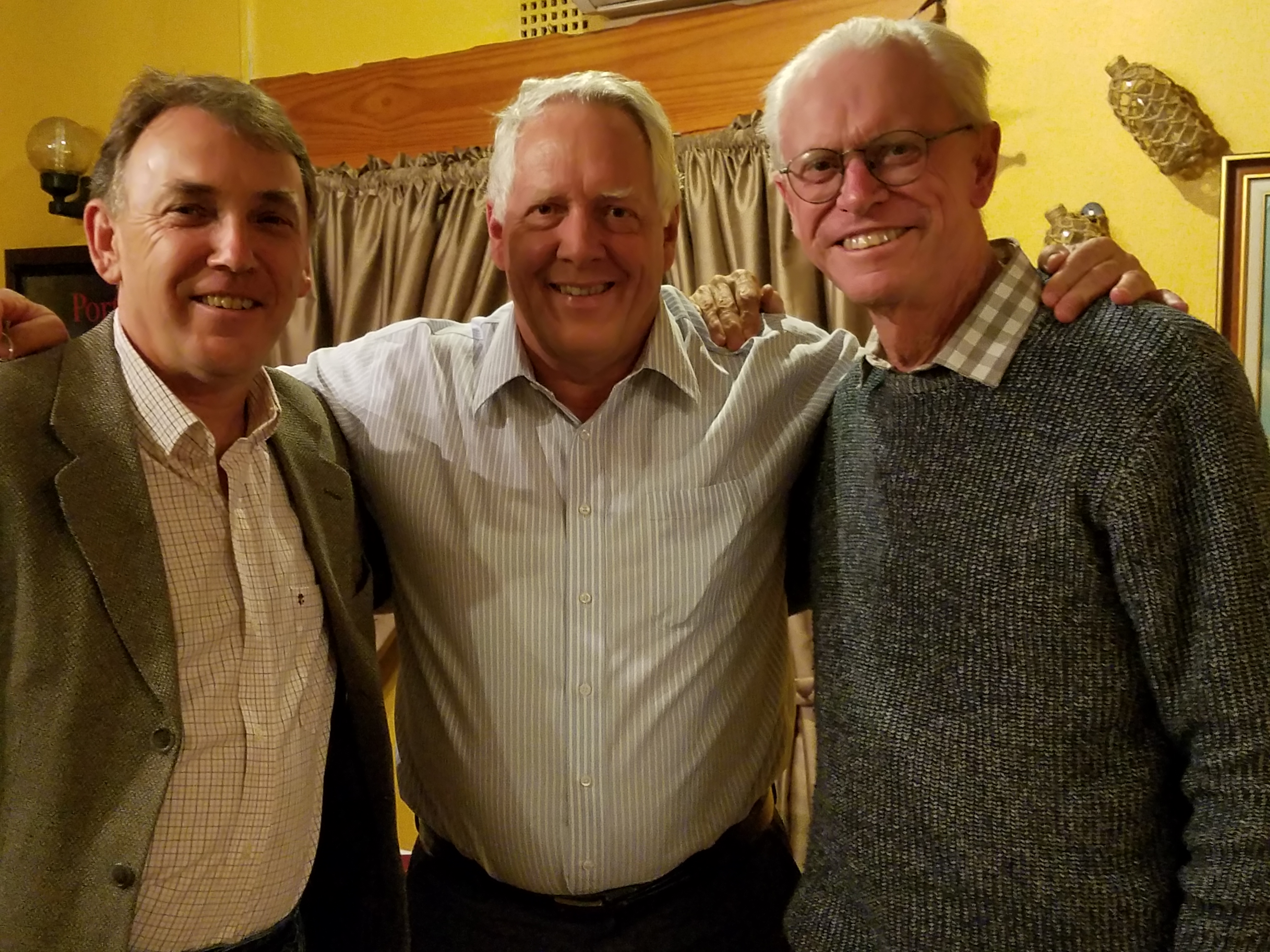
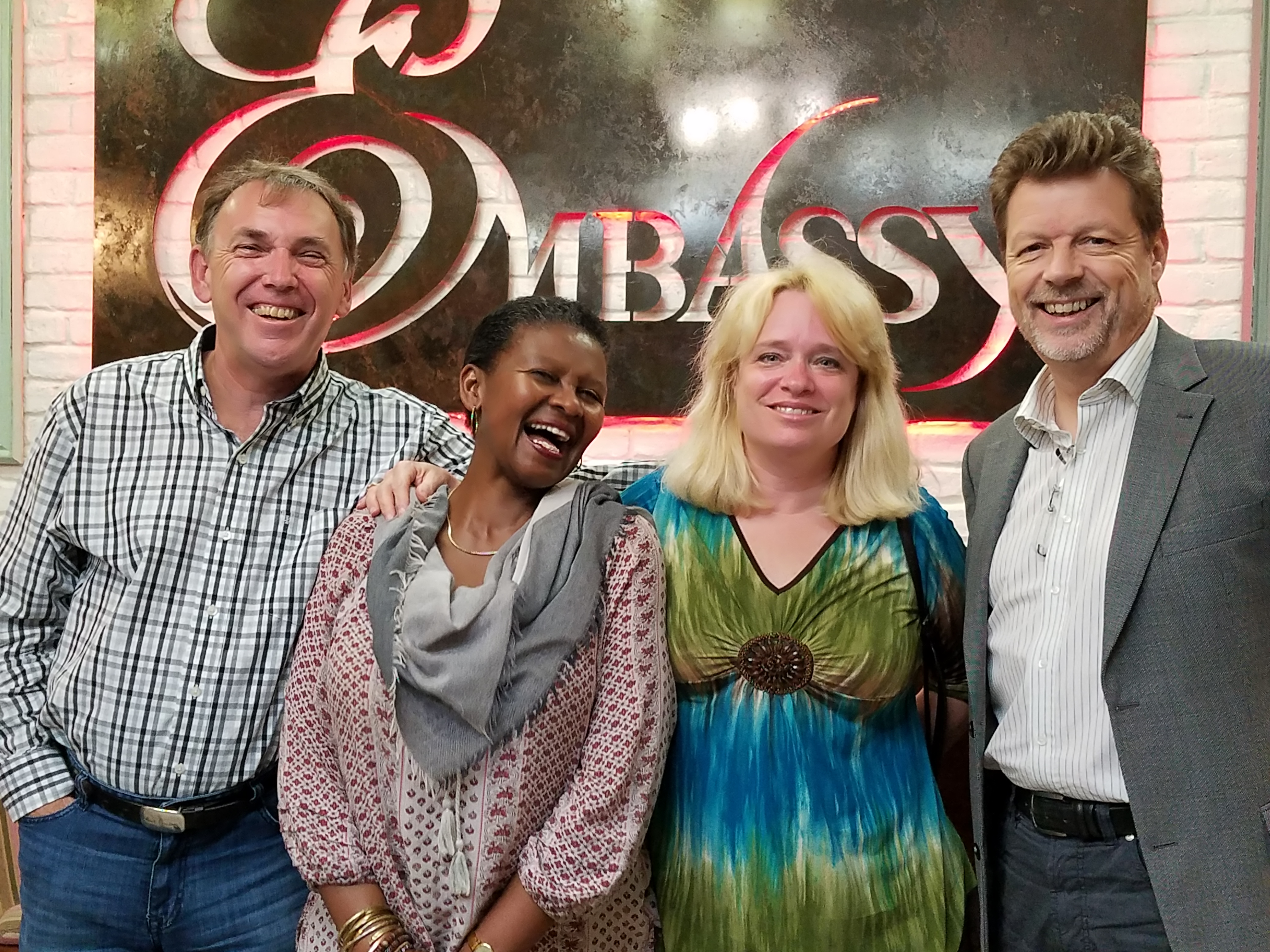
Most of the students from that first class have gone on to do incredible things, many of them in social justice, and they have remained in touch over the decades. We were honored to include them in our interviews toward the book, and even more delighted to have established—and re-established—what will remain lasting friendships, including current headmaster Andy Taylor and Maitisong creator David Slater (below), and former first-year student Alice Mogwe and her husband Ruud Jansen (lower photo).

20170929_205453

20170928_230616

Next: “Take My Picture! Oh, And Can I Touch Your Hair?”

Want to see more photos? Check out our Into Africa album on Veness Travel Media on Facebook. We will be adding to the album as each blog goes up.
 

“Never, Ever Drive At Night.”


IMG_6369

It had to happen. After all the wonderful events and experiences of the previous 13 days, we had to have a total bummer. And then some.
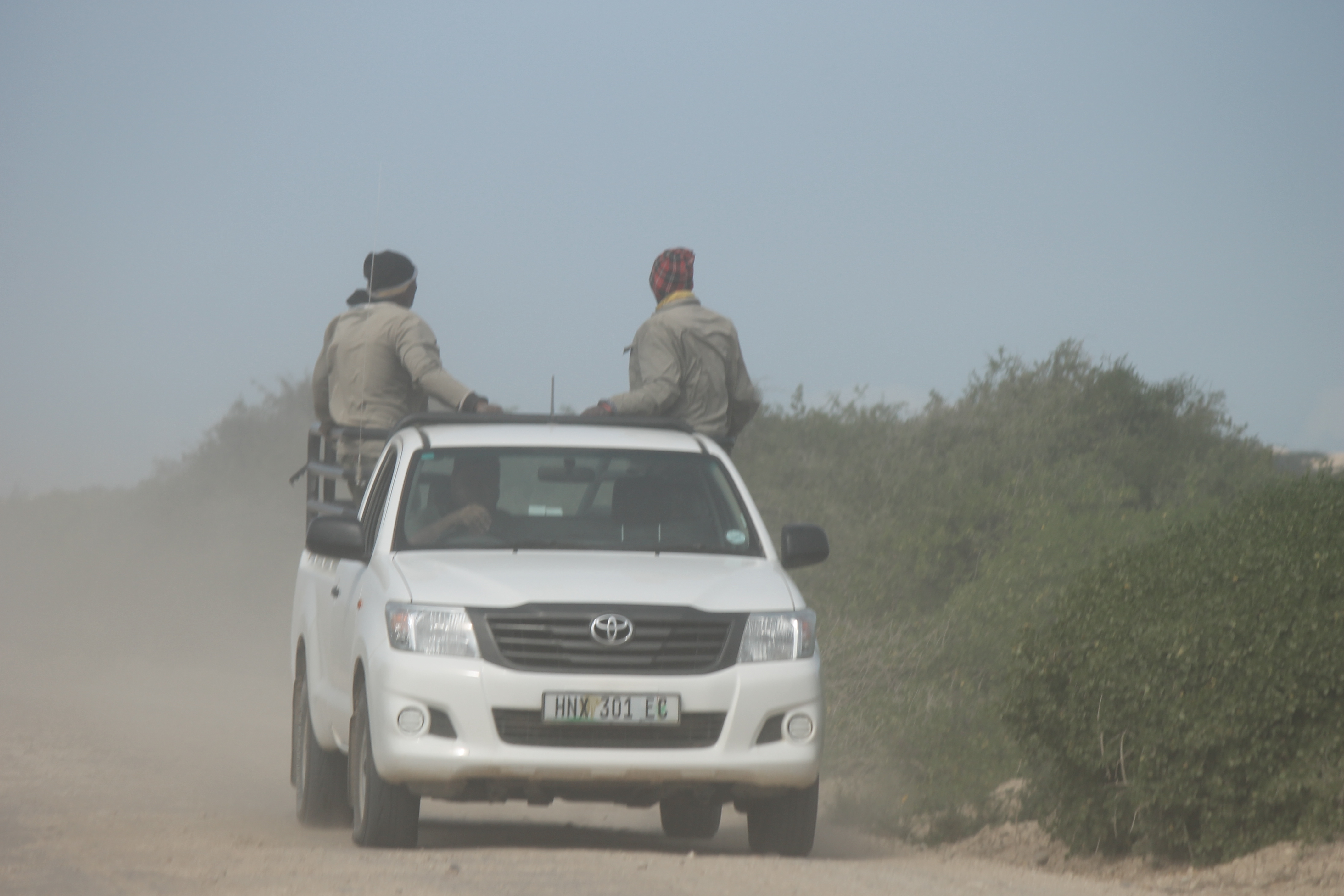
After two fantastic days at Addo we checked out and headed to Dung Beetle River Lodge at the far southern end of the park, but our GPS took us down a terrible dirt road, and a second even worse dirt road which, while being a bummer, wasn’t the real bummer yet to come. These are the only people we saw during the whole 1 hour drive, and we’re pretty sure it gives an indication of what we were breathing in the whole time.

IMG_6249

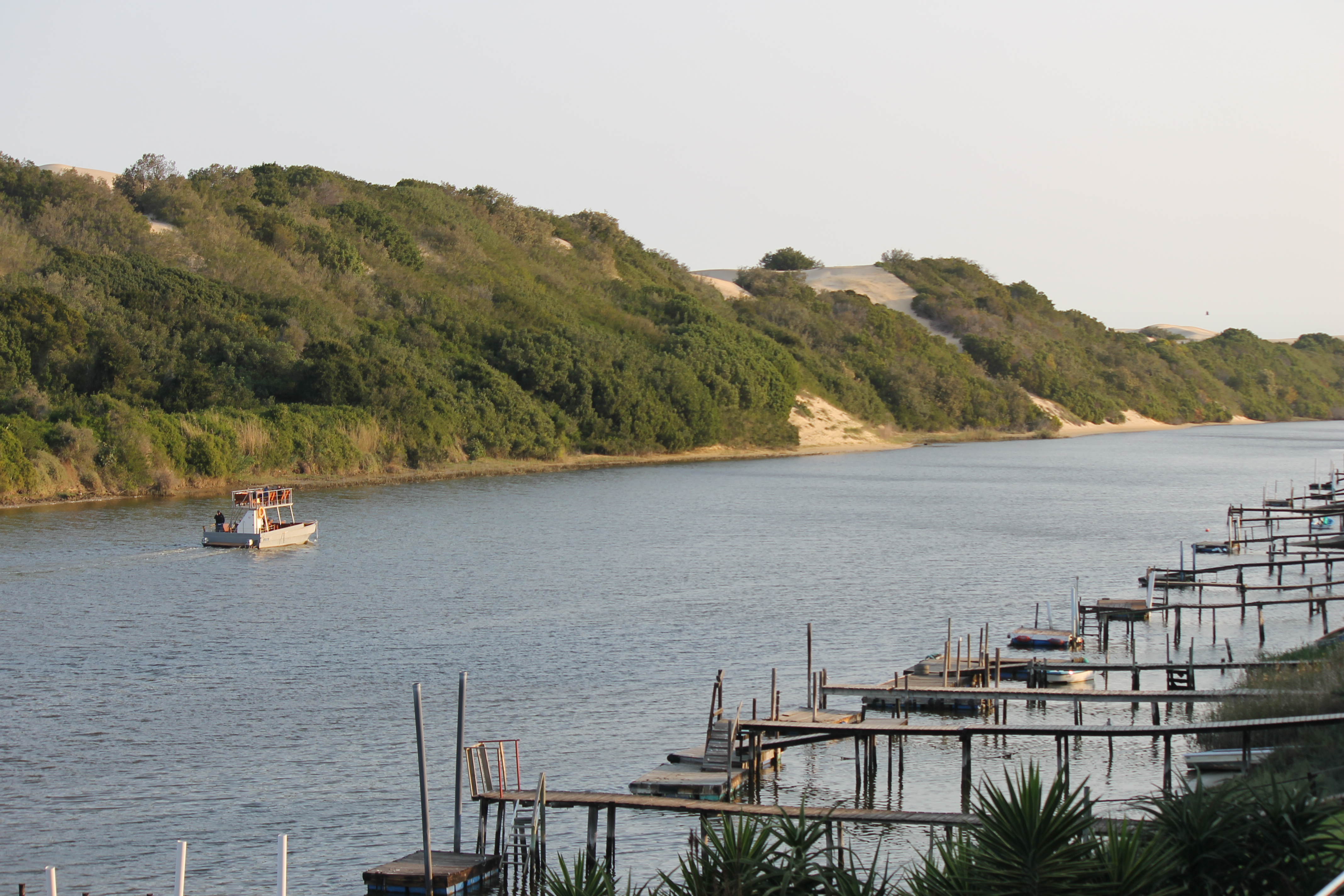
By the time we got to Dung Beetle the owner took one look at us and insisted we each have a beer on the deck overlooking the Sunday’s River and work on adjusting our attitudes.

IMG_6323

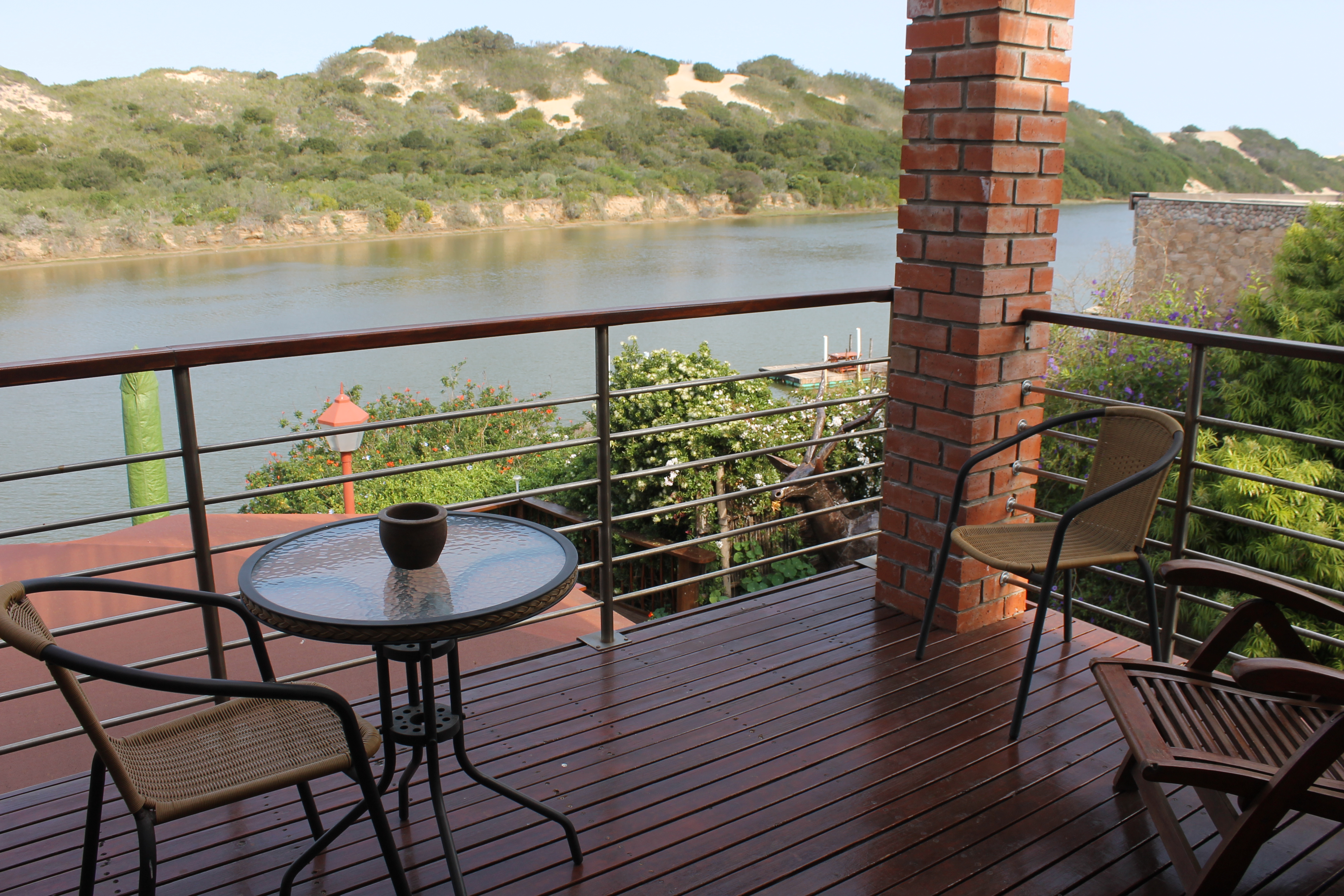
We’d booked the Elephant Room, which had a fabulous balcony over the riverside deck, and while we had originally thought we’d head back into Addo, we decided it was impossible to top the previous day’s experience, so we opted to look around Colchester a bit.

IMG_6265

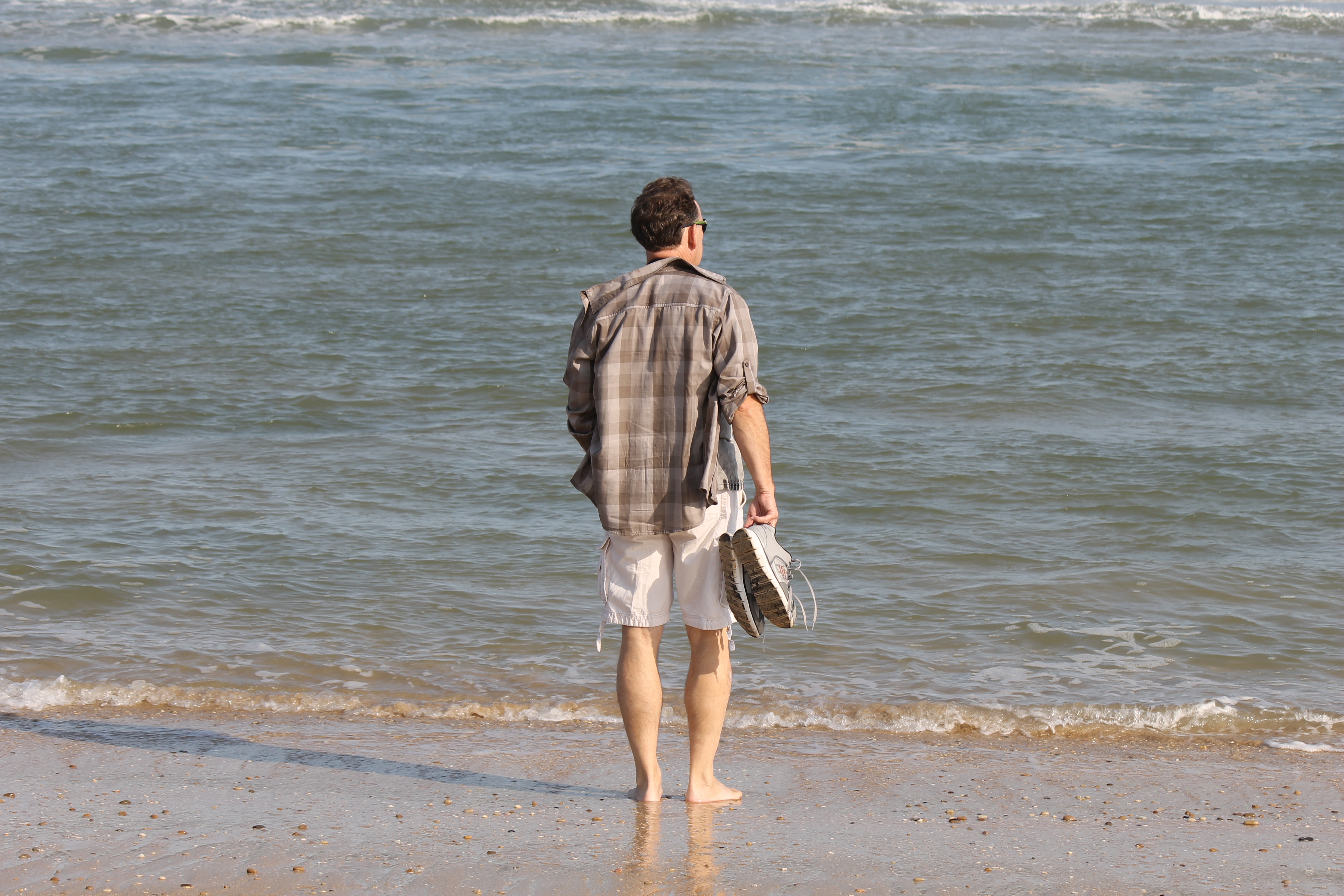
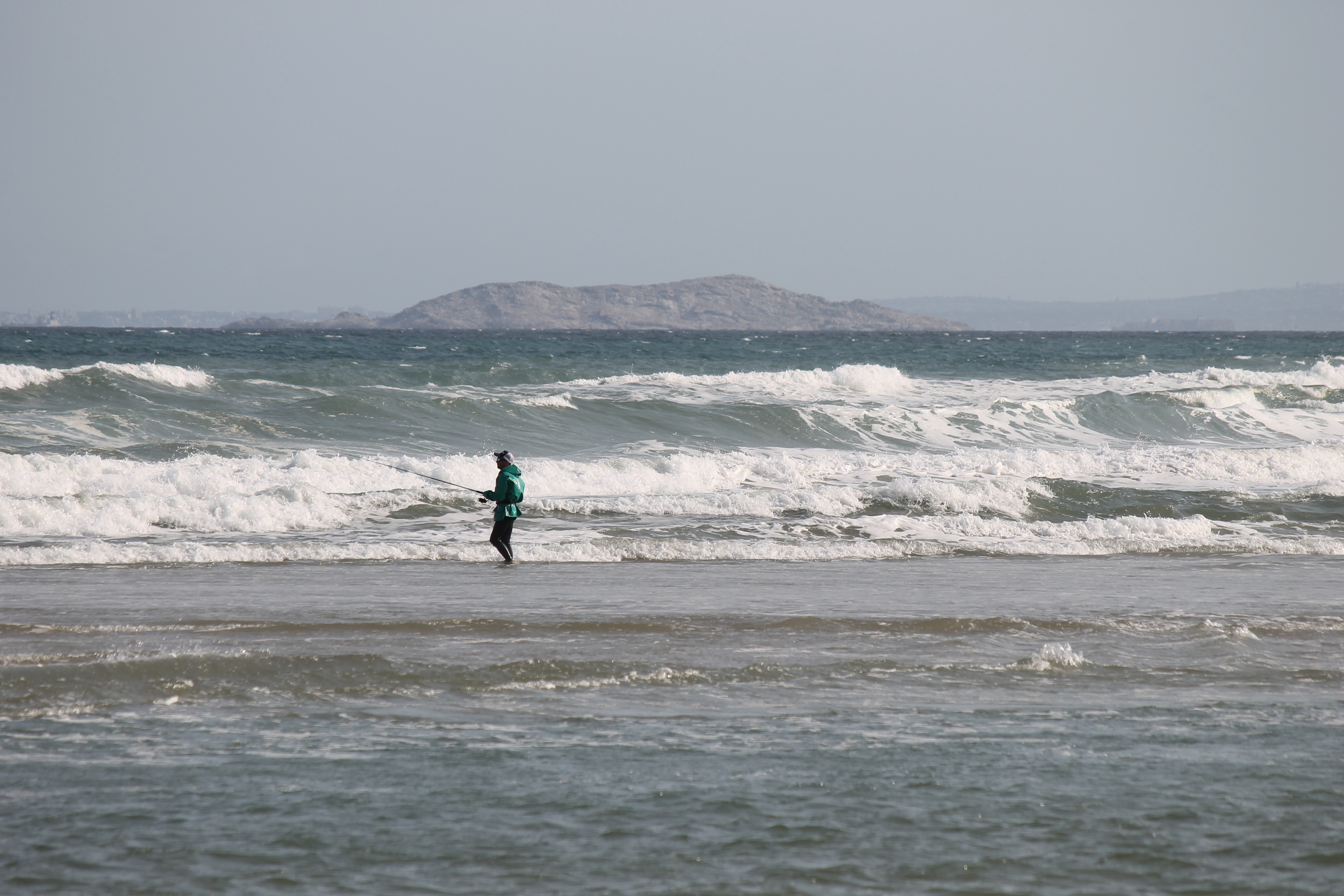
The owner had suggested we drive to a park that led to the mouth of the river, and to the dunes along the ocean. We spent about 2 hours walking the beach and climbing the dunes, and we met some fishermen who were fishing for Kob in the rough waves. A perfect wind-down before we headed to Simon’s former school the next morning.

IMG_6299

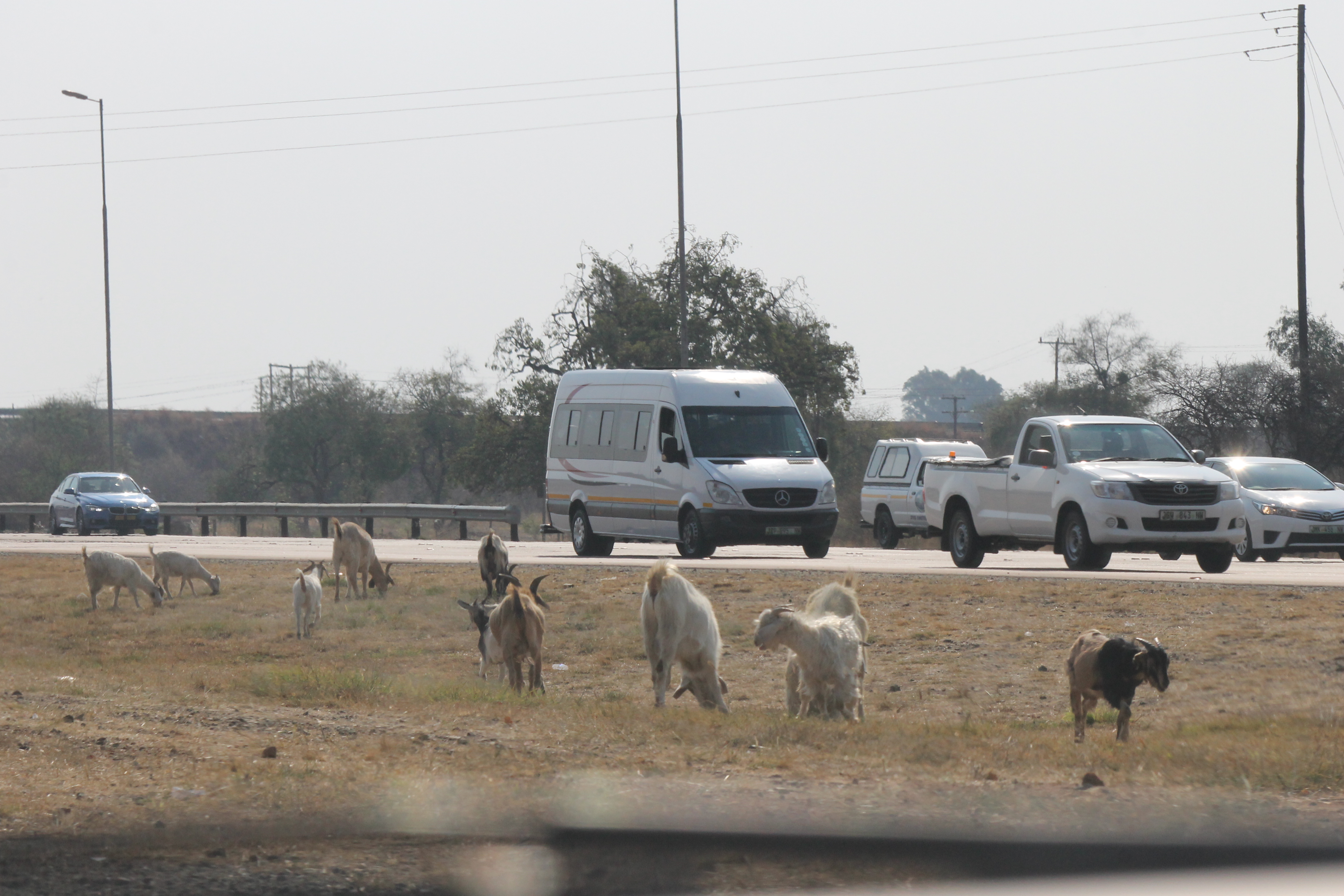
Our Botswana Travel Day started out well, with an early flight back to Jo’burg and a drive north to Maru-a-Pula, Simon’s school from 1973-1976. But not so fast. We suddenly discovered our flight was not at 11.20 but 10.35, so we really needed to leave Dung Beetle at 8.15 to be on the safe side. It was only a 30 minute journey to the airport, but we couldn’t afford to take any chances. We had booked the earliest flight so as to avoid driving in Africa at night, which everyone on God’s green earth assured us was a terrible, terrible idea. Deadly, in fact. So don’t do it. The photo below, which is an actual in fact HIGHWAY, is part of the reason why.

IMG_6346

Breakfast at Dung Beetle only started at 8 a.m., so we packed and threw our cases in the car first, then threw some coffee and toast down our necks before bidding the owners a hasty farewell. The journey was easy; we dropped off the hire car, checked in, and were through security by 9.05 a.m. Now we had an hour’s wait, during which we regretted not having time for a full breakfast.

We arrived at Tambo airport in Johannesburg, and our miseries began. It took a full hour to get mobile, thanks to the slowest clerk in the Hertz inventory and an absolute ton of paperwork that needed to be processed to allow us to take the car into Botswana and not be stopped as car thieves (a common problem in South Africa), and then finding a car that didn’t have a built-in GPS, as those cars aren’t allowed out of the country. Since the photos we would have inserted here, had we taken any, would be us laying on the floor in a comatose state, I’ll just put up a nice picture of the  fisherman from Colchester instead.

IMG_6297

After an inordinate amount of back and forth, in and out, consulting the manager and talking to the office upstairs, our girl finally got us going. Only our car was at the FAR end of the Hertz garage, and then the GPS didn’t have the necessary adapter, and then the guy had to find the adapter, and then…. At one point, we thought it would be quicker to walk, but we gritted it out and finally got mobile nearly 2 hours after we landed.

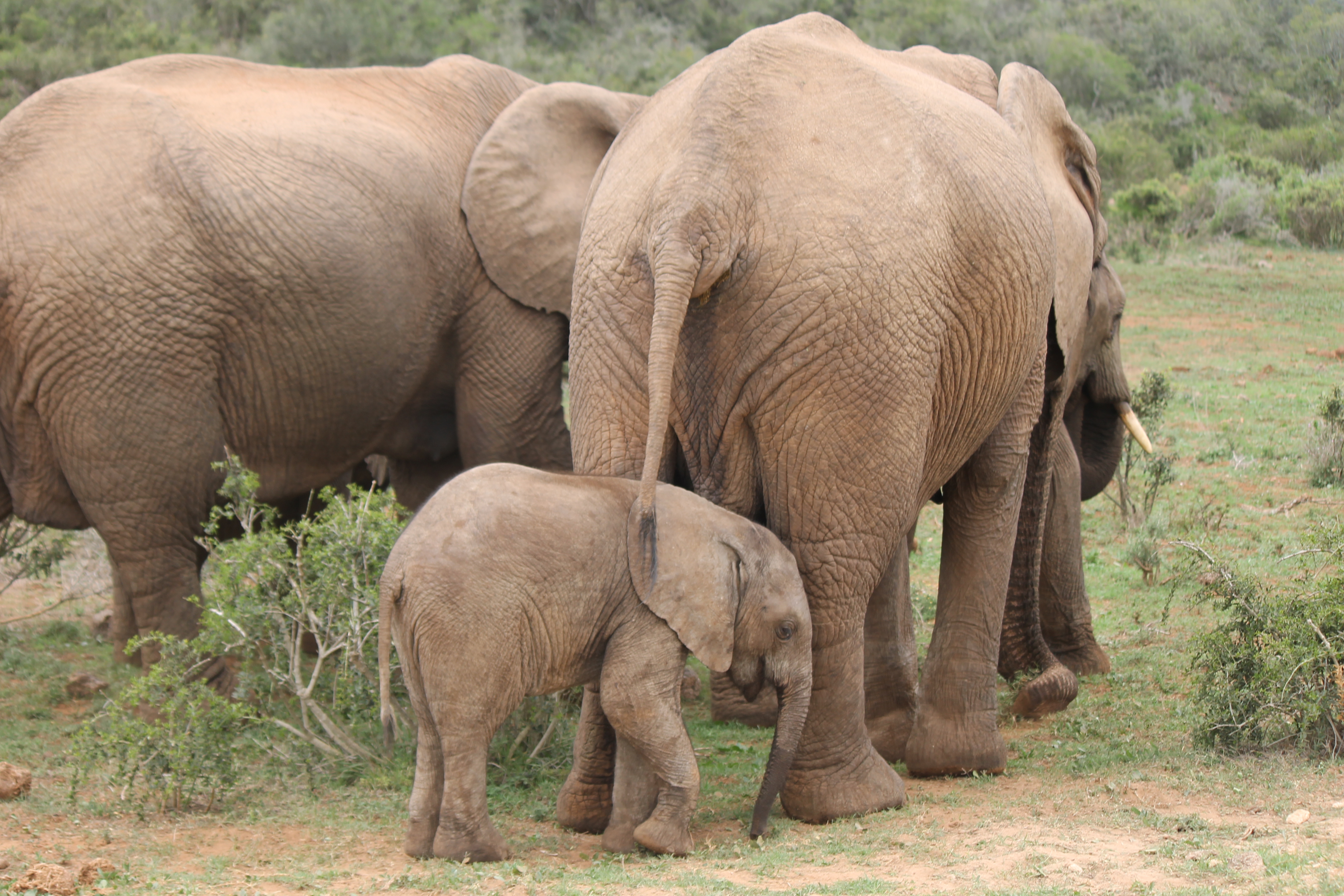
We inevitably hit traffic around Pretoria, and then the snarl-ups along the N4 thanks to all the trucks that slow things down. We (foolishly) didn’t grab some water before we left, thinking there would be plenty of places to stop on the motorway (there weren’t; in fact, after Pretoria, there were none); we stuck with the N4 thinking it would, eventually, work out quicker (it didn’t); and we hoped that we would get through the border crossing before dark (we didn’t). Again, the pictures would have been sad, so here are some elephant butts instead.


IMG_5780

We spent the next 4 hours dodging insane drivers who had no idea there were lines on the highway or oncoming traffic. The guy in the truck on the right-hand side of this picture isn’t in the oncoming traffic’s lane because he’s passing. No, sir! He’s there because he wants to get where he’s going faster, and he’ll just speed along in whichever lane is clearest at the time.

IMG_6337

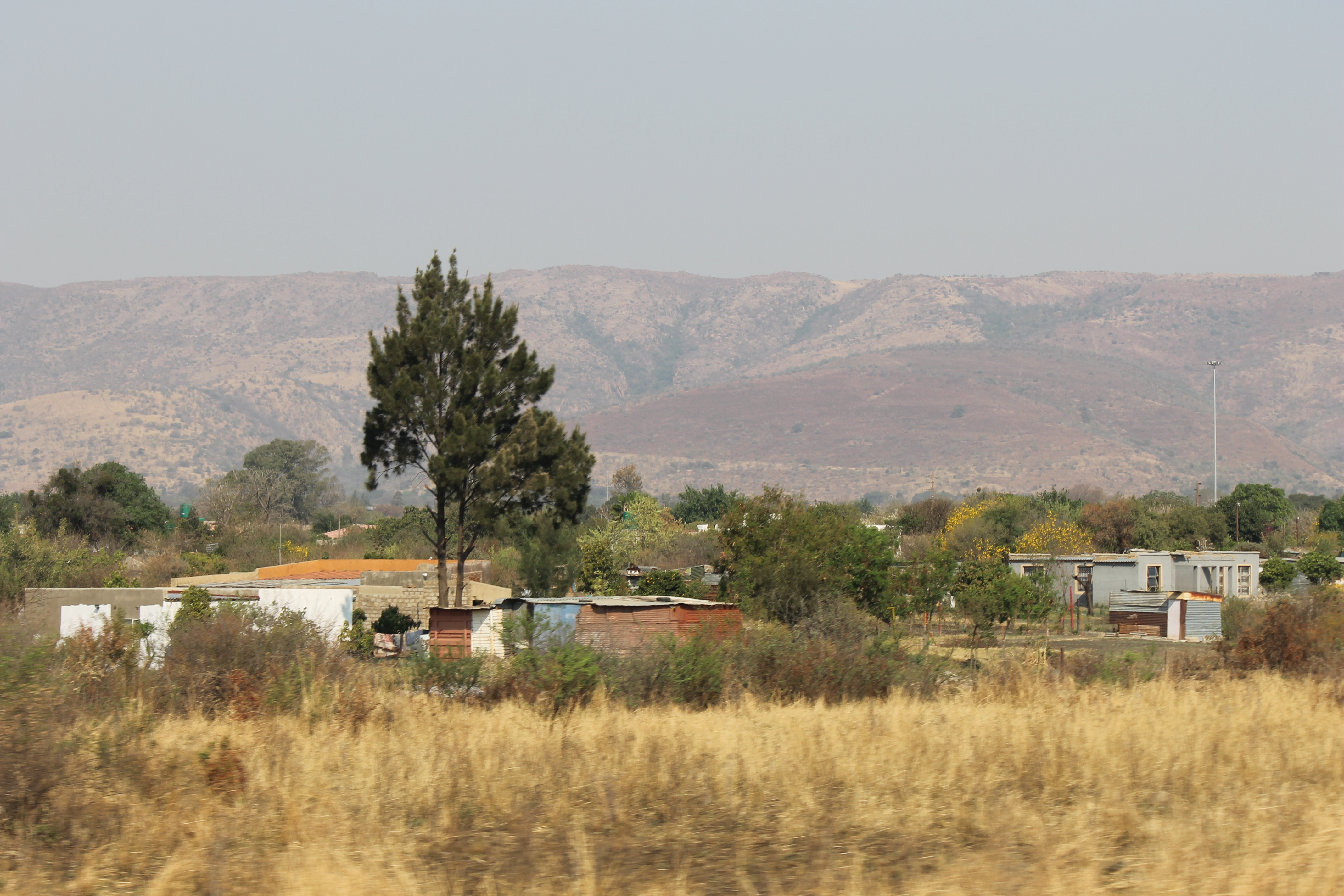
Even so, we thoroughly enjoyed the African landscape unfolding before us–flat, semi-arid territory broken only by occasional small, and very ancient, mountain ranges – and it was fun to see signposts for the likes of Rustenberg and Zeerust that really brought back memories of Simon’s time living in Gabs.

IMG_6343

Then we hit terrible roadworks through Swartruggens, which really slowed us down, and then they had the cheek to charge us a R75 toll for using their highway. The police were doing car and truck searches further along, but they seemed to know what they were looking for, because they waved some cars through, including ours. Then we hit construction work. Then another checkpoint. Then more construction. Then the town of Zeerust, which was absolutely bizarre, with people walking everywhere, and our GPS routing us down some side street. Our chances of making it to Gaborone before dark were like the sun; quickly fading.

IMG_6384

We eventually pulled into the South Africa border crossing at about 5.50 p.m., knowing we had a 7.30 p.m. dinner appointment with Andy Taylor at Maru-a-Pula, but also knowing we were only 20km away from the school.

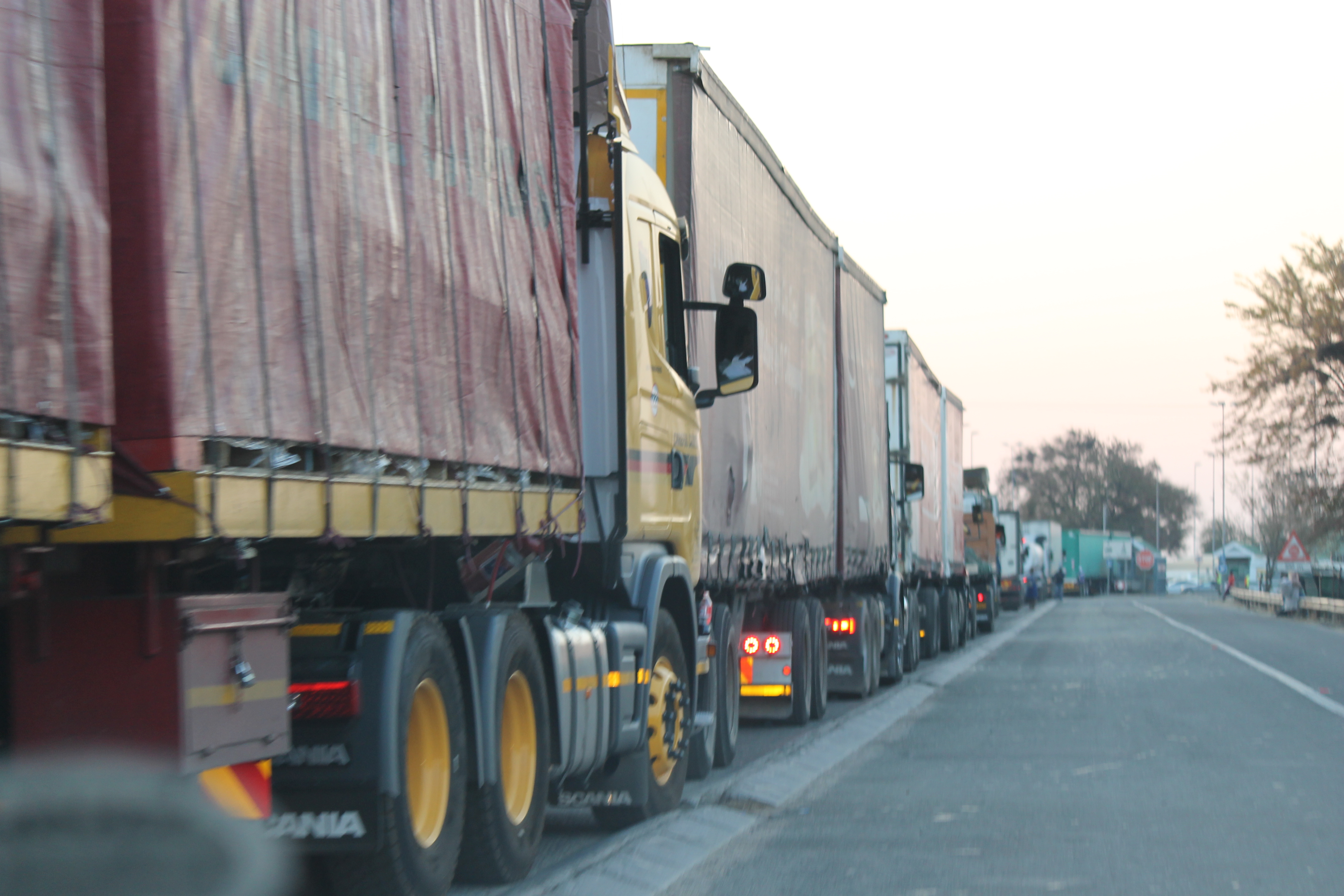
And then we saw it: several miles of trucks backed up at Immigration and, while cars could pass through to the parking lot (where a billion cars were packed together randomly, as if their owners had just slammed them into Park and got out), we found ourselves at the back of a humongous line of humanity to clear South Africa’s immigration.

IMG_6388

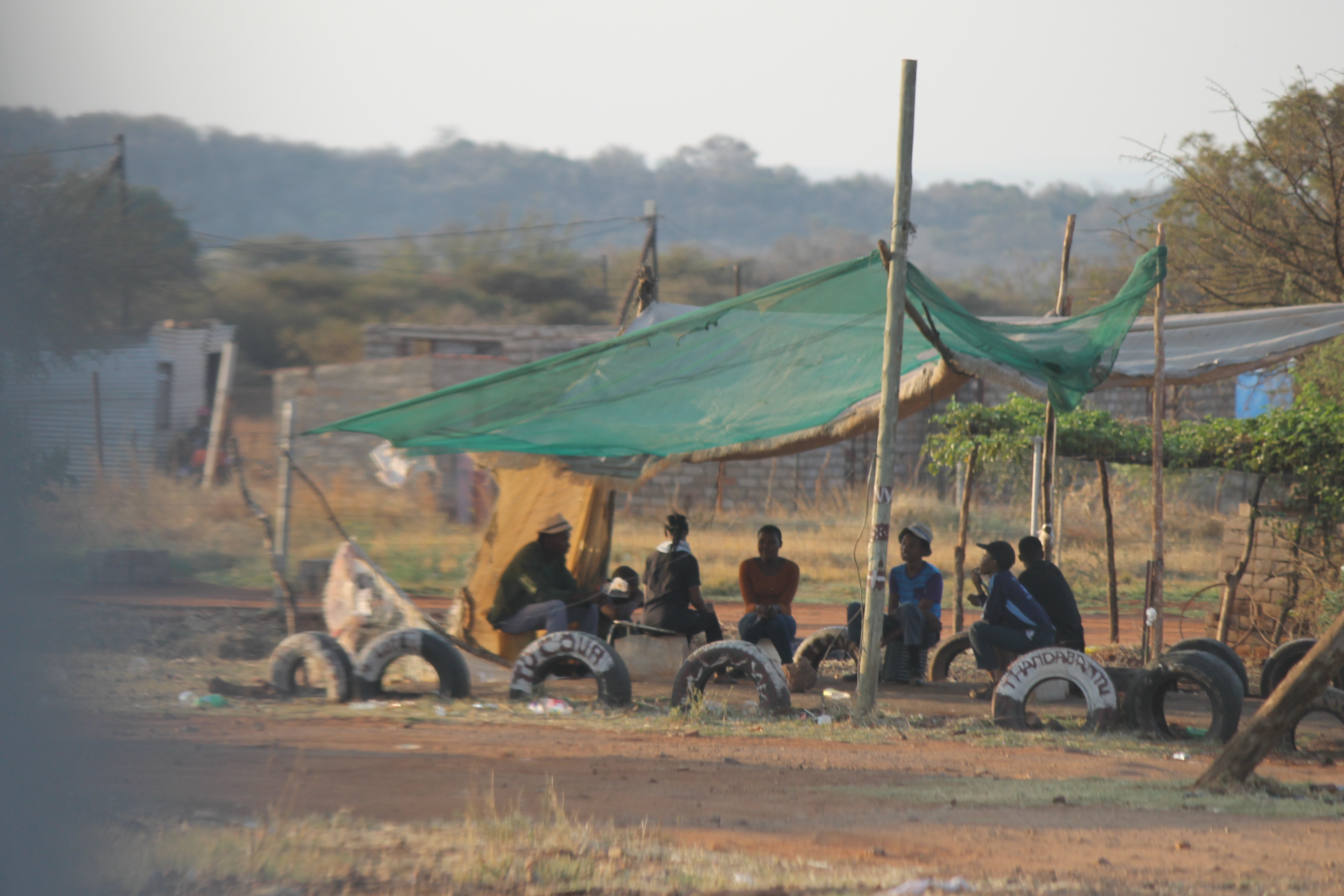
Just before we entered the parking area, we had passed a long, terrifying row of filthy, makeshift, tent-like structures where dozens of people were milling about, some of them selling stuff, some just looking menacing. We couldn’t help but wonder if they were waiting for people to park their cars, knowing they’d be in the building for a while and probably had suitcases in the car. We were certain we’d be robbed blind. This picture isn’t them, but it’s close enough. Had we taken the camera out we’re about 99% certain we would have been killed.

IMG_6373

Once inside the building, there were no instructions and no helpful attendants. There were no forms, and no obvious International Visitors windows. After about 20 minutes, someone shouted, “South Africans right side, everyone else, left”, which sped up the process for ten of the two billion people waiting to get out of the country.

The queue we were in was for biometrics and pictures. The biometric system was new, and as each person used it the attendant said, “Press down. Harder. HARDER! Not like that, like this. Put your fingers here. Press. HARDER….!” And that 65 minute ordeal was just for getting an EXIT stamp from SA, and all the while, as we watched the sun set through the building’s tiny window, we had “Never, ever drive at night” running through our brains. These guys are part of the reason why:

IMG_7263

We passed through the vehicle check to leave the country, having opened our car and our suitcases so the attendant could confirm we weren’t smuggling anyone out, or carrying a trunk full of contraband. Then we had to do it all again at the Botswana border post.

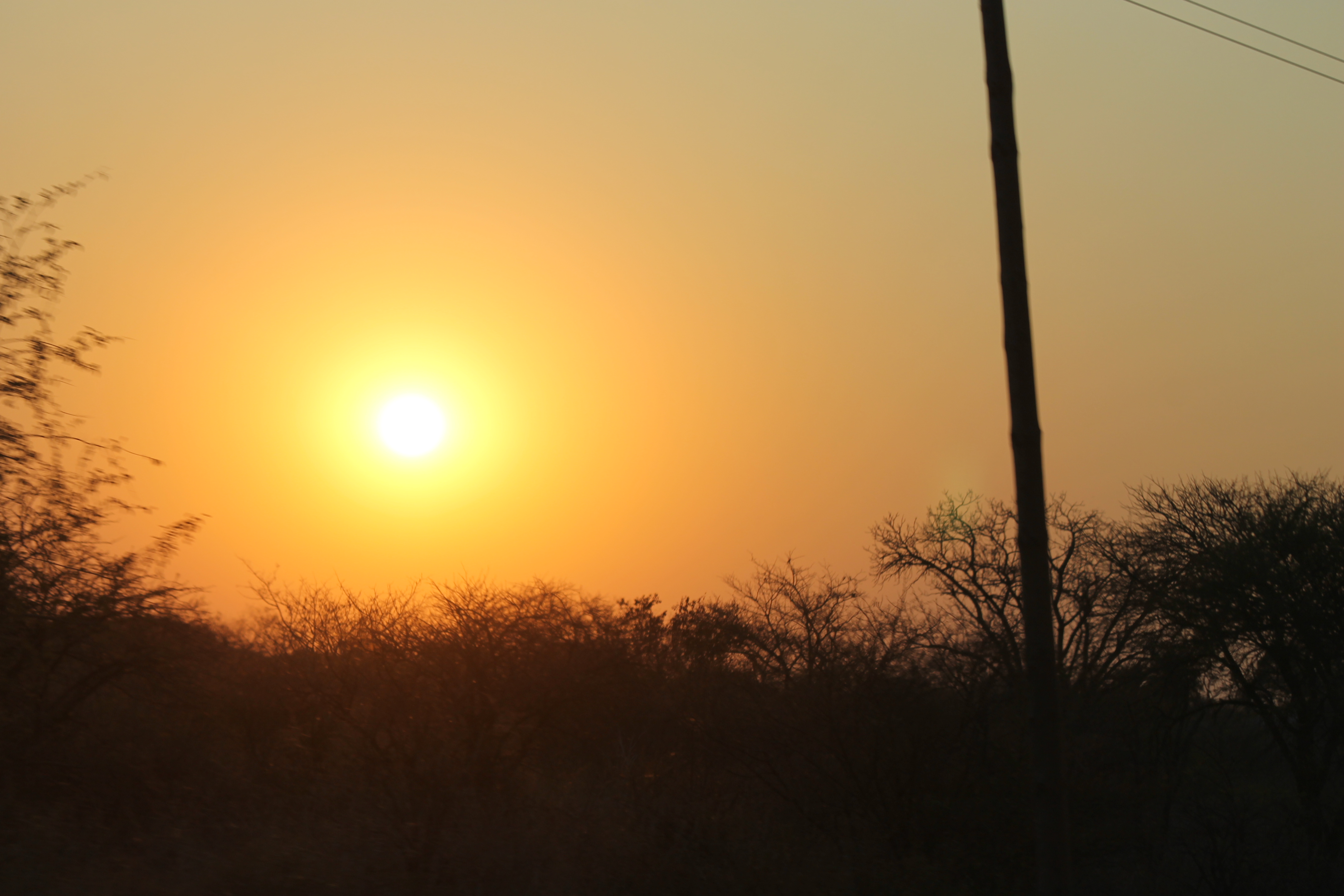
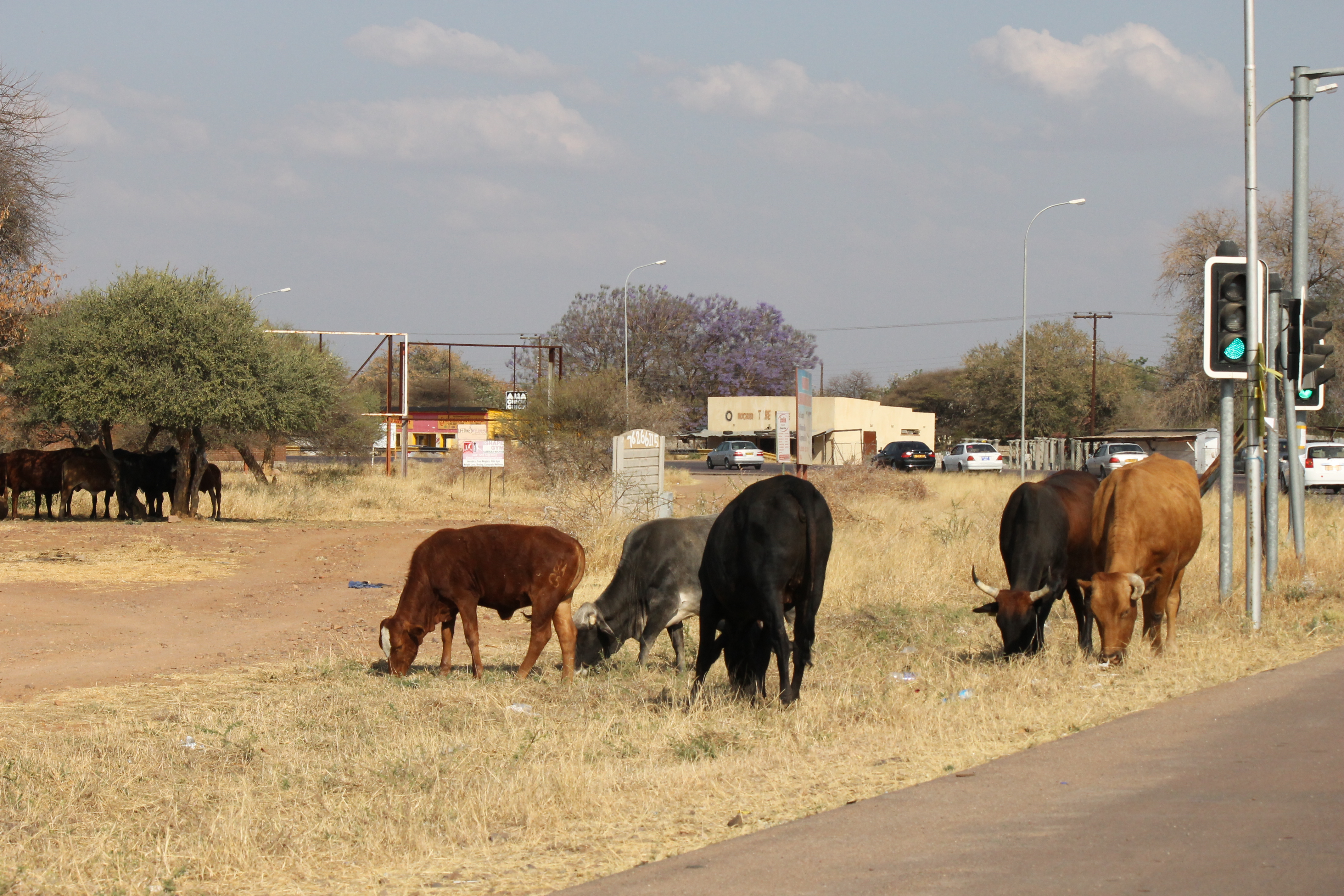
Oh, the agony and frustration at the lack of instructions/assistance/forms that needed filling out/any shred of human compassion. It took a full 2.5 HOURS to clear both sides, and pay P152 (the equivalent of $1.30) for our vehicle at the Botswana Customs office (“the blue building on the left” which we were supposed to find in the dark and which most certainly wasn’t on anyone’s “left”. We never did figure out if it was blue). At 8.30 p.m. and in pitch dark we drove across the border, missing 3 cows, a white goat, and 2 donkeys grazing along the highway.  Welcome to Botswana.

IMG_6361

Our GPS steered us through the sprawling Gaborone suburbs, which had been nothing but bush and a few dirt roads the last time Simon was there. We stopped at a gas station for water and a bag of Simba Mexican Chili Chips, having only split a chocolate bar for lunch and knowing we were WAY too late for our dinner appointment. 7 hours into a journey that should have taken 4 hours, we arrived at the school, and we were HUGELY grateful to be greeted at the gate by the security guard who was waiting for us. “Andy Taylor has long since given up and gone home,” he assured us as he conducted us to the school’s guest apartment, a spacious and wonderful setting with all we need for a 2-week stay.

IMG_6392

Never, EVER again will we try to drive into Botswana. Never. And we are totally unanimous on that. And as a fitting PS to the day, after all that massive, time-consuming effort with the Hertz paperwork, not ONE person at either border crossing asked to see it!

Next blog: The Prodigal Son Returns.

Want to see more photos? Check out our Into Africa album on Veness Travel Media on Facebook. We will be adding to the album as each blog goes up.