We Are Absolutely Not Going Anywhere


Simon: Let’s go to Milton as our first week in Florida. There’s nothing nearby to tempt us away from the campground, and we can push through the work we need to get done so we can enjoy our final stops.
Susan: Perfect. If I can count on that, I’ll fill up the fridge and plan for all our meals at home.
Simon: You can count on it.
Also Simon (first full day at campground): Let’s do a loop around East Bay and down to the coast today and visit Pensacola tomorrow! YAY! GO, GO, GO!!!

The man just can’t. But our thoughts are starting to focus on our return home and the major decisions we’ll be facing once we’re back, so we agreed to two days exploring, and the rest of the time in the rig getting a jump on preparations for summer’s onslaught.

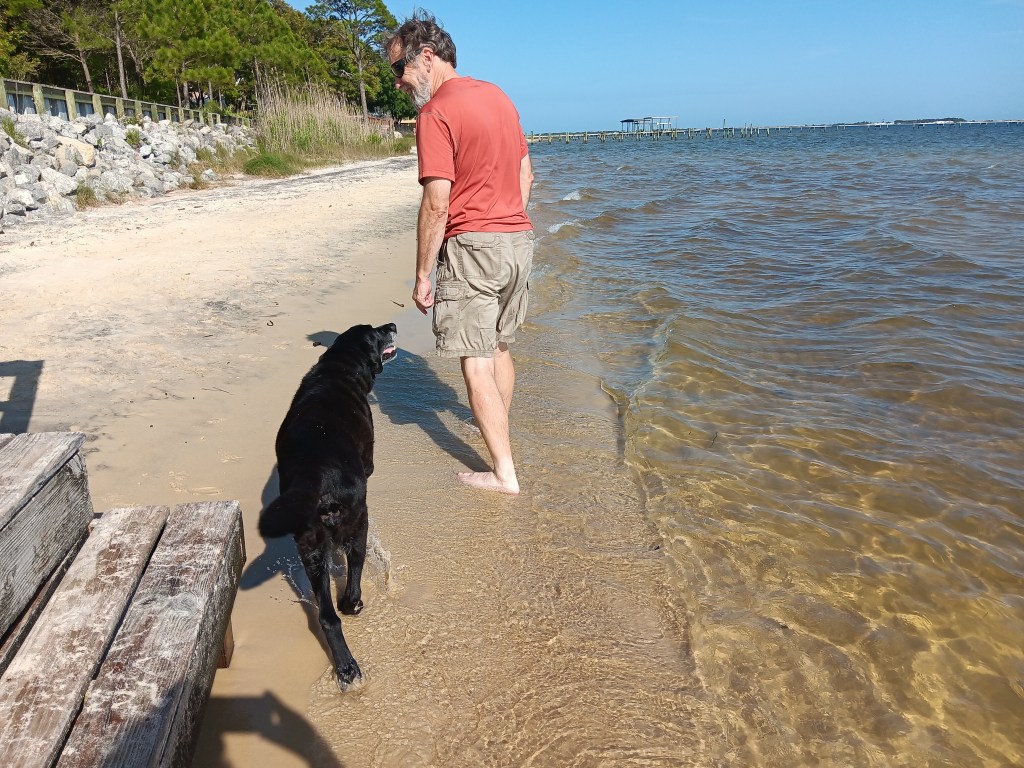
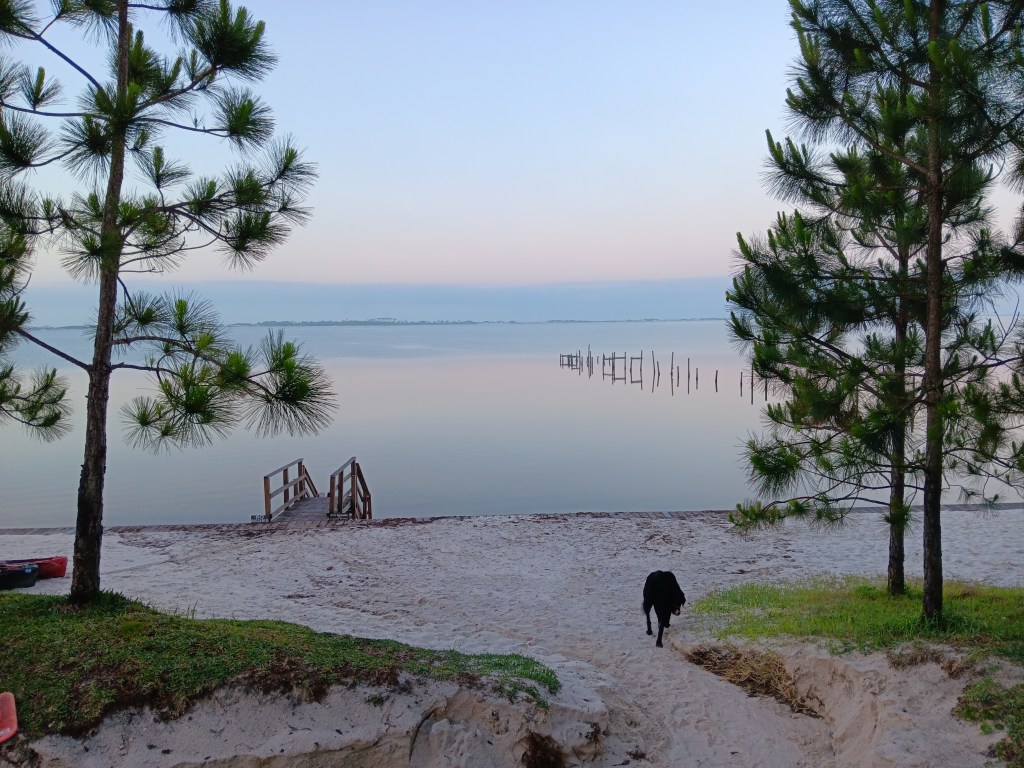
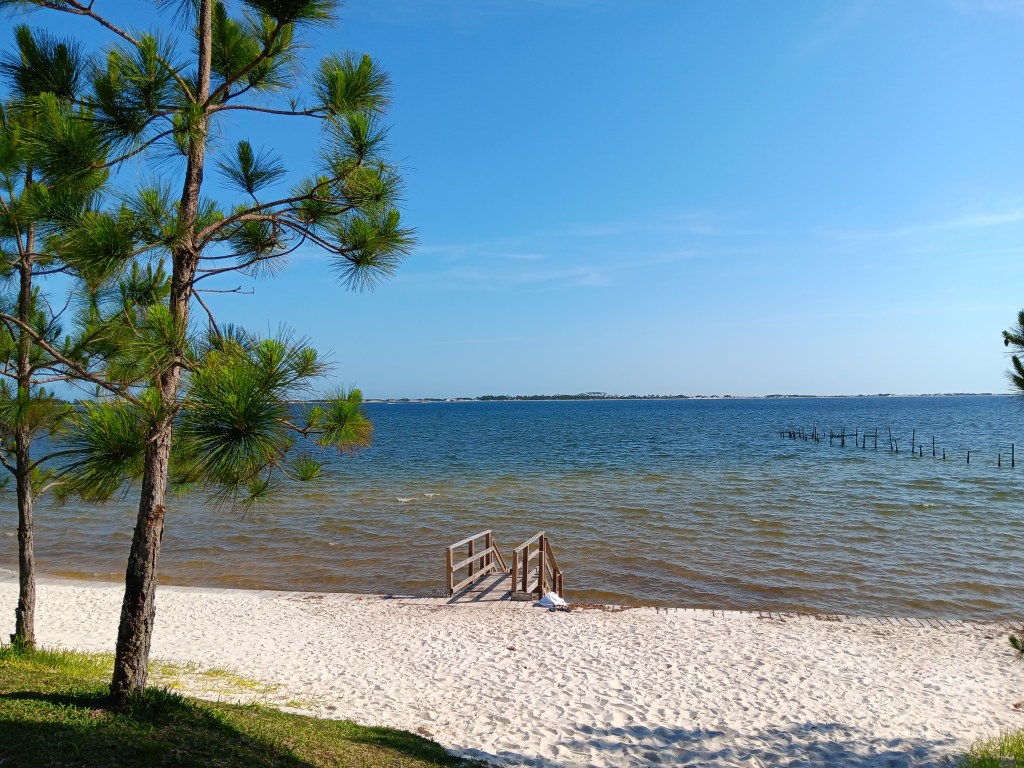
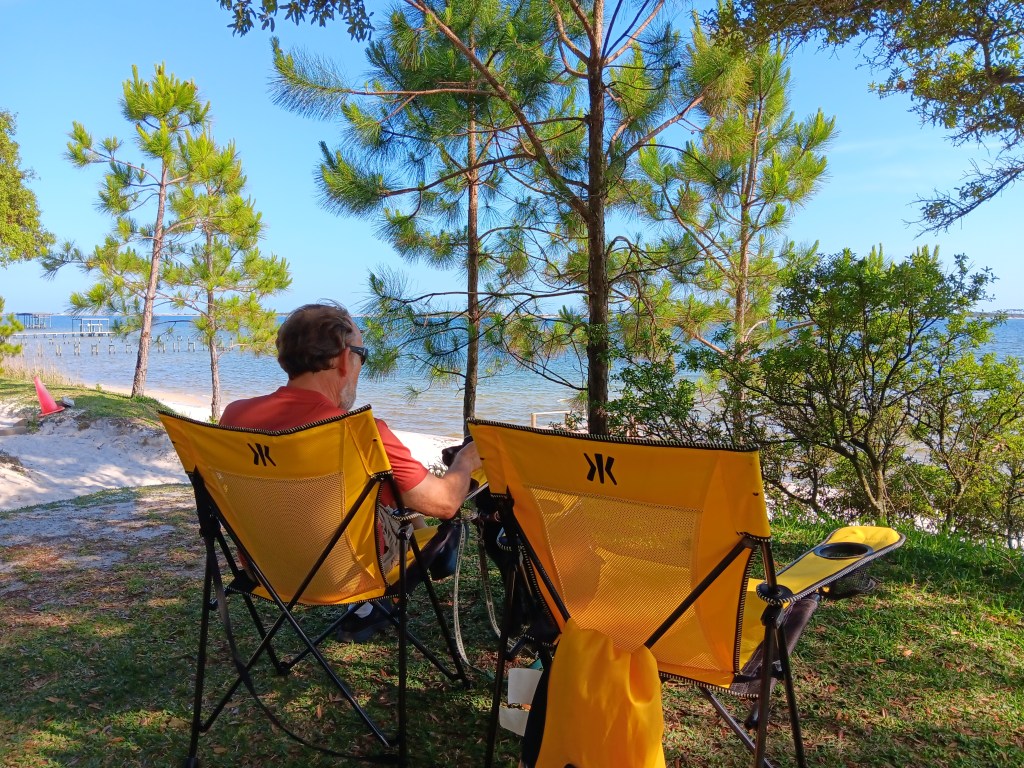
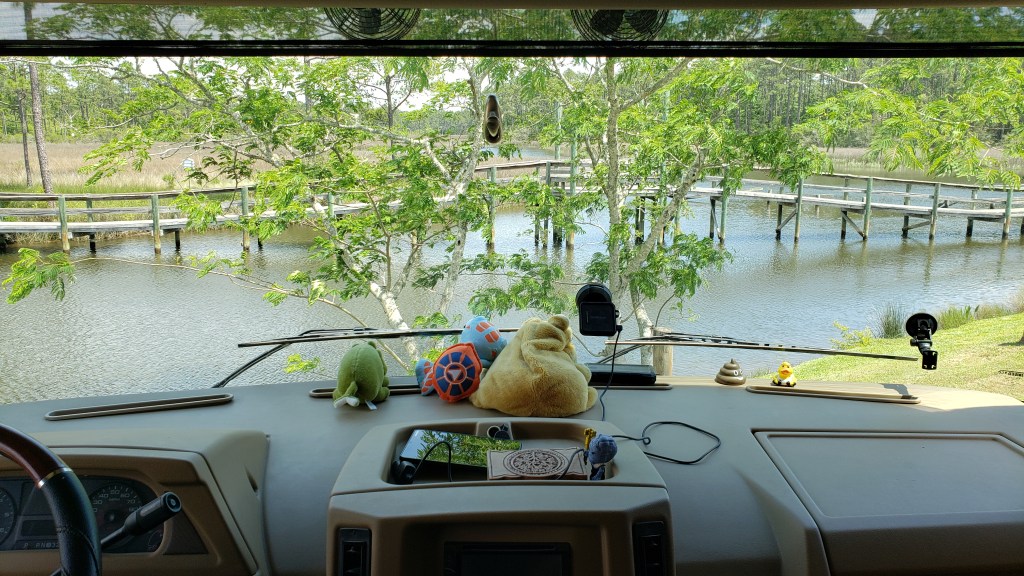
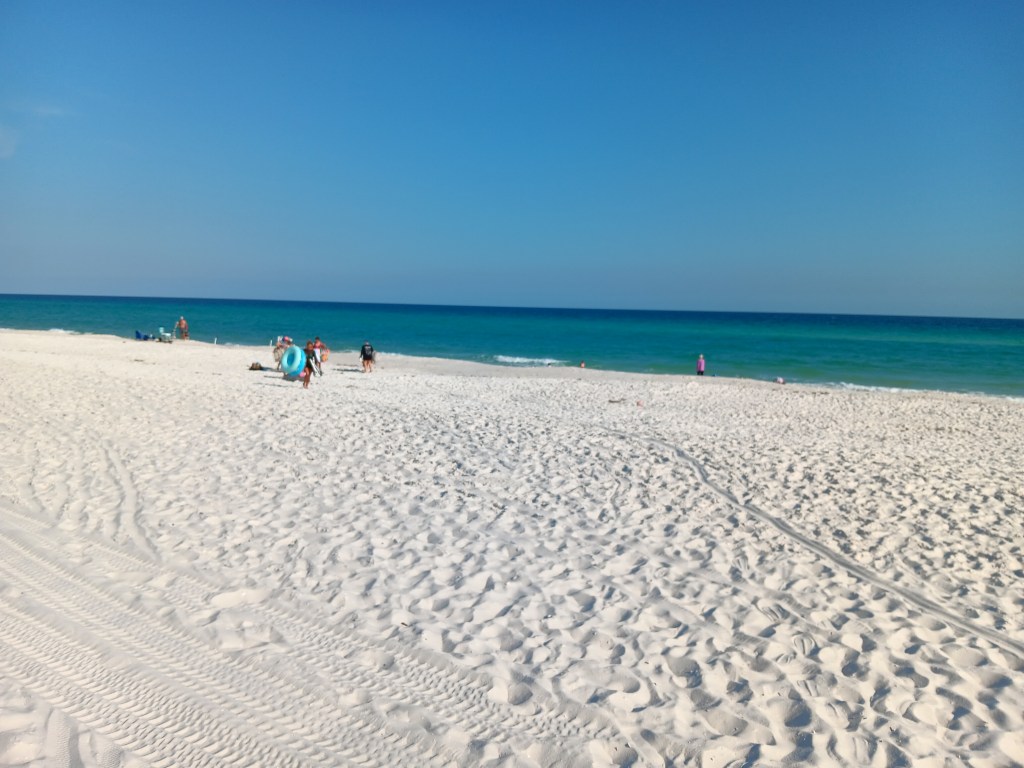
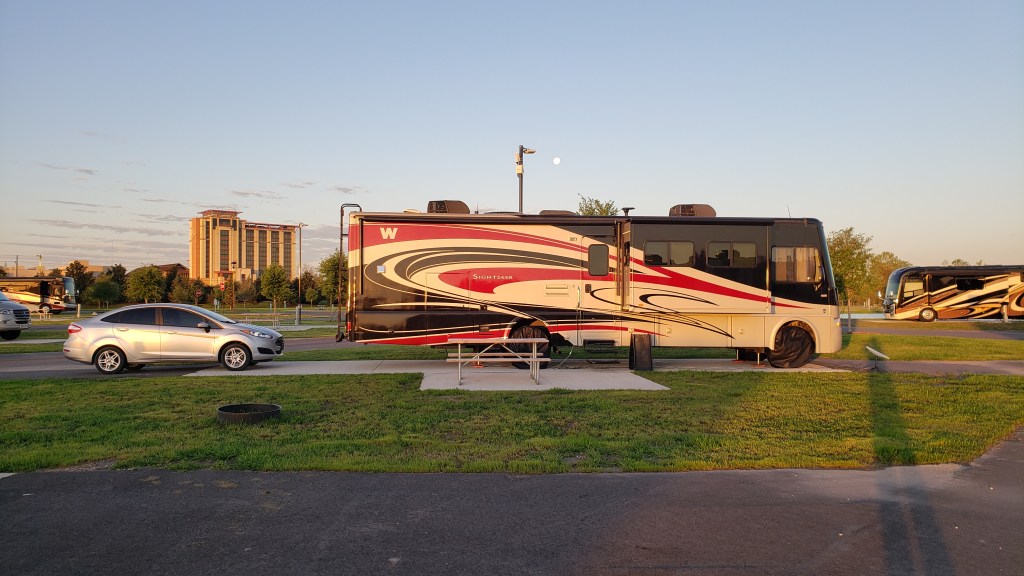
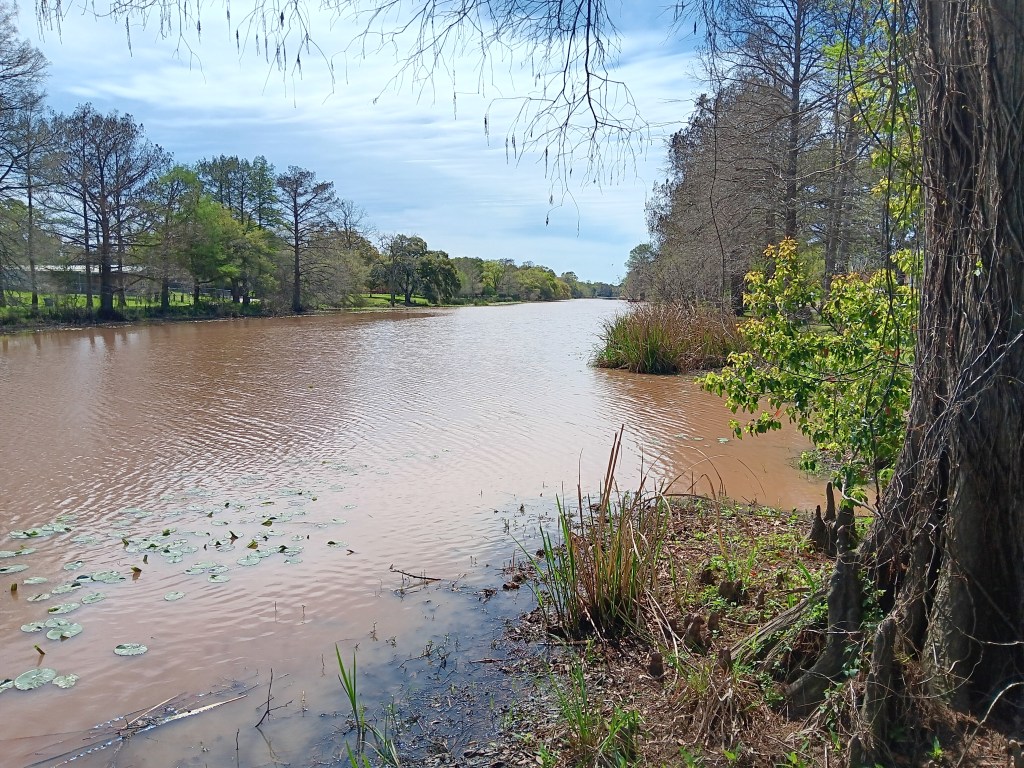
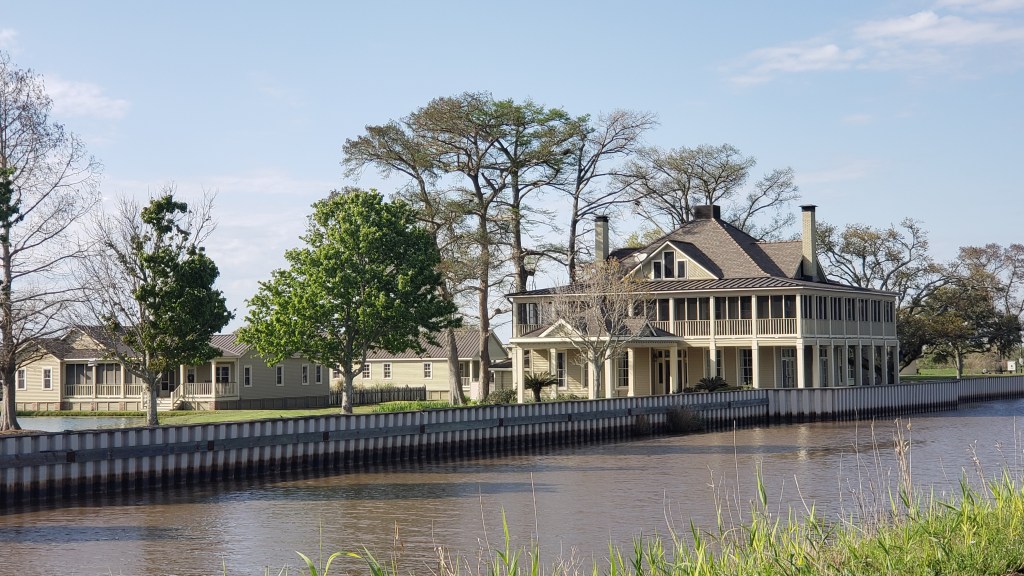
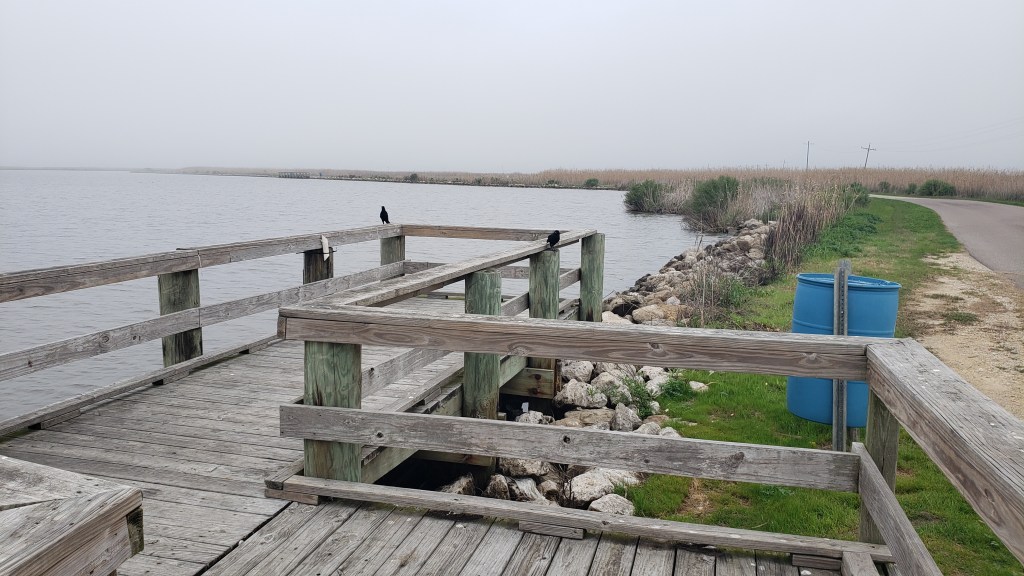
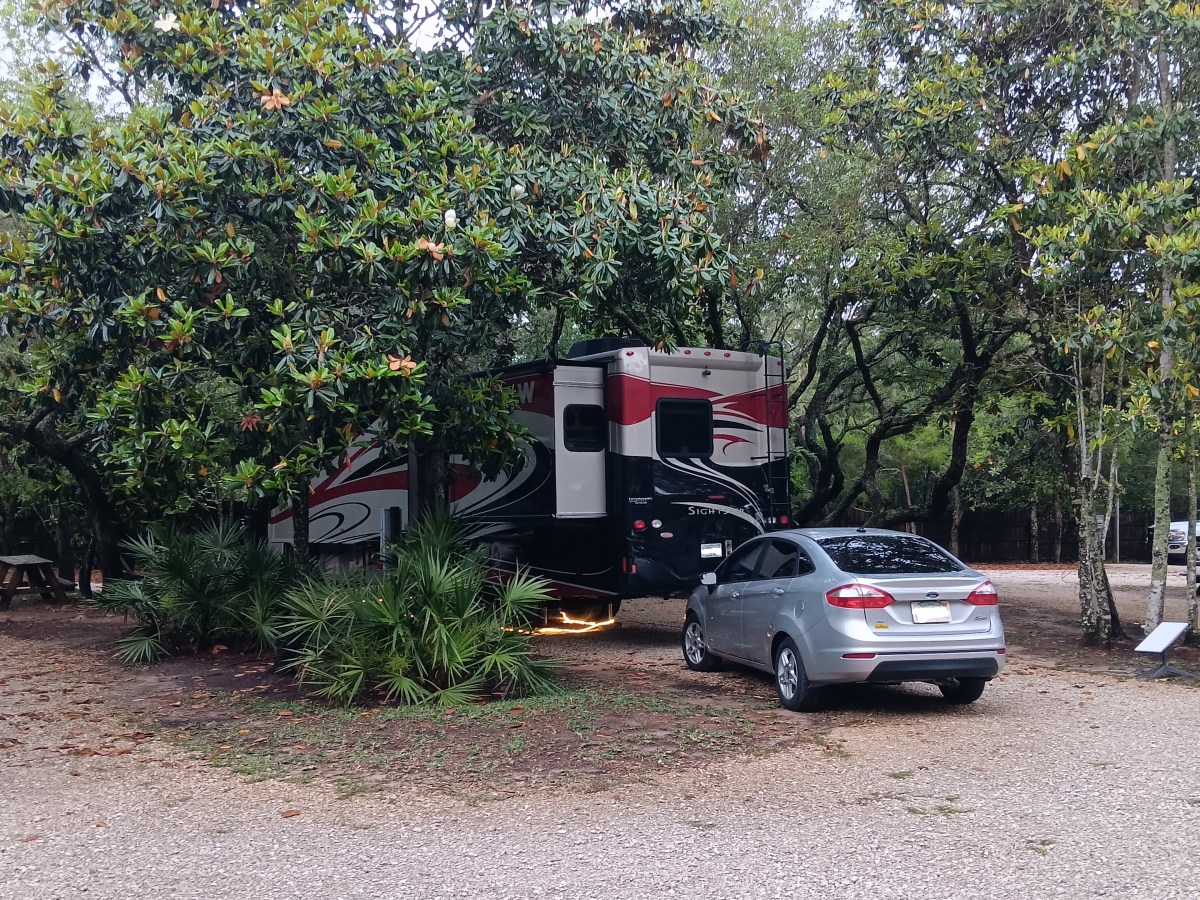
With a view like this, why leave?


If you have other things to do, here’s the short version: We pretty much did nothing, other than two short excursions. For the longer version, read on.

Resting scowl-face!

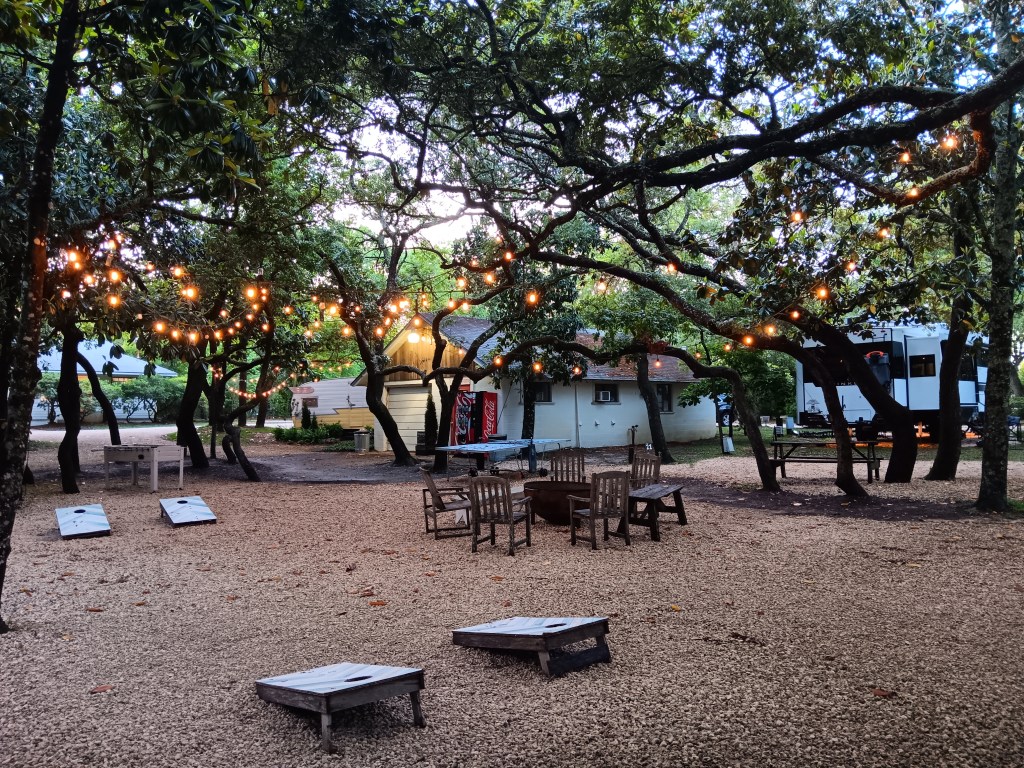
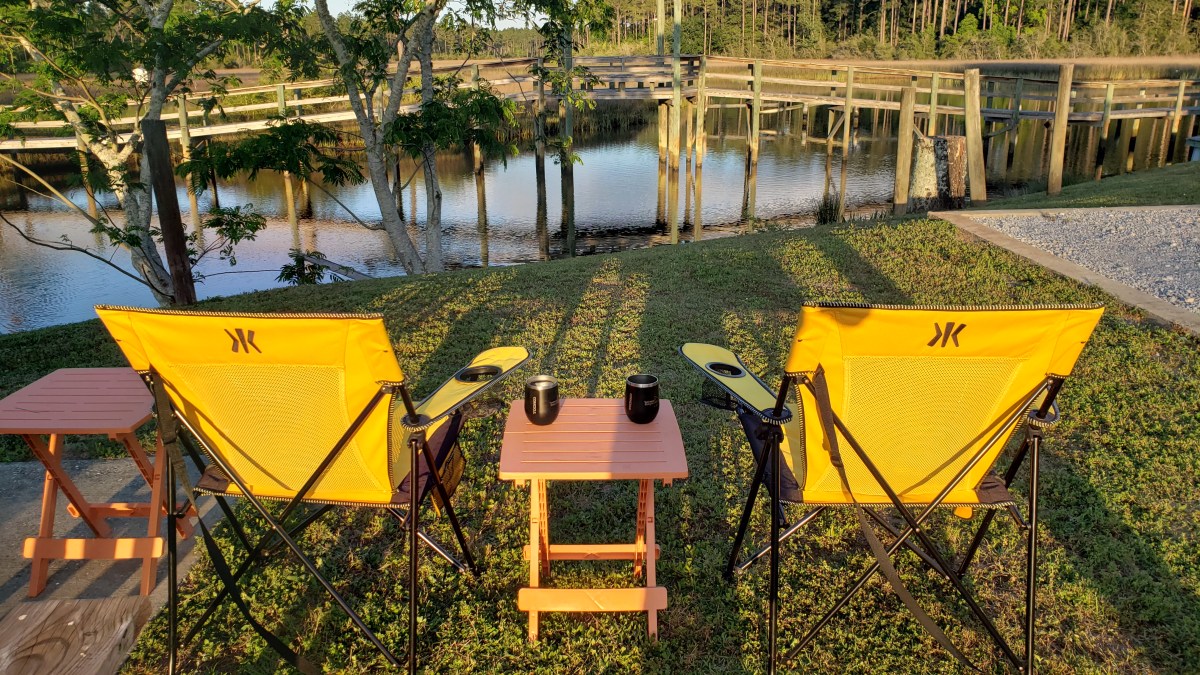
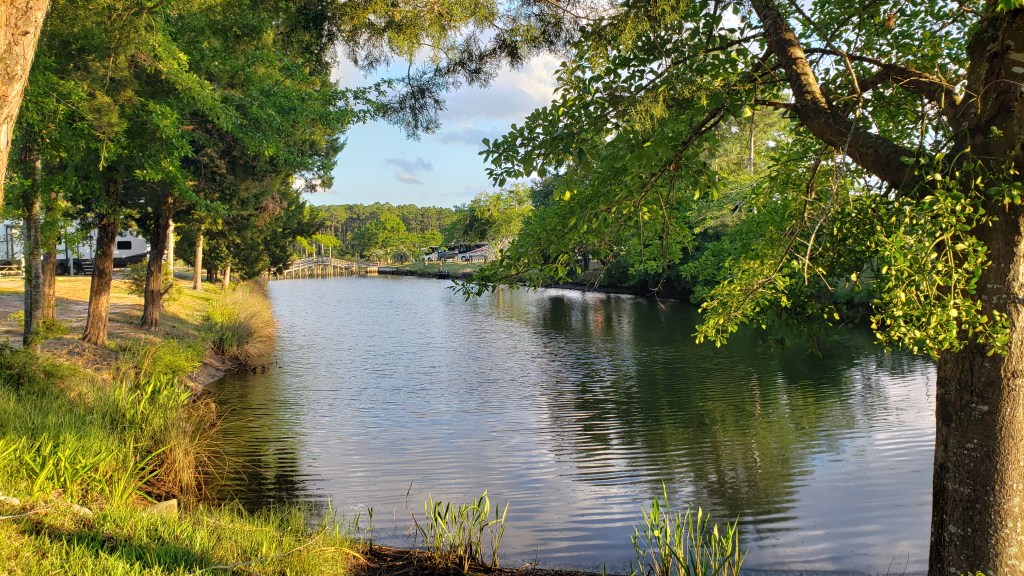
When we checked in at Avalon Landing RV Park, we were offered an upgrade to a water site for $30 ($4.28 a night), and while we weren’t quite sure we wanted the extra fee, we agreed, and it was a decision that really paid off. Birds swooping and diving, mullet jumping, people fishing from the bridge; absolute viewing perfection from inside the rig while we worked, and from outside with our pre-dinner drinks.


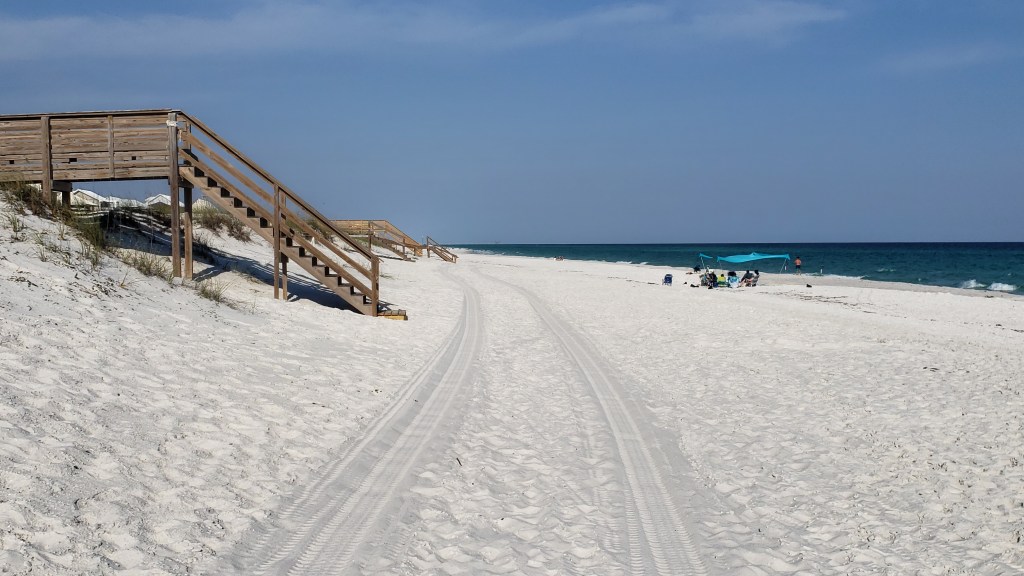
We spent the first day “at home” getting laundry, shopping, and a little bit of work done, then set out for a loop around the bay the next day. When we reached the Gulf, we both had a little catch in our breath, seeing the wonderfully familiar blue of the water. Florida, in our opinion, has the most beautiful ocean water in the country (well, around the country, really), with its deep blues and bright blues that are even more radiant against the Panhandle’s superb white-sand beaches.


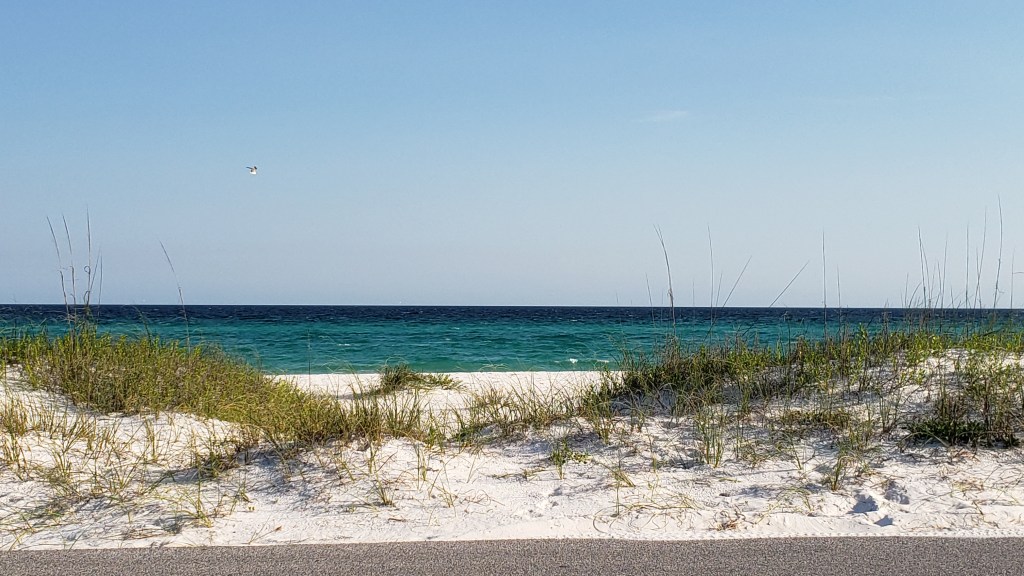
The next day we drove south, then turned west along the single road through Gulf Islands National Seashore, which we had first encountered ‘way back in Mississippi. Little dune-ettes – tiny by Lake Michigan standards – stretched the full length, with the occasional peek at the sea on one side, and the East Bay on the other. A gentle day, yes, but we felt the full impact of being so close to the end of our adventure.


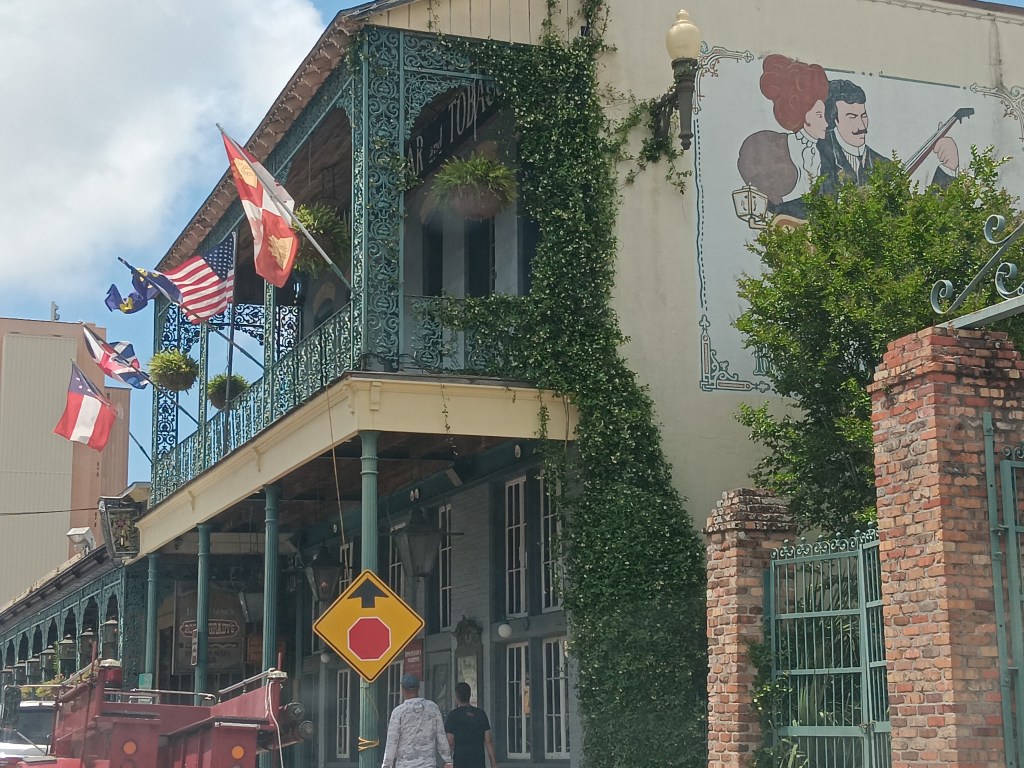
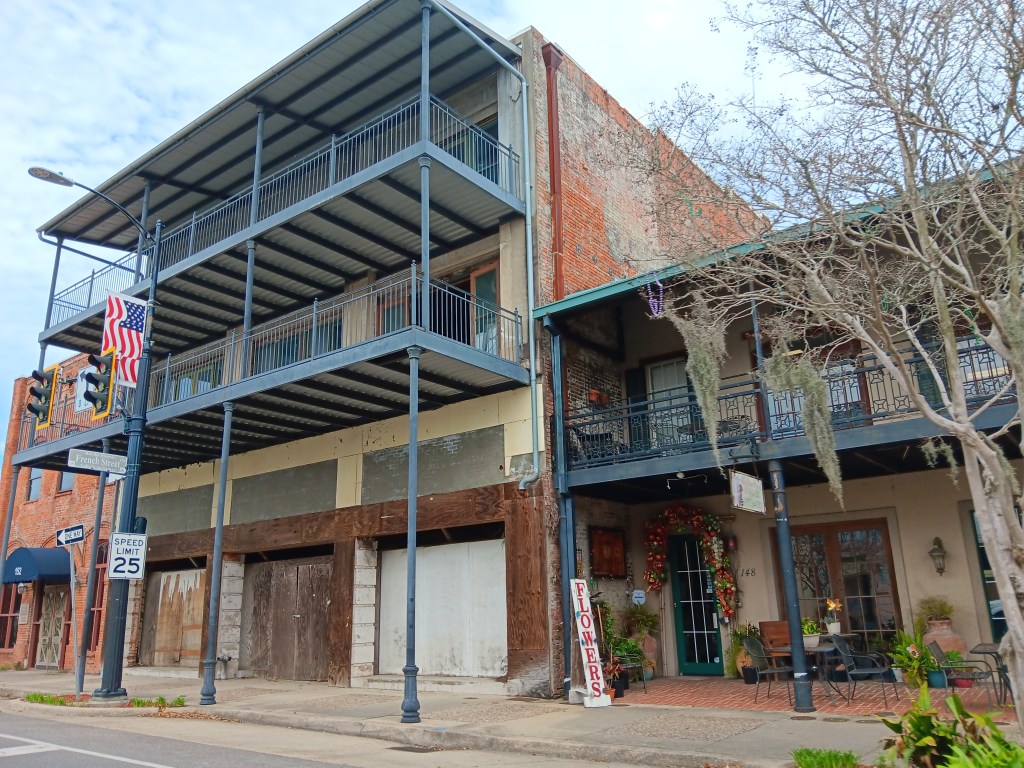
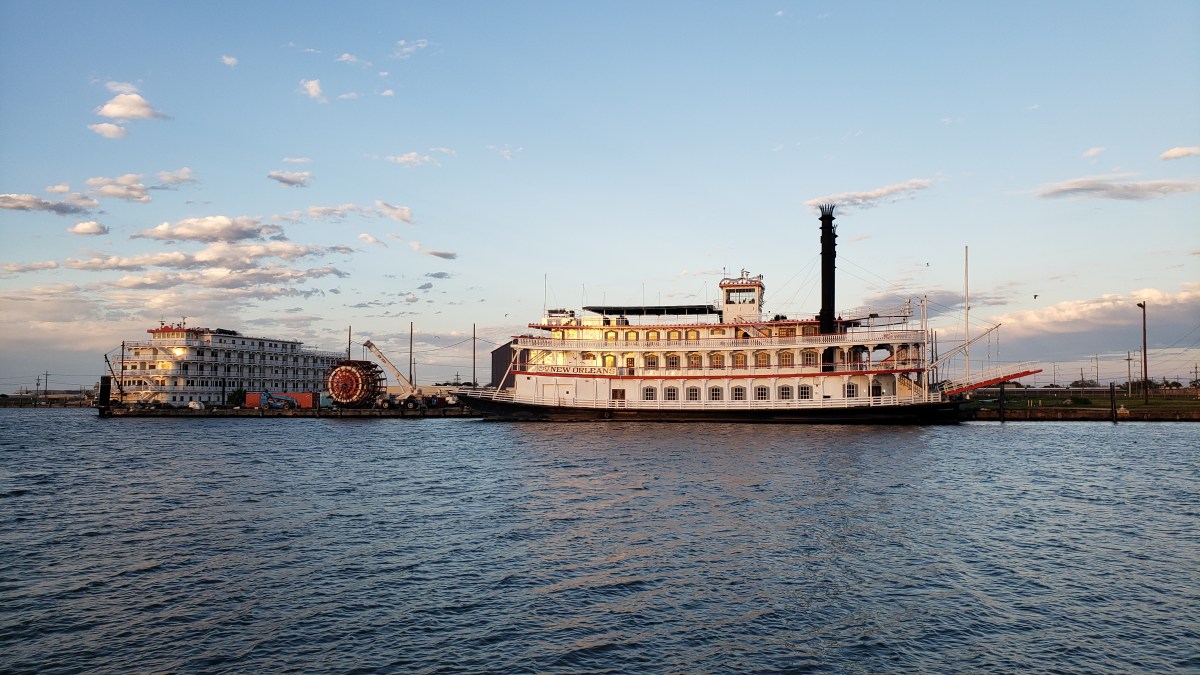
Next up was Pensacola, with its pretty downtown balconies reminiscent of New Orleans, and an up-close (-ish) view of Captain America, an off-shore support vessel that helps install and decommission things like drilling rigs and wind farms. The ship was just paying a visit, and its home port is Pascagoula, Mississippi.


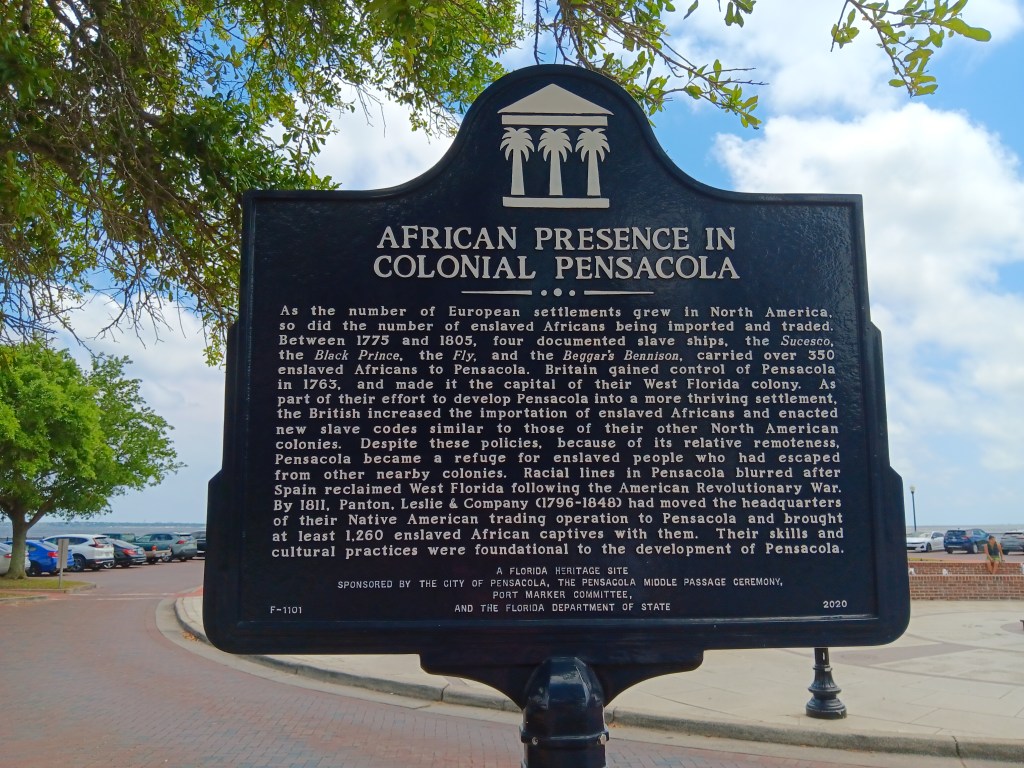
A historical marker at Palafox Pier, where the ship is anchored, recalls a darker time. Pensacola’s history of importing enslaved Africans is long, dating back to the mid-1500s. First the Spanish, then the English, shipped human “cargo” to the area, presumably landing at or near what is now the pier. It also recalls the people who escaped enslavement and hid out in Pensacola’s relative remoteness. Their ancestors, the sign indicates, helped shape the character of the city.


Why is this marker important? Because it (and others like it, specifically in St. Augustine, Florida) counters the history we were taught in school, that slavery began in Virginia in the mid-1600s. St. Augustine saw its first slaves in the early 1500s. These markers are so easy to overlook, but we’ve been surprised at how much they’ve inspired us to learn more about things we didn’t know, or thought we knew.

The rest of our time was spent working, putting “decisions” in motion, and enjoying our gorgeous view. We’ll have one more beach destination, two more short moves, and then a very special finale to what has been a mind-expanding trip.

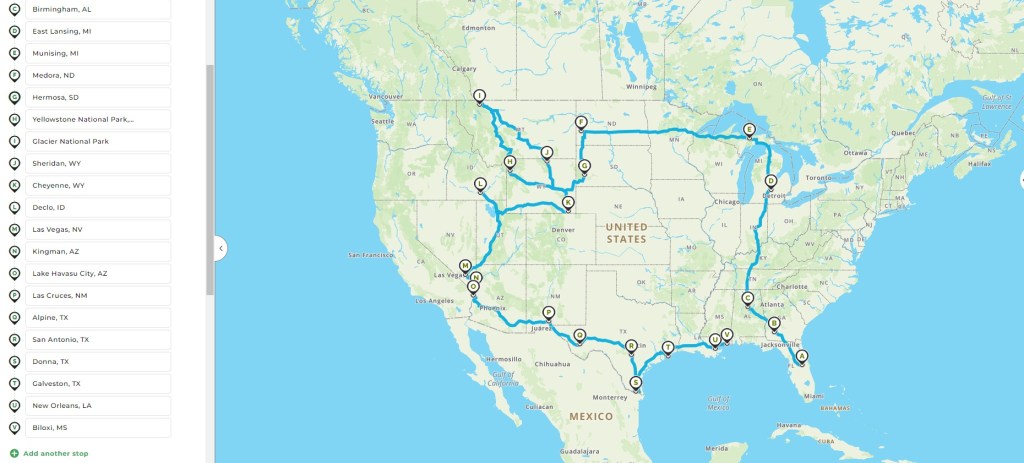
The Month 11 Travel Map

As keen-eyed blog readers will know, we have just hit the 11 month mark in our grand “A Year On The Road” RV trek across the US. After Louisiana, we arrived in coastal Mississippi, our 23rd state in this epic voyage.

The story so far – 11 months on the road (NB: The pin-points are not our only stopping points – there are more than 60 of those so far!)

Since our last monthly update, we have covered another 181 miles – a totally sedate travel distance at this stage of our journey (especially when we covered more than 2,200 in the first month!).

In the last month we have moved from Baton Rouge, Louisiana, to Biloxi, Mississippi, and our traveling has been a lot more focused on the areas close by, rather than trying to cover vast distances quickly. Even including the last two months, we have only gone a total of 672 miles in our trusty Winnebago, Indefatigable (or Fati for short).

The last two full months of our journey, from Port Aransas in Texas all the way along the Gulf Coast to Biloxi via Louisiana

Mind you, we have still covered some territory in our trusty tow car, Nippy, putting an additional 2,534 miles on our little Ford Fiesta (and 3,991 in the past two months), which shows that we’ve completely changed the balance of our touring – going shorter distances in Fati but doing more exploration in Nippy.

Now, with just a month left of our travels (but still more than 550 miles from home), it definitely feels like the end of our grand adventure is firmly in sight, which is very hard to contemplate after such a prolonged – and intense – period of traveling.

In total, we have come 9,225 miles in Fati since leaving home, and another 24,604 in Nippy, for a grand total of 33,829 around this amazing country. Eat your heart out, Hardest Geezer!

Coming To Terms With The French Quarter


Susan: Let’s go to the French Quarter on Sunday. It’s Easter. Everyone will be at home with their families having Easter dinner.
Simon: Good idea! We’ll grab lunch and then get some beignets at Café Du Monde while it’s quieter.
French Quarter: Easter Parade! Gay Easter Parade! Easter Bonnet Contest! Let the parties begin!

We’d been in the French Quarter twice already, but saved a visit to Café Du Monde and Café Beignet for Sunday, when, surely, the area wouldn’t be so jam-packed with tourists and heavy drinkers.

Wrong.


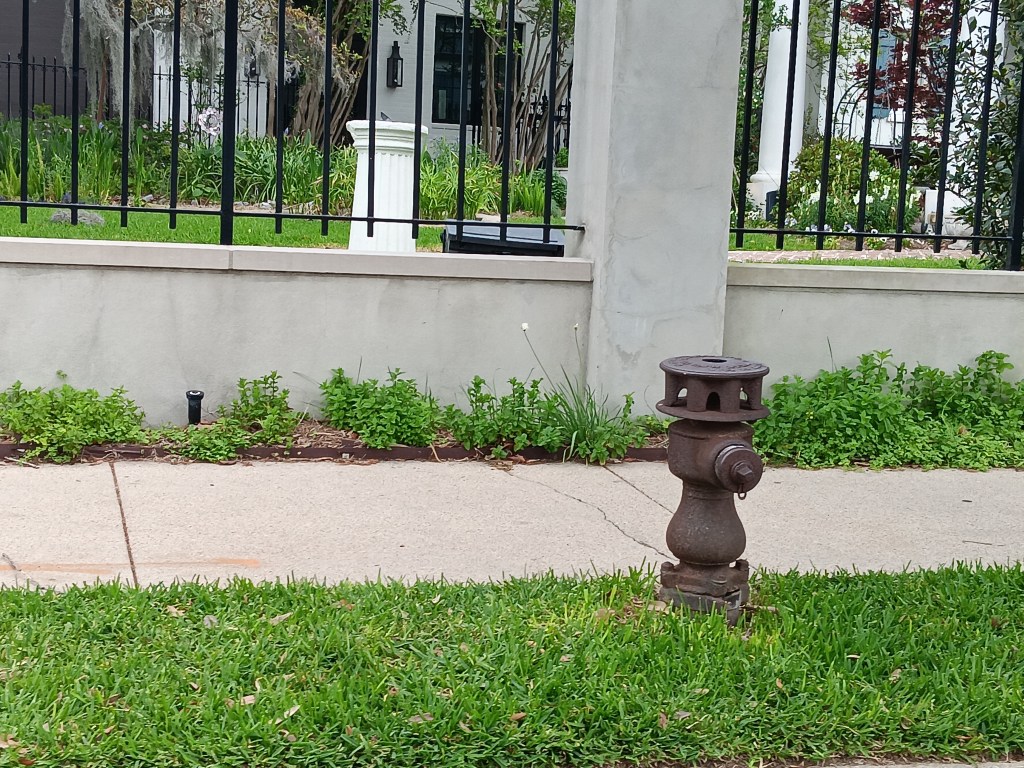
We didn’t know we were wrong when we set off on Easter morning, though, with a few photo ops in mind. First, we wanted to see the oldest fire hydrant in New Orleans, whose technology changed the face of fire-fighting, allowing firefighters to get closer to the blaze and have the ability to pump water right out of the bayou. It took a little doing to find it, but the adorable little hydrant that looks like a character straight out of a Pixar movie was worth the effort.

How cute is this little guy?

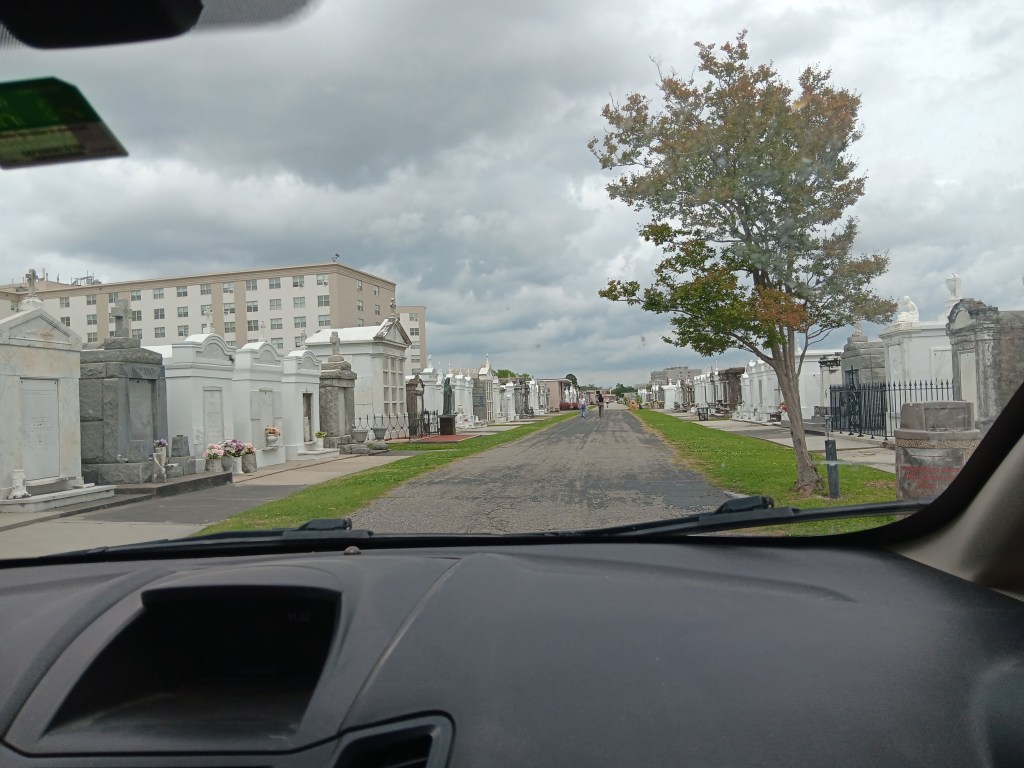
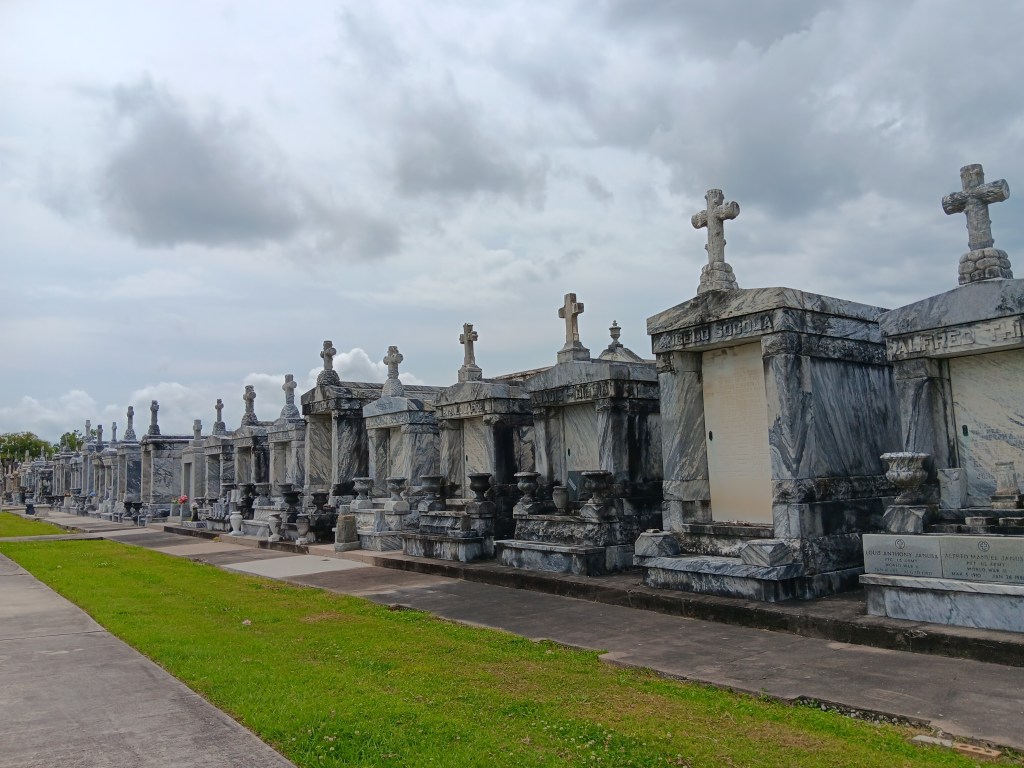
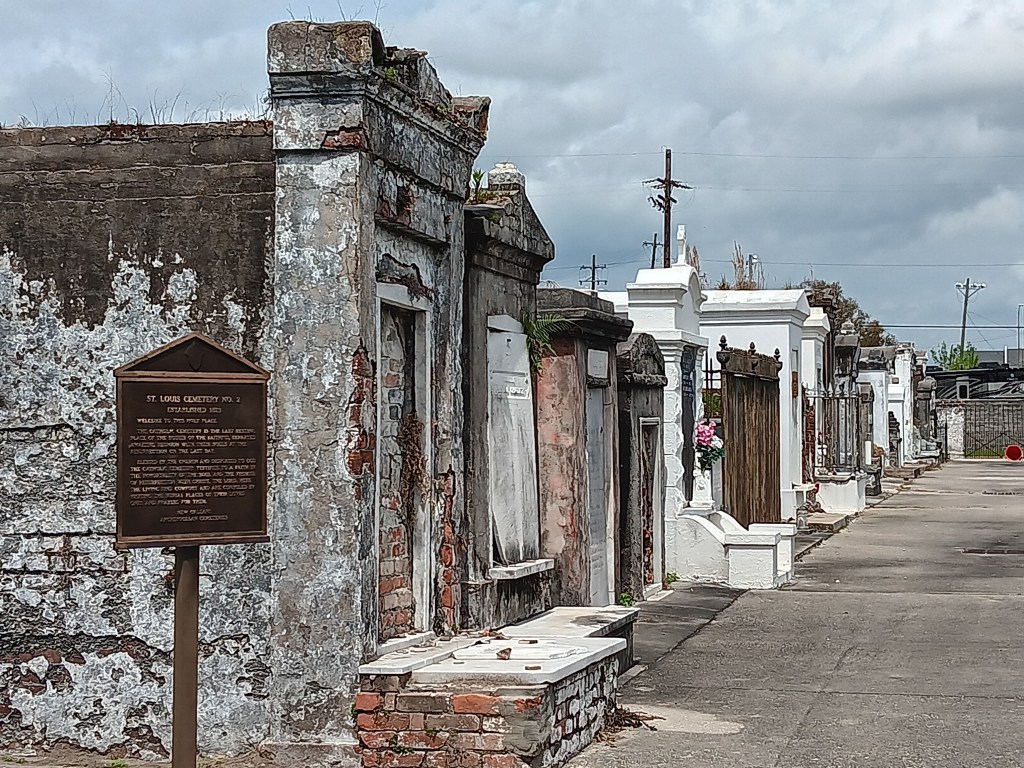
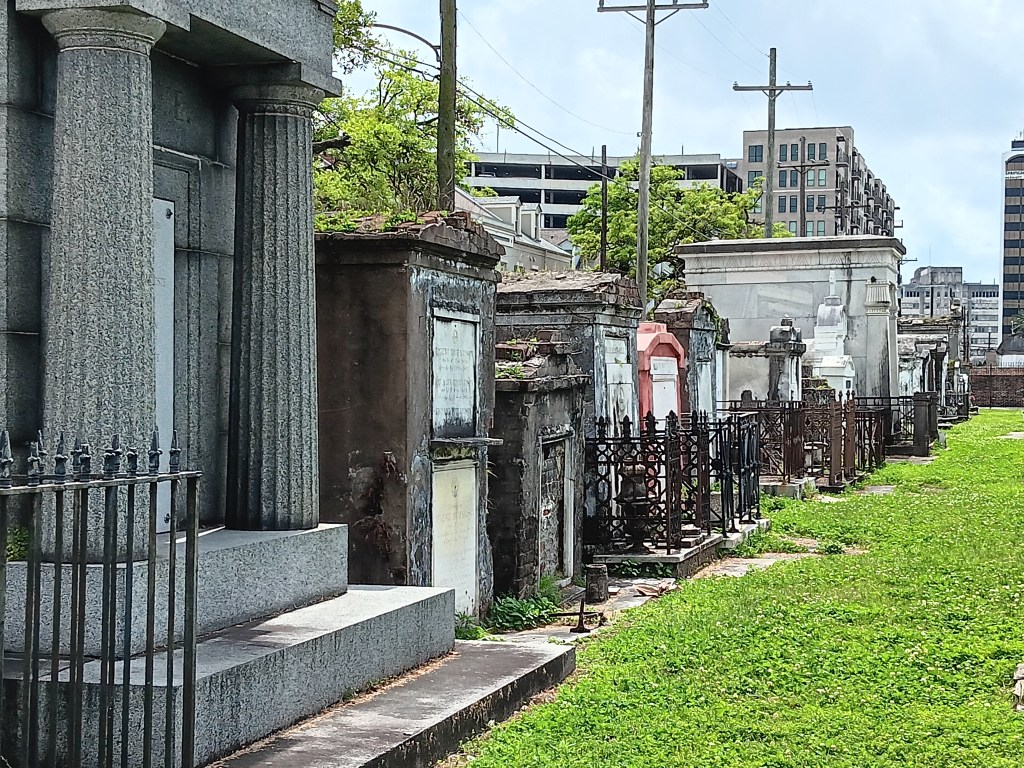
Easter is all about death and resurrection, so what better place to remember that reality than a cemetery? We did a little drive-through at St. Louis Cemetery 3, which felt like driving along a street in Death City, where all the homes are as quiet as the tomb. Many whose Earthly remains are experiencing eternity here were famous New Orleanians.


Cemetery 1, the oldest in New Orleans, is closed unless you take a sanctioned tour. St. Louis Cemetery 2, famous for being the final resting place of many who succumbed to the 1823 cholera outbreak, is also closed, in part because of vandalism, but, if the used syringes strewn around the sidewalk outside are any indication, there is a bigger problem at play.


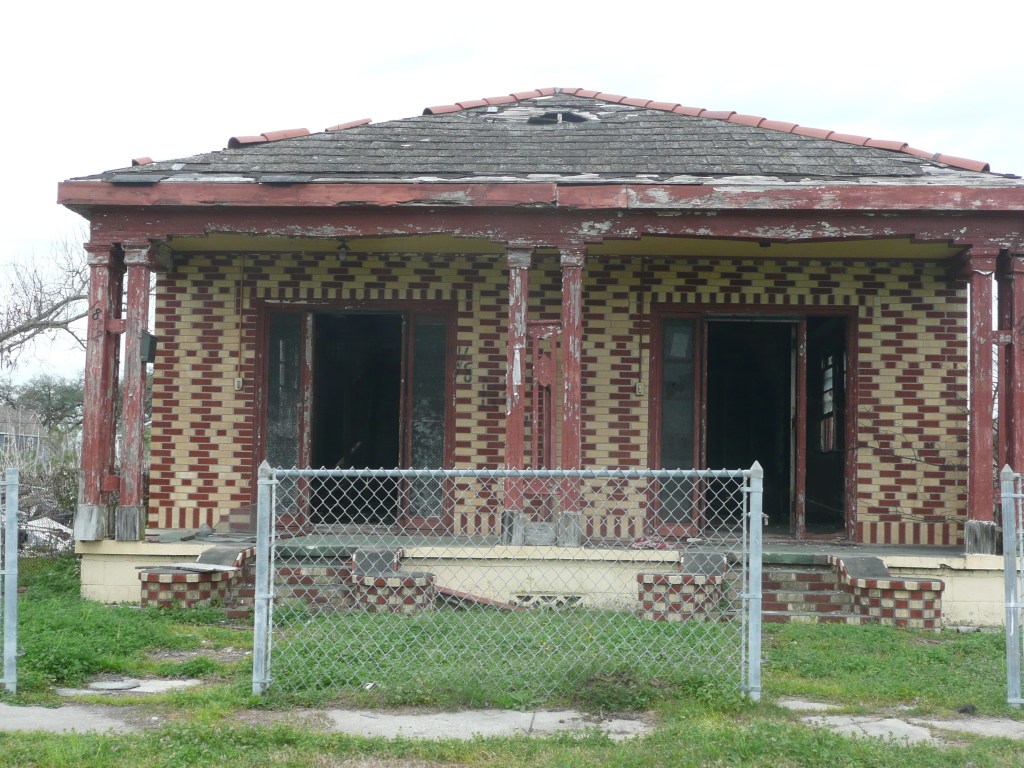
Next on our list was the Lower 9th Ward. We’d been there in 2013, eight years after the horrors of hurricane Katrina, and most of the homes were still in terrible shape, with spray-paint markings on them from the searchers who went into each one to find out if they contained victims of the floodwaters, and how many.

We took this photo during our visit in 2013. This is not the standard Search-And-Rescue X-code, but it appeared to be search dates and number of victims (zero).

Now, nearly 20 years later, the area has mostly recovered. Some devastated buildings and homes still exist, but we only saw one that still had its markings. Some lots remain vacant, but more than anything, new homes have gone up, which was incredibly heartening to see.

Also from 2013. It’s hard to see, but there is a search code on the house, to the right of the left-hand door jamb.

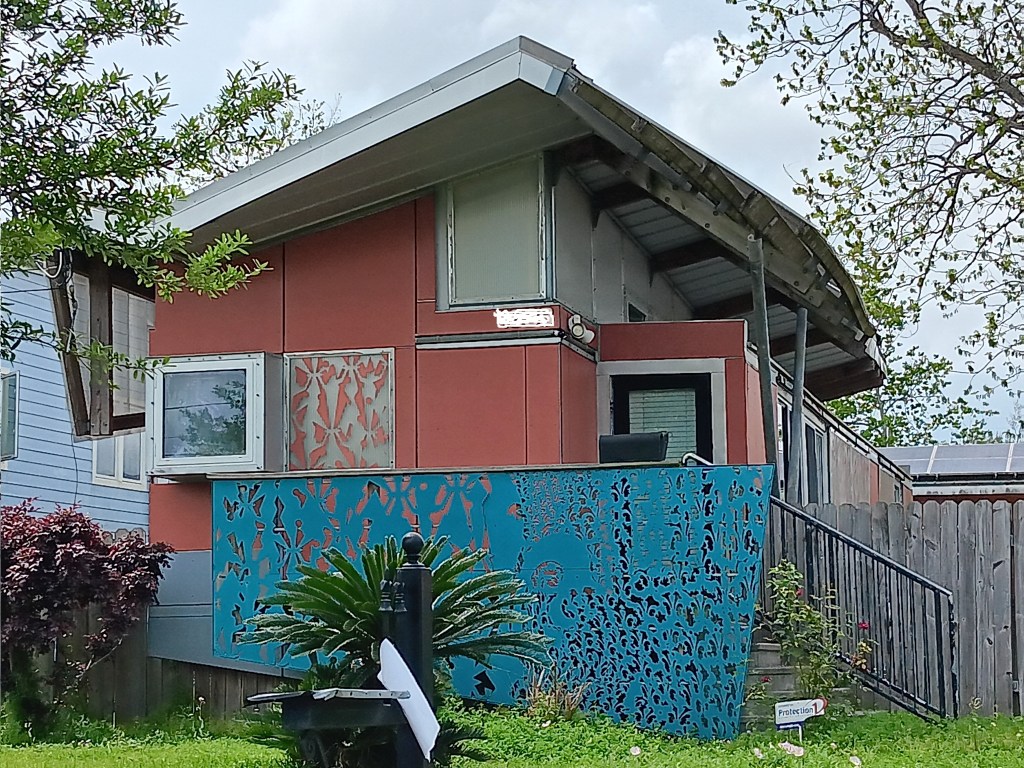
In particular, we were interested in seeing the so-called FLOAT House, a low-cost prototype home designed to rise to a height of 12 feet if, God forbid, another flood-related catastrophe struck. It doesn’t work, of course, and it, along with 190 of Make It Right homes funded by the actor Brad Pitt, which rotted and crumbled in the Lower 9th’s high humidity, stand as good-intentions-gone-wrong for people who had already lost it all. A $20.5 million lawsuit settlement in 2022 helped redress the balance.


After our failed food runs in the French Quarter, we admitted defeat before we tried a third time, and headed back to City Park for its Café DuMonde branch, and had mugs of hot coffee and steamy beignets in hand in under two minutes. Sitting in the sun with the sounds of the community around us, we pretended we were locals, and thoroughly enjoyed a happy half-hour being normal people.

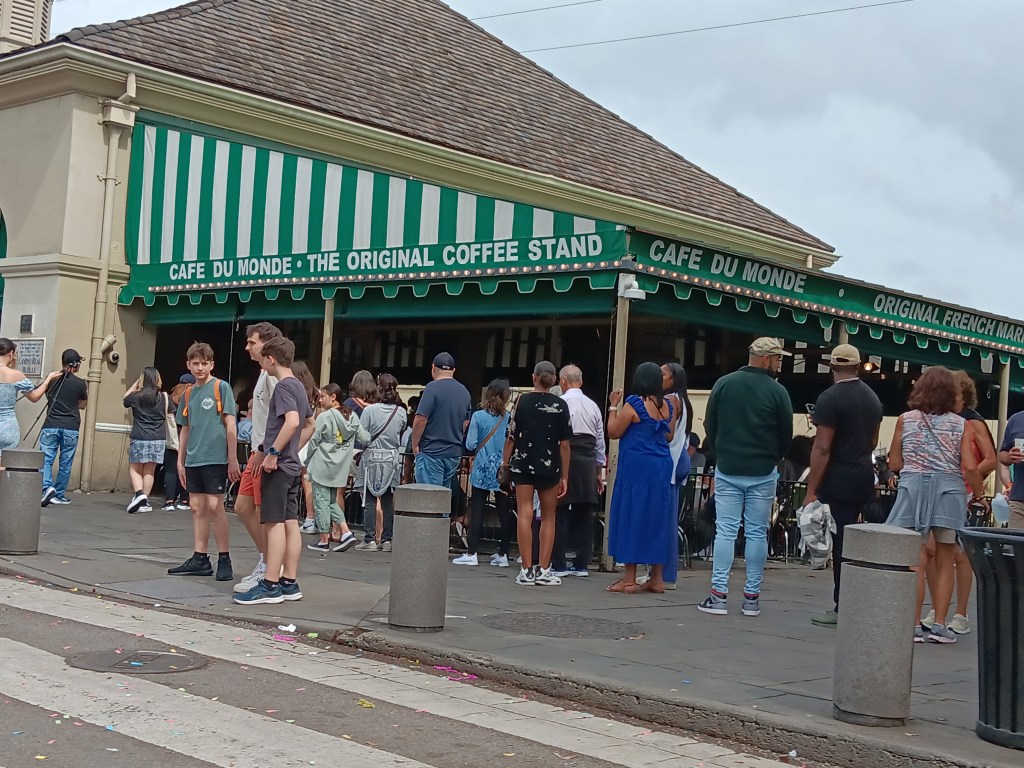
This is the original location, in the French Quarter, and you’re seeing about one-quarter of the line of people waiting to order. That, and no parking, was why we kept failing.

Simon had been to the National World War II museum before, but Susan hadn’t, so we set a morning aside to pay a visit. The museum had a new exhibit, Finding Hope In A World Destroyed, highlighting the Holocaust, recovery and rebuilding, Black service men’s reception upon returning home, and The Monument Men, complete with reproductions of stolen artworks.

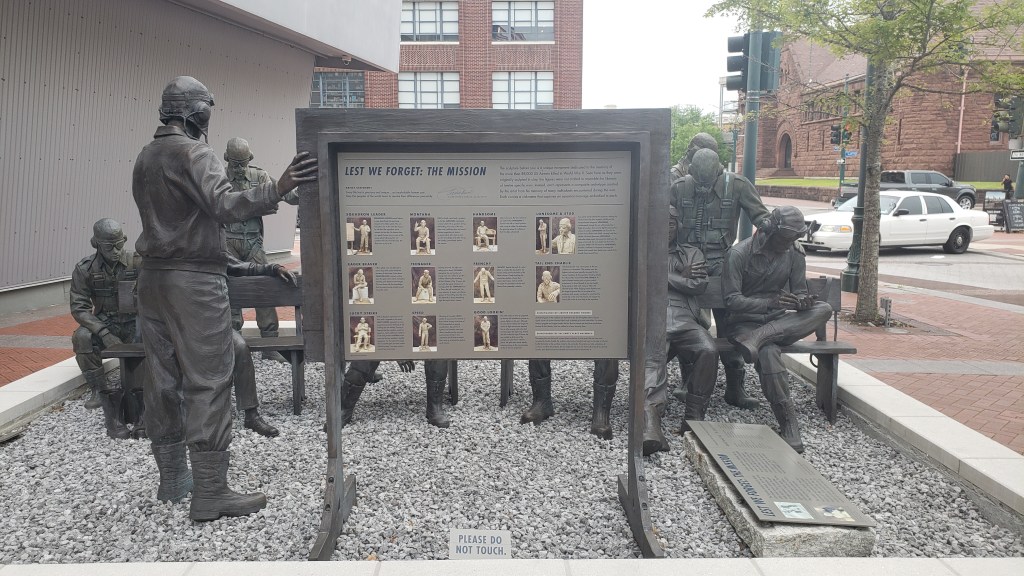
We only took photos outdoors, where there are several memorials.

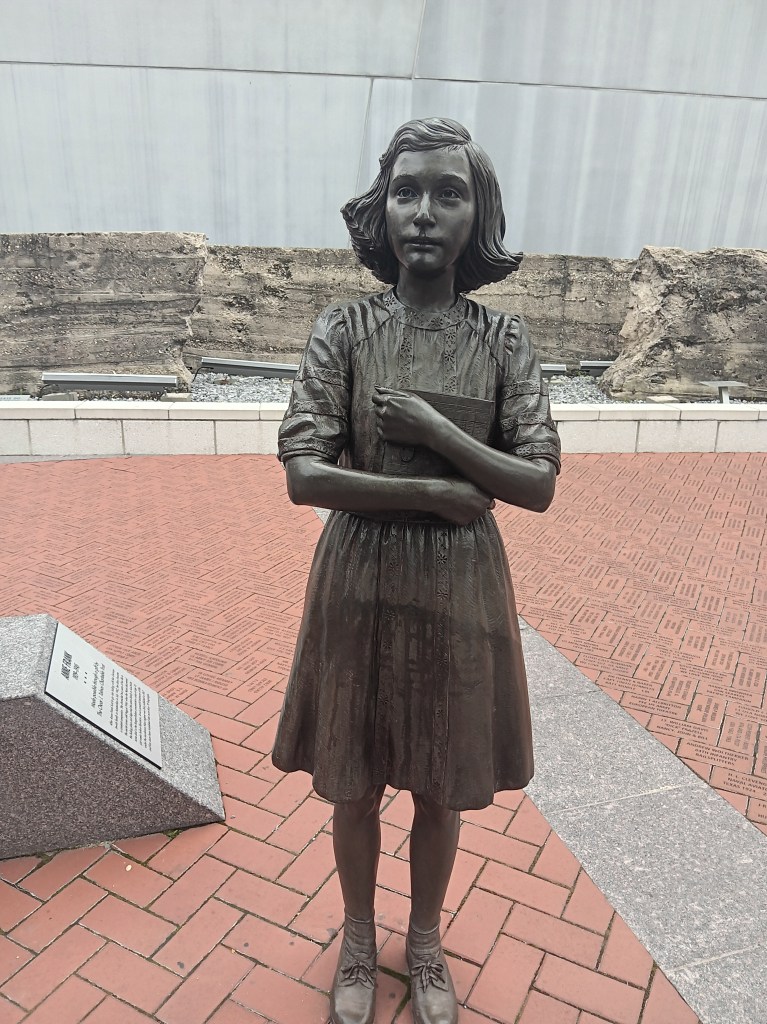
There was also a mockup of the kitchen in The Secret Annex, where Anne Frank and her family hid. The whole exhibit was quite powerful, and it felt disrespectful to take photos, so we didn’t. Susan had studied the Holocaust in depth since she was in her early 20s, but Simon found the exhibit a bit overwhelming. It took him back to our visits to Auschwitz and Dachau, and the painful reality of those terrible times.
Anne Frank perished in Bergen-Belsen concentration camp less than a month before its liberation.

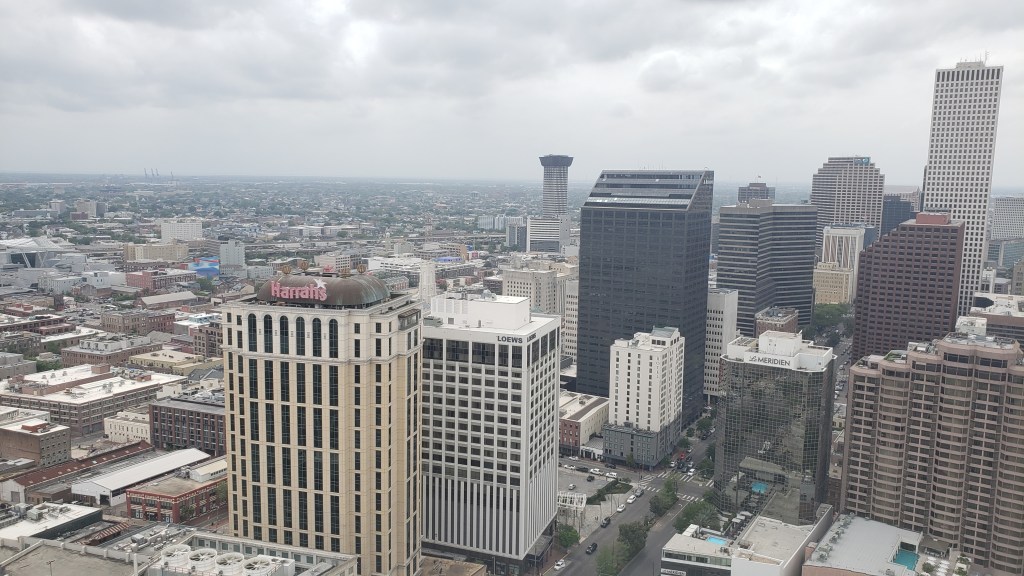
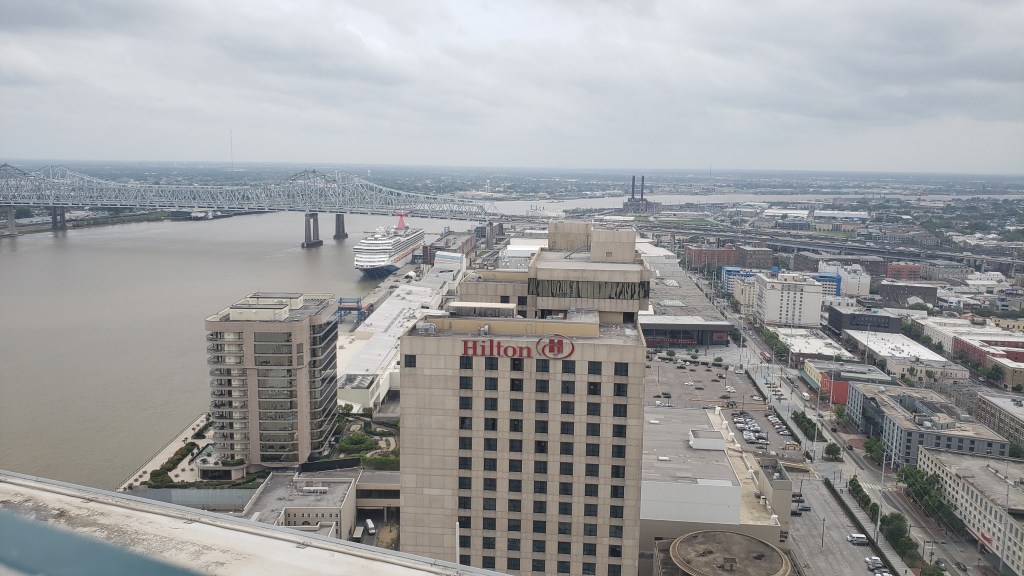
He shook it off with a trip up to Vue Orleans for a 33rd floor overview of the city. Ruthie wasn’t allowed, of course, so she and Susan waited on a park bench while Simon checked out the observation deck.


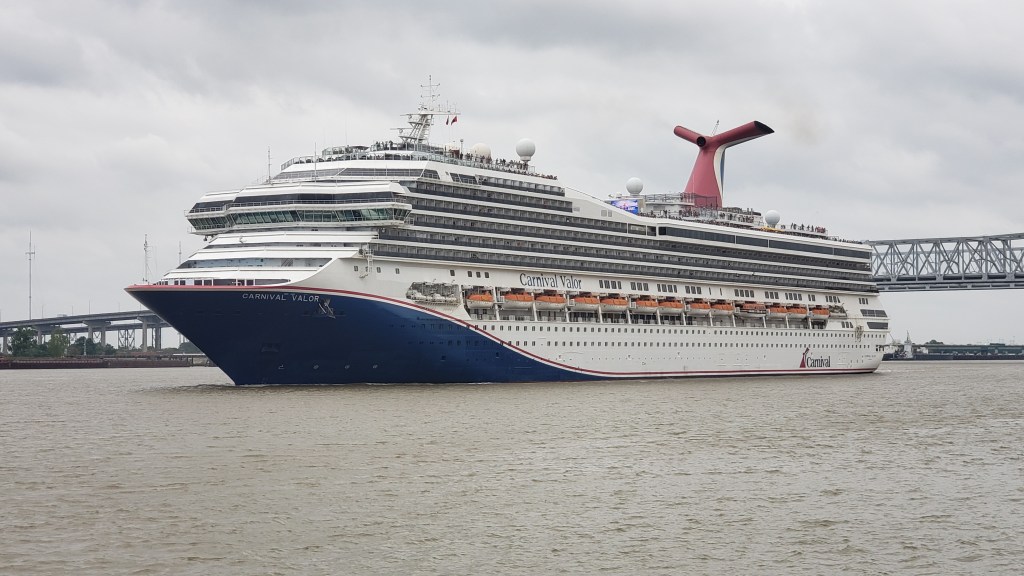
Vue Orleans is in a building right on the riverwalk, and as luck would have it, a Carnival Cruise Line’s ship, Valor, was just making her way out to sea with a whole new group of passengers. We had actually sailed on her with our three boys many long years ago.


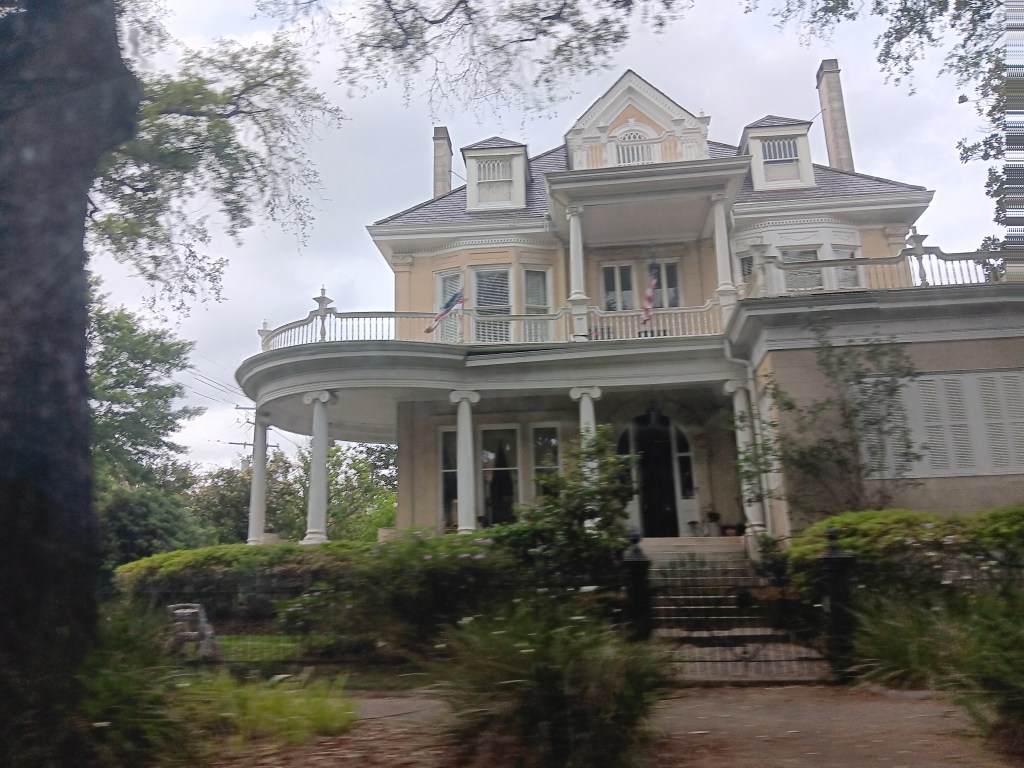
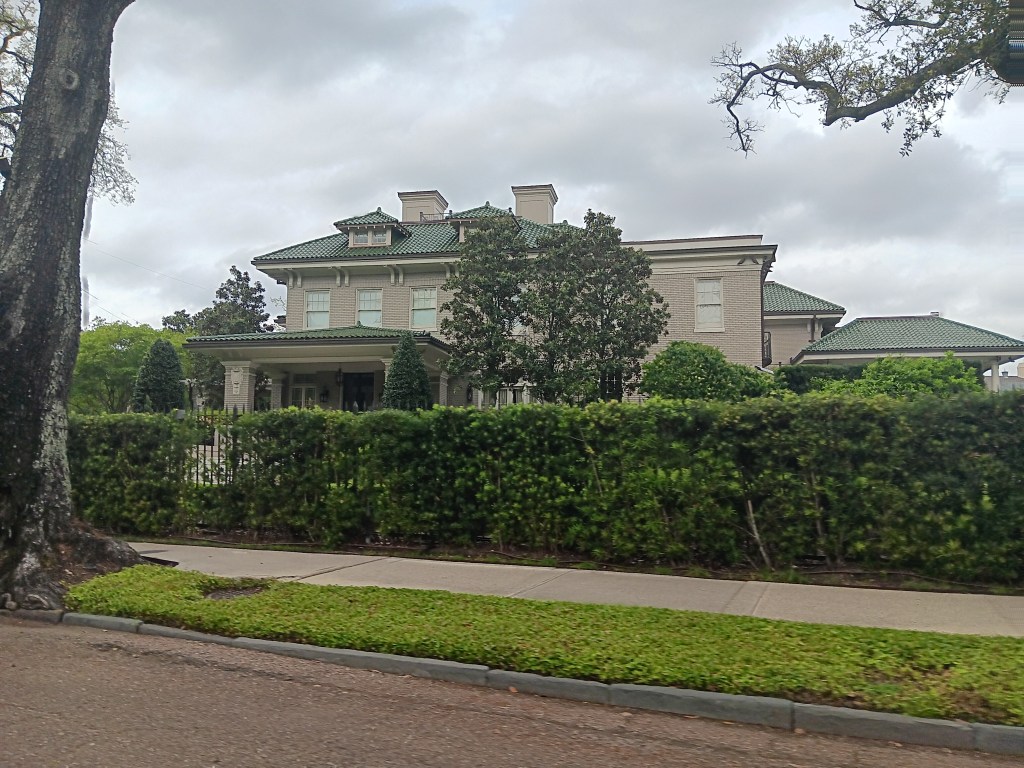
We stayed in the Garden District during our 2013 trip to the Big Easy, an area that, like the French Quarter, is totally reliable. You know what you’re going to see (massive wealth), and we were happy to end our time in New Orleans with a leisurely trip down memory lane.


From The Red Stick To The Big Easy


New Orleans wasn’t a new city for us. We’d been there before, but anyone who has visited the Big Easy knows it’s never the same and it’s always the same and you can’t be certain of what you’ll get. The French Quarter is a perfect example – dynamic and predictable at the same time. We love it and we hate it, so, naturally, we made it our first day’s destination.

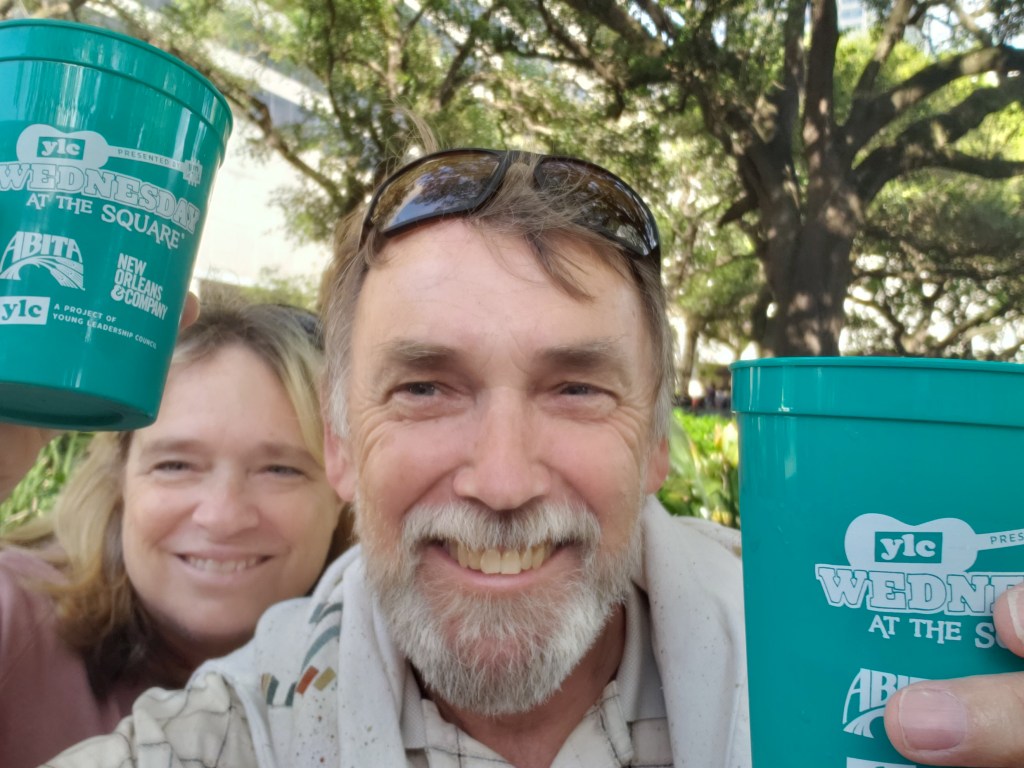
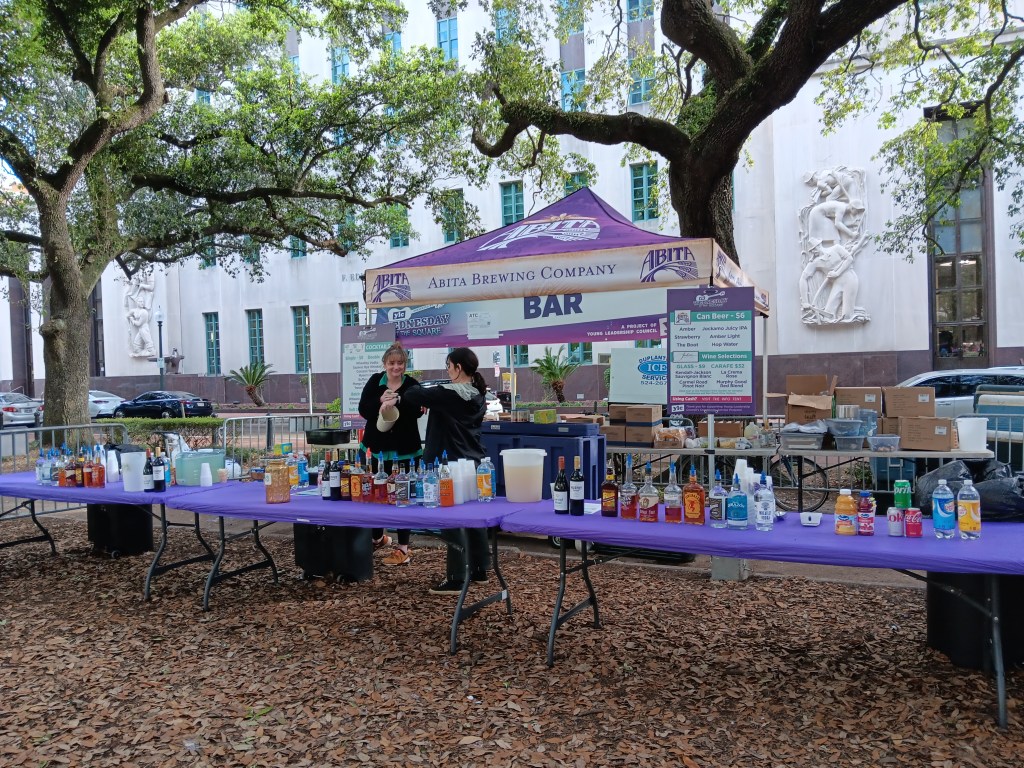
As luck would have it, we arrived mid-week, so after we settled in at waterside New Orleans RV Resort and Marina we went into the city for Lafayette Square’s big Wednesday Concert Series. Locals make good use of the concerts, and it was easy to see why. Plenty of food and booze, good Jazz, and the concert was free.


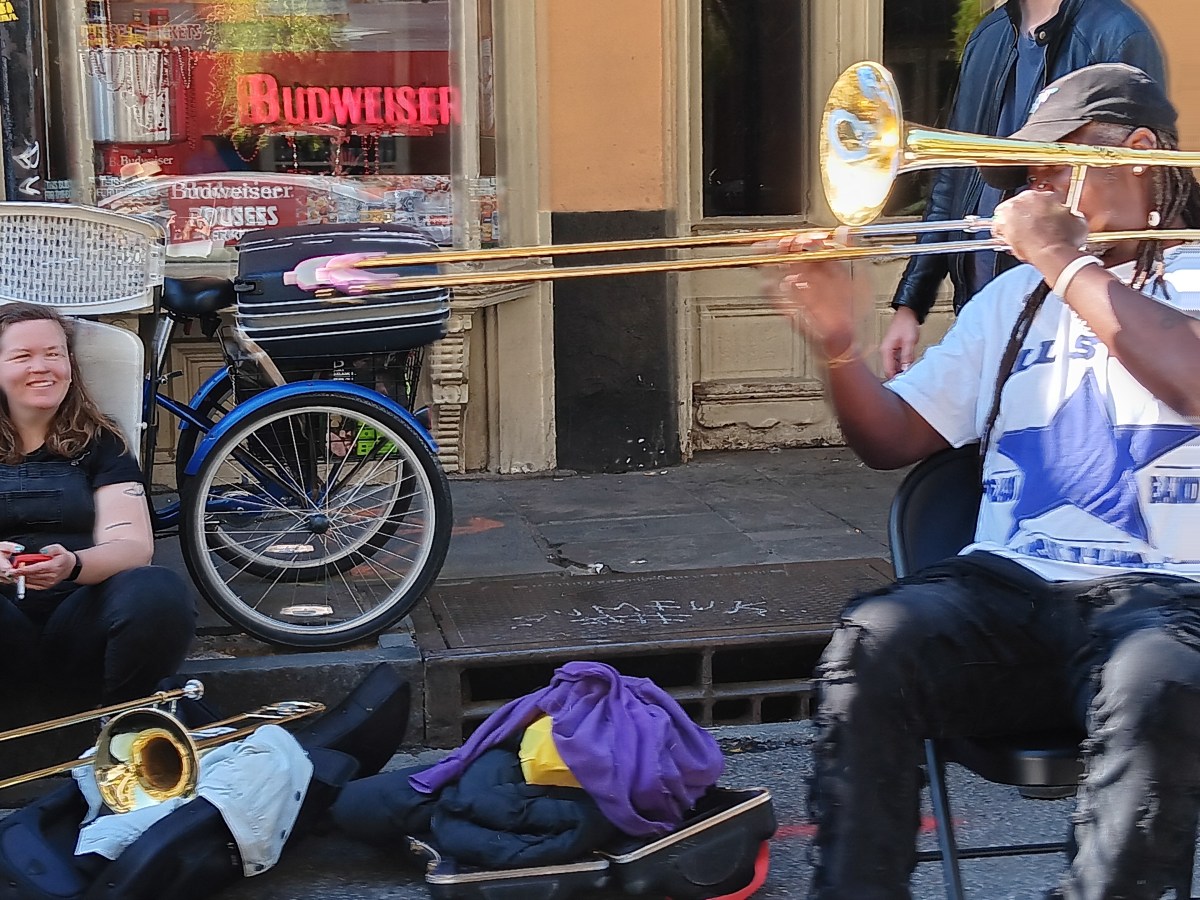
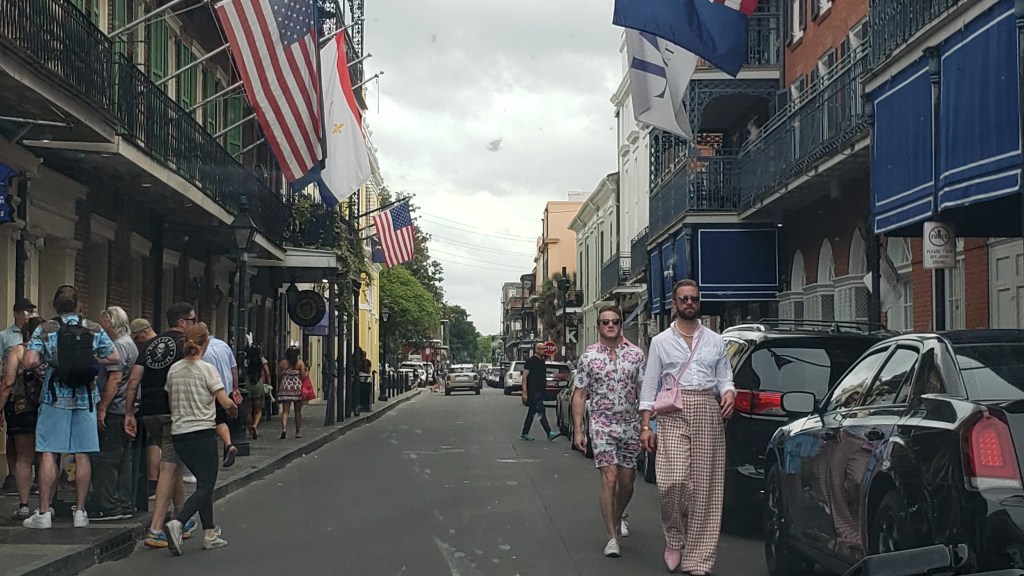
We bugged out after Trumpet Mafia finished their set, and we headed over to the French Quarter to get our fix of iconic New Orleans and massive, inebriated crowds. To be fair, most people were probably at least somewhat sober, but the area’s open-carry alcohol policy is always in full swing, leading to happy pedestrians rambling in the streets and traffic nearly at gridlock.


Bourbon Street, not yet at full capacity.

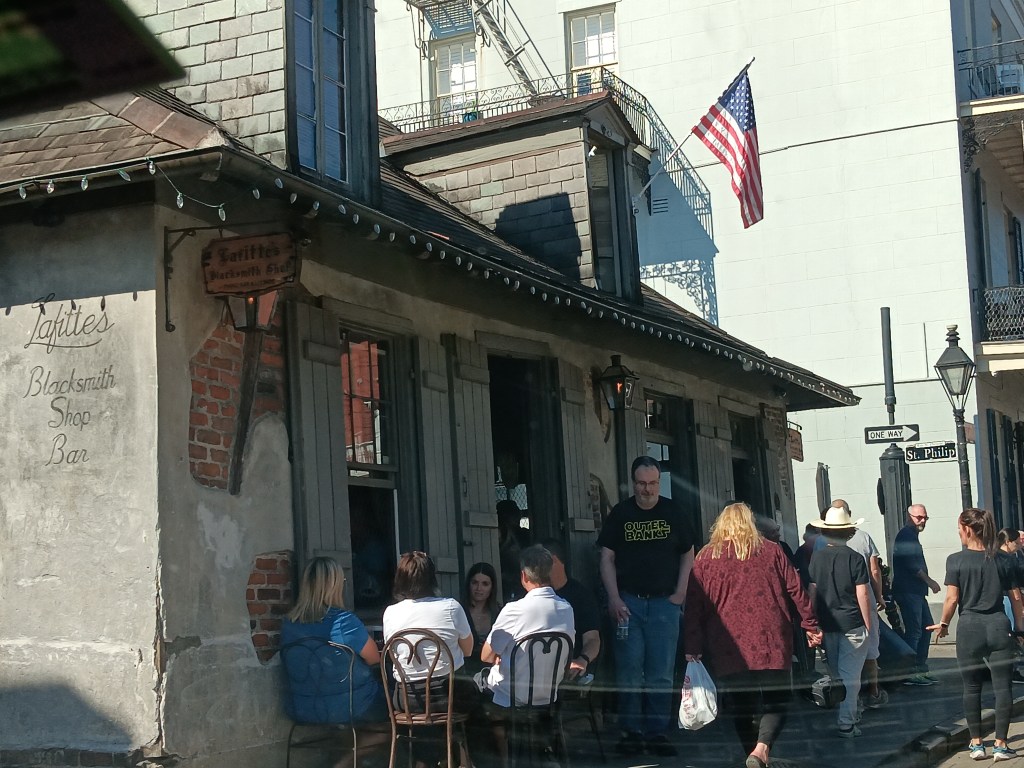
Lafitte’s dates back to the early 1770s and is said to be the oldest bar in the United States

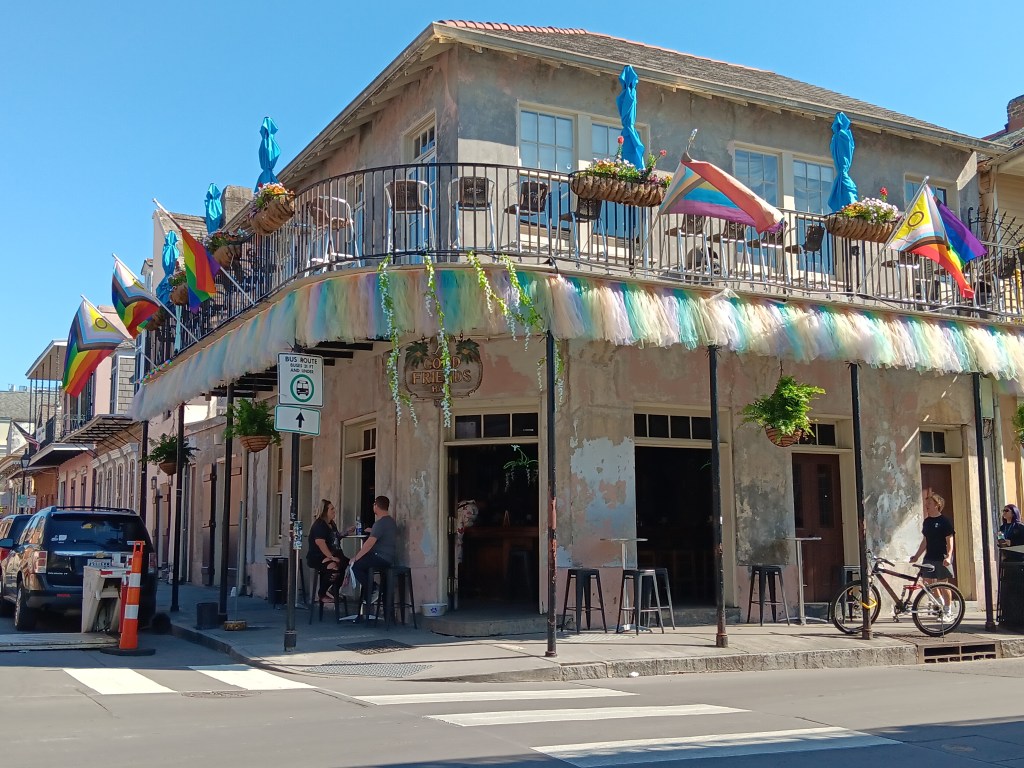
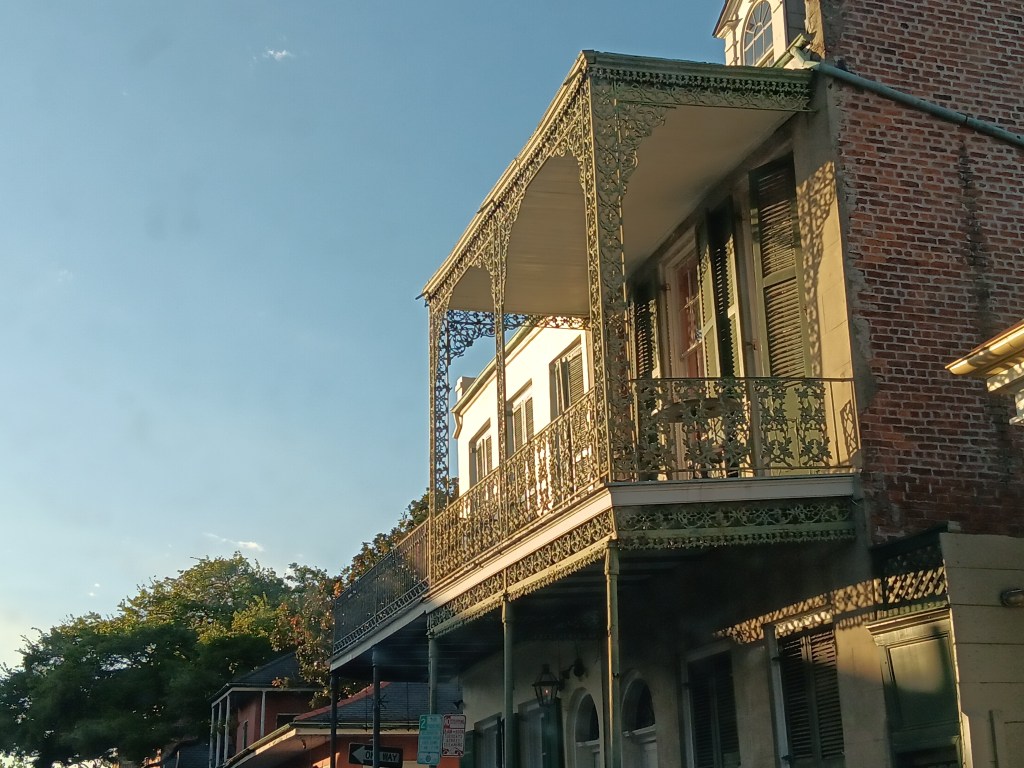
The upside to driving Nippy through the masses was the chance to thoroughly enjoy the architectural details that make New Orleans such a great city. So much of it is just beautiful. It’s one of those locations that, once you’ve seen it you never forget it.


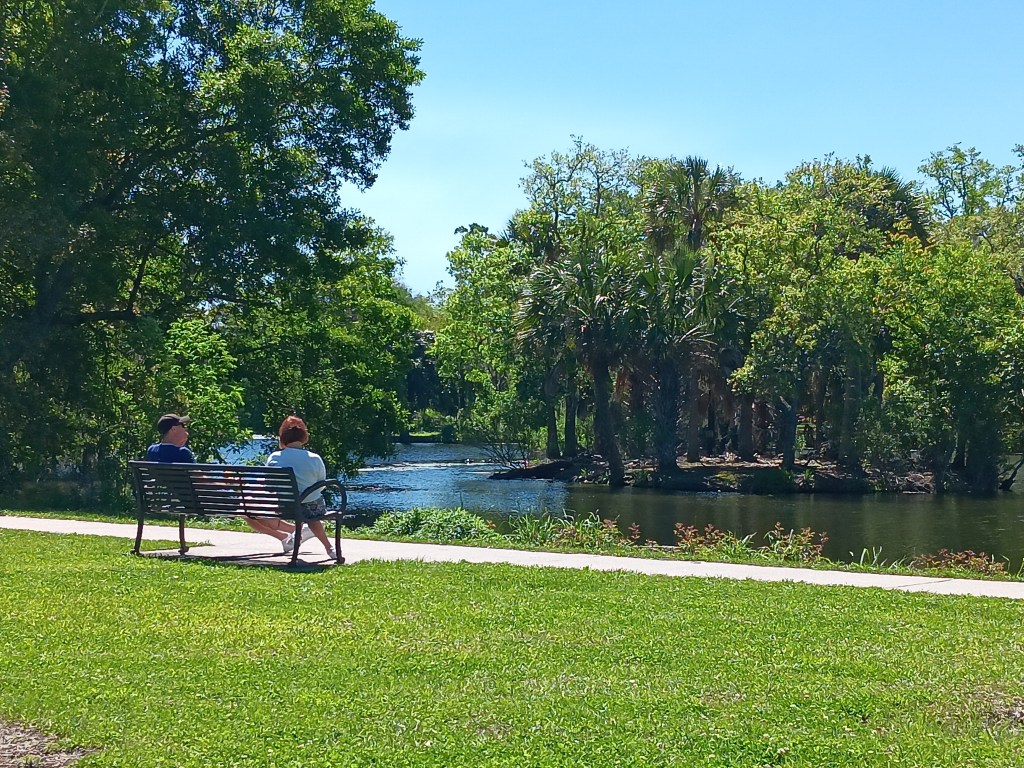
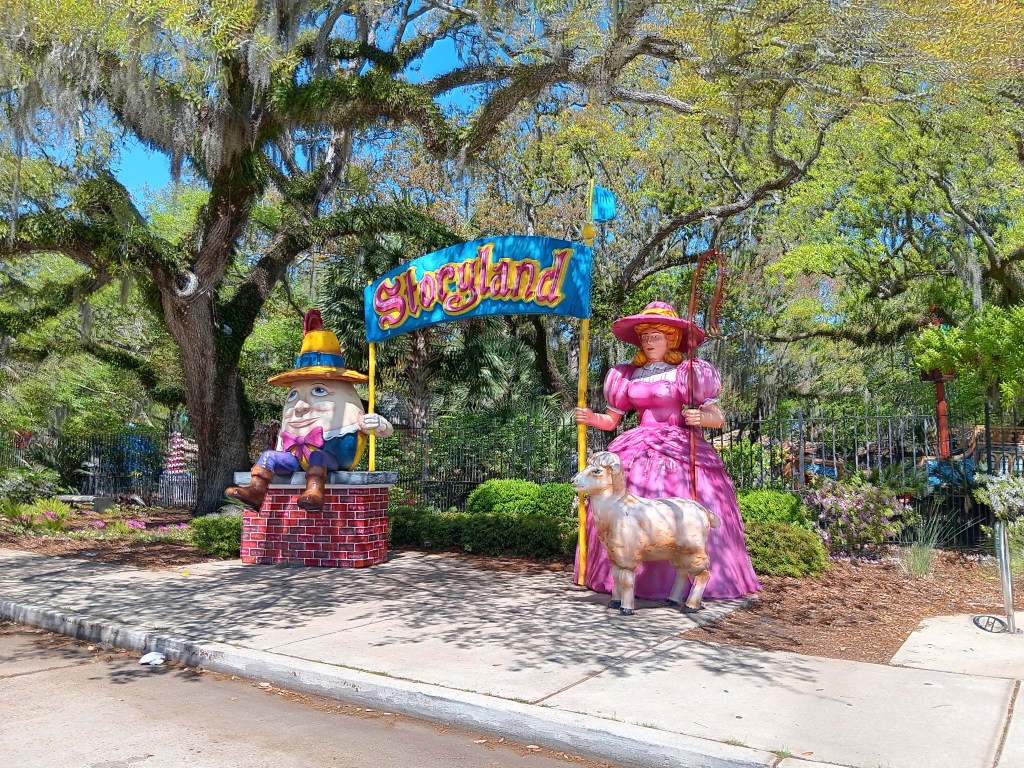
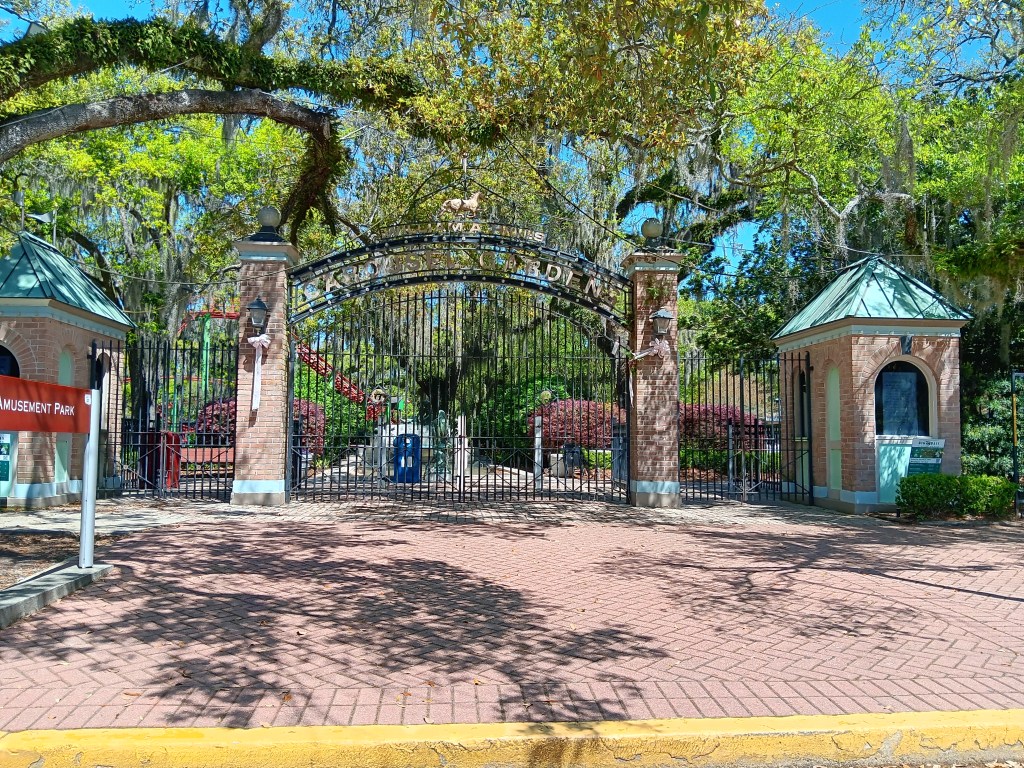
We drove through City Park the next day, primarily for the big dog park, which we discovered was only open to those with a membership. The park itself, however, blew us away with how much it offered, and we could only imagine how fantastic it would be to live nearby. Anything you could ever want from a community amenity could be found there. Storyland for young children, a mini amusement park for older kids, botanical gardens, Putt-Putt golf, all manner of enjoyment on land and on water, and, we noted, an outlet of New Orleans’ famous Café Du Monde.


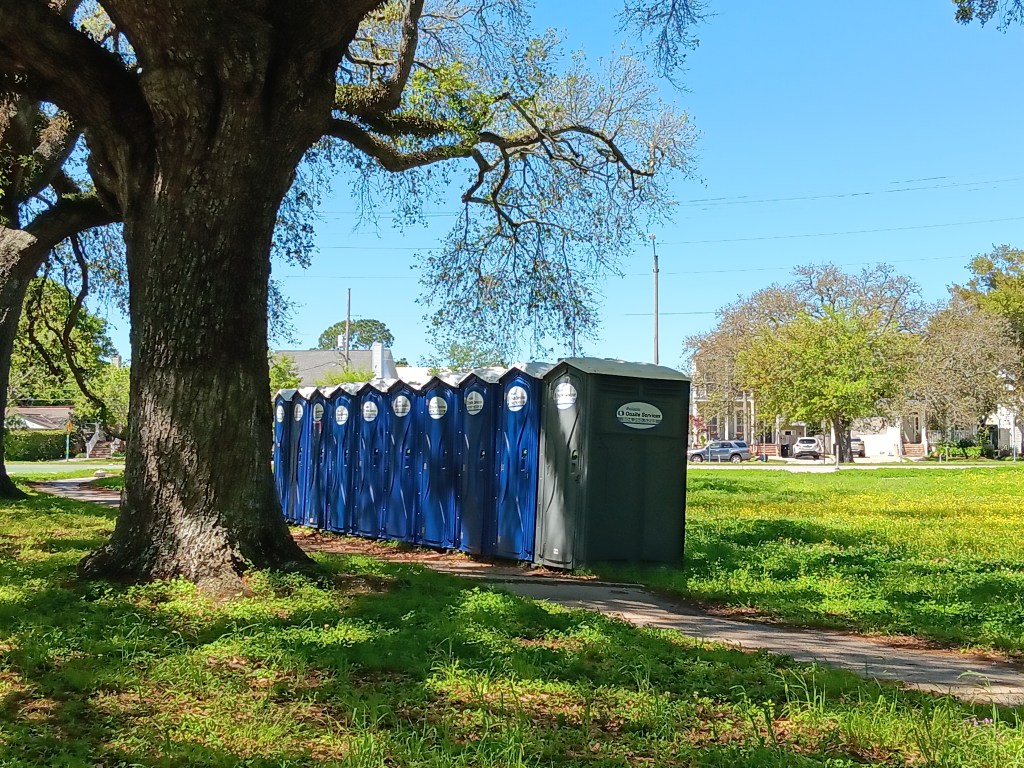
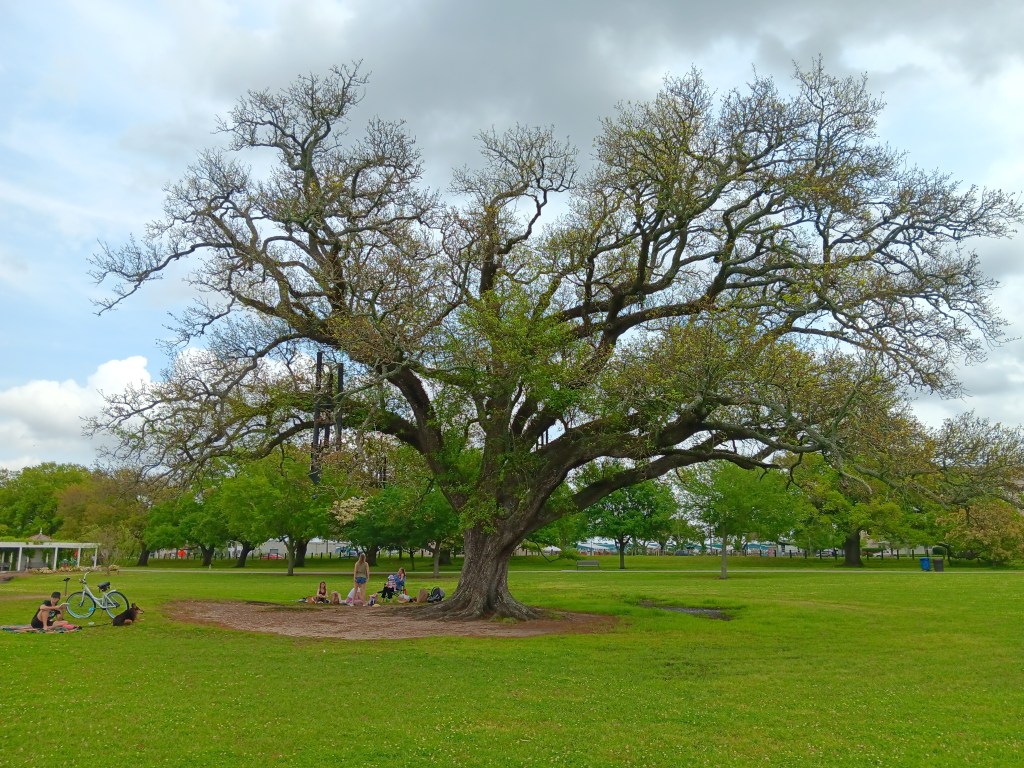
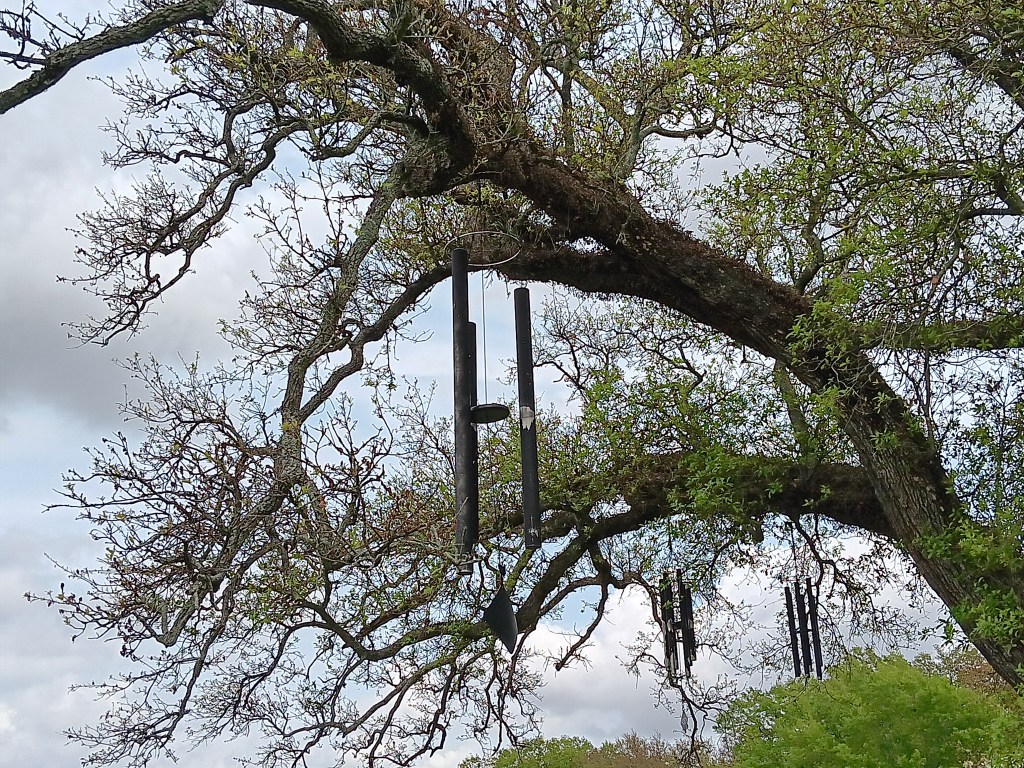
We didn’t stop, other than making a sprint for the porta-potties after all our morning coffee and tea, but we would return here later in the week for a good stroll, and during that time we discovered the enchanting Singing Tree, adorned with lots of wind chimes that created a gentle, pleasing sound with each breeze.

Sweet, blessed relief! But not for us. They were all zip-tied shut.

Here’s a sneak peek at the Singing Tree, which we didn’t see until our next visit.
It has some gigantic clangers.

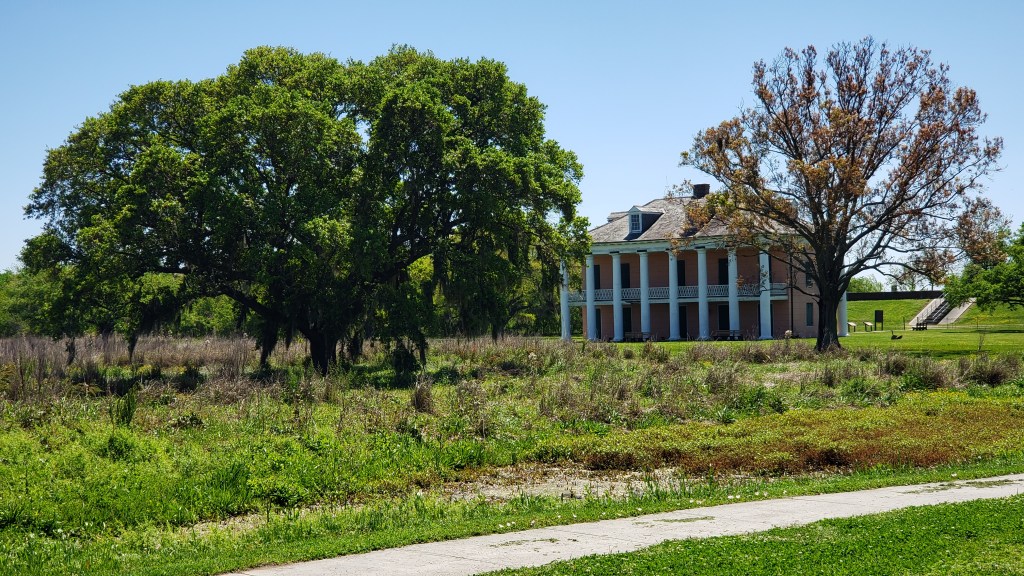
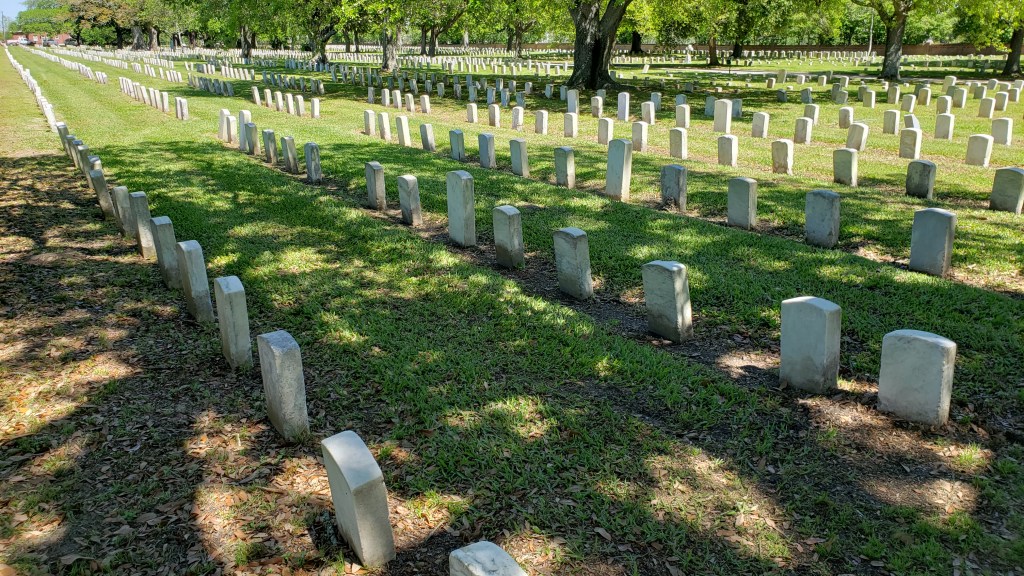
We headed out of the park to San Bernardo Byway, making a stop at Chalmette National Historic Park and Battlefield site of 1815 Battle of New Orleans, between American and British forces. Chalmette Cemetery is right next to the battlefield, with 14,000 graves of soldiers from the War of 1812 through Vietnam. Freeman Cemetery is here, too, with the graves of slaves.

But the coolest thing about the battlefield was, it was inherited by a freed Black man, Jean Pierre Fazende, after the Civil War, who partitioned it off and sold plots to former slaves, creating Fazendeville. The not-cool part is, the National Park Service essentially took back the land in 1966, some say to “honor the sesquicentennial,” other say it was done to break up the community for voting and school segregation reasons. Either way, the thriving village was destroyed, and those who had homes there ended up in New Orleans’ Lower 9th Ward, which later suffered the most damage from the levee failure after Hurricane Katrina.

This plantation home was built on the former battlefield in the 1830s


The Byway also passed through St. Bernard, where 81% of the buildings (20,229 houses) were damaged on Aug 29, 2005, due to Hurricane Katrina. Then Issac hit –twice—in 2012. Seventeen miles south of New Orleans, the area is practically surrounded by water at the best of times, but when the sea moved in during the hurricanes, devastation happened.
A long stretch running parallel to the single road to Shell Beach is lined with dead trees, on both sides.

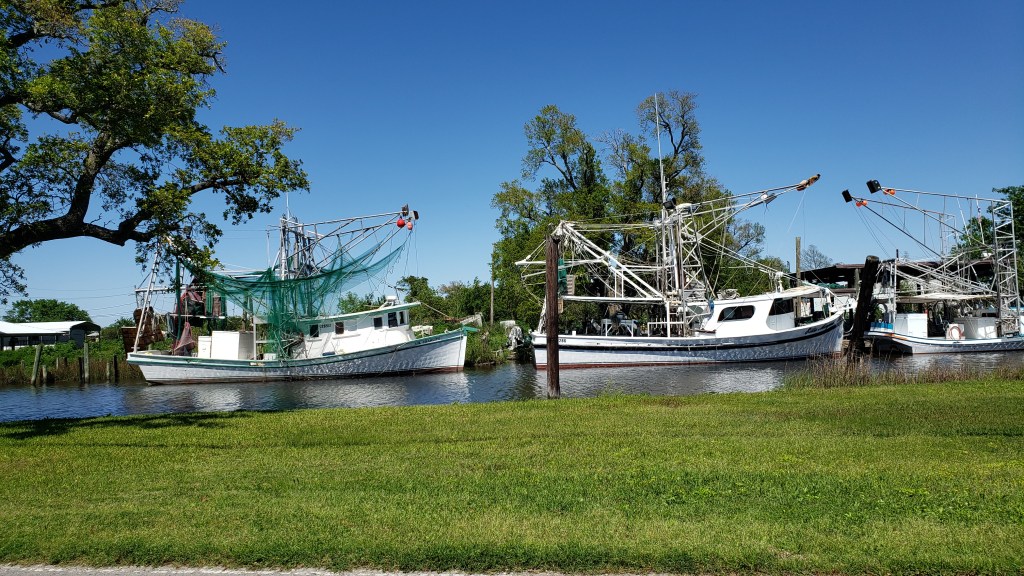
We ended at the tiny fishing village of Shell Beach, a funny little place that’s pretty much just one street, with a quirky sense of humor.


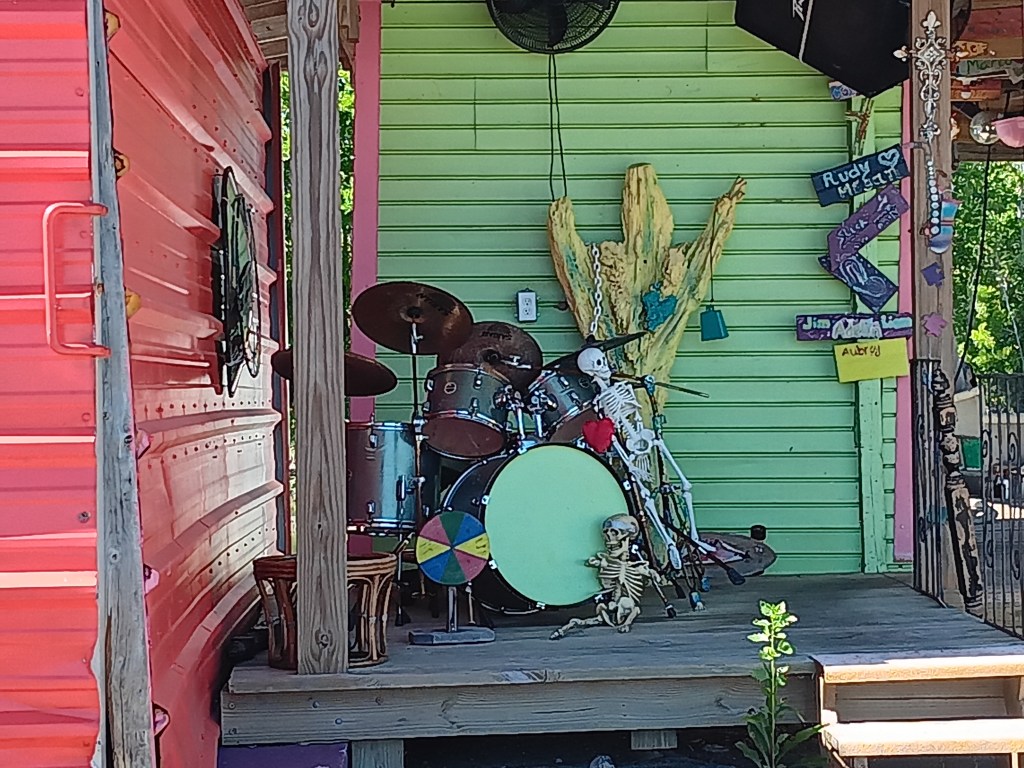
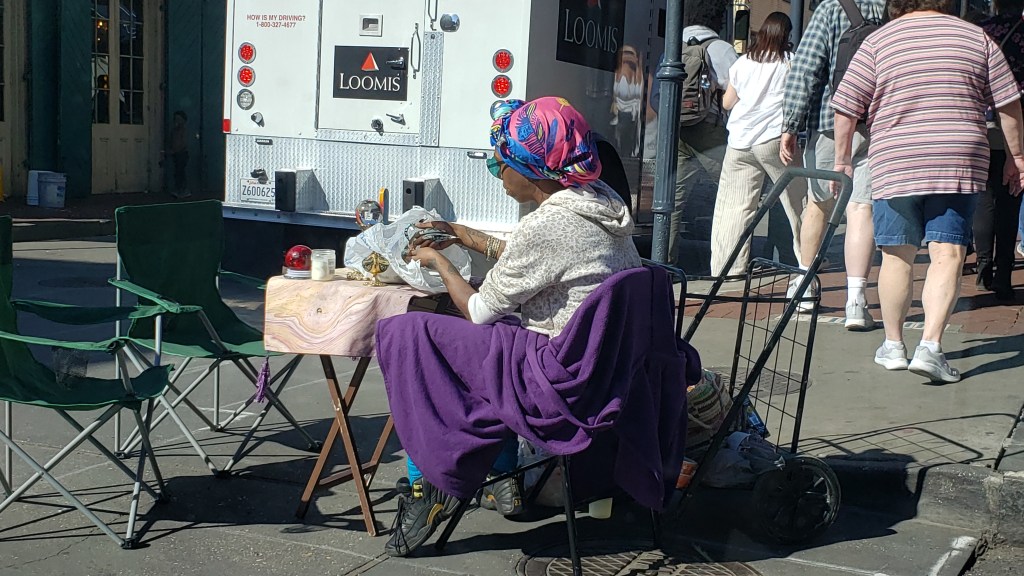
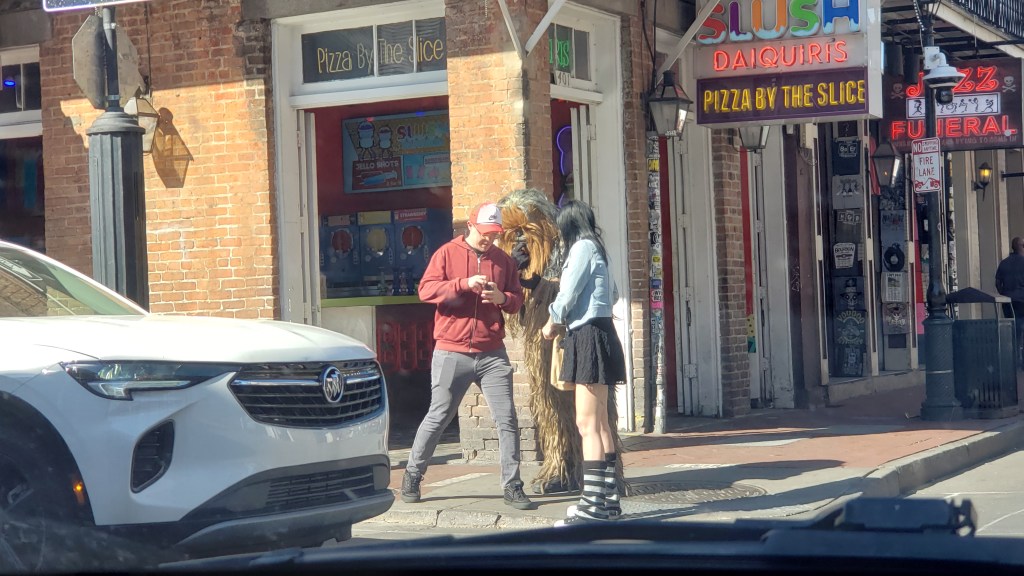
We took another drive through the French Quarter hoping for a stop at Café Du Monde or Beignet Café, but again, it was a no-go. But this visit turned into a reminder that you never know what you’re going to see, and we saw some stuff.

This lady set up some sort of fortune-teller opportunity, right in the street.

We don’t even know what to say about this. Some poor guy had to stand in the middle of the street to take their photo.

This doesn’t look like much, until you realize that’s Chewbacca in between these two people.

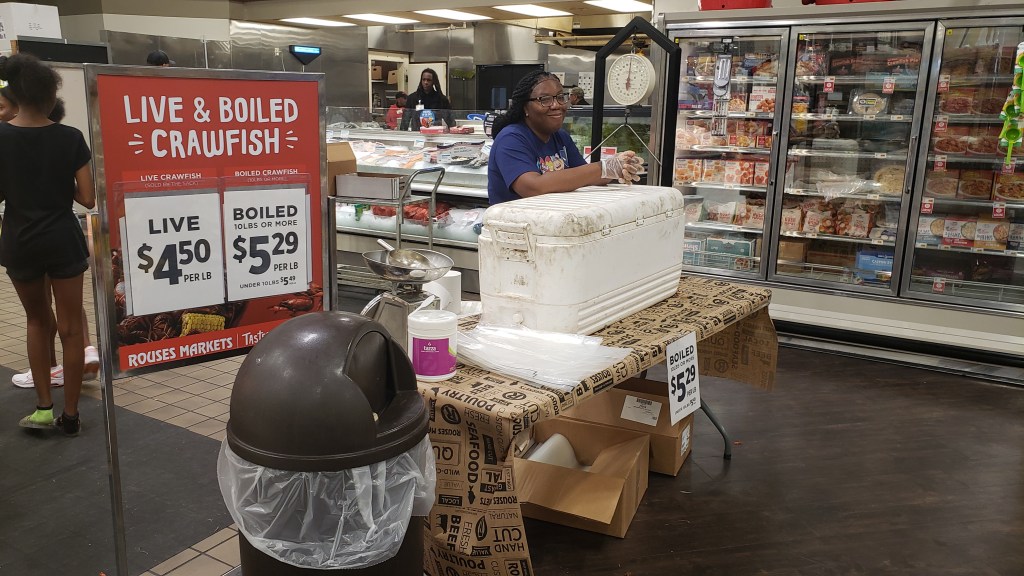
Instead, we stopped at Rouse’s grocery store to pick up something for dinner, and discovered Louisiana is even more serious about its crawfish than we thought. Cookin’ ‘em up in the parking lot, sellin’ ‘em inside the store, fresh and ready to devour. What a wonderful world we live in!


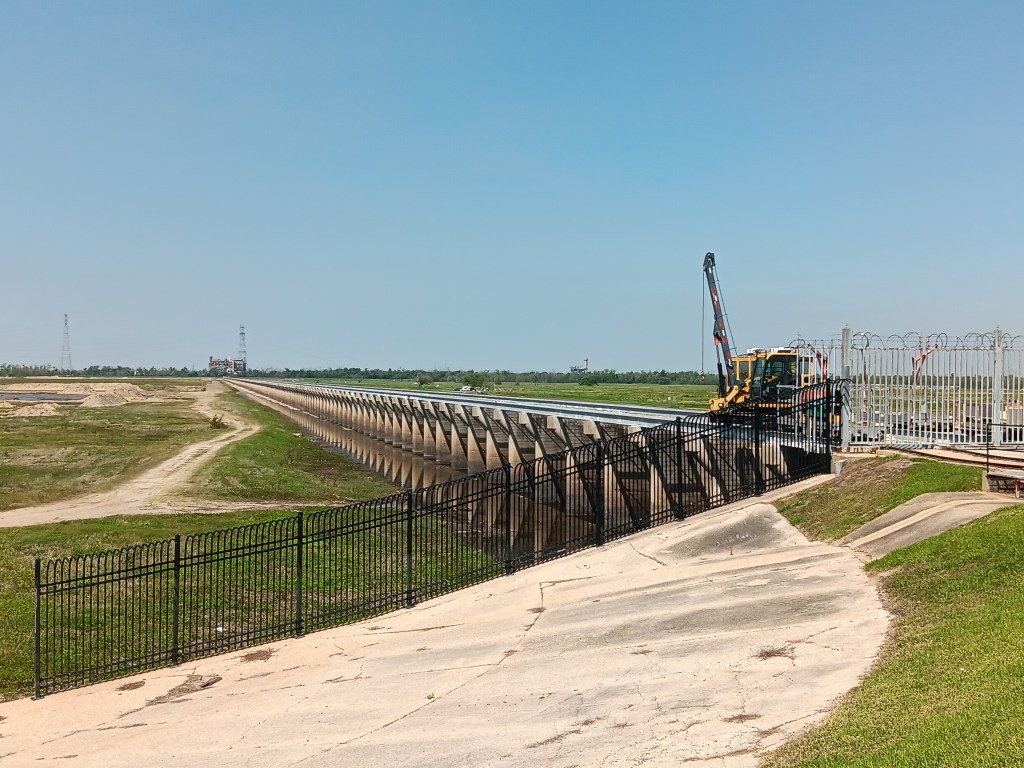
Our next road trip was out to swamp country, starting at Norco, home to the Bonnet Carre Spillway flood control operation. Now, we’re not engineers, so maybe this is an important feature for flood control, but we did wonder how the big spaces between the spillway’s wooden slats were going to stop much water.

You can’t see the wooden slats in this photo, but they had gaps.

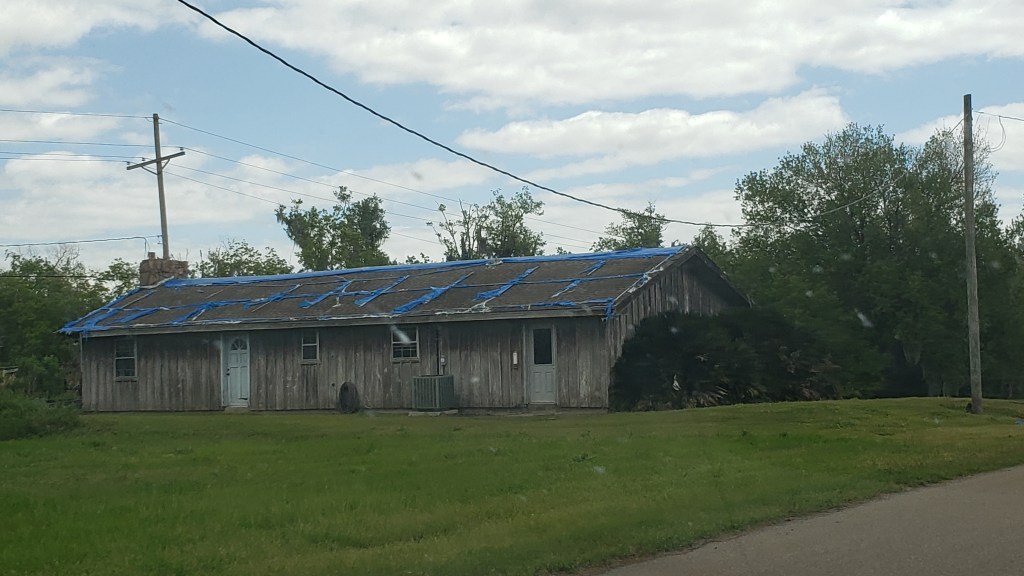
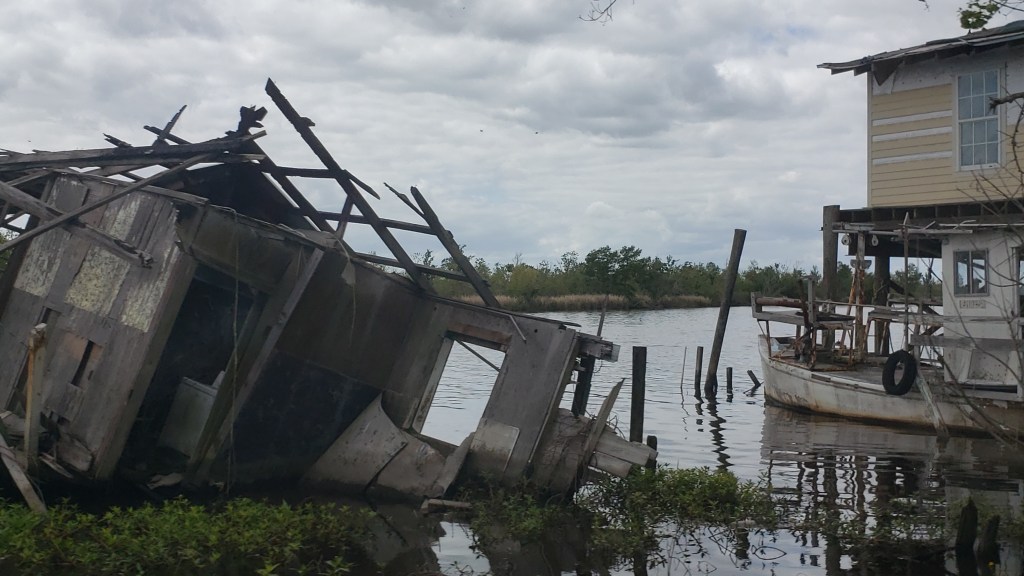
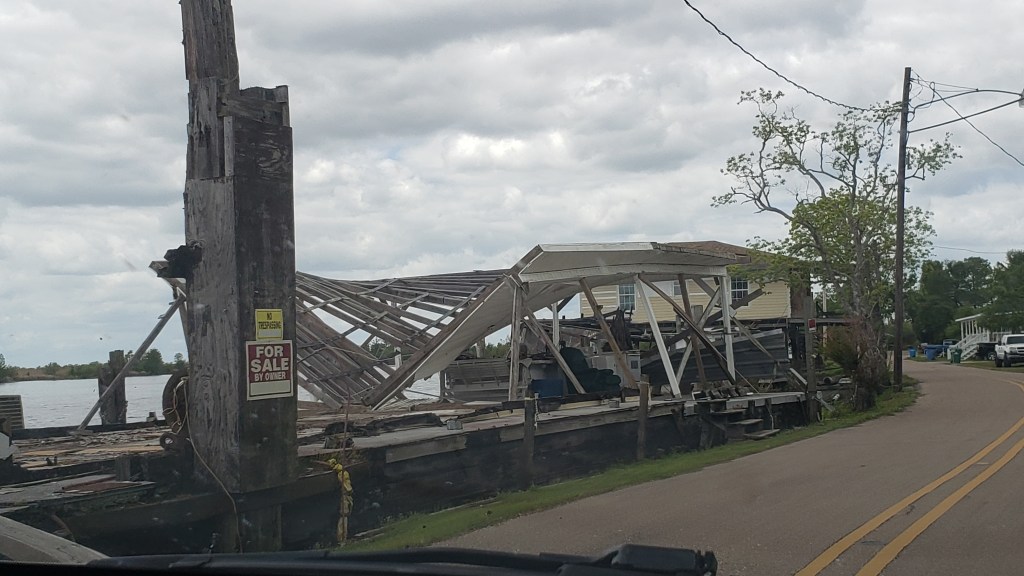
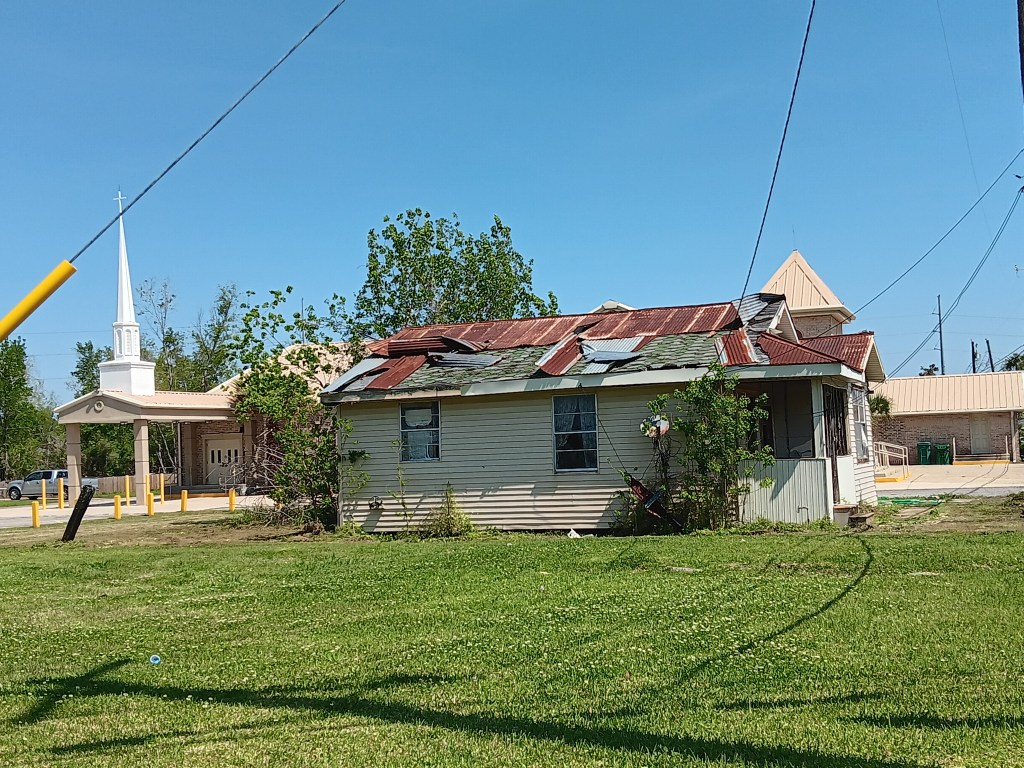
So many homes and businesses we saw along our drives still stand as stark reminders of the hurricanes’ power.


This destroyed home still had clothing in the closet.

A few metal roofs told such a detailed story that it was easy to imagine every moment as the roof panels were being tortured and stripped away by the wind.


We then passed through Garryville hoping to find the Timbermill Museum Pond Trail, but when we arrived it seemed the museum and its trail packed up and went home a decade or two ago, and were nowhere to be found.

It was supposed to be here, but it’s not.

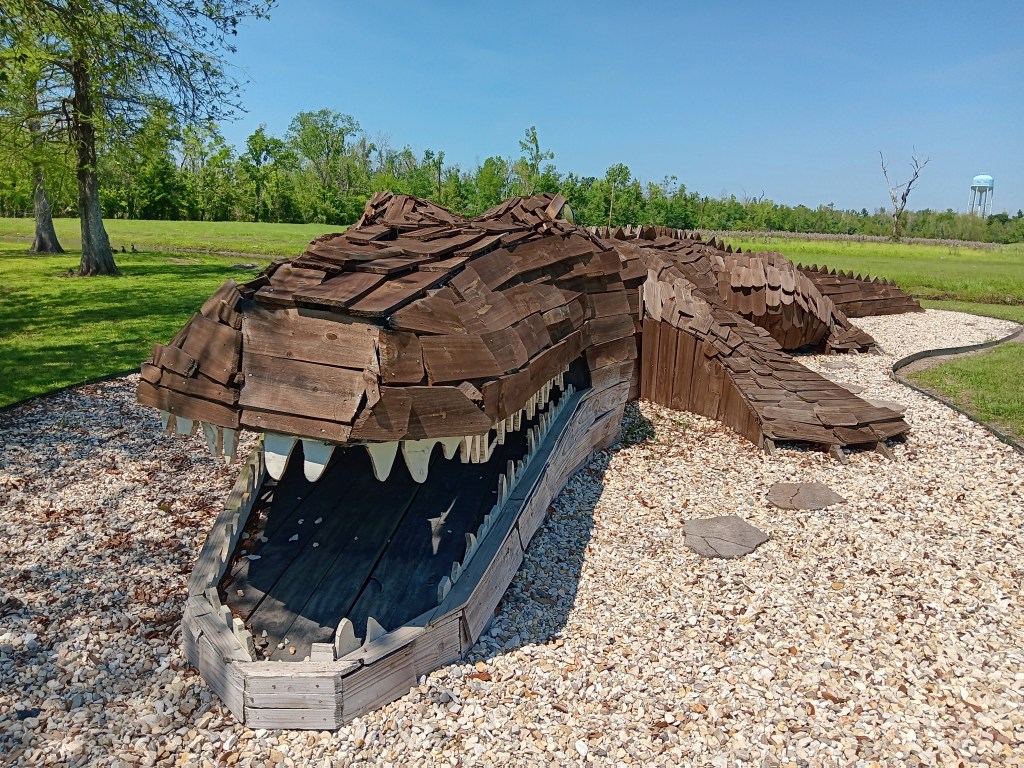
But no matter. Our next adventure was a giant gator hunt, so our excitement level remained high. When we found it, we snapped a dozen photos like the tourists we are.


Note the gator’s eyeball. Menacing or comical? You decide!

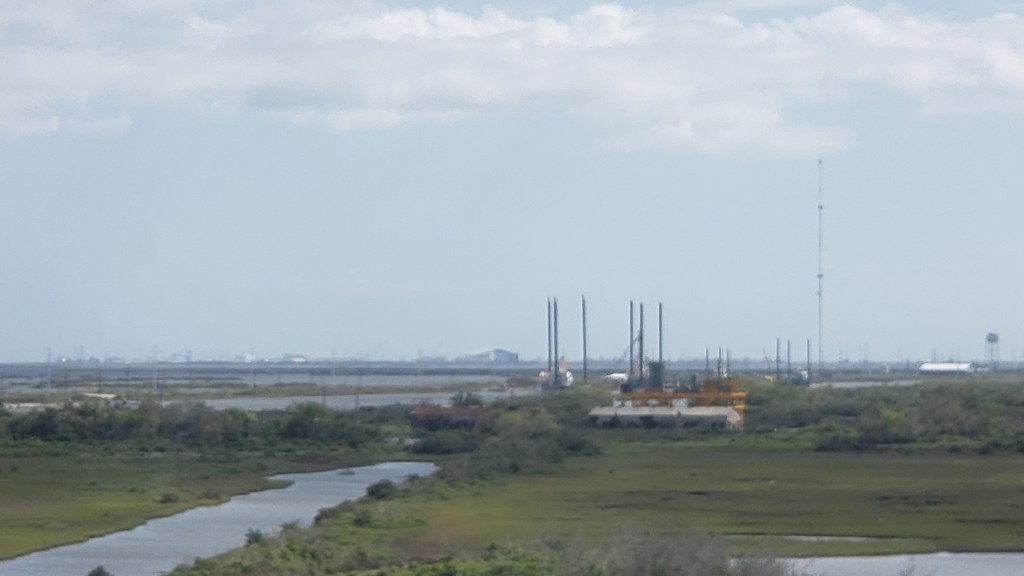
The next day found us heading south on 310 and 90 through series of small, rural towns, with random ships on one of the canals. Much of the area south of New Orleans is strips of land with water on both sides, so fishing, crabbing, and shrimping are the main ventures, along with big industrial refineries.

Bayou Gauche prompted a little detour off our path, mainly because we liked the name.

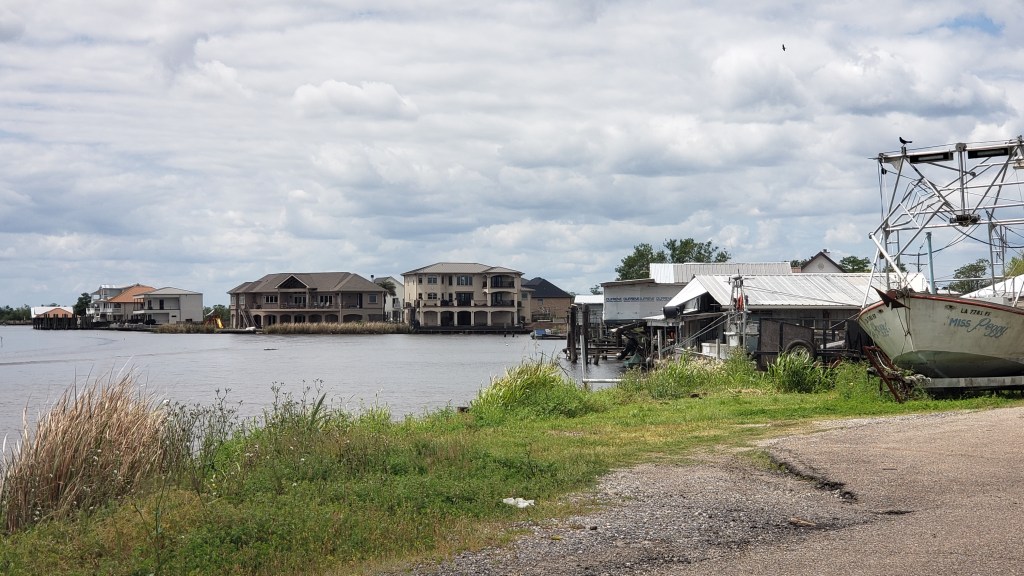
Most of the photos of destroyed homes (above) were taken in Bayou Gauche. It’s an area experiencing dramatic change, as you can see by the mansions just across the bayou.

We drove on to Leeville, where we veered onto a massively long bridge to Port Fourchon, the furthest south we could go and still be on terra firma.


There have been many, many times during our trip that we’ve “felt” how hard-working our fellow Americans are, and how much our own lives are surrounded by conveniences of every kind. The rural, coastal areas of Louisiana impressed us with the level of self-sufficiency they require, and the ability to survive in such harsh and natural locations.


We’d packed a lot of New Orleans into just a few days, but we weren’t done yet.  

Baton Rouge Round Two


Louisiana was proving to be a state of surprises and contrasts. Human-made refineries amid raw, natural wetlands; the humblest of homes just steps from mini-mansions; and, as we meandered its riverside roads, the undeniable elegance of antebellum plantations, timeless and serene and evoking a certain nostalgia even though neither one of us ever lived that life, but with the specter of their past impossible not to feel.

We’ve seen several plantations that still stand in Georgia, so we were eager to see how Louisiana’s compared. With that goal in mind, each time we toured within Baton Rouge and beyond its borders we looked for plantation homes. Some remain private residences, and some are open for tours or function as B&Bs.


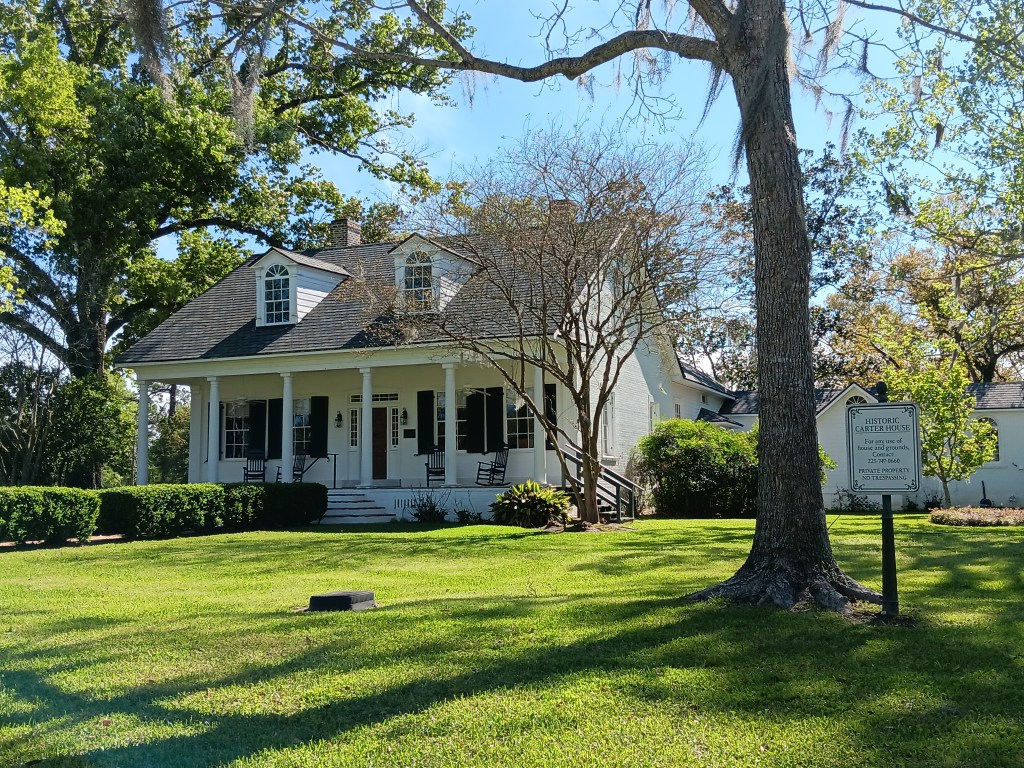
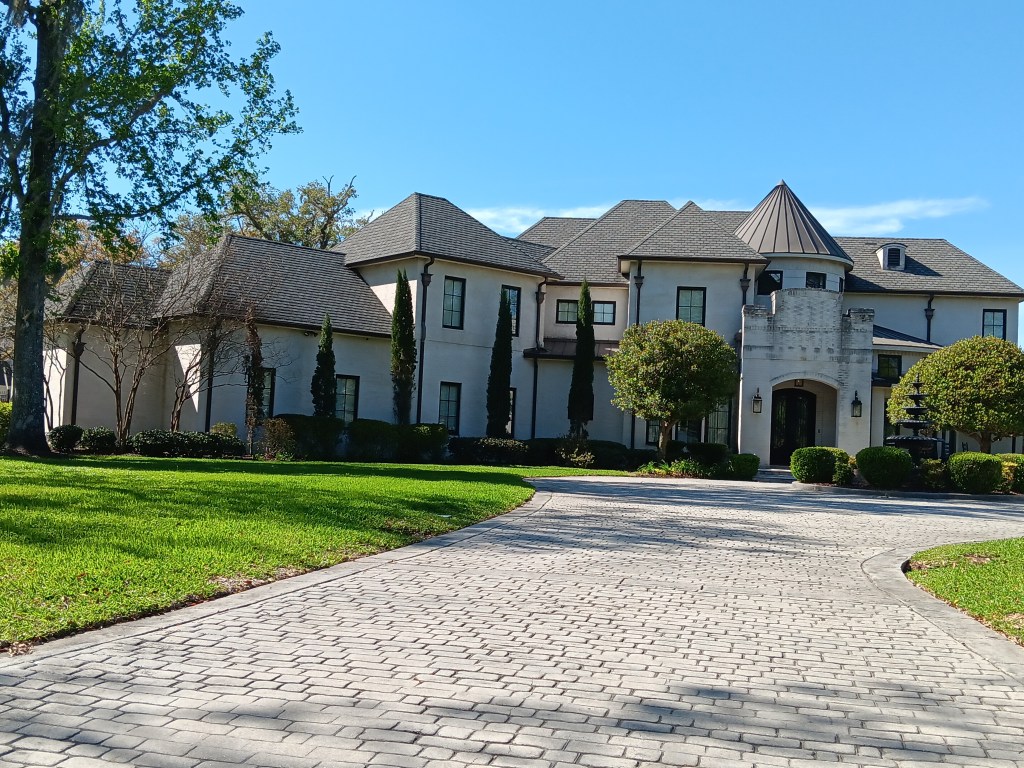
Carter Plantation is a bit of an anomaly. It now sits in the middle of an upscale residential community, and while it would have been considered a relatively large home in the 1800s, it’s fairly small by today’s standards, and certainly in comparison to its immediate neighbors. But it boasts the status of being on the National Register of Historic Places, and is set apart from other plantations because it’s the first in the county to be owned by a free “person of color,” African-American Thomas Freeman. Freeman and his slaves (!) worked its 2,000 acres until 1838.

Carter Plantation

Carter Plantation’s new neighbor

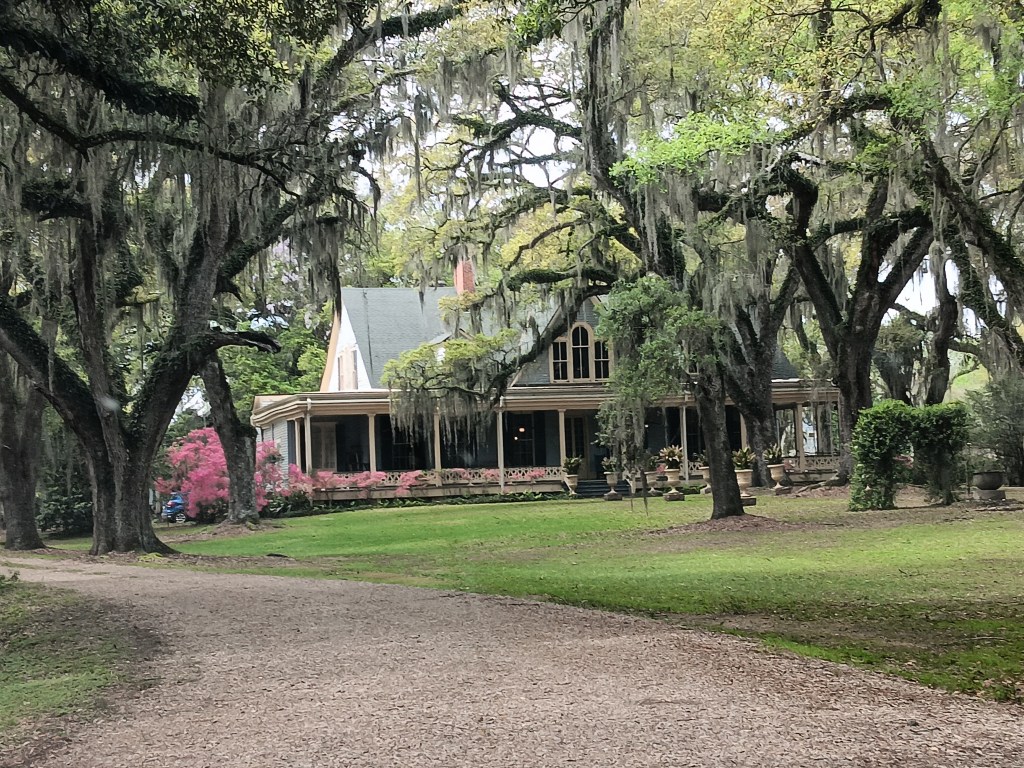
Built in the style of an English cottage in 1790, Butler Greenwood Plantation is also relatively small by Georgia standards, but it was a thriving agricultural concern back in the mid-1800s, when nearly 100 enslaved people worked the cotton, sugarcane, and indigo fields. It’s a private residence, largely unchanged since the 1850s.


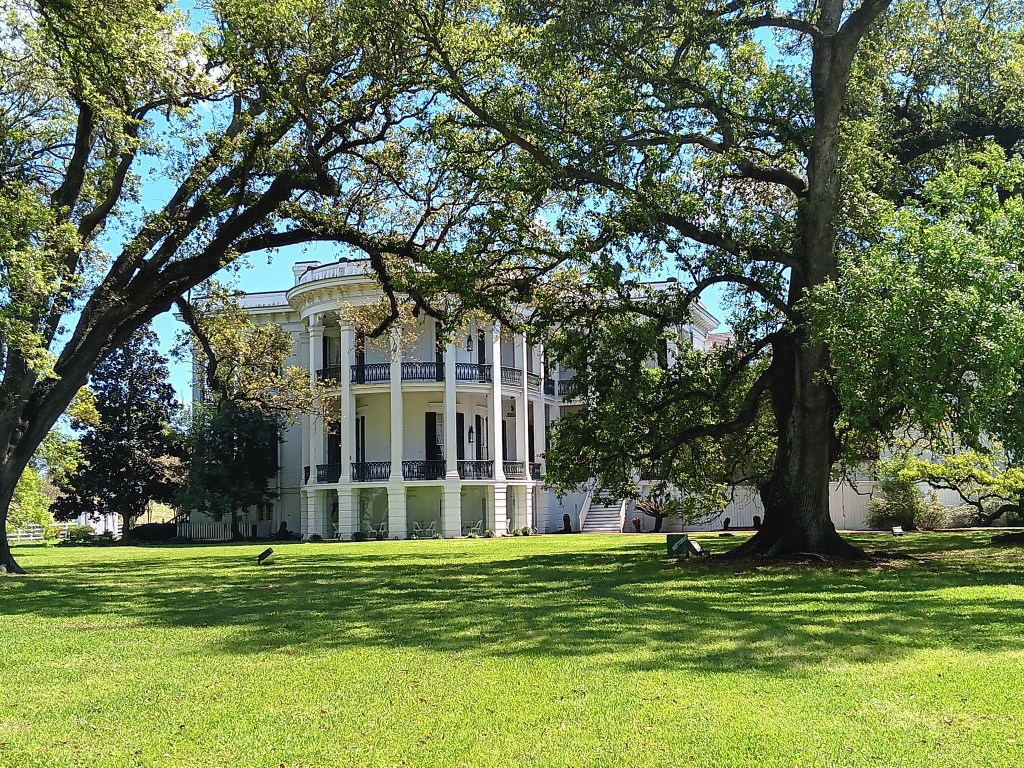
Nottoway Plantation, on the other hand, is exactly the sort of plantation home that drips with the style of its time. You could easily imagine Scarlet O’Hara sitting on the porch with the Tarleton twins complaining about “war talk,” though frankly, my dear, Tara was nowhere near this grand.

Today, it’s the South’s “largest remaining antebellum mansion,” and it’s hard to wrap your head around the size of this place. At one time it held 176 people in enslavement, doing the brutal work of sugarcane production on the owner’s 7,000+ acres. Now, it’s a hotel that also does tours.

This is the back of the house!

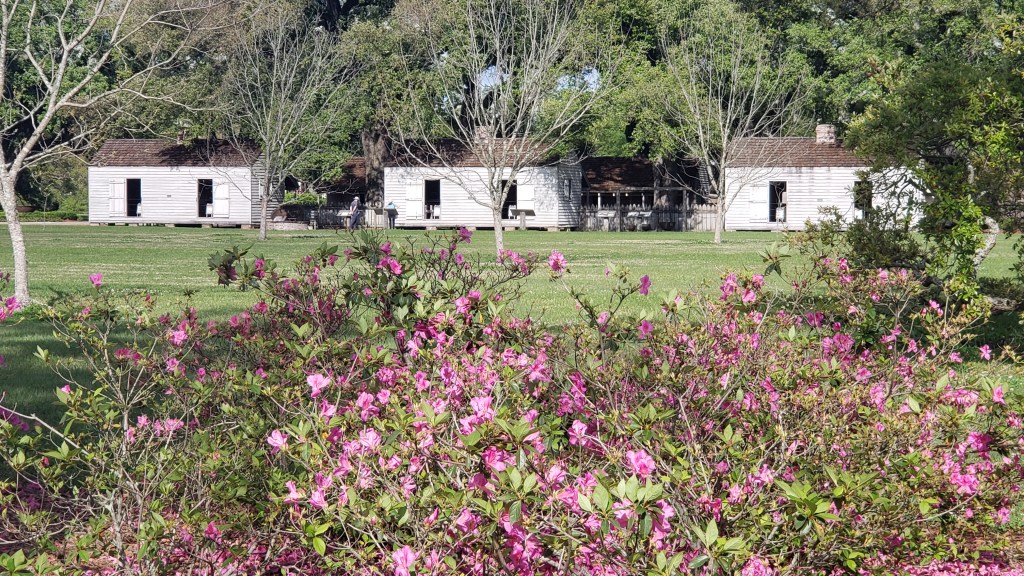
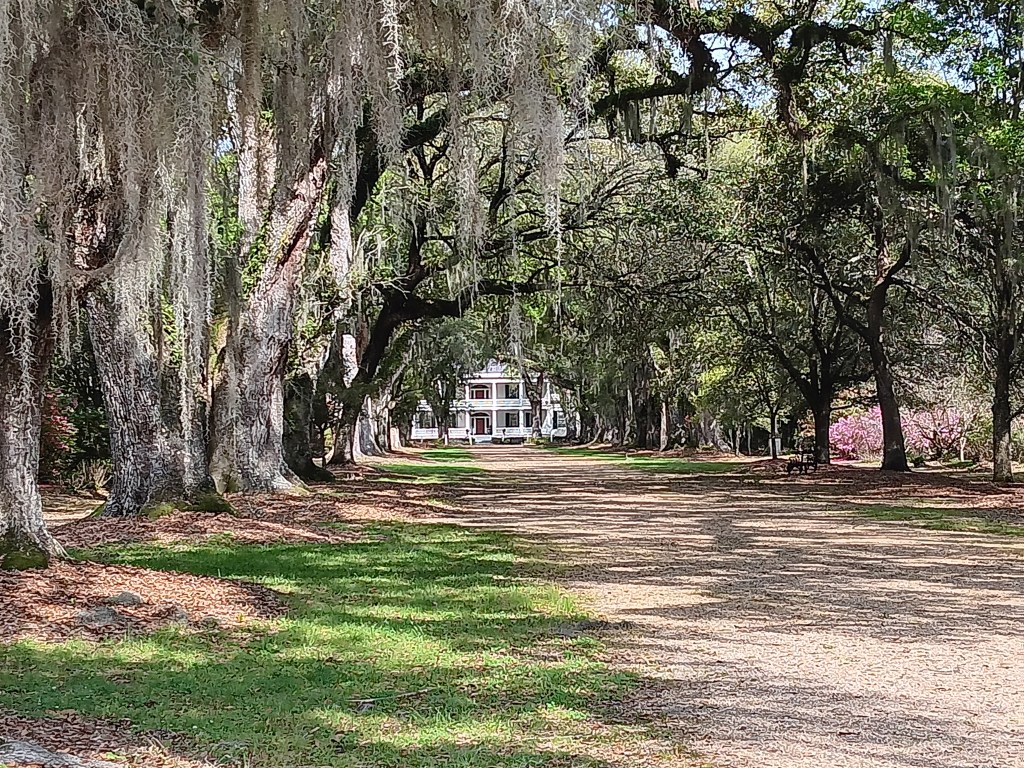
Oak Alley doesn’t shy away from its history of enslavement, and it includes an exhibit that tells the stories of the human beings forced into labor in the plantation’s sugarcane fields. Tours of the slave quarters and the Big House are offered, but we arrived too late to take one.


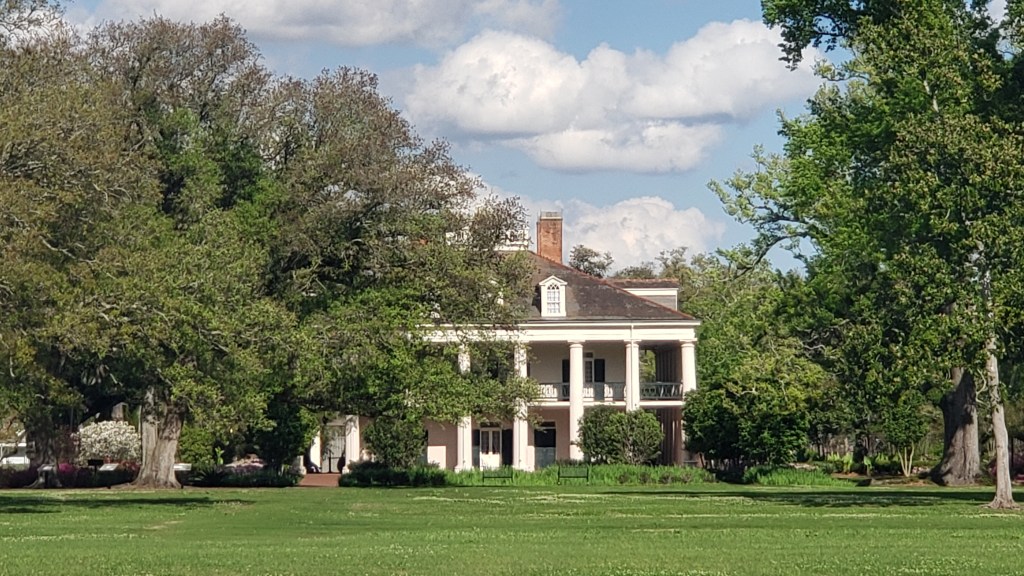
We passed several more over the course of our final week in the areas surrounding Baton Rouge, including the magnificent Whitney plantation, setting for scenes in the movies Django Unchained and 12 Years A Slave. Its history includes some of the most brutal aspects of slavery, but its modern face is turned toward telling that story through the voices and experiences of the enslaved. It is marked out as a designated “Site of Memory,” (in this instance, a location in which a significant point in history, held in collective memory, is contained) as well as being on the National Register of Historic Places.

If Georgia’s fictional Twelve Oaks and Louisiana had a baby, it would be the Whitney.

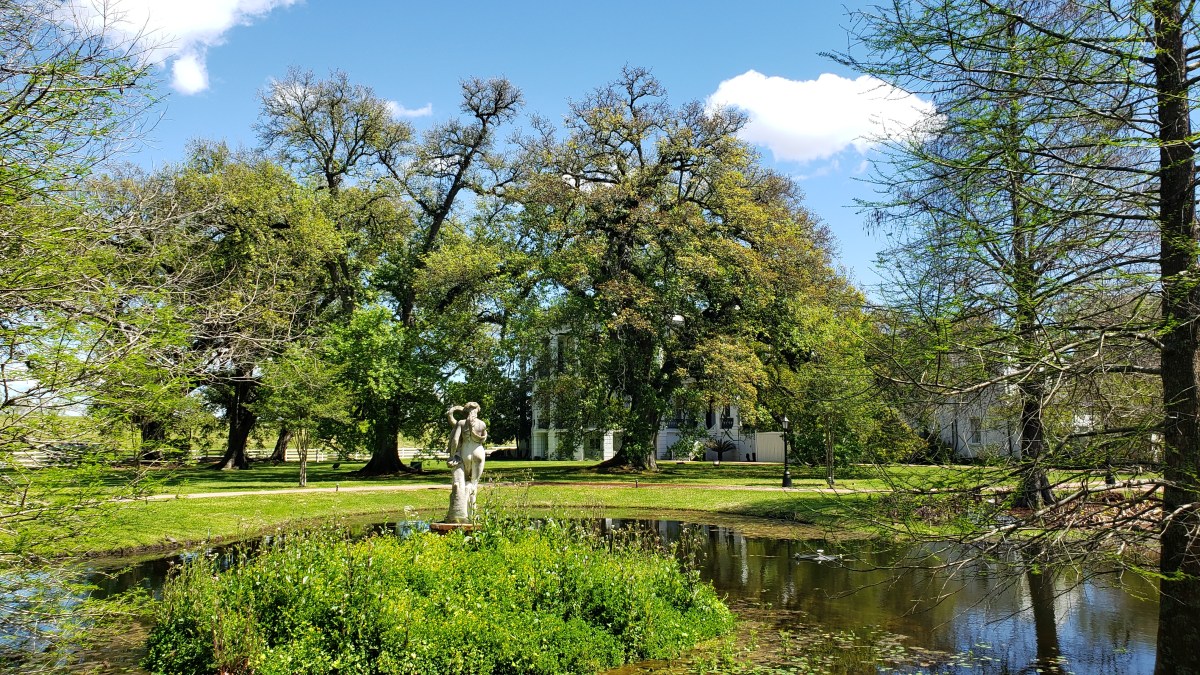
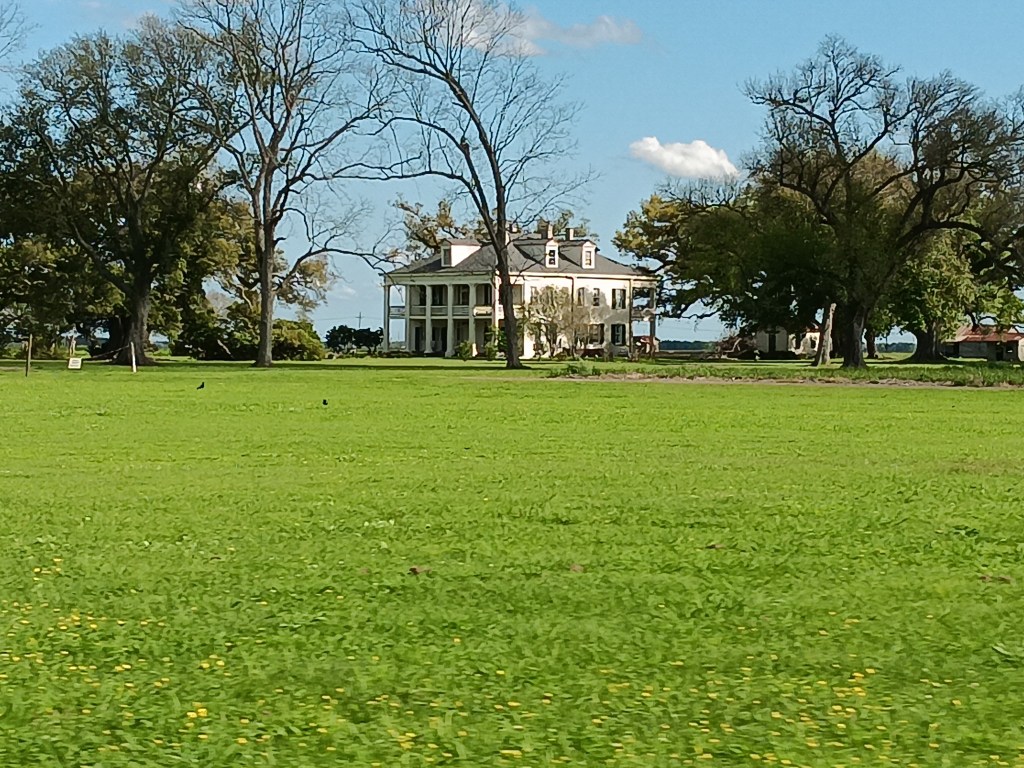
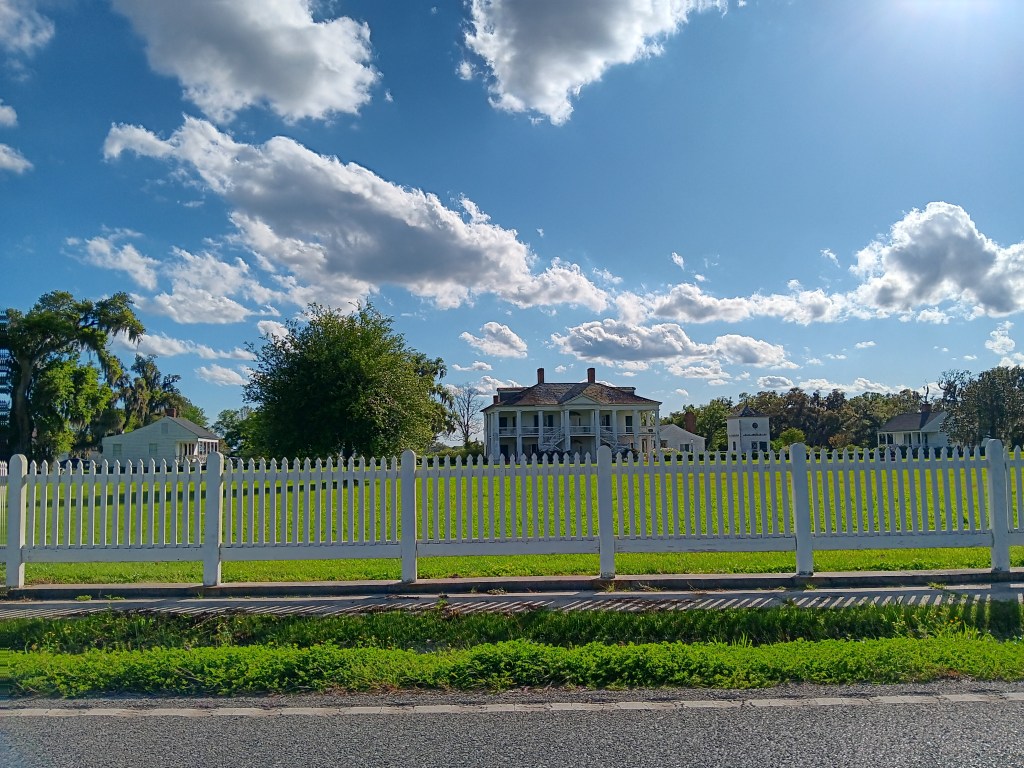
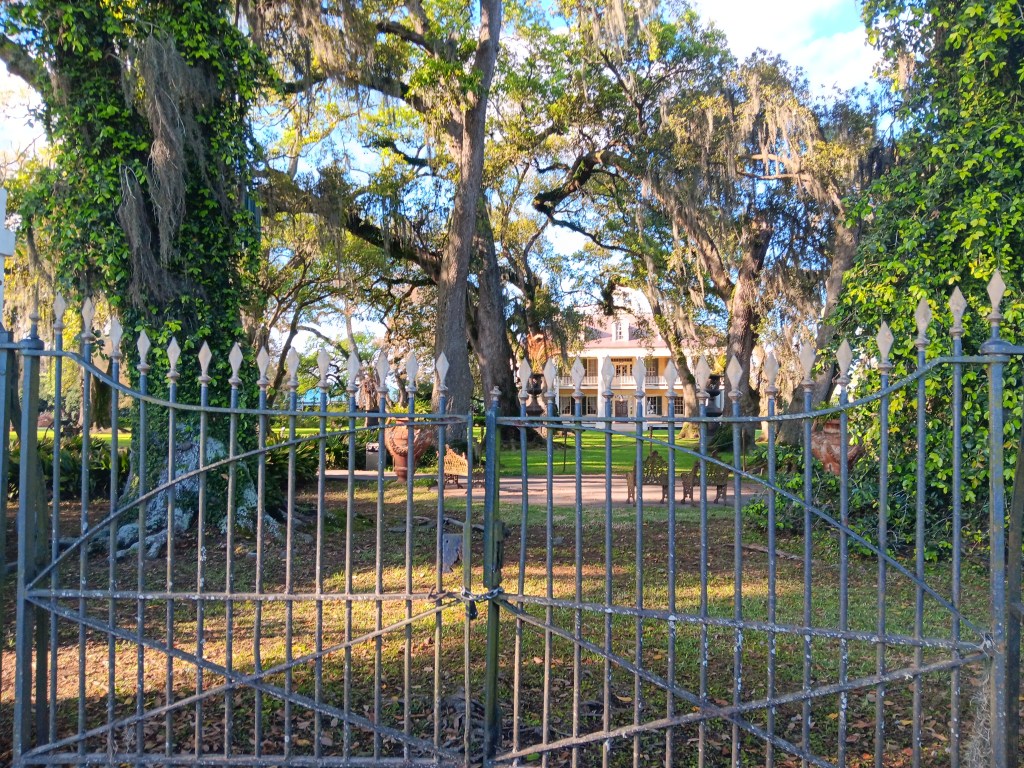
We didn’t discover the names of the following plantation homes along the scenic Great River Road, but they gave us a fairly clear idea of what neighboring homes of wealthy land-owners would have looked like, pre-Civil War.


Over the course of this trip we’ve been so appreciative of the places that look the uglier aspects of their past straight in the eye, call it what it is, and strive to educate toward an understanding of those events, unfiltered by bias.

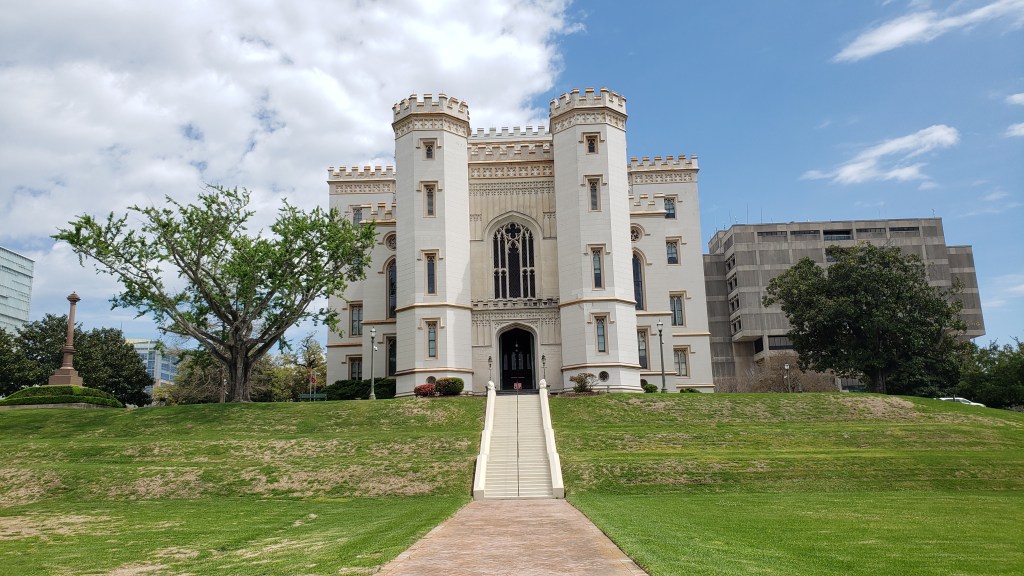
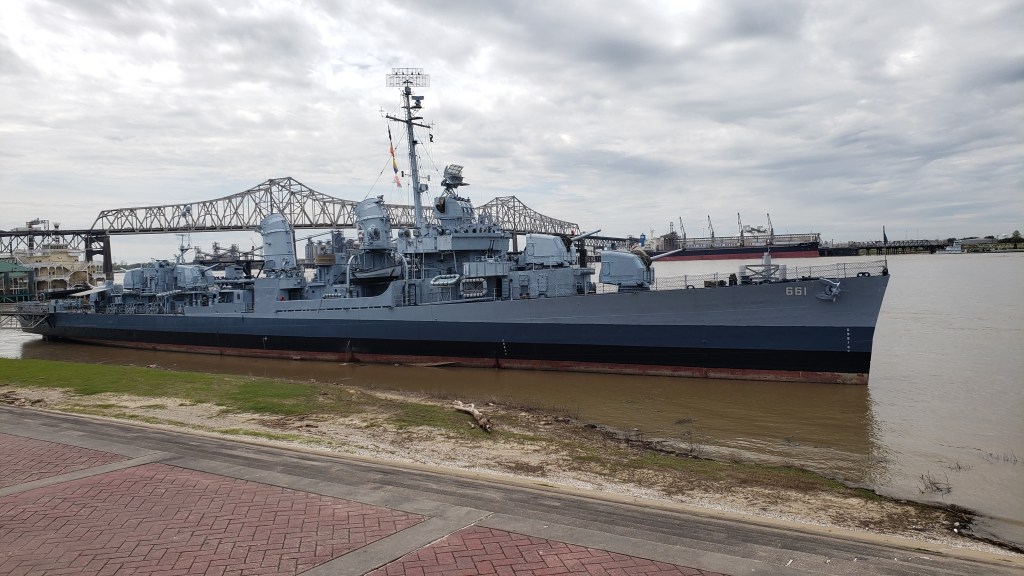
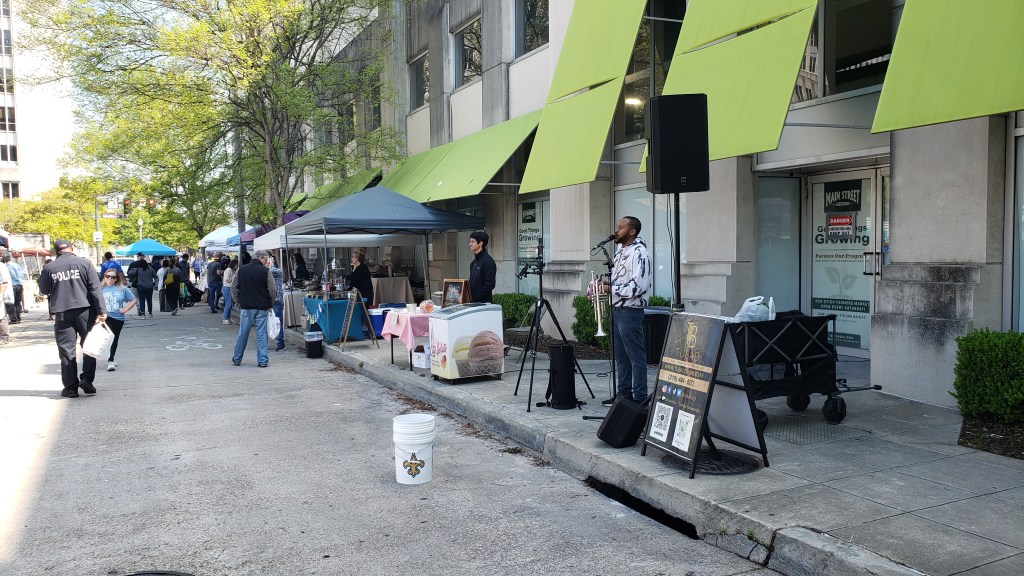
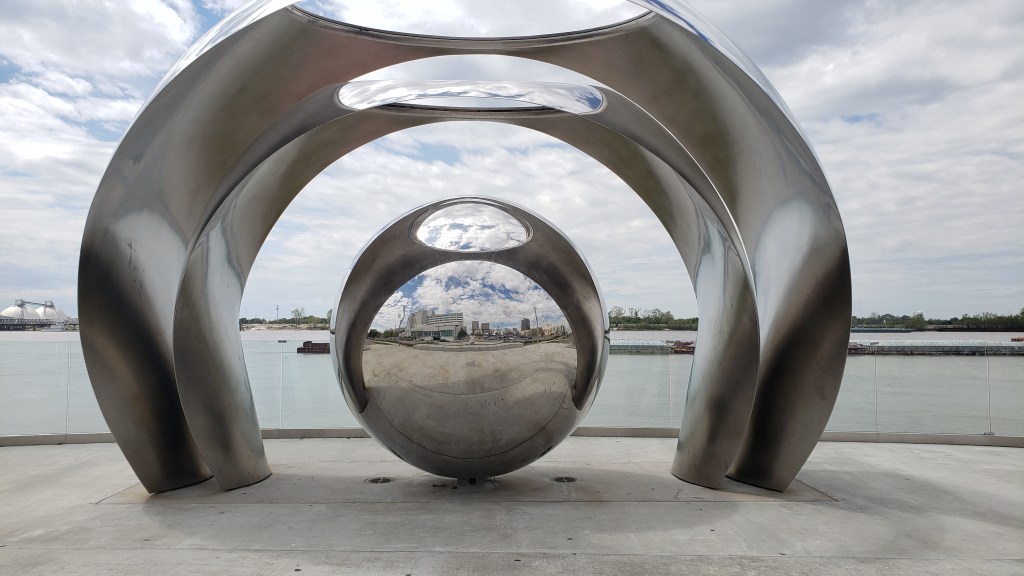
Louisiana is, of course, far more than its past. Our tour of the downtown area turned up lots of interesting sights, including Louisiana’s Old State Capital, the WWII destroyer USS Kidd, Red Stick Market farmer’s market, and the fascinating Sing the River Sculpture, which reminded us of The Bean in Chicago.


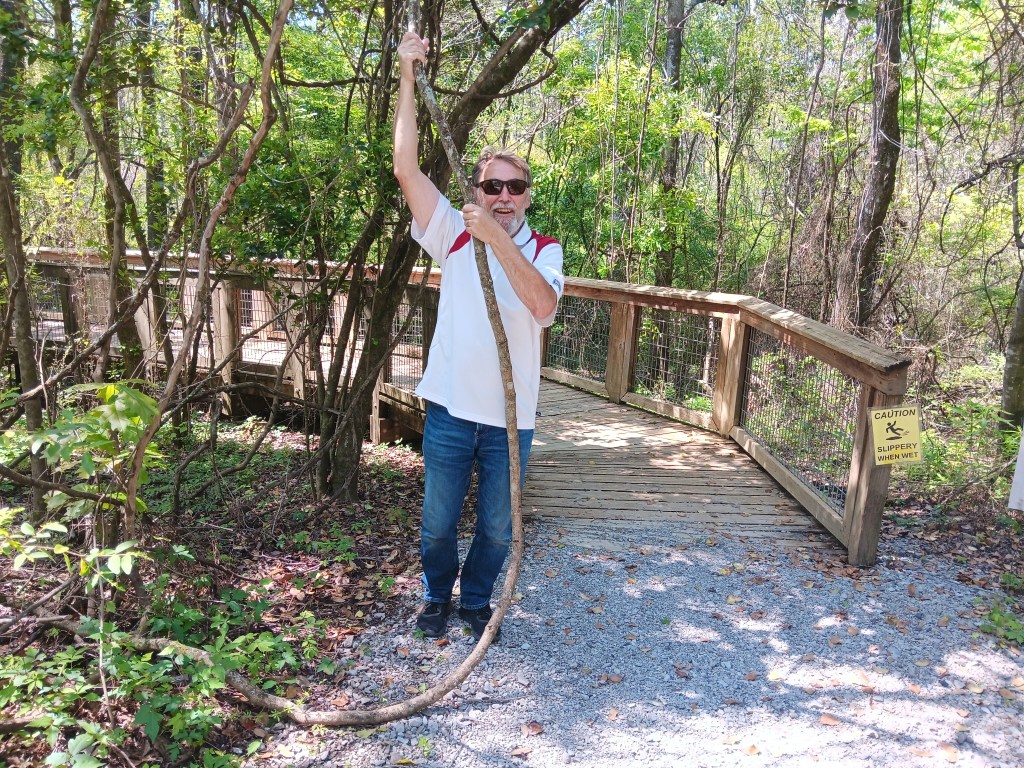
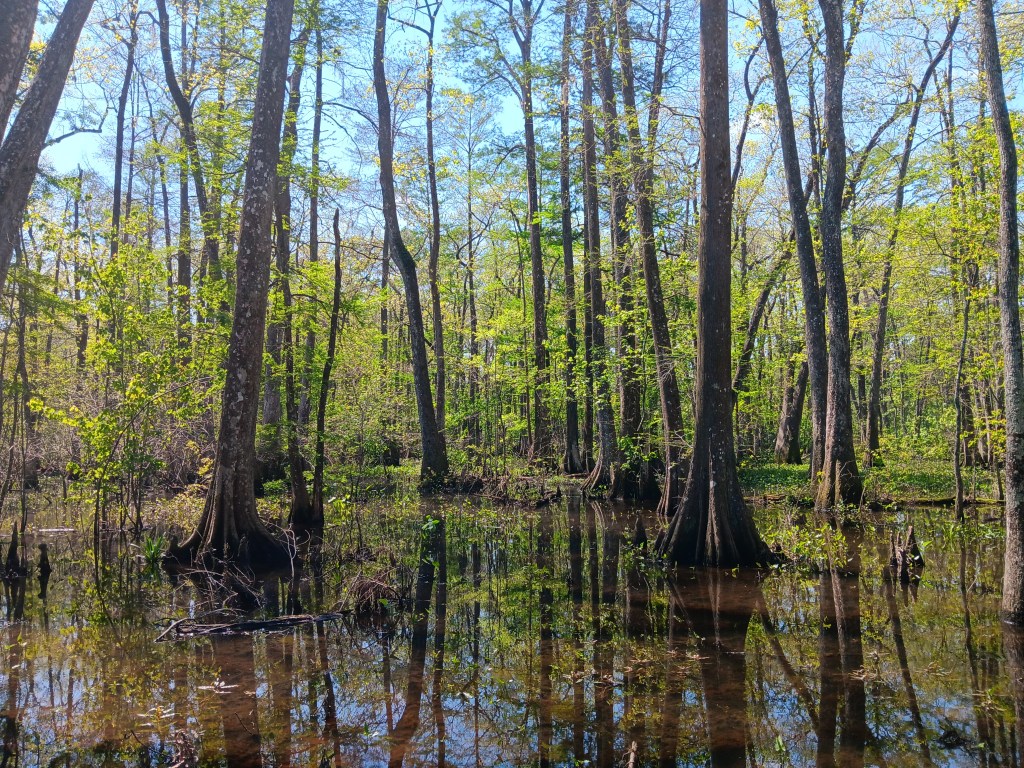
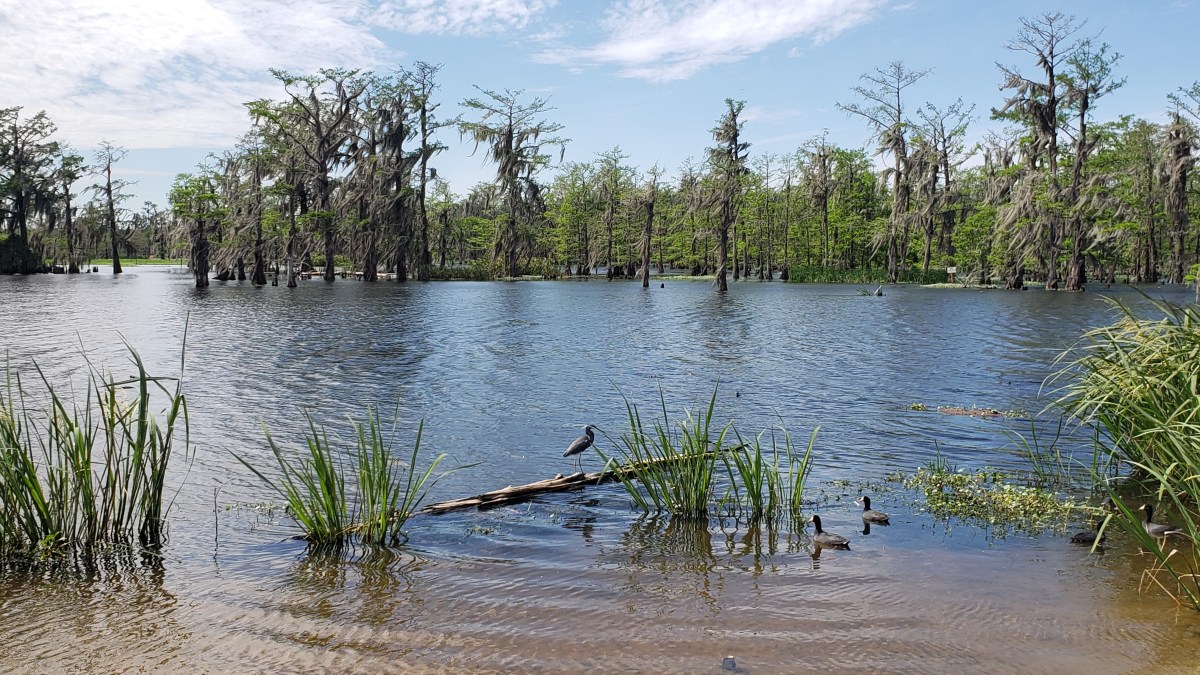
Bluebonnet Swamp Nature Center made for another easy drive and gave us the chance for some fresh air in natural surroundings.


You can take the kid out of the jungle, but…

How moody!

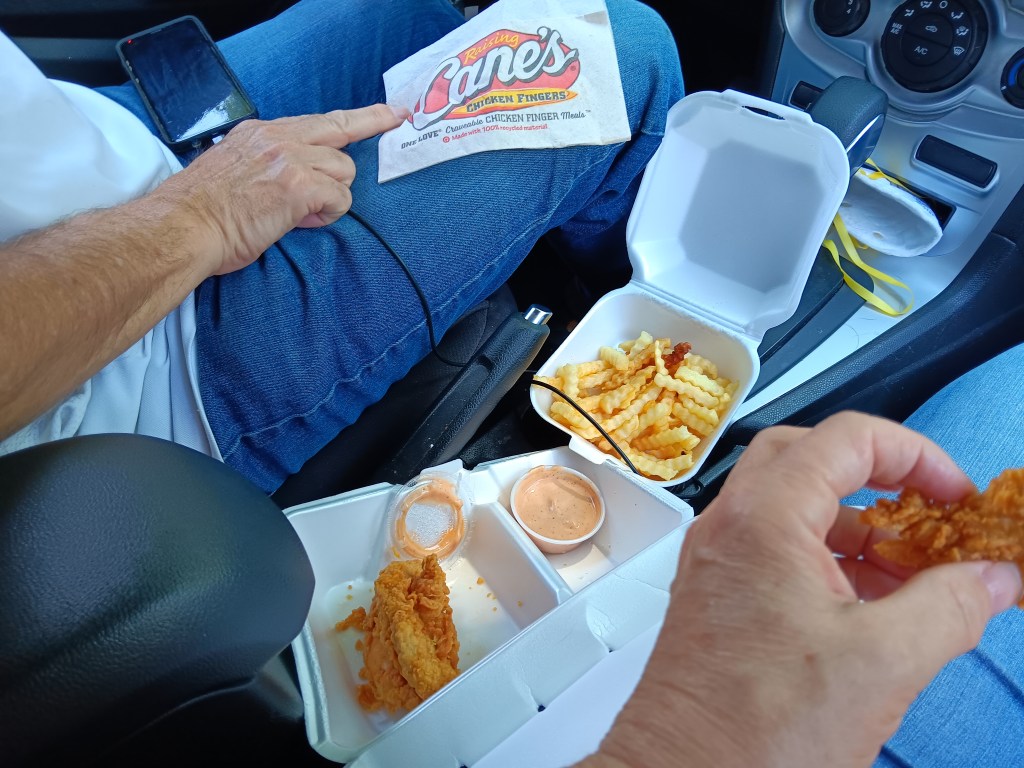
Susan still wasn’t up for much cooking, so we decided to grab lunch at Raising Cane’s Chicken Fingers, which started in Baton Rouge in 1996. We’re not big fast-food people, but we had to agree, these were some pretty terrific chicken fingers, and one order was enough to split (3 for Simon, 1 for Susan).


As our time in Baton Rouge wrapped up, we decided the only area we hadn’t really seen yet was to the north of the city, and a day-trip found us in Natchez, Mississippi, just across the Mississippi River. So often during our travels we’re led to something special, and this road trip was no exception.

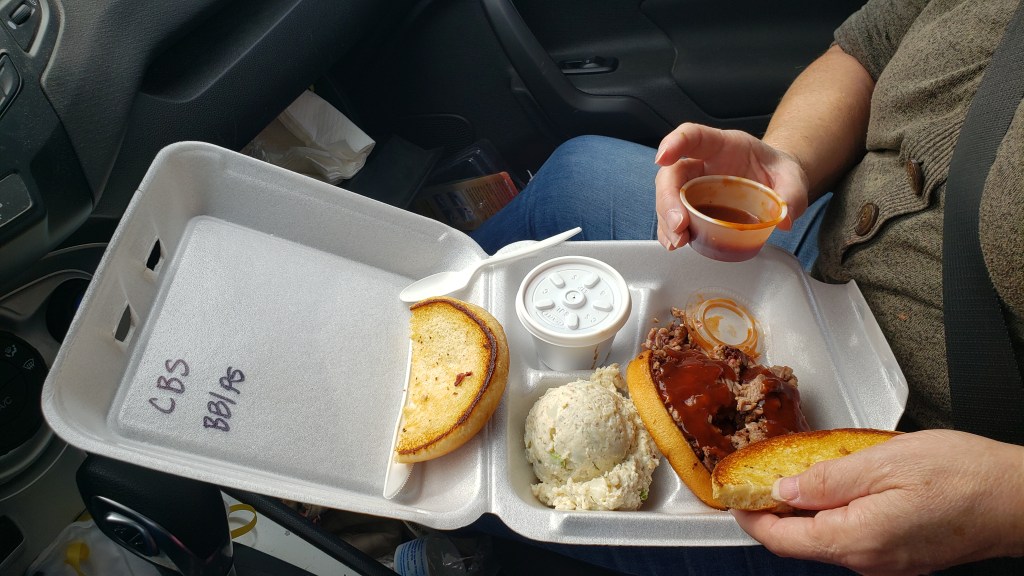
We grabbed lunch at Pig Out Inn BBQ solely based on its funny name, splitting a scrummy chopped brisket sandwich with sides of potato salad and baked beans. It was all delicious, but those beans…Susan could easily have made a meal just of those (which would be a bad idea later that night in a 36-foot space, so she didn’t).


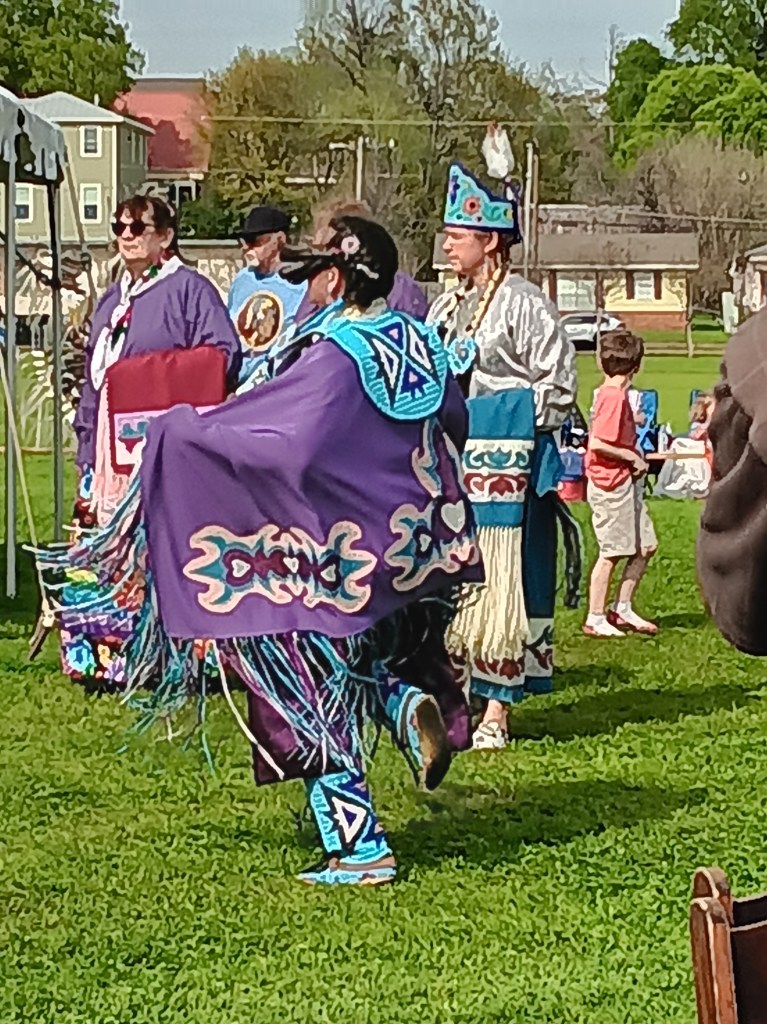
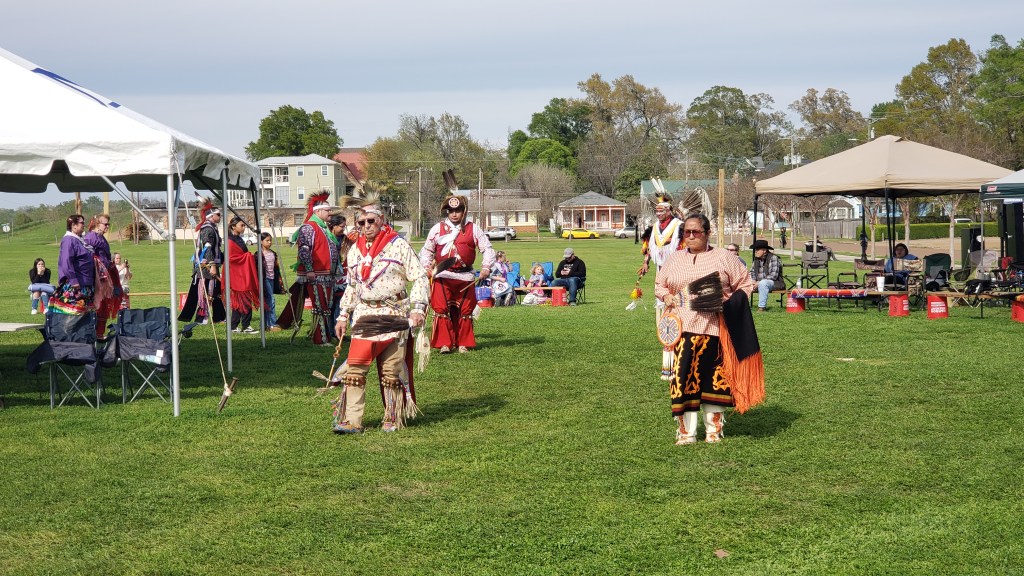
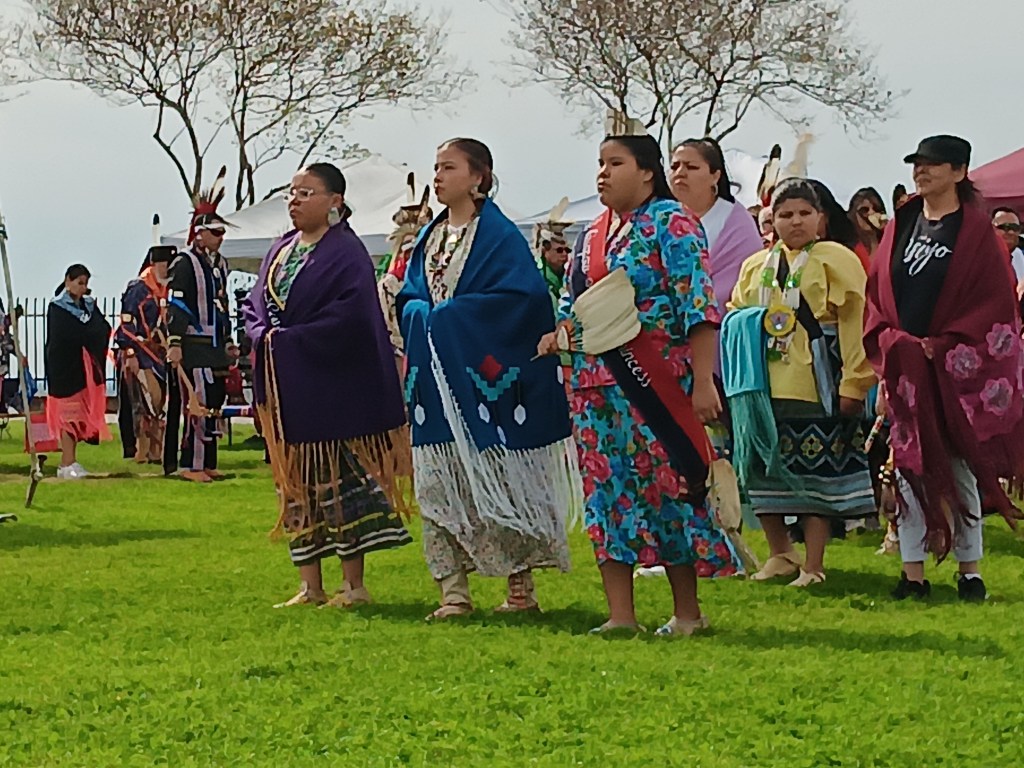
The unexpected highlight of the day, however, was the Natchez Powwow, which we stumbled upon as we walked along the riverside, celebrating culture through dance, music, food, and camaraderie. Everyone was welcome to join some of the dances, but we stayed off to the side, since we had Ruthie with us. We did check in advance to make sure photos were acceptable, and were told we were welcome to take photos and video.


Dances circled a tent in the center of the ring, where drummers and singers were located, and people moved along the dance route in whatever way moved them. Some shuffled, some danced alone, some danced shoulder-to-shoulder, and it was so beautiful we forgave ourselves for getting a bit misty-eyed.


Beautiful, powerful women!

I love the generations in this photo.

Baton Rouge and its surrounding areas surprised and delighted us, and it’s certainly an area to which we’ll return. We are reminded again and again how blessed we are to experience the events and meet the people that make this country so diverse and compelling.

Striking A Balance With The Big “Red Stick”


In 1699, a French-Canadian expedition led by Pierre Le Moyne d’Iberville made its way along the Mississippi River, and came upon bloody cypress sticks driven into the ground, with fish and the heads of sacrificial bears attached at their pointy tops. These markers signified the Houma Indian and Bayou Goula tribes’ hunting borders, and spawned the name Baton Rouge, or “red stick,” which was the next destination in our Year on the Road journey.

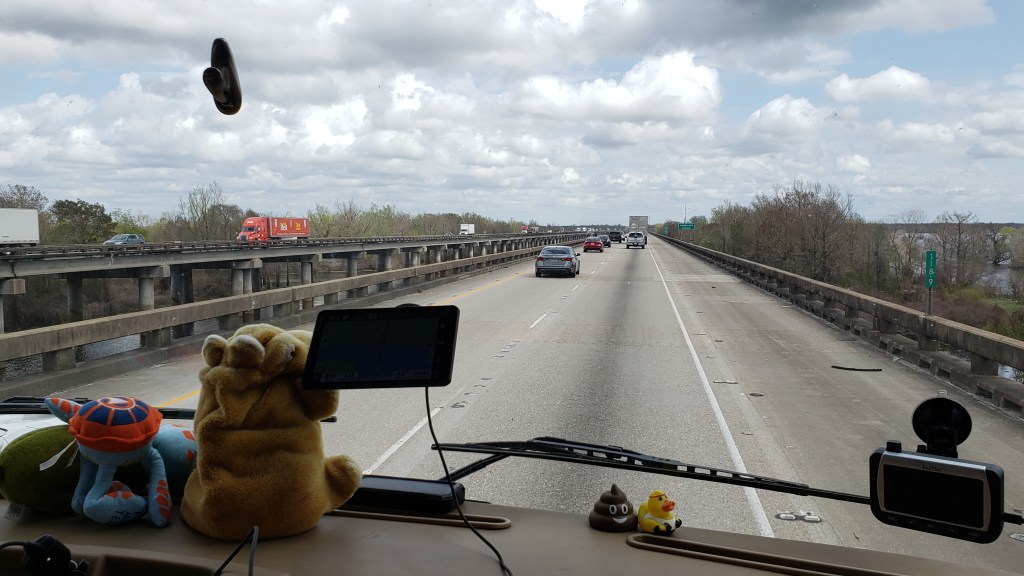
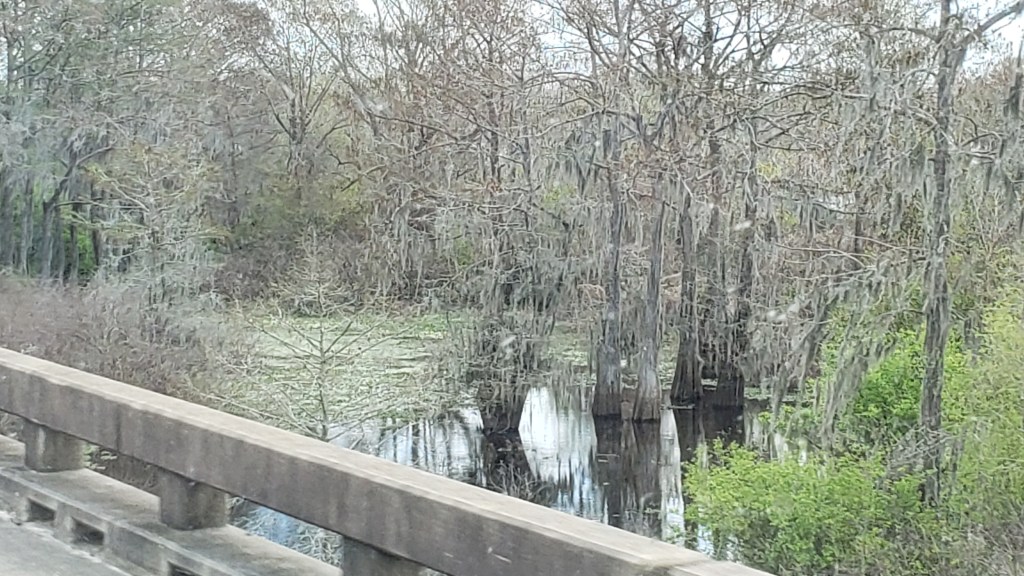
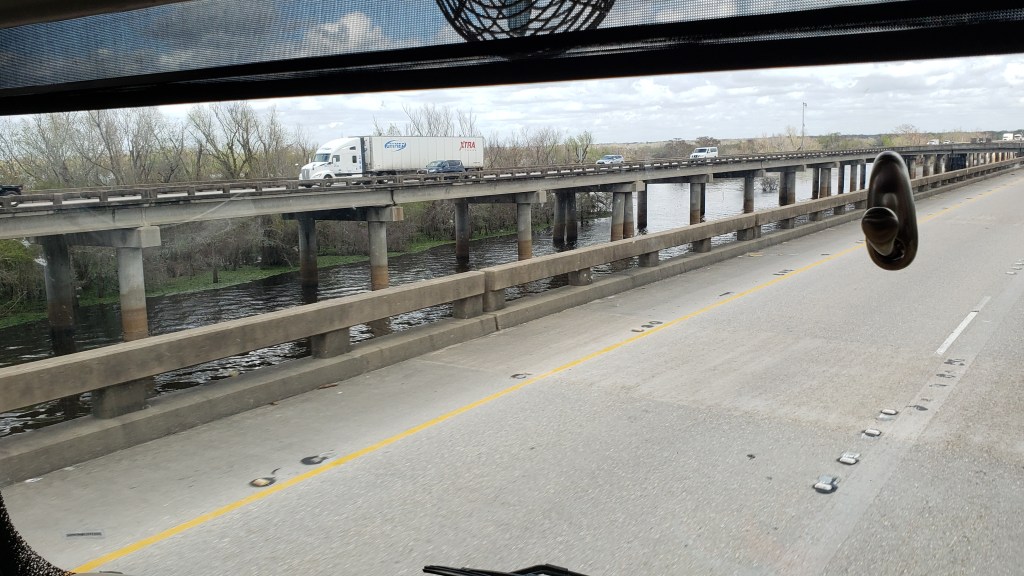
The drive between Lafayette and Baton Rouge turned out to be an adventure in itself, and we were delighted by the scenery on both sides of the 18-mile-long Atchafalaya Basin Bridge. This was real Louisiana stuff; bayou all the way, with people fishing from boats right there along the split highway. Fantastic!

A long, long bridge with a great view!

How pleasant is this?

You know there’s gators in there!

We missed getting the photo, but there are people fishing in small boats in that waterway.

Our first week combined lots of rest for Susan, who was still testing Covid positive, with as much touring (and her fully masked up) as we could possibly do. Tiger’s Trail RV Park proved to be blissfully quiet, with lots of open space that made staying “home” scenic and comfortable.

Isn’t this peaceful? Lots of space around us. That’s the casino in the background.

We had earmarked several Scenic Byways, and because Tunica Trace Scenic Byway was the shortest, we made it our first drive. But this is us, so if you’ve been reading the blog from the start, you already know it won’t be as simple as getting in the car, ambling along joyfully, and ending with happy memories of a relaxing excursion.

Beautiful! Serene! Peaceful! Oh-oh.

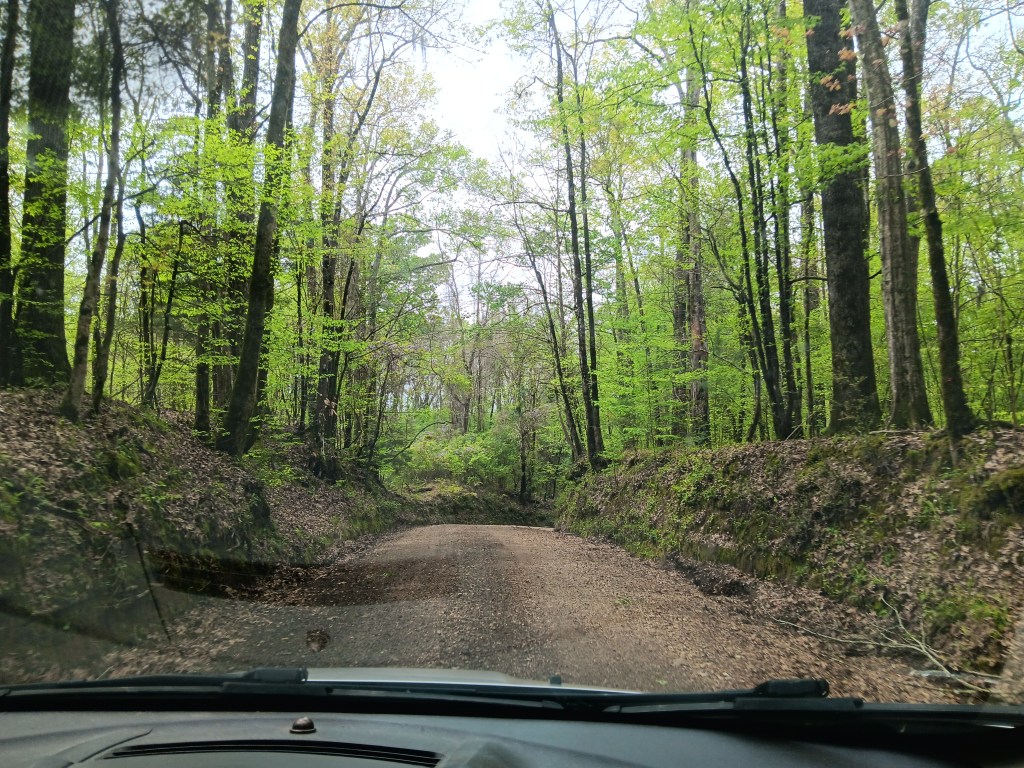
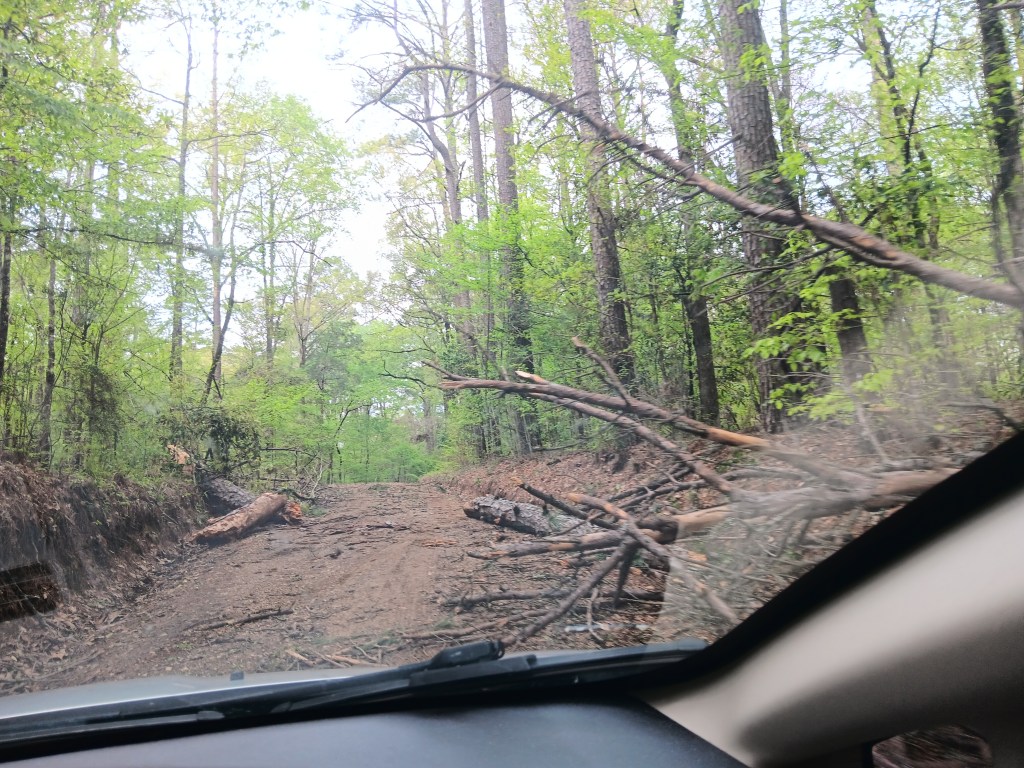
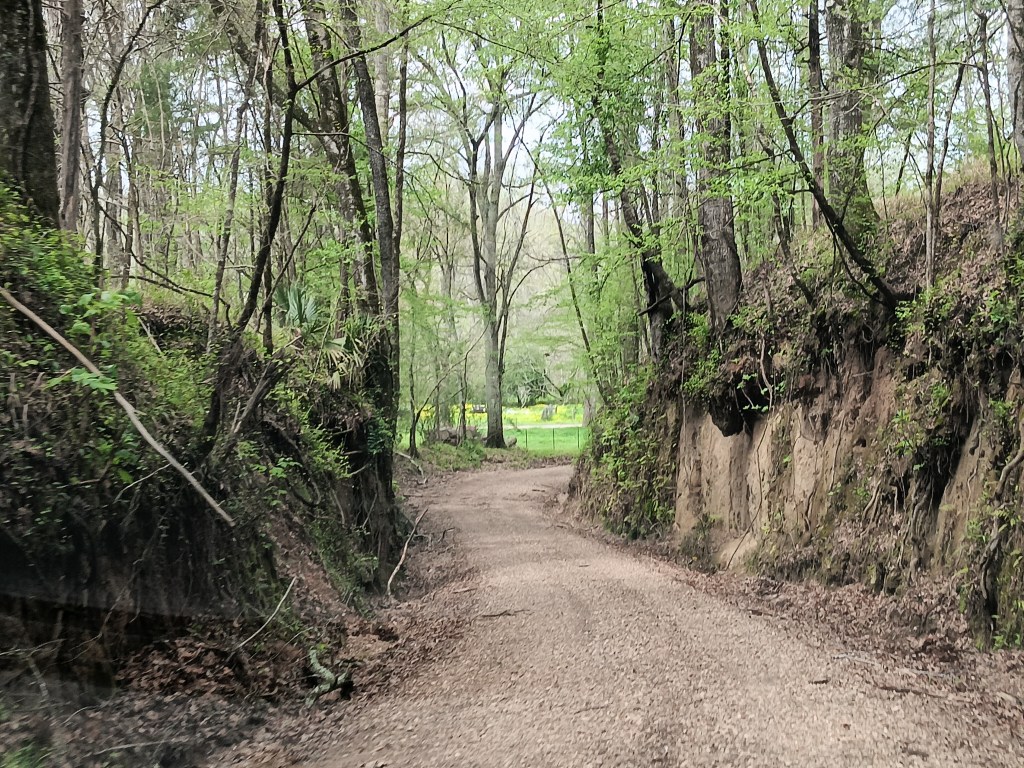
We try to find a balance between research and allowing for discovery when we choose the places we’ll tour, so we knew we’d be on a designated Byway (Highway 66) through the Tunica Hills Wildlife Management Area, featuring rolling, forested hills. What we didn’t know was that Highway 66 isn’t paved, it’s only wide enough for one-and-a-half cars, and no one will come to your aid if you break down or blow a tire because there’s no cell phone service in the forest. Plus, there’s bees. Hundreds and hundreds of giant bees, who follow your car for the entire 20-mile trip.

It’s like something straight out of a Bob Ross painting.

And then the “uh-oh” began.

All we could think of was blowing a tire and having to change it with a thousand of these angry bees swarming around in a murder rage.

Poor little Nippy lurched and pounded and battled her way through, and we were incredibly relieved when we finally reached the end of the Byway and hit solid pavement.

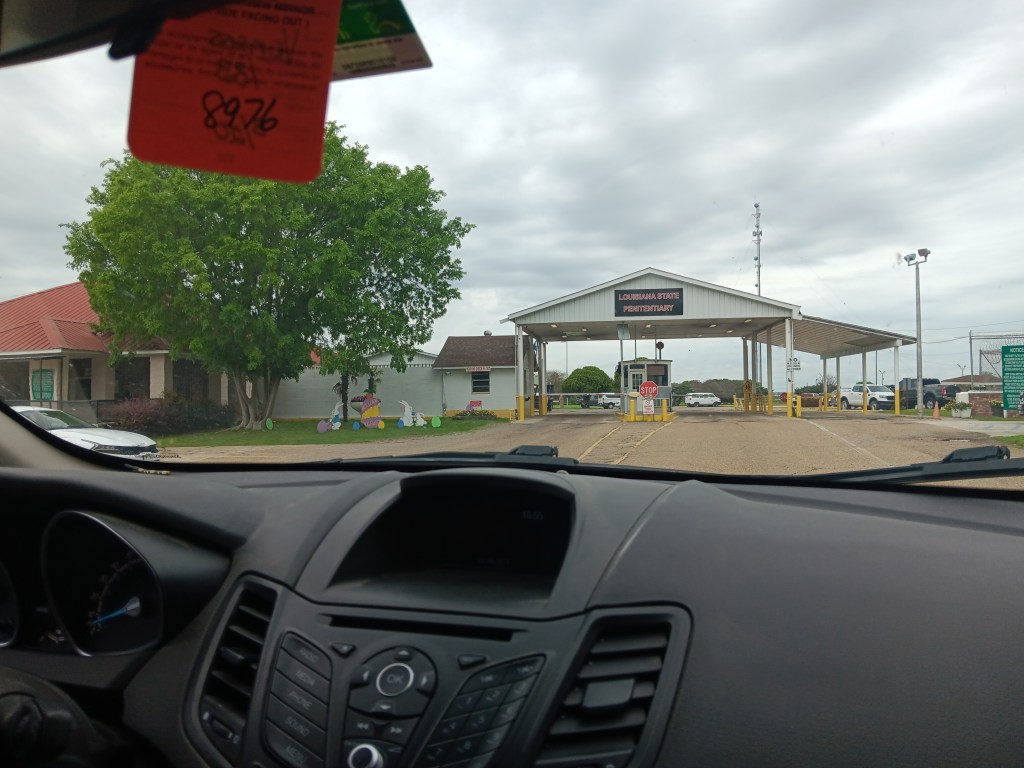
And then there was this.

We were slightly less relieved when we came to the end of the pavement and were face-to-face with the notorious Louisiana State Penitentiary, also known as Angola Prison, home to what the locals call “the real bad boys.”

Back away quietly, Simon.

But we’re glad to have the story, since we lived. If not for having to watch the road every moment for massive potholes and downed trees, it would truly be one of the most wild and beautiful drives we’ve done so close to a major city.


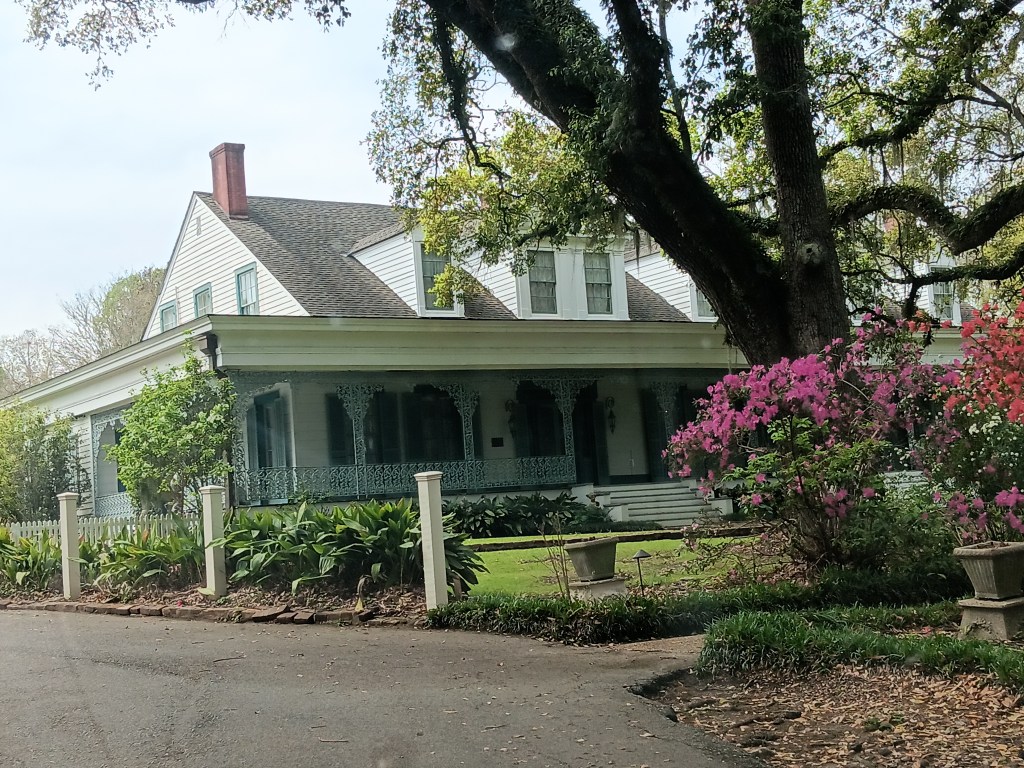
We drove on to St. Francisville for a glimpse of The Myrtles antebellum plantation, whose current owners call it one of America’s most haunted houses. Up to ten people are said to have been murdered at this former slave-owning plantation, but documentation indicates it was really only one.

That one person isn’t the ghost most people agree haunts the place, though.  Instead, Chloe, a former slave hung by her neck until dead for the poisoning of a former owner’s three children, still walks the grounds. Problem is, it seems none of the plantation’s records include a slave named Chloe, two of the children actually died from Yellow Fever, and the third lived a long-ish life. Even so, hauntings are fun when no one gets hurt.

A caretaker named William Winter took a bullet on one of the house’s side porches, but doesn’t seem to spend any time in the house now that he’s enjoying the afterlife.

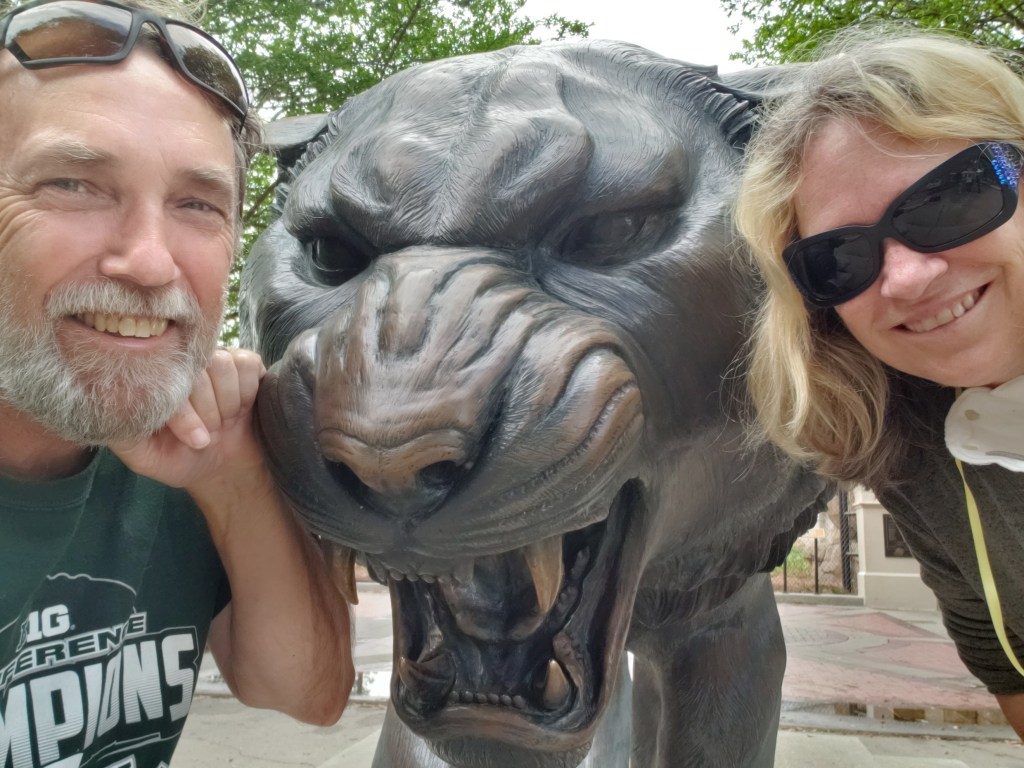
Susan was still testing Covid positive, so we were finding a balance between touring and napping, and a quieter day was on the cards. Louisiana State University wasn’t far away, so we popped over to see the Indian Mounds and pose with a statue of the university’s mascot, Mike the Tiger.


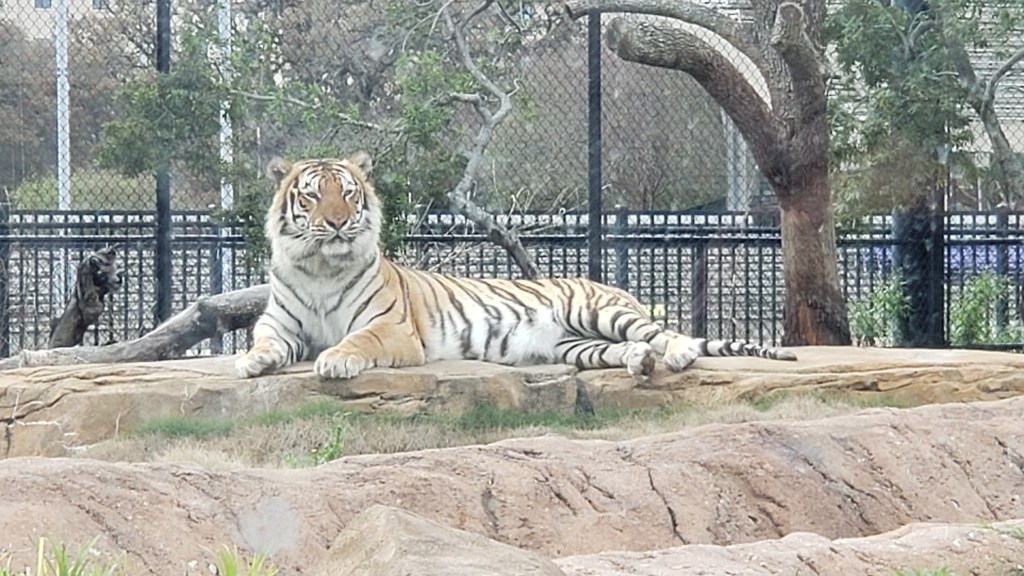
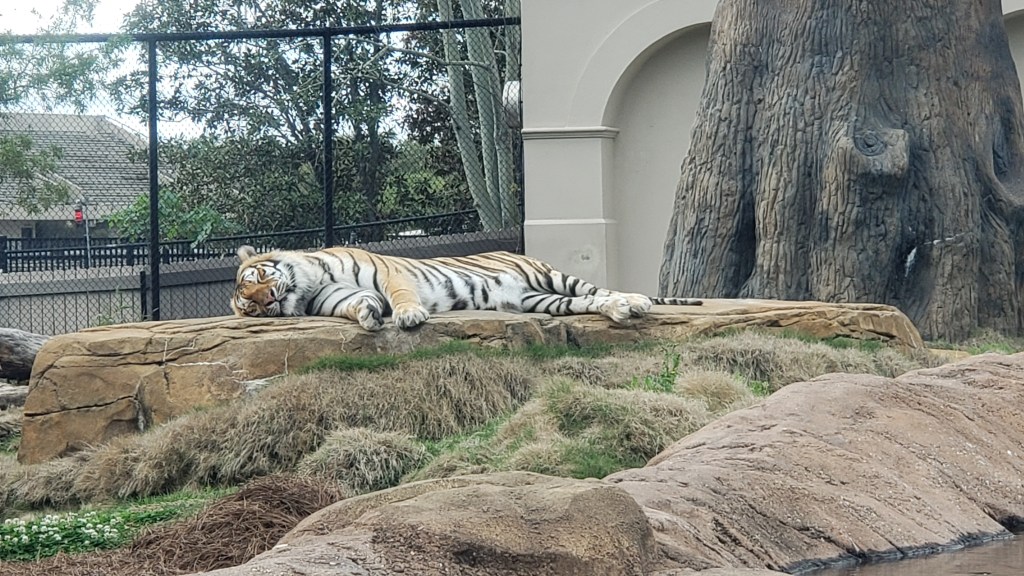
What we didn’t realize was that Mike (at least, the seventh incarnation of the original Mike, who died in 1956) has his own habitat right there on campus grounds. We had thoughts about that particular brand of captivity, but it was still incredible to see such a glorious cat as he sunbathed, yawned, stretched, and found a nice rock to flop down on, to the delight of all onlookers.

Mike doing what Mike does.

And now…a nap!

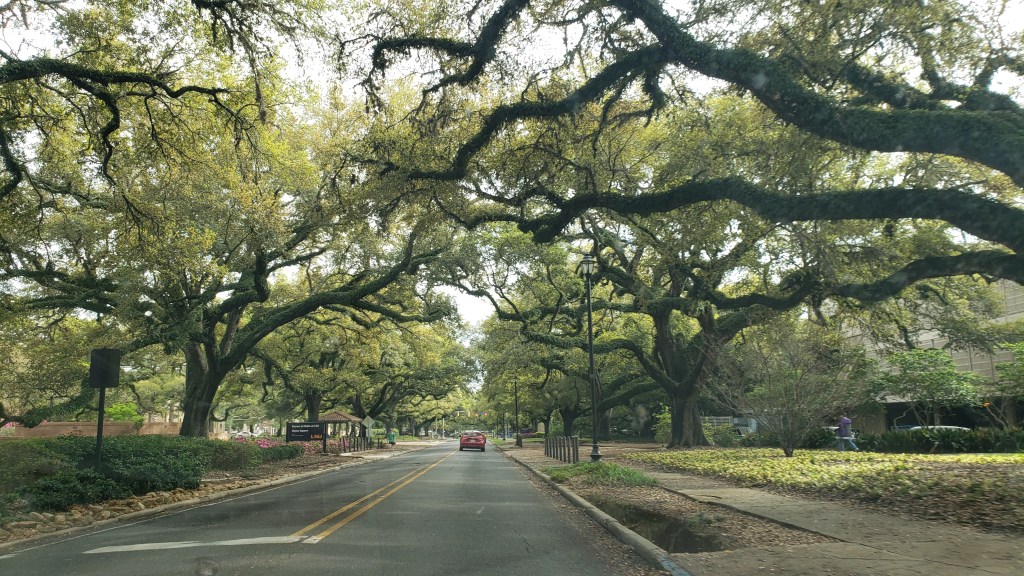
We had a good, long drive around the campus’s lake area, where huge homes enjoyed one of LSU’s prettiest views. And that’s saying something. Of course, Michigan State University is the most beautiful campus in the country, but LSU is certainly right up there. Simply gorgeous, and those Live Oak trees…!

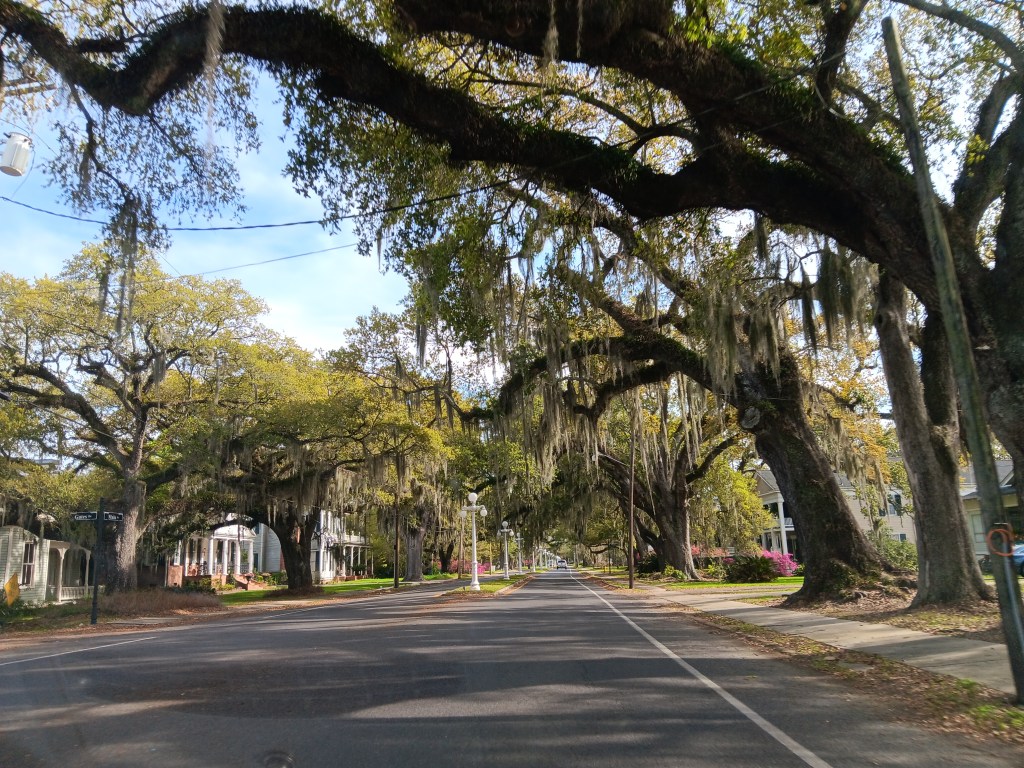
One of our lasting memories of Louisiana, and especially Baton Rouge, will be these gorgeous Live Oak trees. They’re everywhere, and they’re just stunning.

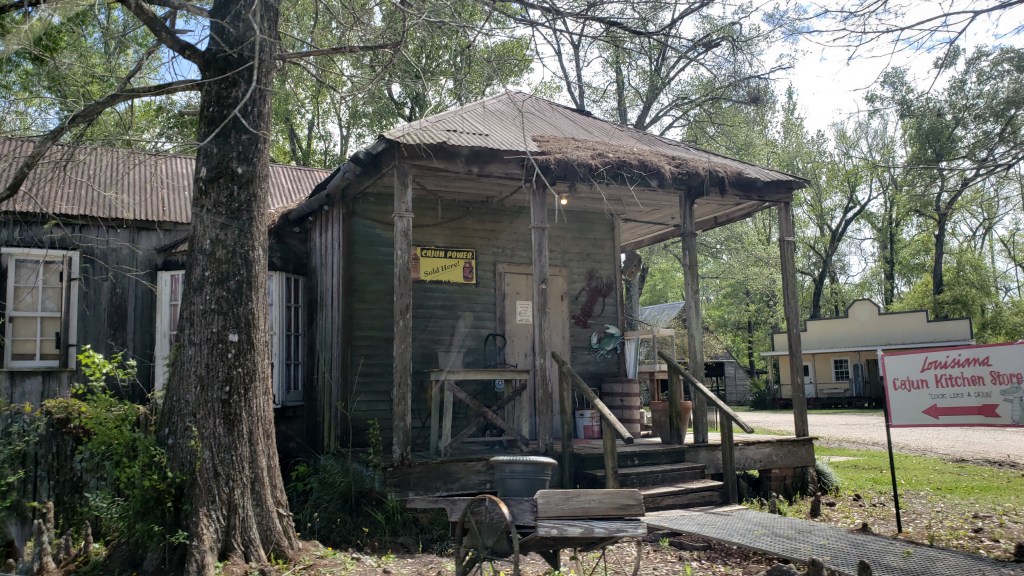
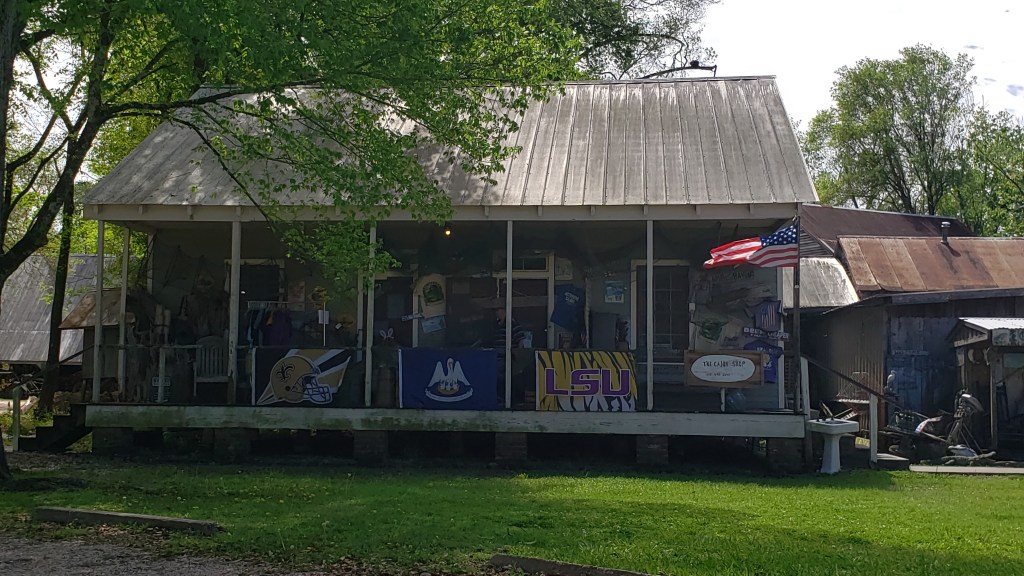
There were several Scenic Byways we hoped to explore, and Southern Swamp Byway was next on our list. Our first stop along the byway was Cajun Village, a small collection of restored Acadian dwellings made into boutique shops with a distinctly “bayou” flair.


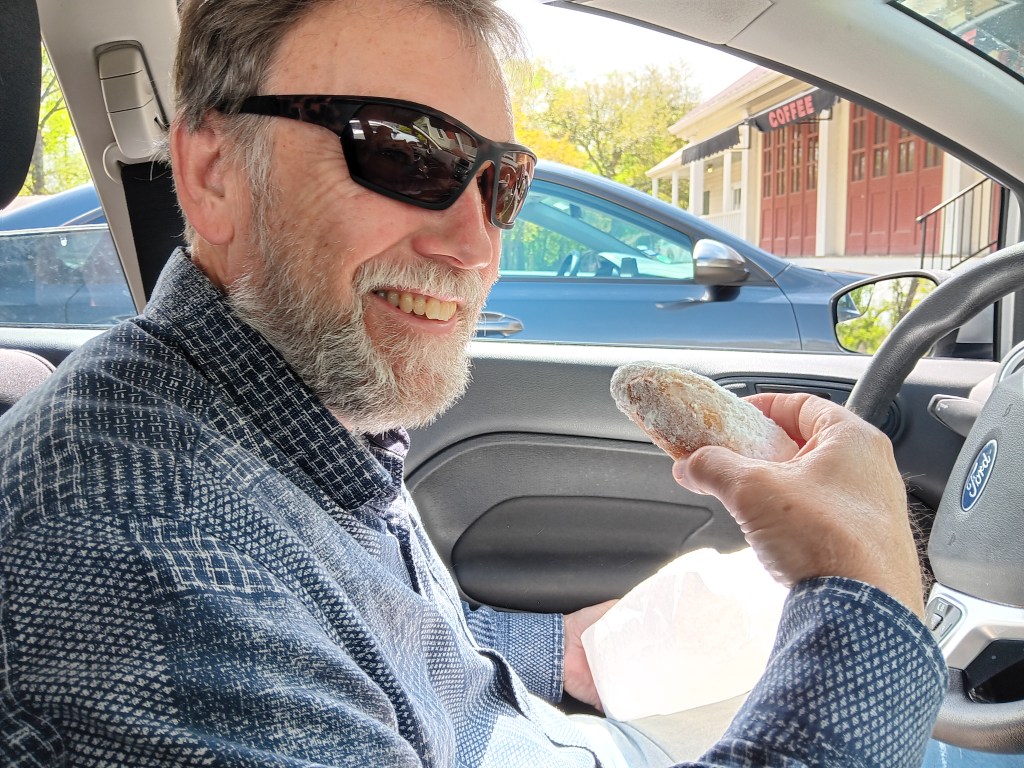
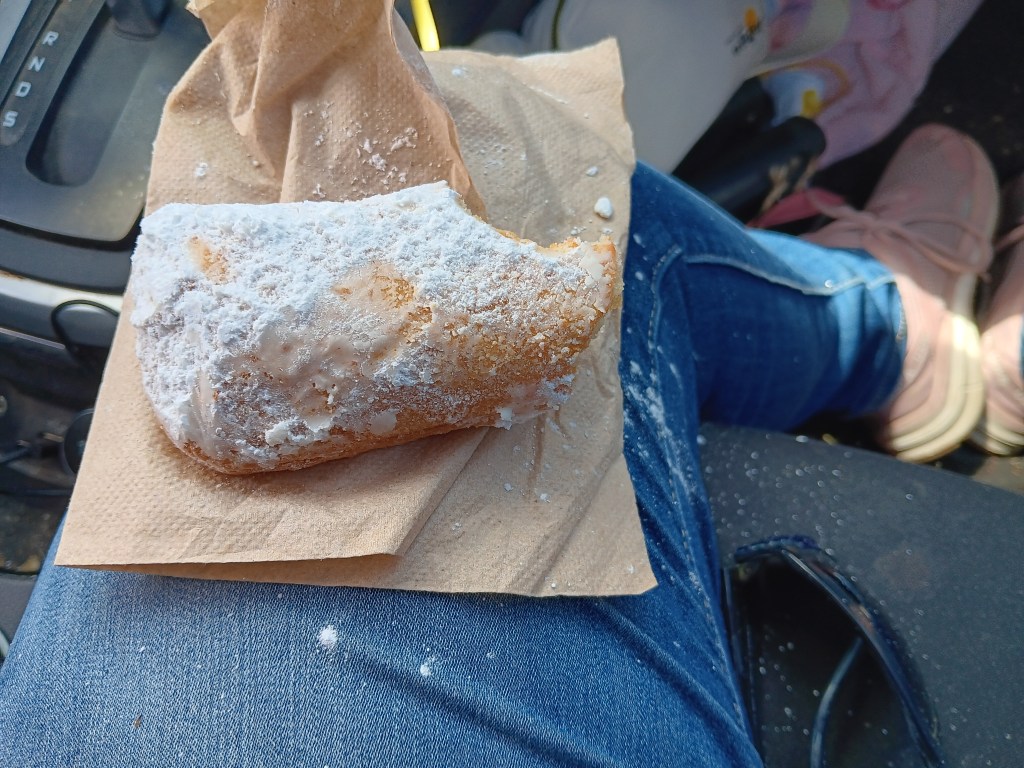
Simon went into the Coffee House and came out with two hot drinks and a bag steaming with three fresh-made beignets, those crispy-soft, fried delights absolutely drowning in powdered sugar. And since he bought them, there was nothing to do but eat them. So we did.

The deliciousness!

The destruction!

Bayou Francois wasn’t far away, so we brushed the powdered sugar off our jeans (and our phones, and our seats, and the floor) and made the trek out into the wilderness. The bayou’s big appeal is fishing and kayaking, but those were off the cards for us. Even so, the drive to the bayou was punctuated by gator sightings, hundreds of birds, and an up-close view of an Exxon Mobile Pipeline plant surrounded by hundreds of acres of swampland.

A rocky road runs through swampland on both sides.

Most of this isn’t solid ground. So many creatures live in there.

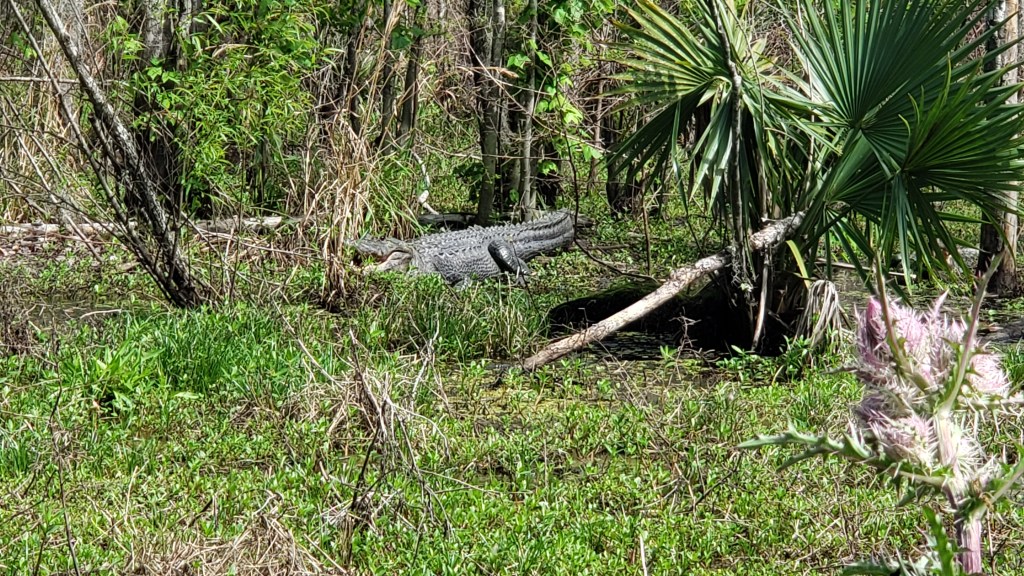
Giant gator alert! There were several biggies here, as well as a few smaller ones.

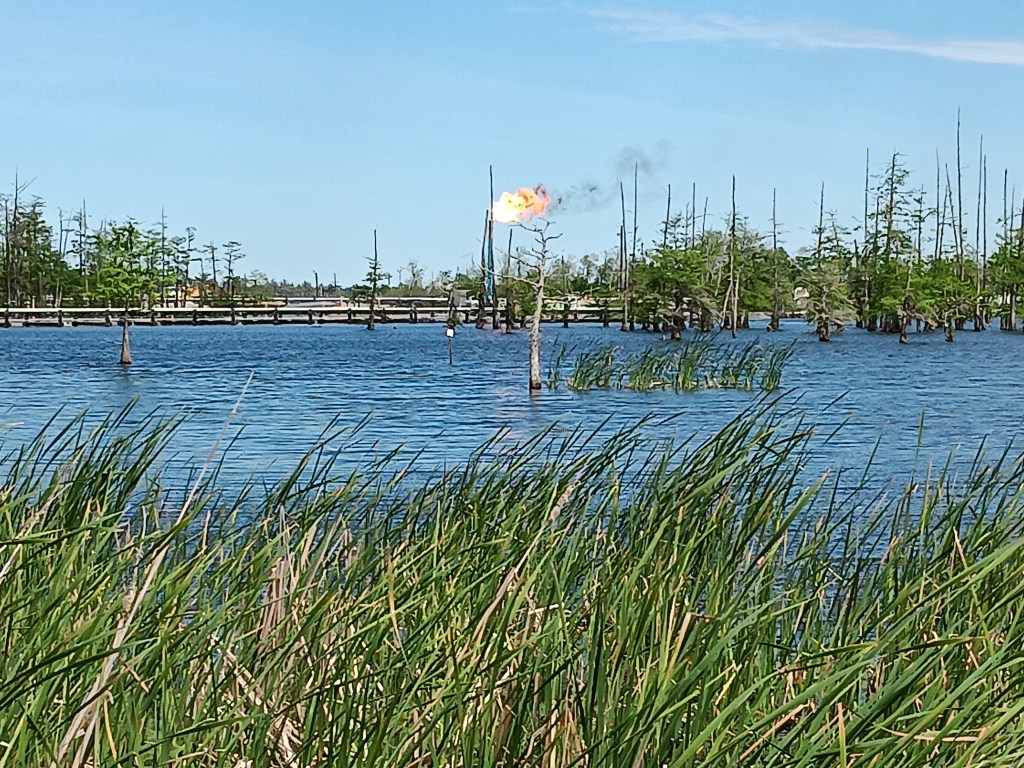
A stark contrast between natural wetlands and burn-off from Exxon Mobile’s plant.

After a few days of touring, we needed a quiet day (and by “we” I mean “Susan”), so one of us slept much of the next day away and the other (Simon) went to see Dune 2 at a nearby movie theater (fully masked, of course, and with only three other people in the theater), then checked out the casino that supports Tiger’s Trail campground.

The casino and hotel are quite elegant, and are situated right off the Mississippi River.

At that point we had a decision to make. We had planned to move on to New Orleans after a week, but there was so much to do in Baton Rouge, and we felt we hadn’t done the area justice yet. True to the very best of Southern hospitality, the staff at Tiger’s Trail were absolutely brilliant in extending our stay, and their kindness was, without a doubt, the key to a better recovery for Susan and more time in a wonderful city for both of us.

The Bayous Beckon


Hello, Louisiana! Home to vast acres of rice fields and crawfish farms, and weird, sticky-uppy stalks that we discovered were sugar cane, one of the state’s primary crops. Hello, Covid, too, which put a major damper on our touring, with its ferocious exhaustion and coughing that had Susan bedridden for four days straight.

These fields are everywhere. Some are rice fields, some are crawfish ponds, and some are both.

The virus’s nasty symptoms hit the night before we moved from Beaumont, Texas to the peaceful oasis of Parkside RV Resort in Broussard, Louisiana, but at that point we thought it was a bad cold, or maybe allergies. We’d been so careful; didn’t dine in restaurants, our touring was all outside and just the two of us (plus Ruthie), so Covid wasn’t at the top of our minds. It was only two days later, when Susan said, “I’d better test to rule it out,” that we knew the awful truth.

Dammit.

During our pre-test time of innocence we took a little drive around Broussard, exploring the downtown area by car. It’s a cute city center, very compact and approachable, and we liked the small-town feel in a place we thought would be much, much bigger. It also offered a hint at the transition Lafayette seems to be going through.

The historic area is going through a change, but certainly retains its small-town charm.

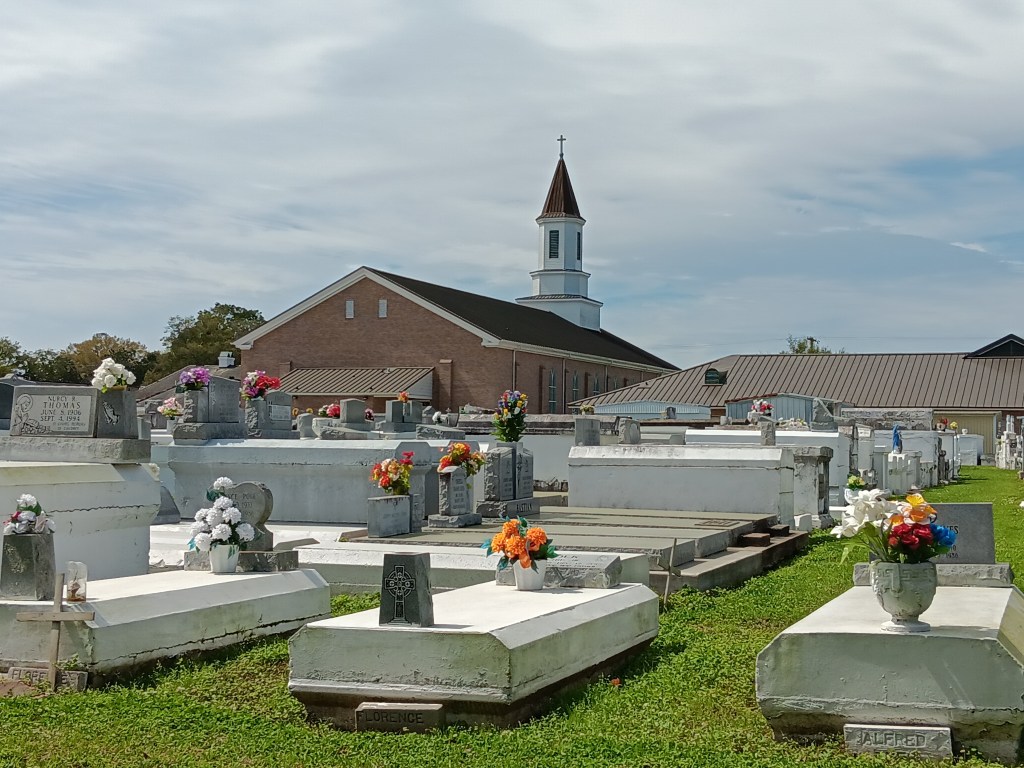
Two features really stood out for us as we drove around: the Giant Live Oak trees and the above-ground cemeteries. We’d seen this sort of cemetery during a visit to New Orleans years ago, but they still stand out as curiosities, especially as so many of them seem to be in the back end of nowhere, or smack in the middle of the city.

The Live Oaks are so dramatic, and incredibly beautiful.


Susan had a little rally five days into it, so, with her fully masked up in an N95, we hit the road for the Bayou Teche National Byway to Morgan City. We had been wondering exactly what “bayou” meant, since we thought it meant a big, swampy waterway with cypress trees in and around it, but very back-woodsy, dark, and mysterious due to all the trees. The kind of place Huckleberry Finn would have been born and grown up, where ‘possum and squirrel were always on the menu.

Instead, it’s a French version of the Choctaw word “bayuk,” meaning (roughly) a creek or small river, which was what we were seeing every time we saw a marker for a bayou, including Bayou Teche (literally, river snake, or “snaking river”), which was once the original course of the mighty Mississippi River a few thousand years ago.

Bayou Teche

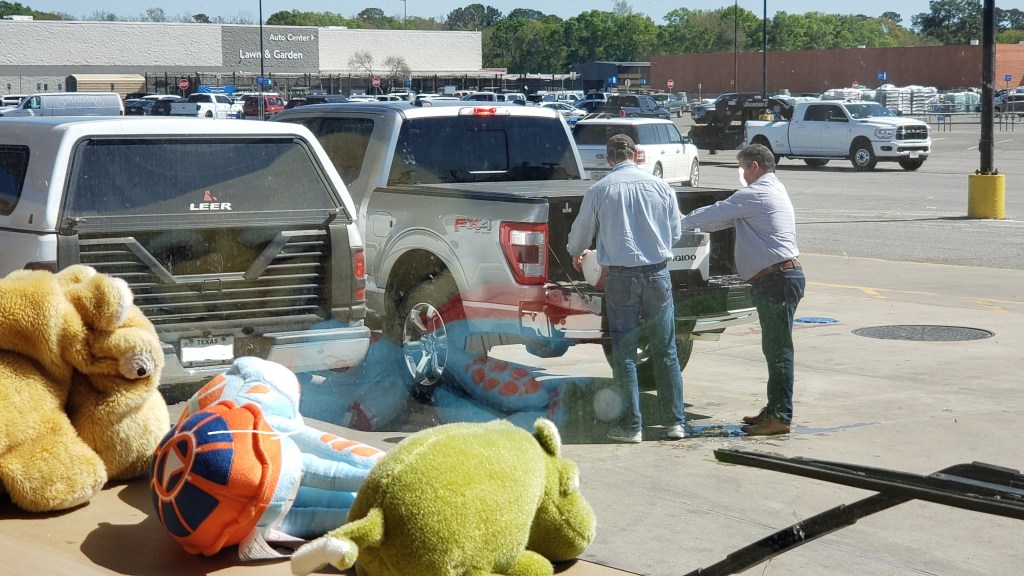
There may be those among you who have unexpectedly encountered the transfer of illegal goods from one car to another, as we have seen on occasion, but only in Louisiana would that transfer of goods involve crawfish and shrimp. And that’s exactly what we saw while waiting to gas up Fati at a Walmart. These two fellas negotiated the sale of crustation packages tucked in a cooler full of ice for quite some time, while holding up everyone in line behind them waiting to get gas.


The next day, Susan was free from the feeling of having been kicked in the face by a donkey, but still coughing and incredibly tired, so we opted for a drive along the Cajun Corridor Byway that runs between Delcambre and Kaplan, south of Lafayette.

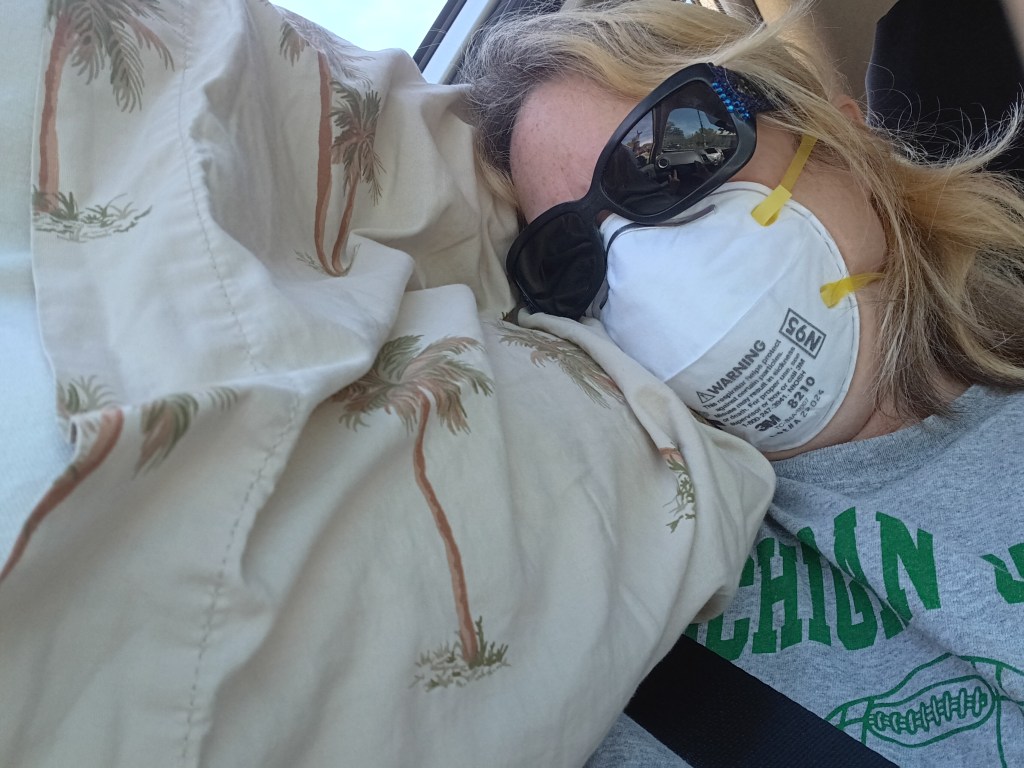
This is how Susan did most of our touring, when she wasn’t flat-out asleep in the rig.

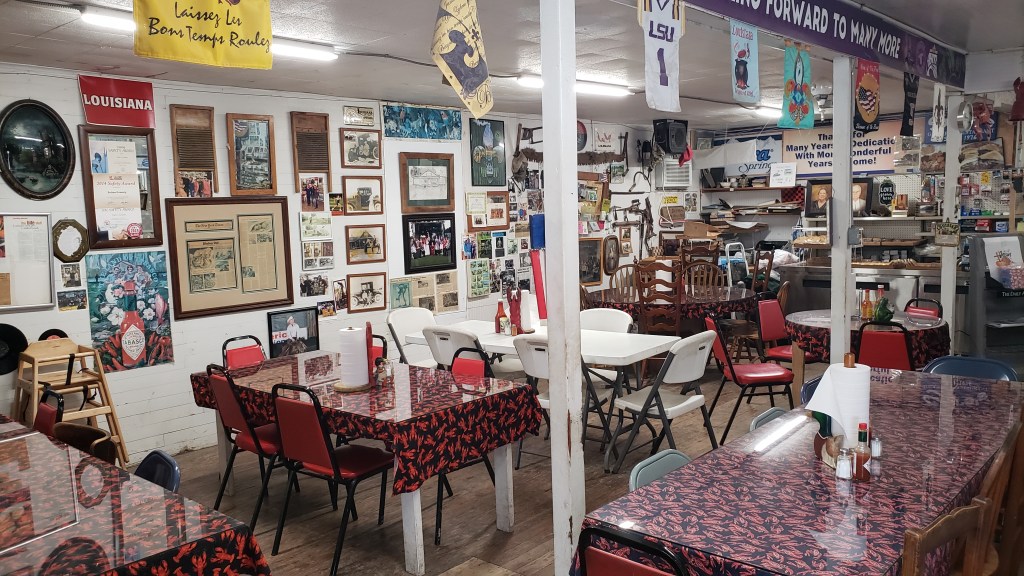
Simon’s appetite made up for Susan having none at all, so a visit to Suire’s Cajun Restaurant and Grocery Store for lunch was in order, being somewhat of a local institution. We knew before we even started the trip that Louisiana would be a non-starter for Susan, food-wise, due to a rather nasty shellfish allergy, so having no desire to eat was a blessing in disguise.

Some of the best food we’ve had has come from some of the humblest places.

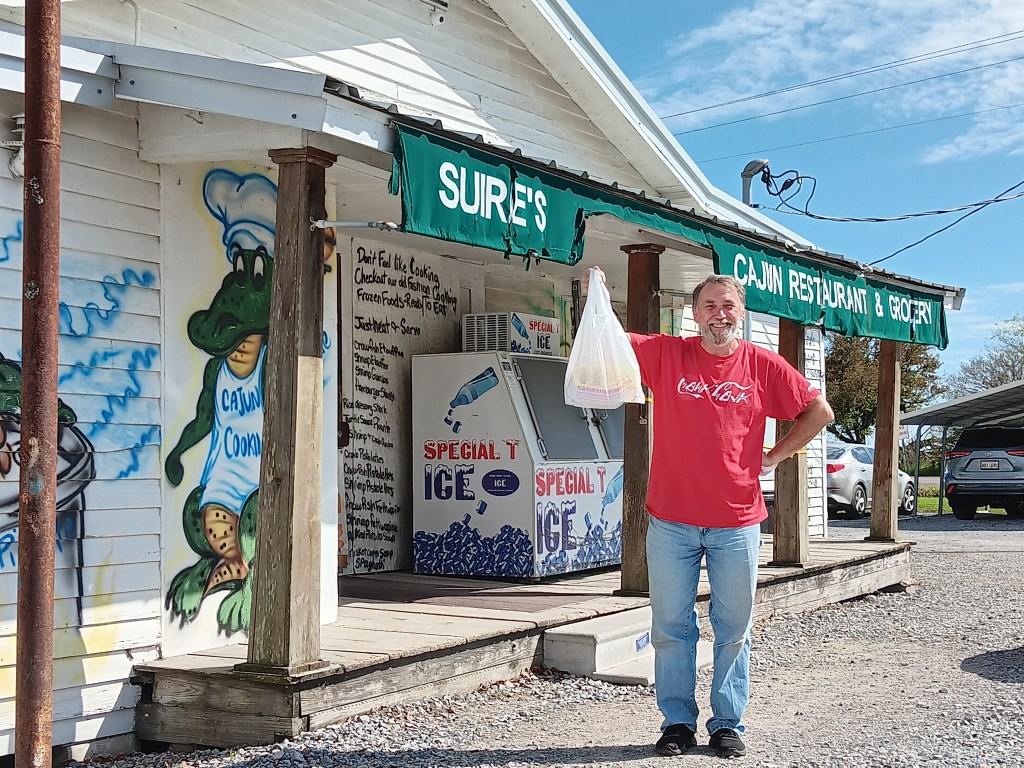
He’s got the goods!

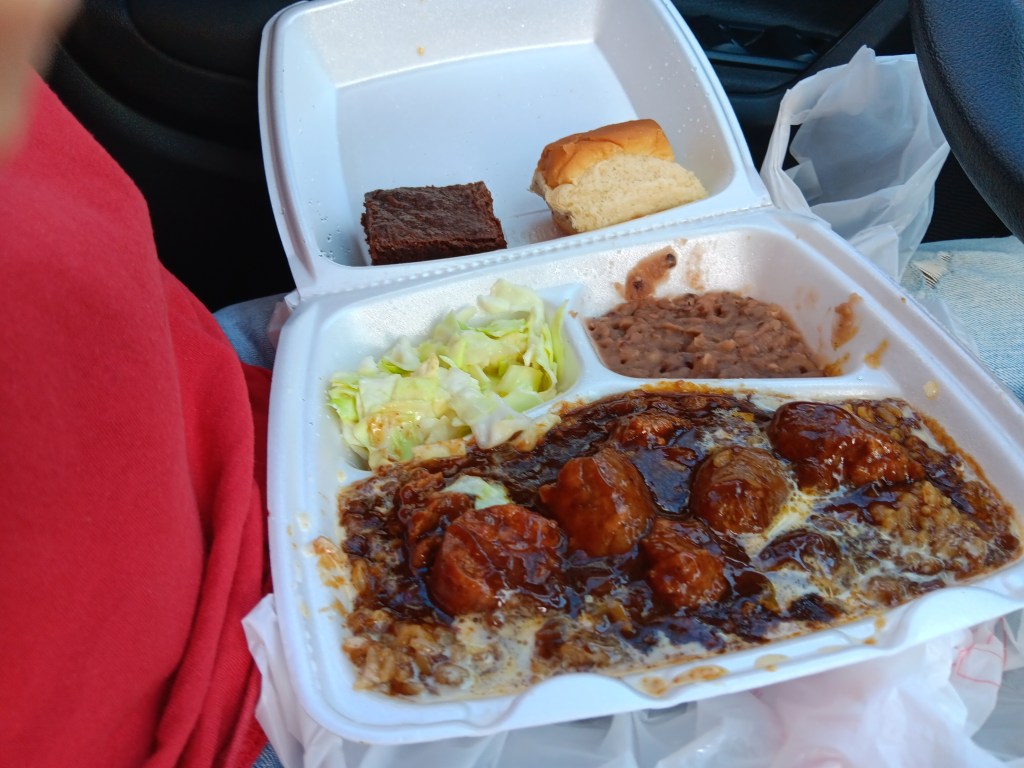
Simon had no such restrictions, and went for the Boudin Plate, a homey assemblage of Boudin sausage, rice, gravy, a dinner roll, slaw, beans, and a brownie. Delicious perfection!

The kind of food you scarf down, then sop up the tattered remains with a biscuit.

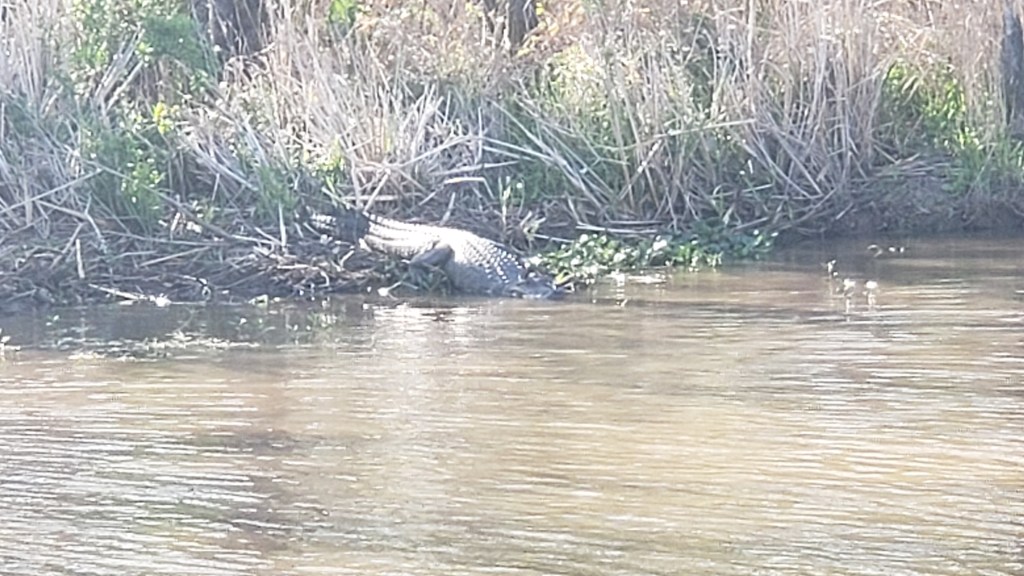
We detoured further south for a drive along the White Lake Birding Trail after lunch, and while we couldn’t do any of the walking trails, the road through it rewarded us with wildlife sightings and reminded us of our beloved Apopka Wildlife Drive in Florida. We saw lots of gators, some deer, hundreds of birds, and a mammal that was either a muskrat, a beaver, or a woodchuck. Probably a beaver, possibly a woodchuck, but we’ll never know for sure.

This is definitely a gator.

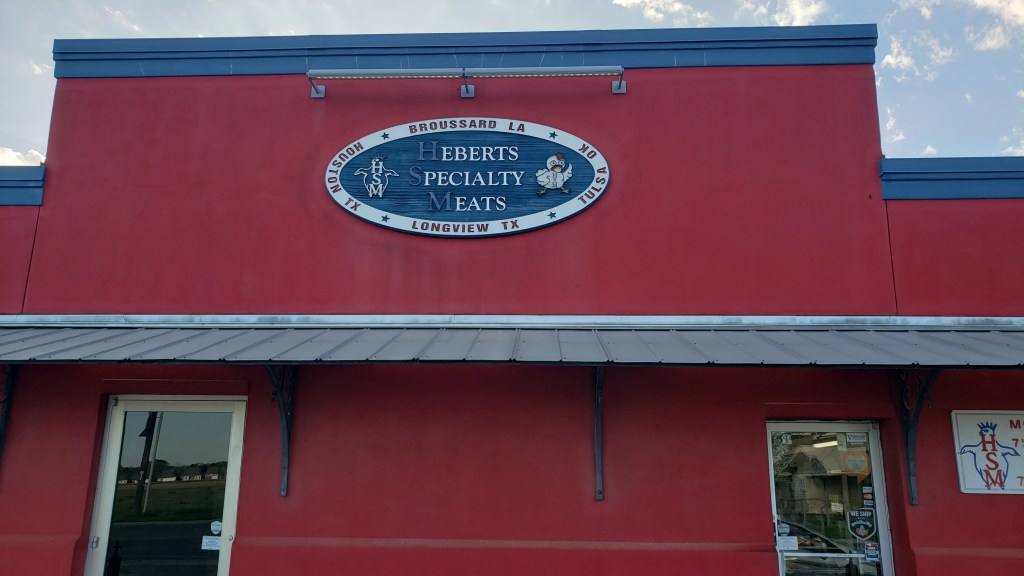
Cooking dinner was out of the question, so we made a quick stop at Hebert’s Meats for pre-made Etouffee and sausages, which Simon could dine on for the next couple of days. Somehow, we only have one photo of the outside of the store, and none of the fine offerings within.


Susan’s rally was short-lived. The next morning her oximeter was showing some worrying numbers, so it was off to Urgent Care, just a quarter-mile from our campground. Two chest X-rays later (mercifully, both clear), we were sent home with a six-day course of steroids, an antibiotic for a brewing secondary infection, and a coupon from the doctor to help us afford a $500 inhaler.

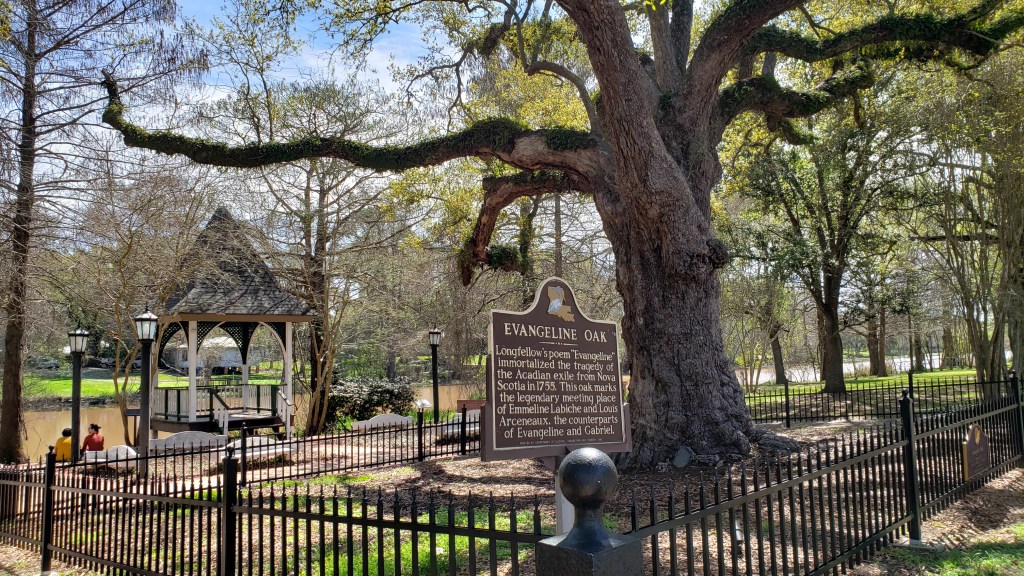
While Susan slept the rest of the day away, Simon went back to St. Martinville to see the Evangeline Monument and the Acadian Museum. The monument is a plaque in front of a massive Live Oak tree, the fourth representative of the original tree made famous in Henry Wadsworth Longfellow’s tragic poem, Evangeline: A Tale of Acadie about the exile of Acadians from Nova Scotia in 1755.


When we set out on this year-long adventure, our perception of Louisiana was that it was a less prosperous state, but as we drove around we began to see a pattern. Big houses and mini-mansions were rising up right next door to the most humble of homes, mobile homes, and RVs being used as homes, both in the towns and perhaps especially in the more rural areas. Something was clearly happening (gentrification; it’s gentrification), and when we arrived in Baton Rouge a week later, our curiosity about this trend kicked into high gear.


Our week in Broussard and Lafayette was far too short, especially given the days “wasted” by sleep, but we thoroughly enjoyed what we did see. Louisiana’s southern coast had definitely impressed us so far, as did the Southern kindness and generosity we’d encountered, and we were eager to see more.

That Time We Didn’t Get Eaten


Simon’s problem is that he rarely sees the problematic side of anything. Susan’s problem is that she sees the problematic side of most things, but hates to squash Simon’s natural enthusiasm. It gets us into trouble sometimes, and our visit to Cattail Marsh in Beaumont, Texas was one of those times.

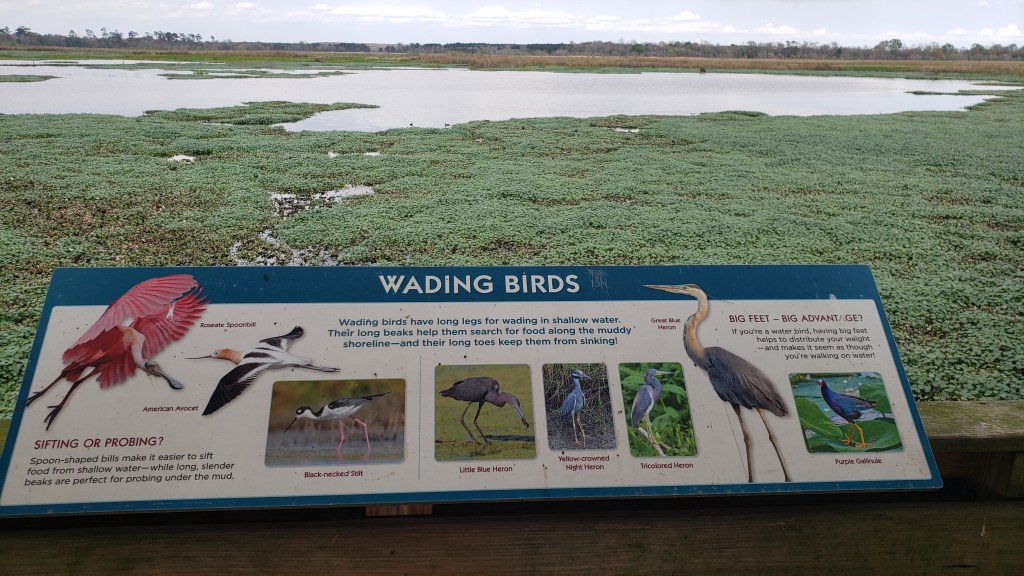
It all started so well. A lovely little boardwalk led out to viewings of interesting waterfowl, and we’d become exceptionally good at identifying birds, meaning, we could see them and say, “There’s a bird! There’s another bird!”


But we were up for a longer wander, and there were two gravel paths along the marsh-front to choose from. Our walk began with the following conversation:

Simon: Let’s head over to the far side and see what’s there.

Susan: You know it’s at least an hour to make the full circuit, probably more, right?

Simon: Nah, it’s not an hour.

Susan: Well…okay. It is, but, okay.

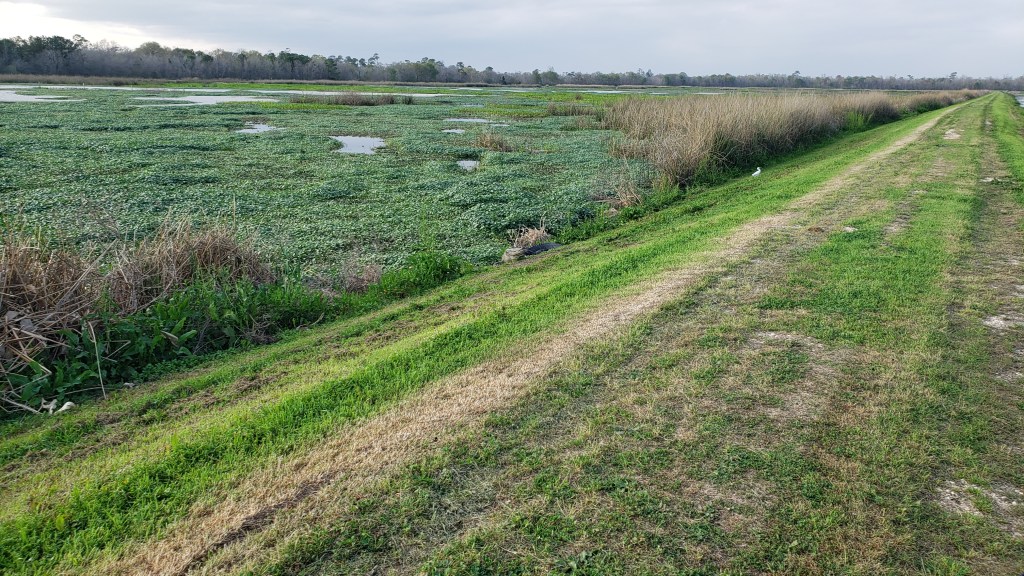
That tree line in the background is the boundary of the reserve. Less than an hour, or more? You decide.

One-quarter of the way around, it occurred to Simon it was at least an hour to make the full circuit, probably more, and it wasn’t easy to pull Ruthie in her wagon over the gravely path. What happened next was this:

Simon: Let’s take the short-cut through the middle.

Susan: You know that isn’t a walking path, right?

Simon: Sure it is! See? It’s flat and grassy.

Susan: It isn’t. It’s a maintenance road. But, okay.

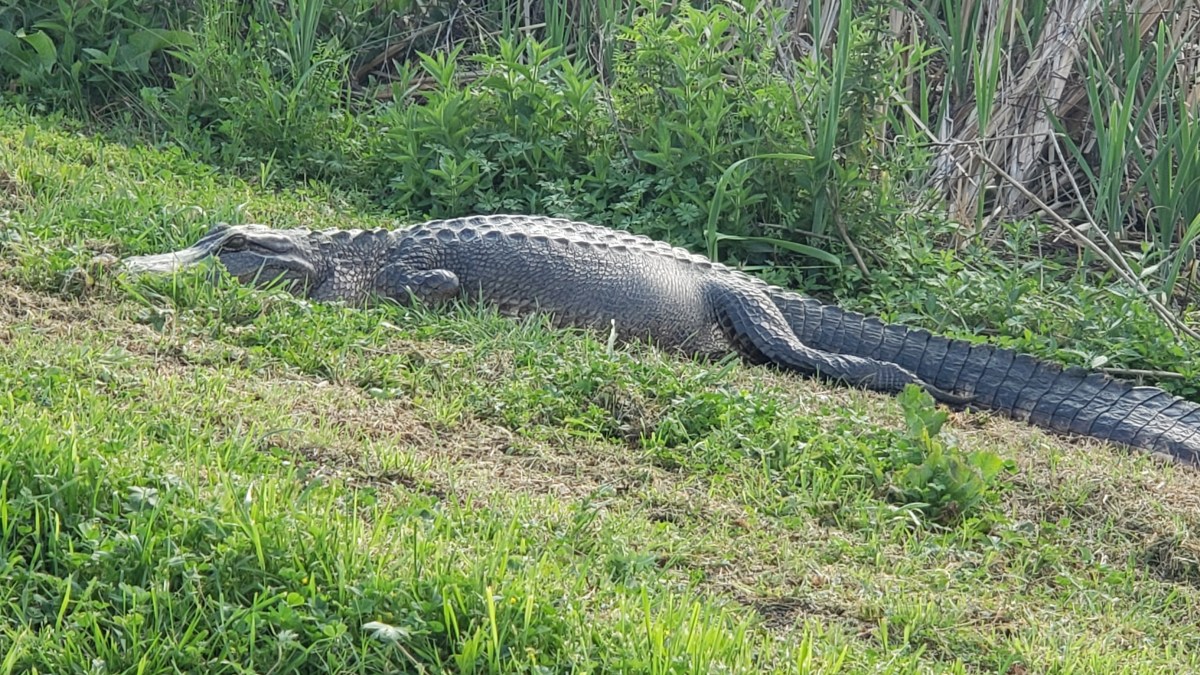
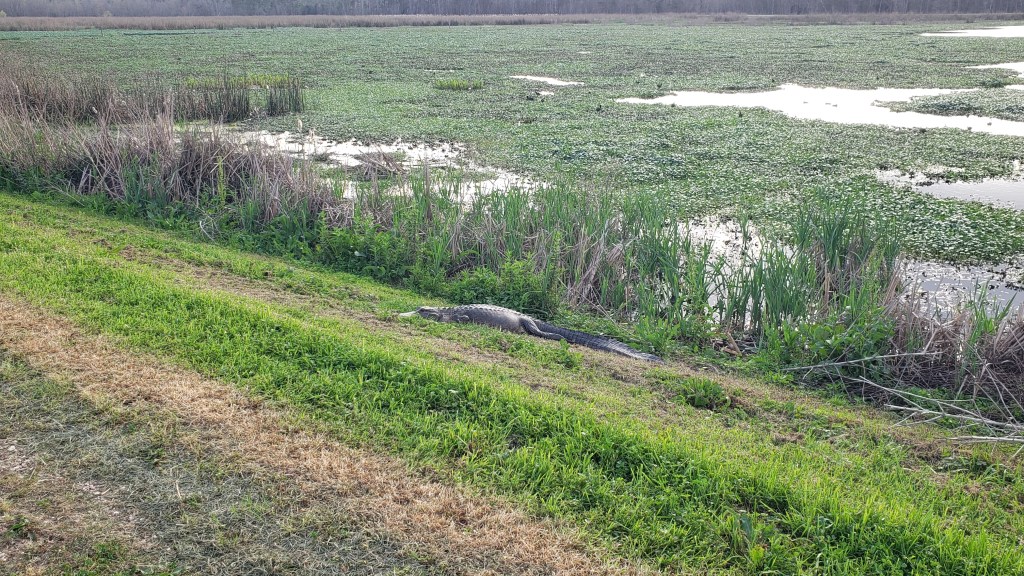
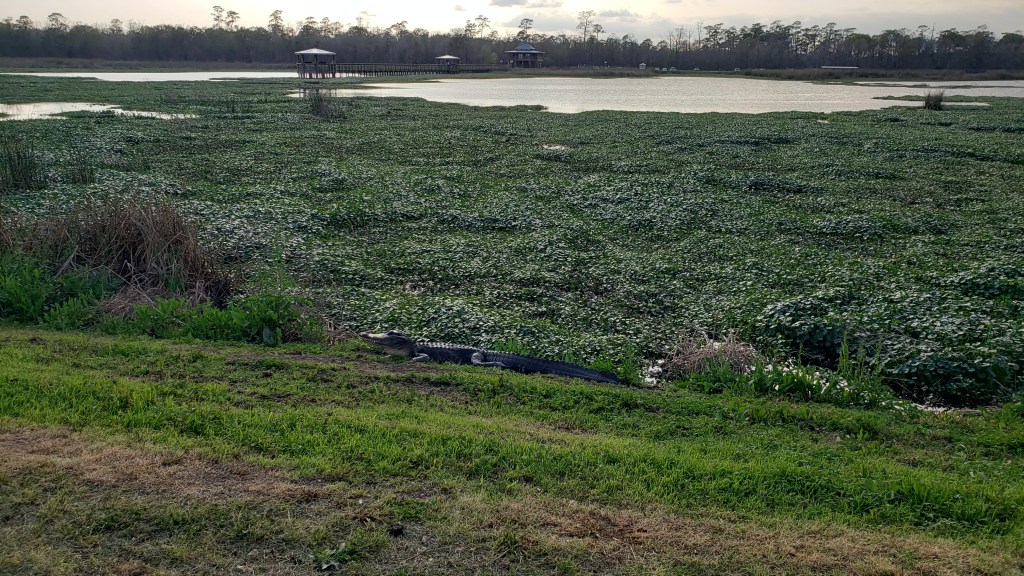
Now, those among you who have ever been in a wetland in the South know what’s going to happen next. And sure enough, not quite half-way into it, we were met by a 10-foot-long alligator sunbathing on the bank. Even Ruthie could see the “problematic” situation we were in, so she sat quietly in her wagon as we slowly, non-threateningly walked past the gator, with the wagon between it and us.

There’s a great big gator in this photo, laying just in front of that small mound of reeds in the center of the photo. You probably can’t see it, just as we couldn’t really see it until we were nearly on it.

Here. This actual blow-up of said gator will help.

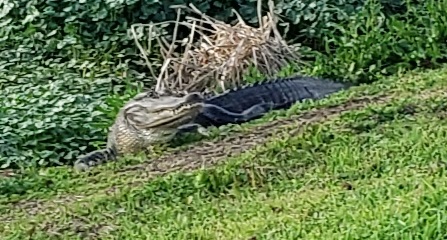
This guy (or gal) was easier to see.

And another.

And this one. And on and on….

Long, “problematic” story made short, after several huge gators, lots of sweat, plenty of bugs, a horrible sewage smell, and more than an hour pulling that damned wagon over gravely ground we stumbled back to the car, where Simon grudgingly admitted we “probably shouldn’t have done that.”

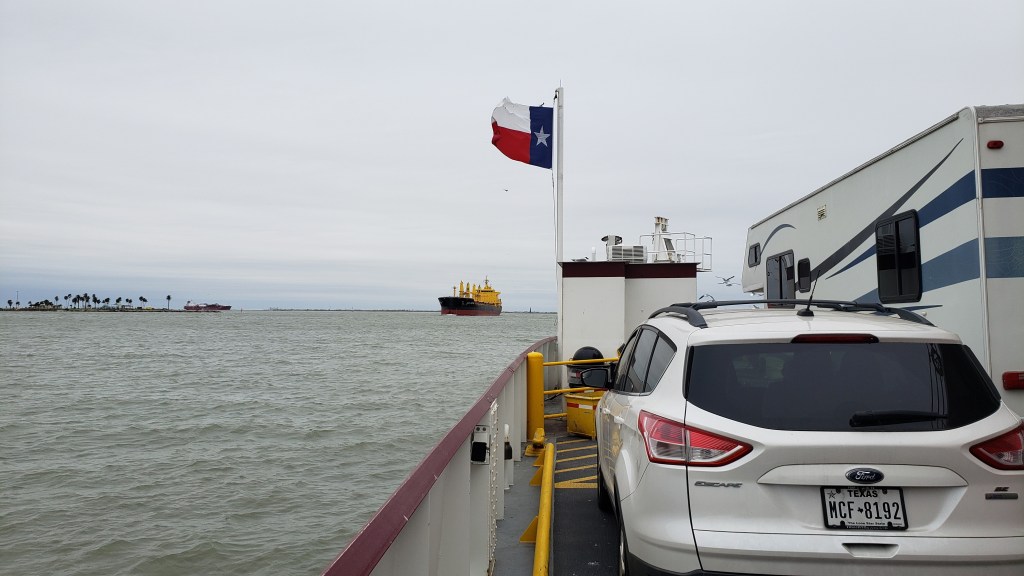
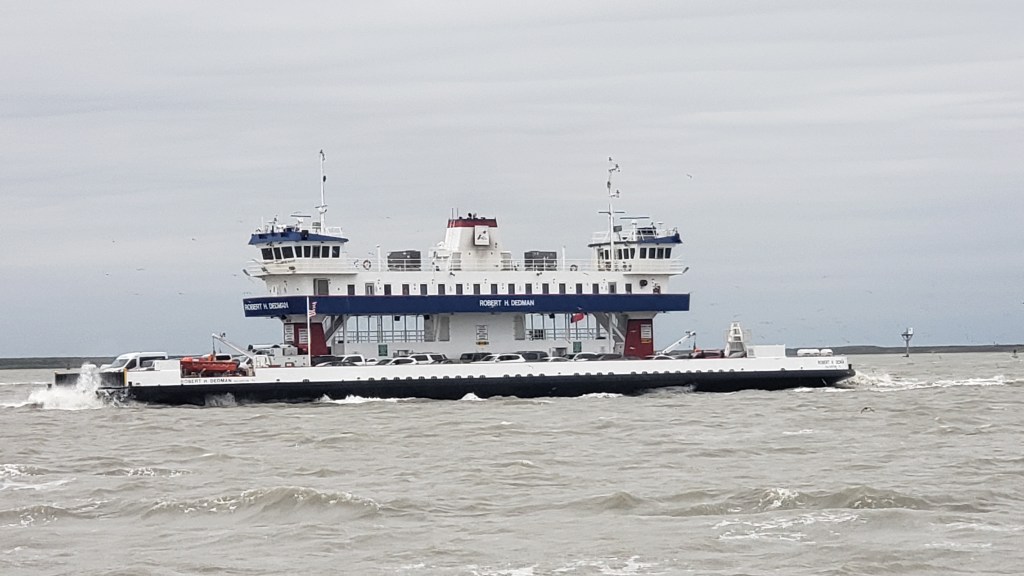
The rest of our time in Beaumont was tame and enjoyable. We had taken the ferry over from Galveston, which in itself is a novel adventure, and were camped out at the wonderful Grand Pines of Texas, with a lovely pond, nature walk, and (unbelievably!) free laundry. Clean and quiet, it was the perfect base for Fati while we toured the area.

Simon’s view. Susan was further up, in Nippy.

This is the kind of ferry we were on.

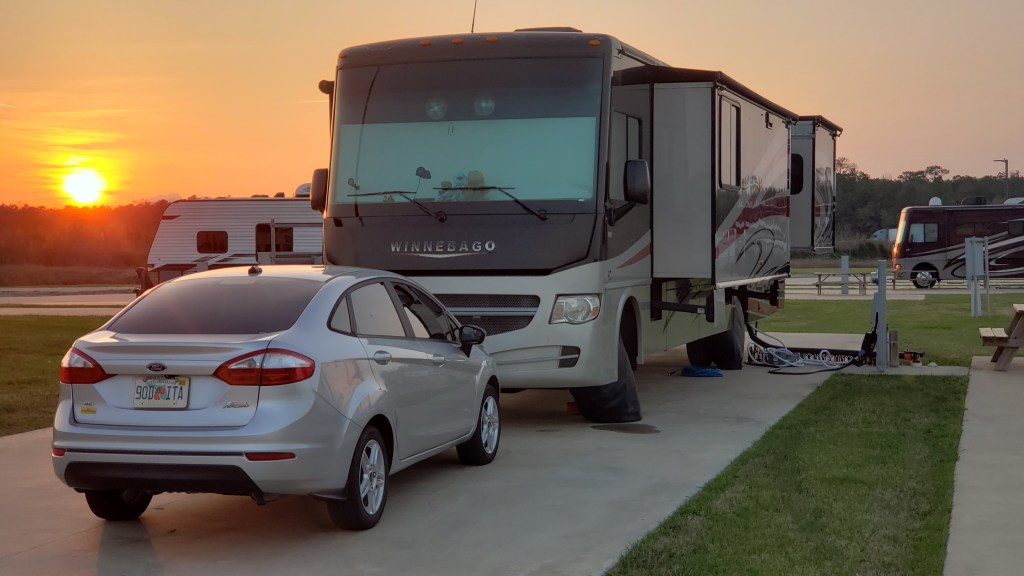
We had such good sunsets in Texas!

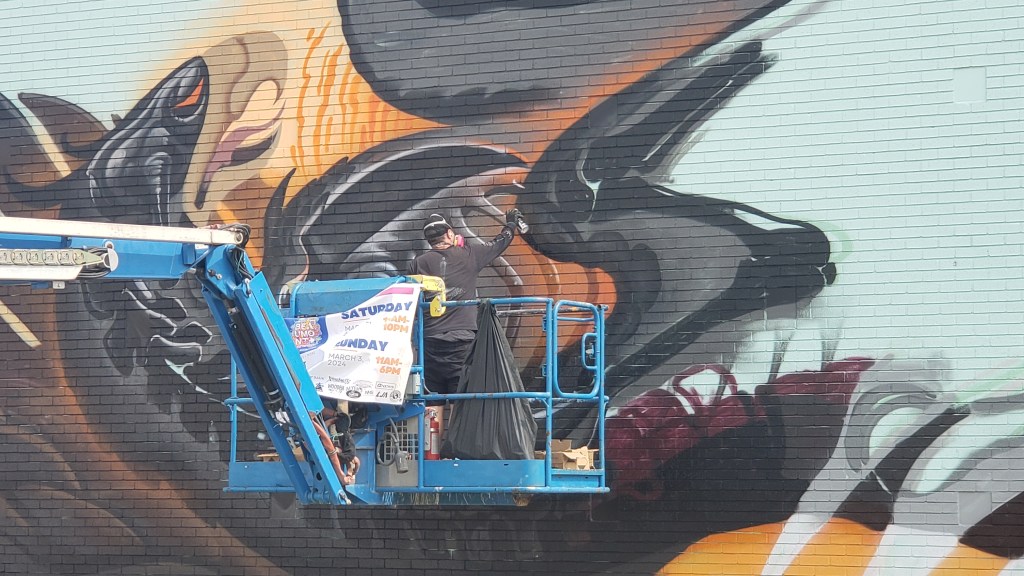
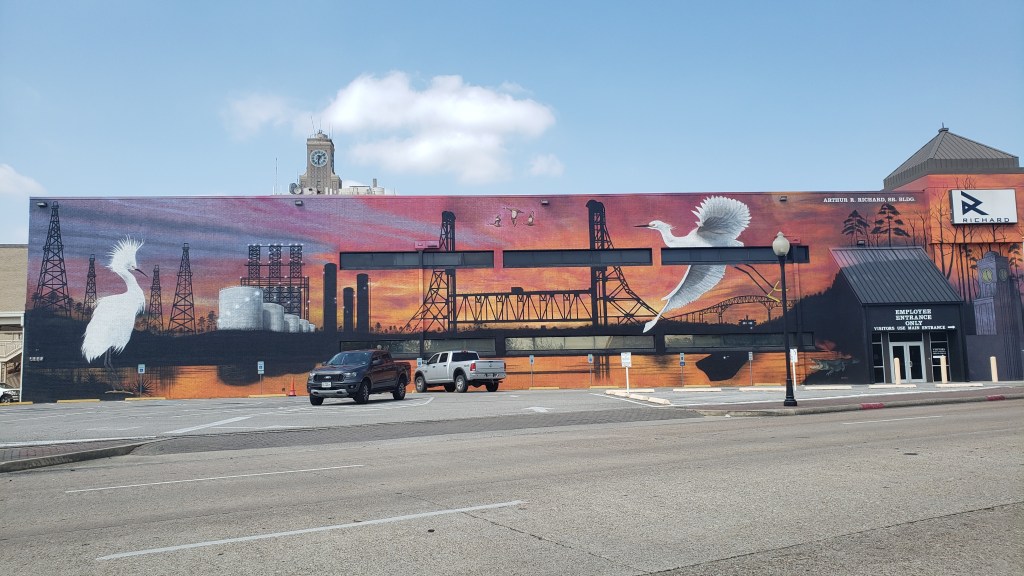
There was a big Mural Fest going on, so we headed into downtown Beaumont for a look. Some of the murals had been created previously, but many were being worked on, and it was nice to see how many locals came out to support the artists.

This guy was working on his mural.

This one had been done for some time.

There were quite a few artists contributing to the mural count on four-sided blocks like this one.

In the same park as the four-sided blocks (and a bunch of vendors, bounce-houses, food trucks, etc), one big building was getting a make-over, with three massive paintings. This is one of them.

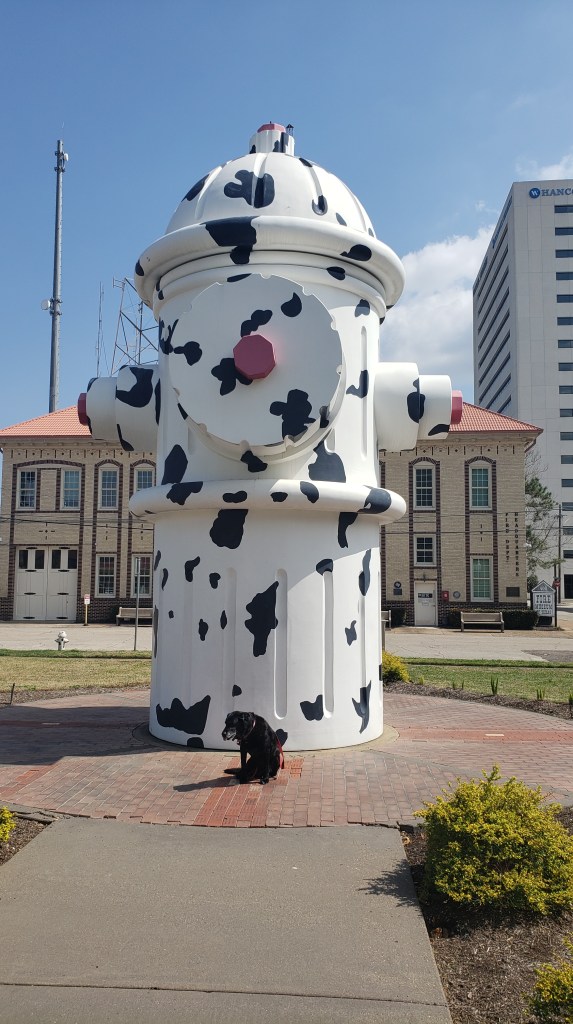
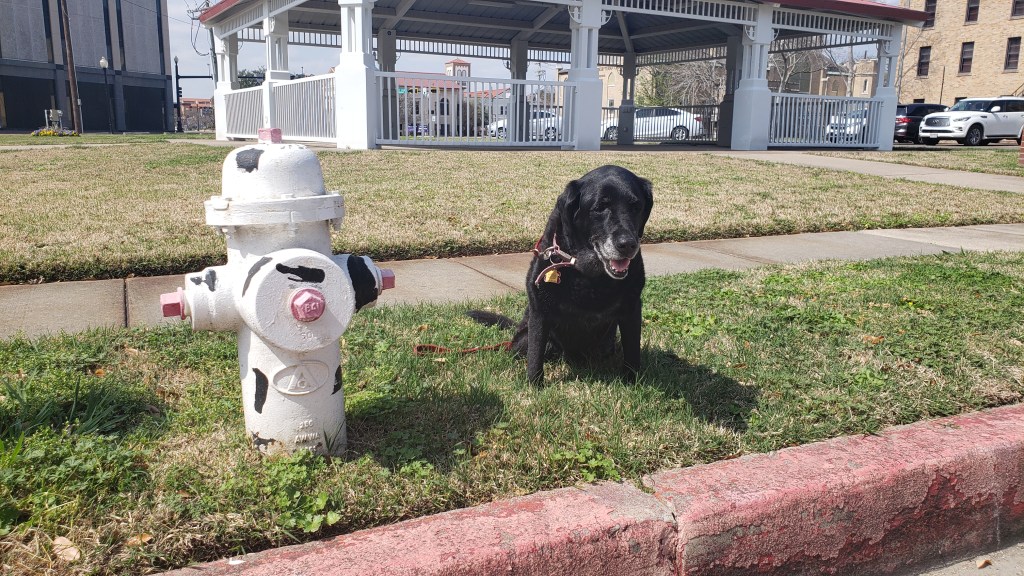
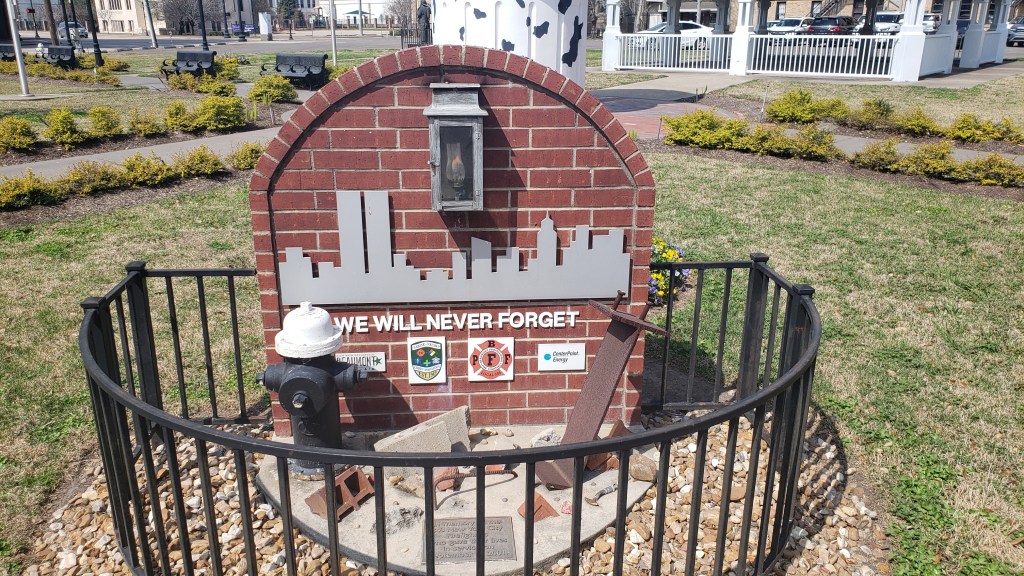
Downtown Beaumont also boasts the World’s Largest Fire Hydrant, and even if we didn’t have a dog with us, that’s something we had to see. Honoring firefighters everywhere, the park includes a memorial to the heroes who lost their lives trying to save others during the horrendous September 11 tragedy.

Intimidating!

Much more my size.


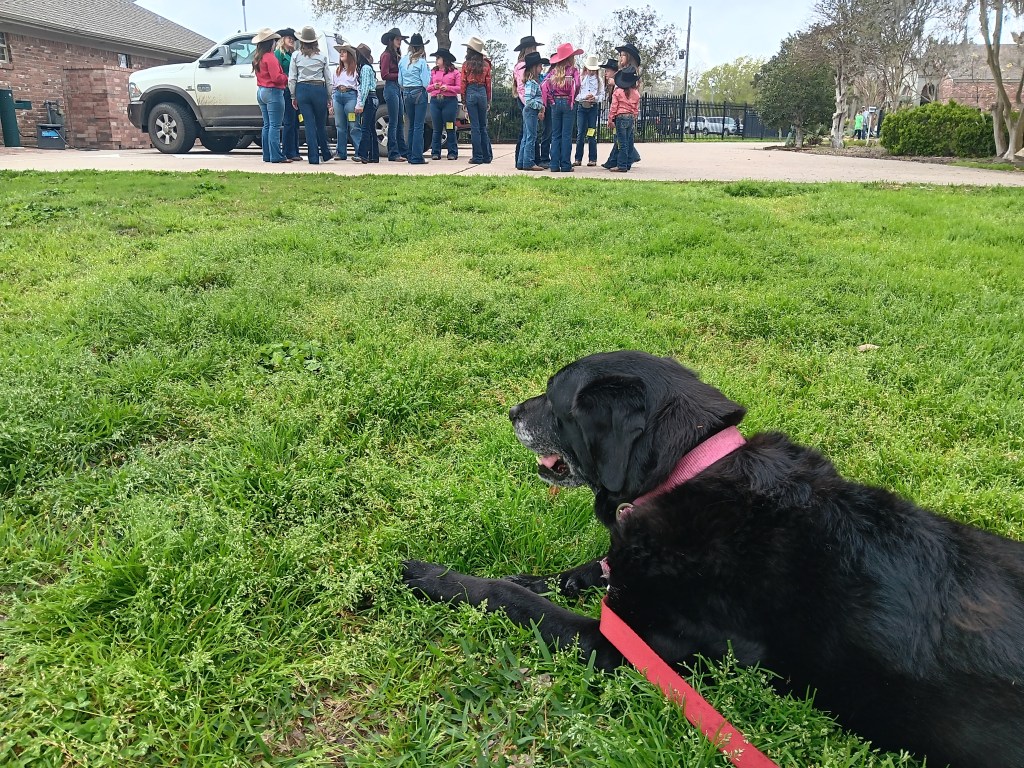
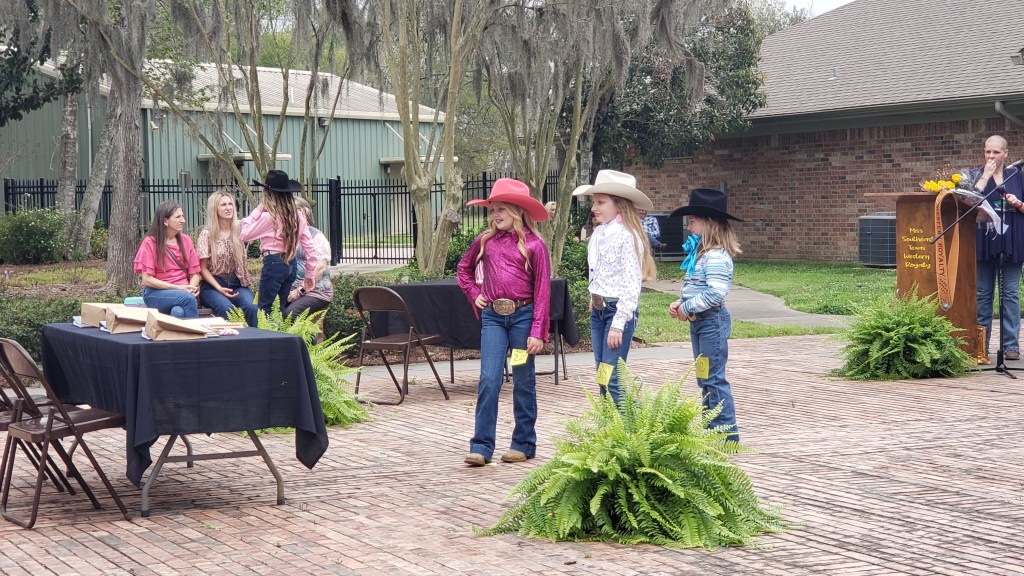
Another local event we stumbled on was a cowgirl pageant at the Beaumont Botanical Gardens. Girls of all ages could sign up for the pageant, which isn’t based on anything particularly “cowgirly,” and certainly isn’t a typical “beauty contest,” but is meant to build self-confidence and, I think, offers some sort of scholarship to winners.

Ruthie wishing she could join the cowgirl pageant. Instead, she did a butt-scoot on the grass right in front of these potential cowgirl queens. We’re so proud (no, we’re not).

Getting ready to face the judges.

We also took a day-trip down to Port Arthur, aiming for the McFadden National Wildlife Refuge, which sounds like a big deal, and maybe it is at other, better times of year, but we only saw a small handful of standard-issue birds, and not a whole lot else.

Look! A bird!

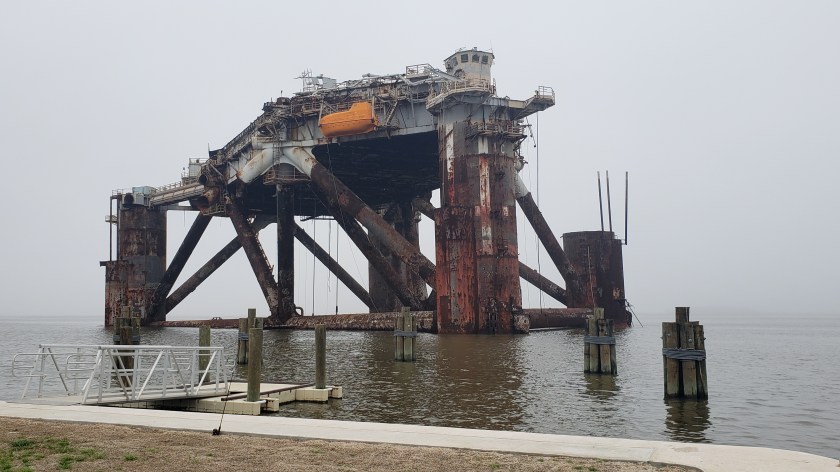
On the way back we detoured off the main road, where massive amounts of construction were going on, having to do with some sort of refinery. Drawn in by the sight of a structure we couldn’t quite work out, we discovered the Sabine Pass Area Artificial Reefs program, where sunken structures were being turned into reefs.

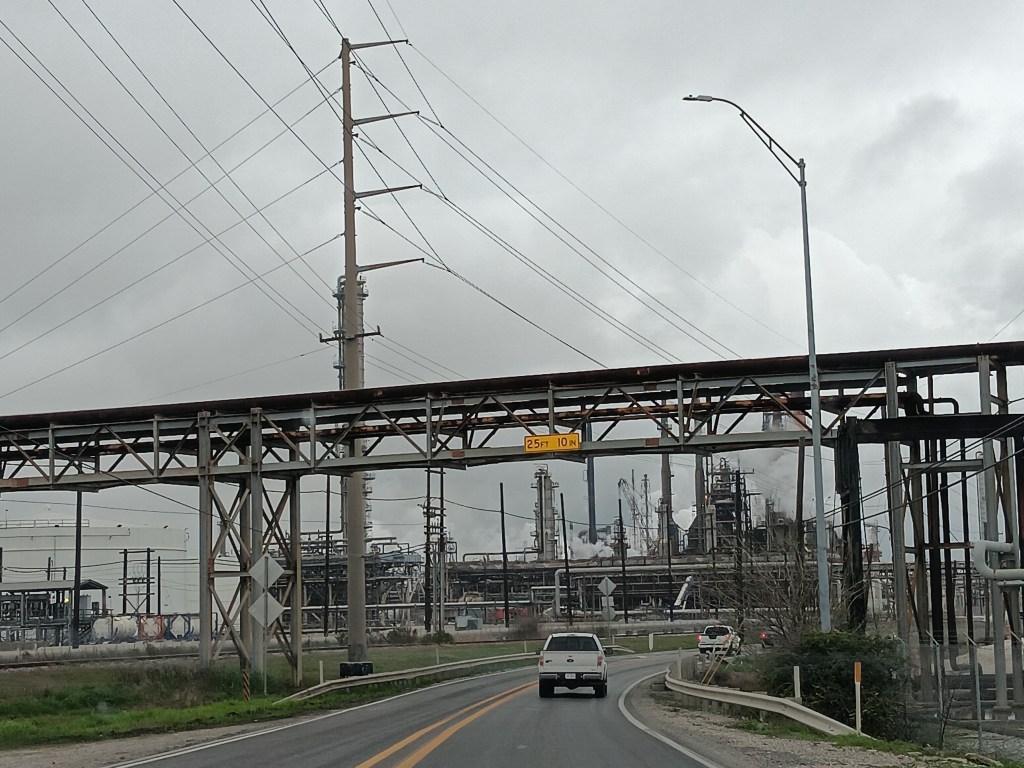
The main road went right through a processing plant.

Whatever this is, it’s becoming a reef.

A day or two later, Big Thicket National Preserve offered the chance for a walk in the woods to a genuine cypress slough, with a paved path and boardwalks that would make pulling Ruthie in her wagon quite easy. And it did, for the first few minutes. Once we were committed to the journey, though, the path turned to off-roading.


The slough reminded us a little bit of Florida.

But we persisted, which was a good thing since it would be the last exercise we’d have for the next few weeks. Unbeknownst to either of us, and after four years of diligently avoiding it, Susan was brewing up a hefty case of Covid. Little did we know her face would really look like this a couple of days from now:

Galveston, Oh Galveston


We have never had to pay to enter a city before, so the $2 toll to get into Galveston was a first for us. Passing through the tollway looks straightforward when you’re in a car, but less so in Fati. Is the lane wide enough? Will we hit the top of the toll booth? Is that barrier curb on the right too close? Was taking the coastal road instead of the highway a bad idea? How much does RV paint cost if we get a massive scrape down one side? A million thoughts went through our brains, except for the one that did catch us out.


The issue we hadn’t factored in as we were approaching the tollbooth was that we had to put our two dollar bills under a rock in the booth’s sliding tray. There was no hand to reach up and meet Simon half-way, so this was my view while he tried to get the job done.


In the end, the toll booth attendant (who had done this before) came out of the booth to take our money. And yes, we did fit through that narrow lane without a scratch.

On our way to the campground, we passed massive homes along the Gulf side of the road, and it was obvious there was money in Galveston. Whether it was due to familiarity with the more city-like setting or just the glorious views of the Gulf of Mexico all along our right-hand side, we immediately felt comfortable, and took a real shine to our temporary island home.


Once settled at the lovely Dellanera RV Resort, so close to the water we only had a 30-second walk to the beach, we took advantage of the nice weather and had a stroll. Like Galveston, the RV park felt comfortable right from the start, and we were delighted to have a full week to enjoy its seaside amenities. We could easily understand why “Winter Texans” made Dellanera their season-long stay.

The walkway in the distance connects our campground to the beach.

Galveston’s beaches go on for miles and miles and miles. We’re pretty sure you could walk around nearly the entire island using the beaches.

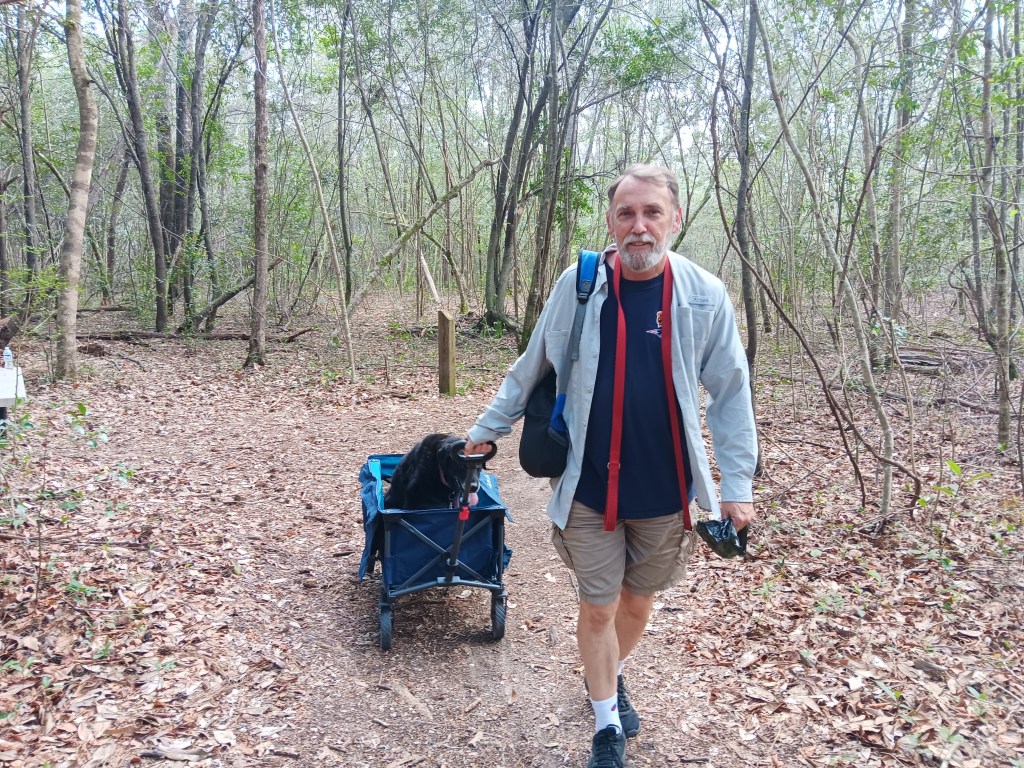
Ruthie now has her own vehicle. She can still take her walks for as long as she’s comfortable, then we drop the tailgate on her wagon and she can cozy down on a blanket and have a ride while we get more exercise. It’s been a boon for us – lots more walking! – and she’s getting used to it, though the movement feels a little bit odd at first.


Galveston is the world’s ninth busiest cruise port, and there were two Carnival ships and one Royal Caribbean ship in port when we took a drive to the downtown area on our first full day.


We also aimed to visit the area’s three wildlife reserves, but that term means something slightly different here to what we’ve come to expect. Here, it’s wetlands along the sides of some road, or, in one case, ponds in the middle of a brand new, upscale housing development, where we saw Roseate Spoonbills, lots of interesting ducks, some Snow Geese, and some sort of goose bird we’d never seen before, which turned out to be Black-bellied Whistling-Ducks. Who knew?


The next day, Royal Caribbean’s mega-ship, Harmony of the Seas, was just heading out of port as we were touring around, so we made a bee-line to Fort San Jacinto Point, where we joined lots of other spectators who were there to wave her off.


The people fishing in the foreground and the giant tankers in the channel in the following photo gives you some idea of how absolutely enormous Harmony is. We’ve sailed on her sister ships, Oasis of the Seas and Allure of the Seas, each during their media previews prior to their maiden voyages. They’re whompin’ great ships, so enormous it feels more like you’re in a shopping mall than on a cruise ship. Harmony is even bigger, with capacity for 7,084 guests and a crew of 2,369.


Our next two days were taken up with work while we waited for delivery of a new motor for our tilt bed. We’re not going to go into this story – at all – other than to say we’d been sleeping with the head of our bed semi-upright for nearly two weeks, and we both felt like we’d been thrown from a high building.

Mattress blocking the whole kitchen, but it’ll be back on the bed frame by lunchtime, right? Yeah…no.

This little high-torque motor is the replacement for the rotten bastard of a motor under our great huge heavy bed frame that decided to stop communicating with the controllers that move the bed up and down. We appreciated the service it had given us, but couldn’t it go for just another 2.5 months? I mean, really!

Cell phone shown here to give you an idea of size. How can something so small cause such a big problem?

We expected the motor to take about half an hour to replace, and the mobile tech expected that, too. Again, we’ll say no more than the final result was, the entire bed foundation had to be removed, as did part of the frame. The single set screw that was supposed to be all that held the motor in, wasn’t. Some damned fool put another screw in while the rig was being build, under a metal box that can’t be reached without dismantling much of the frame. It took the poor technician nearly four hours to complete the job.

Some RVs have storage under the bed frame. Ours has a billion wires. And yes, that green thing on the floor on the right is soap. It’s supposed to help keep mice out, but probably only results in fragrant green mouse poop.

But we won’t talk about that. Because it’s awful and upsetting and we hated the world while it was going on. We hated the Lippert tech support people even more, when the first one said, “Yes, it’s just one set screw” and the second call resulted in, “I don’t know how you’ll reach the second screw. You’ll have to figure it out.”

But no more. It’s not something we’ll talk about. Because we’re not complainers.

Tonight, it’s “blowing a hooley,” (which is a British saying that sounds dirty but isn’t) and our rig is shaking with every massive gust of wind, but we’re going to be sleeping flat, so life is still worth living.


We don’t yet know what we’ll do with the last of our time in Galveston. We promised each other we’d get a really great steak while we’re here, which is a stupid idea after the expense of our repair but a great idea as a reward for all the heavy lifting we’d done and the massive amount of encouragement we gave our mobile tech when it all went to hell in a handbasket.

The Fire At Night


Our next port of call was Port Lavaca, nestled along the Gulf Coast’s Lavaca Bay. The area’s history picks up three threads we’ve been writing about: The Spanish holding of territory that later became Texas; Native Americans being driven from their lands (in this case, Comanche who survived a raid in what is now a town to the north, and came to the port area for refuge); and the names people use for bison, which, in Spanish, is La Vaca, even though la vaca actually means “the cow.” But we were mainly there for the scenery.


Most small county parks can’t accommodate big rigs, but Texas is no slouch, and the beautiful Lighthouse Beach RV Resort had no problem with 36-foot Fati. Our site looked out on the bay, and on a wonderful boardwalk over the water that was perfect for our evening strolls as the sun went down and the sky lit up like fire.


Fishing and birding are the big draws here, and it’s easy to slow right down to the point where a glass of wine and the view are all the excitement you need. Want more?  Ramp it up with a walk along the pier and meet the fisherpersons, peer over the water through binoculars to see what’s flying and floating around, and marvel at the mad rush of the so-called “Formosa Five Hundred” that takes place along the State Highway 35 causeway during each shift change for Formosa Plastics Corporation, situated directly across Lavaca Bay from our campground, along with Alcoa and DuPont.

Formosa, as seen from our campground.

Now, those of you who’ve been following us from the beginning will likely have noticed we never drive Fati at night. Like, ever. It simply isn’t done. But circumstances dictated otherwise this time, and we found ourselves heading over the causeway as darkness fell.

This level of visibility is why we try never to drive at night.

Approaching and then passing Formosa, producers of resins and other chemically things, was like driving into the unsettling opening scene of the movie Blade Runner. A true dystopian setting right there in ironically named Port Comfort, minus the flying spacecraft.


The rest of the journey east ambled along dark roads through empty countryside, and ended with an overnight stay at a Walmart right off a busy road, with trains and their blaring whistles barreling past every half hour, all night long.

We were truly exhausted when we reached Oyster Creek the next day, and were somewhat dismayed to see our campground was just on the boundary of miles and miles of refineries.


But it was a peaceful little haven, mainly populated by refinery workers who put in such labor-intensive days that they were all asleep by 8 p.m. Silence reigned, even as the belching discharge from the refineries’ chimneys lit up the sky with fire, this time not of the natural variety.

Those super-bright orange spots are fire blasting out of the chimneys.

Everybody knows cars and machinery don’t run on daffodils and the laughter of unicorns. We all know there is a process of refinement. Seeing it in person when you haven’t grown up with it in your home town is both horrifying and fascinating. It’s like looking at a city comprised of the bare bones of enormous building complexes, but with no people, and we were filled with discomfort with the process and admiration for the people who work there.


Like so many things we’ve experienced during this trip, we were pulled in two directions, mentally. Years ago, seeing fish farming in Chilean Patagonia first-hand completely put us off from eating farm-raised fish, ever again. It was a simple decision. But not everything is that straightforward.

We had been told Surfside, a little town right on the water, was worth seeing, so at least that decision was straightforward. Surfside Beach was hit by Hurricane Nicholas in 2021, and many if not most of the homes there are new.

Heading down a massive bridge, with Surfside and the Bay at the end of the road. Some of the dots in the water are tankers, some are oil rigs.

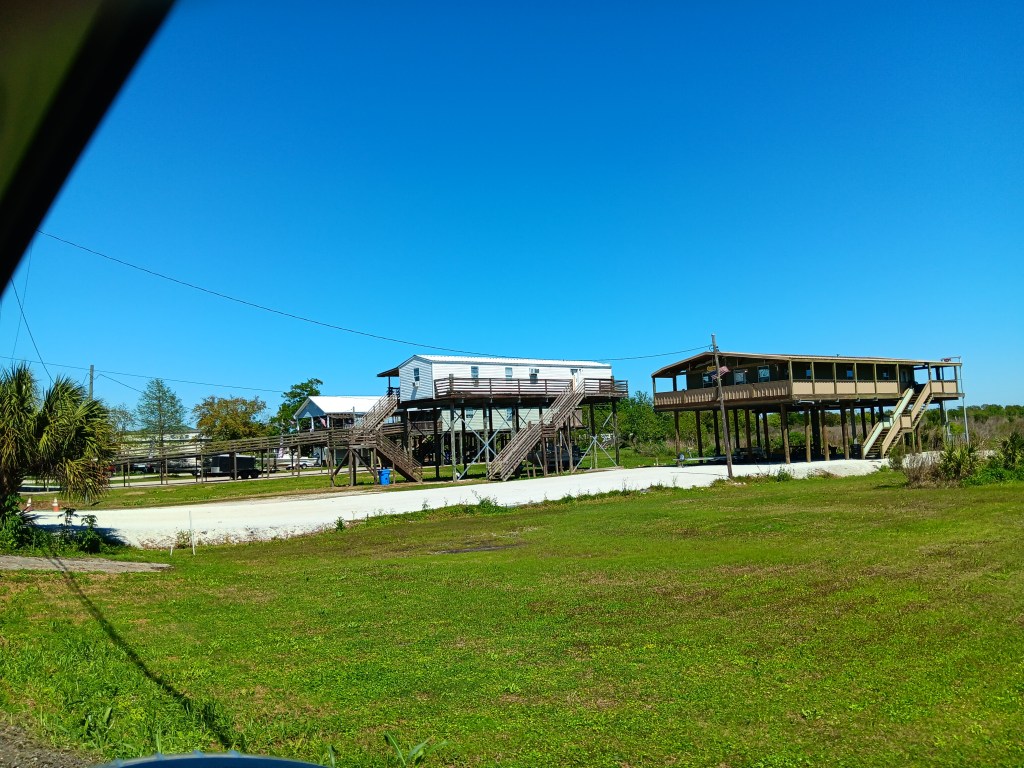
All of them are high up on stilts, creating a hodge-podge neighborhood of houses that look like they were brought in and propped up on stilts wherever the moving truck happened to stop. There is none of the formal layout – or similarity in architecture – of the neighborhoods we’re used to, and we drove around pointing and commenting and being fascinated by the whole thing.


Freeport Channel seems to be the place where locals gather on balmy evenings to do some fishing and to watch the gigantic freighters that harbor there, presumably to fill up with whatever the refineries are pumping out.


Unexpected as it was, Oyster Bay made a good two-day base to decompress before we headed to Galveston, and when we learned the original Buc-ee’s was less than 10 minutes away, we headed over and grabbed a couple of bags of Buc-ee’s Nugg-ees, just because we could. We felt the circle from the beginning of our journey to the not-so-distant end of our adventure starting to close.

How our relationship with Buc-ees started.
How it’s going.