The more we’ve toured, the more questions we’ve had, but that’s part of the point of travel, isn’t it? The boring stuff you learned in school was the hook on which you hung little bits of information that, hopefully, act as a starting point when you’re out in the world exploring.
Susan had constant flickers of those schooltime factoids when it came to places like South Dakota’s Wounded Knee and the events that happened all across this part of the country, but it was all told through the side that “won.” Simon’s point of reference was Westerns from television and movies. Neither of us felt we had a well-rounded story, and we were eager to learn more.

Our next-door neighbors from back home in Florida have a place in Rapid City, and they were there while we were in town and invited us over for dinner. They do a great deal of work with the tribes, teaching them how to play and appreciate music, and we spent several happy hours in their company, learning more about the local tribes and their history. They recommended a visit to The Journey Museum, and that was our next day’s morning stop.
The museum is thoughtfully presented, and while it includes sections on paleontology, geology, and archeology, we were there primarily for the Native American exhibits.
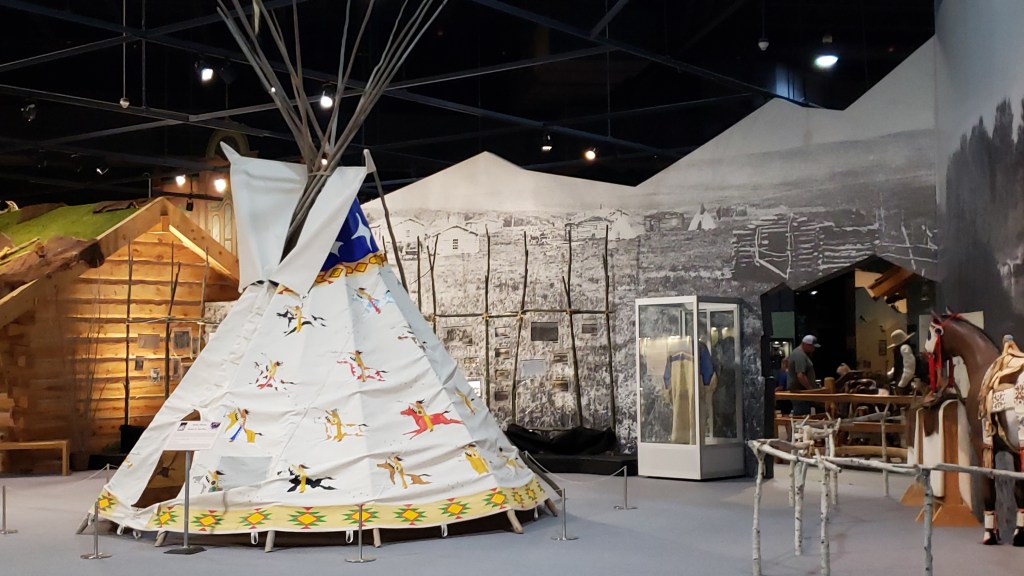
We’d been told it was difficult to get any kind of reliable history, as the tribes tended not to keep written records in the past, and nobody seemed to agree on what really happened versus what is perceived or idealized to have happened.
Like much of the area’s history, the museum’s Native American and Pioneer sections intersect. It was difficult in most cases to get a well-rounded understanding of the two culture’s realities when they came together or clashed, when the focus is inevitably more on their separate experiences than on a realistic view of “how we got to now.”
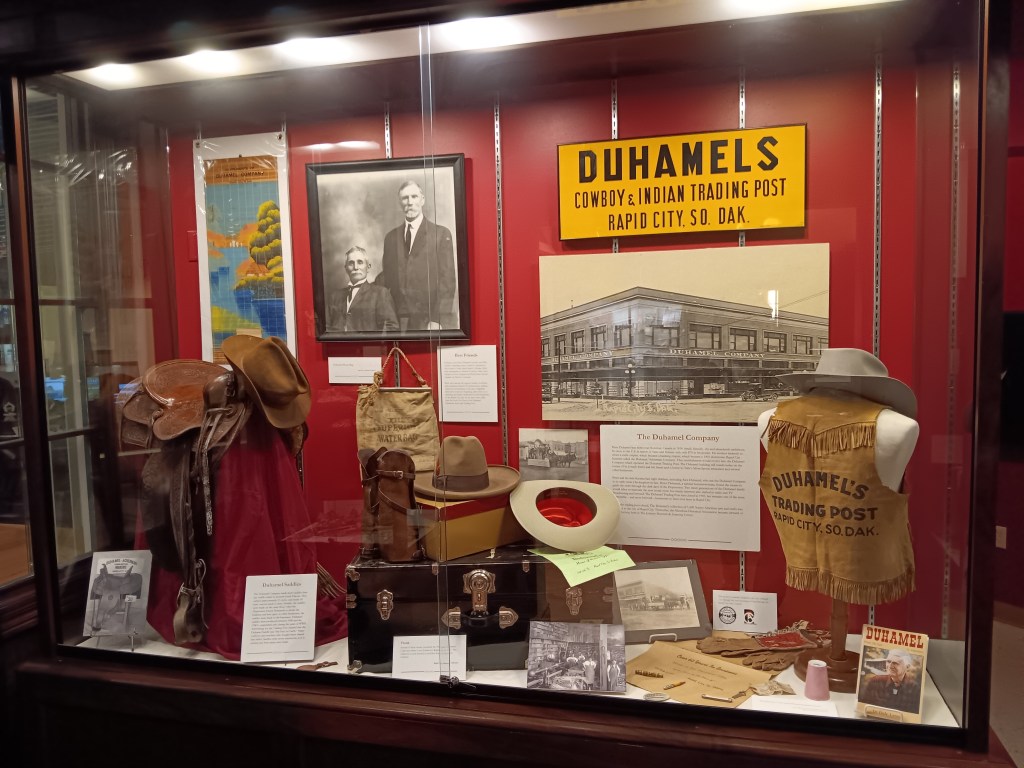
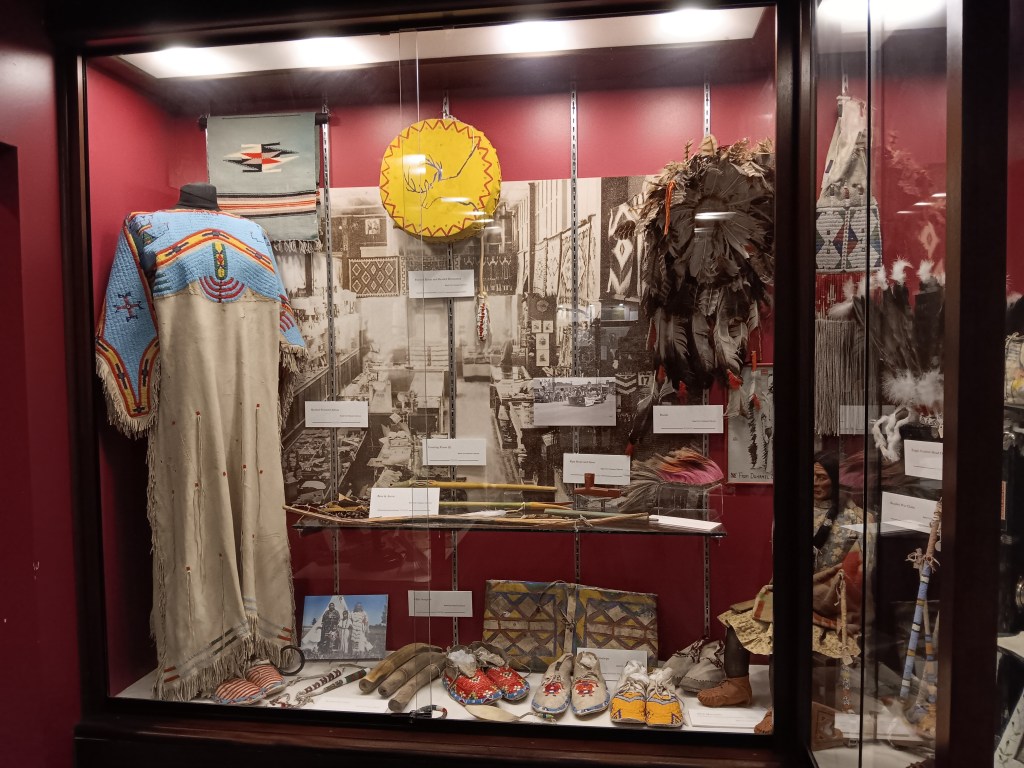
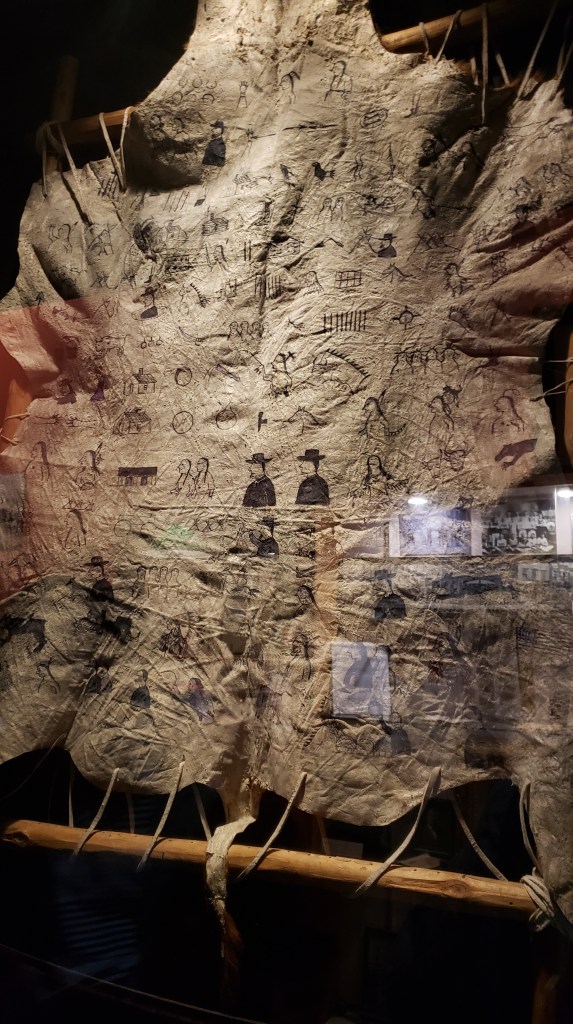
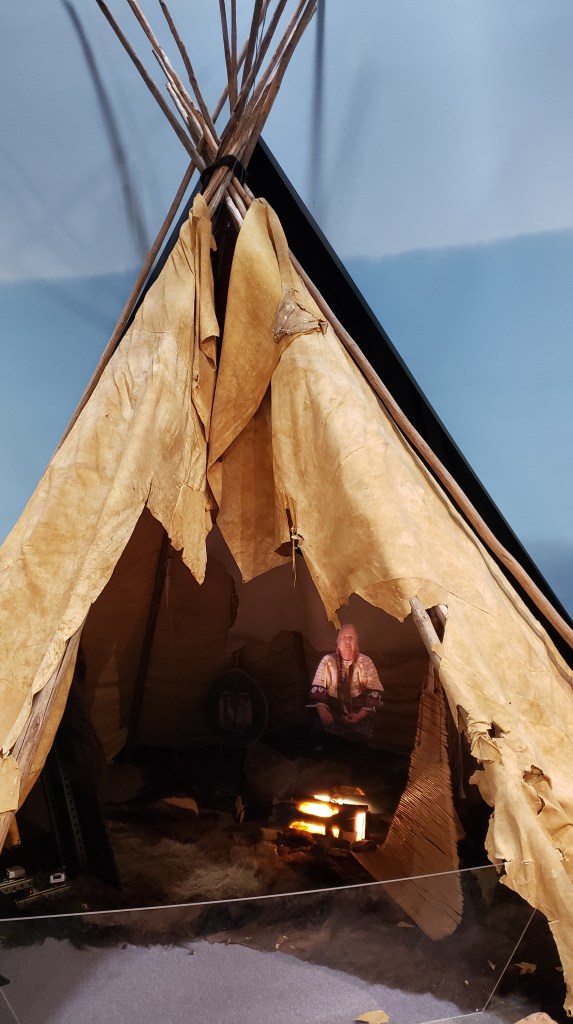
Even so, we really enjoyed the museum’s displays, and Susan was especially happy to see women represented as much as men (almost), with a heart-tugging exhibit that featured (in video style) an older woman talking about how girls were welcomed into womanhood within the tribe. She even sang a lullaby. So beautiful.
Today’s scenic drive was Iron Mountain Highway on our way to one of the country’s most iconic sites.
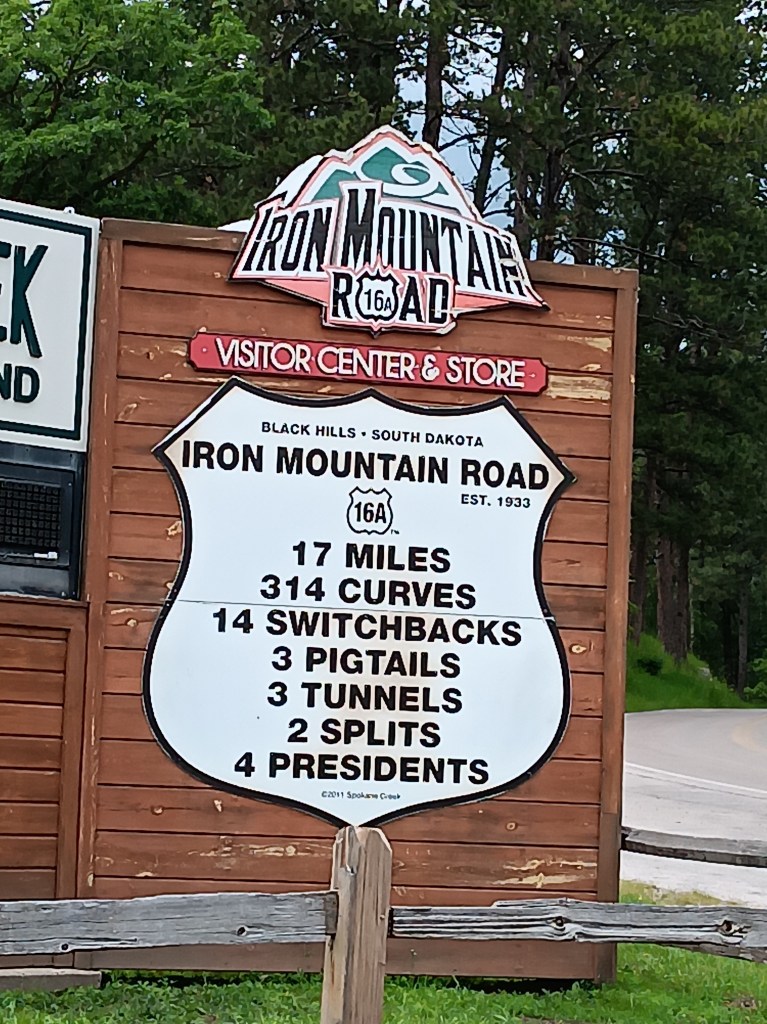
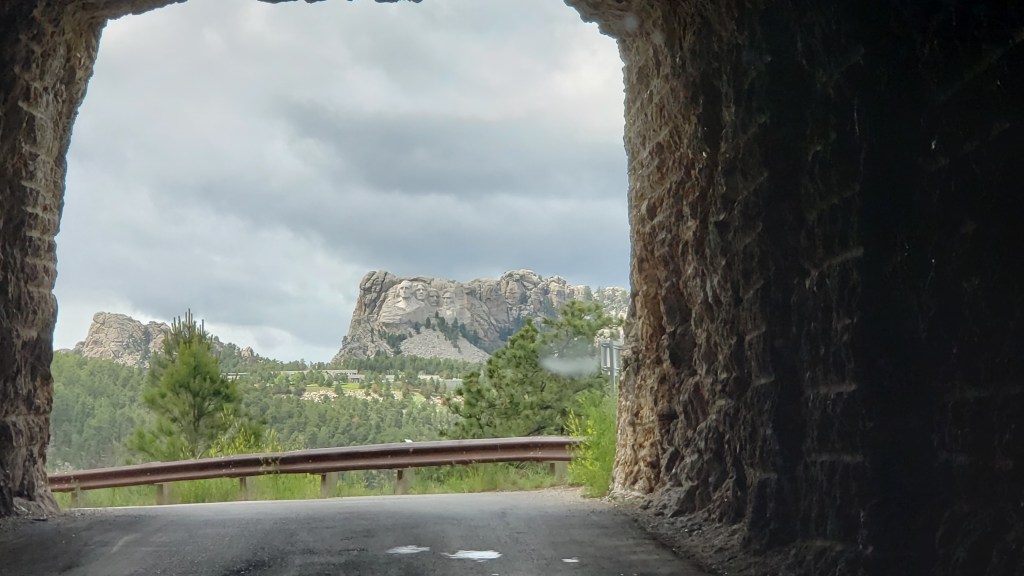
We won’t bore you with the outrageous “shortcut” our GPS took us on to get to Iron Mountain Highway, which was so long we began to wonder if we were already on that highway. Instead, we’ll show you a couple of examples of the grand views we had once we were on the right path again.

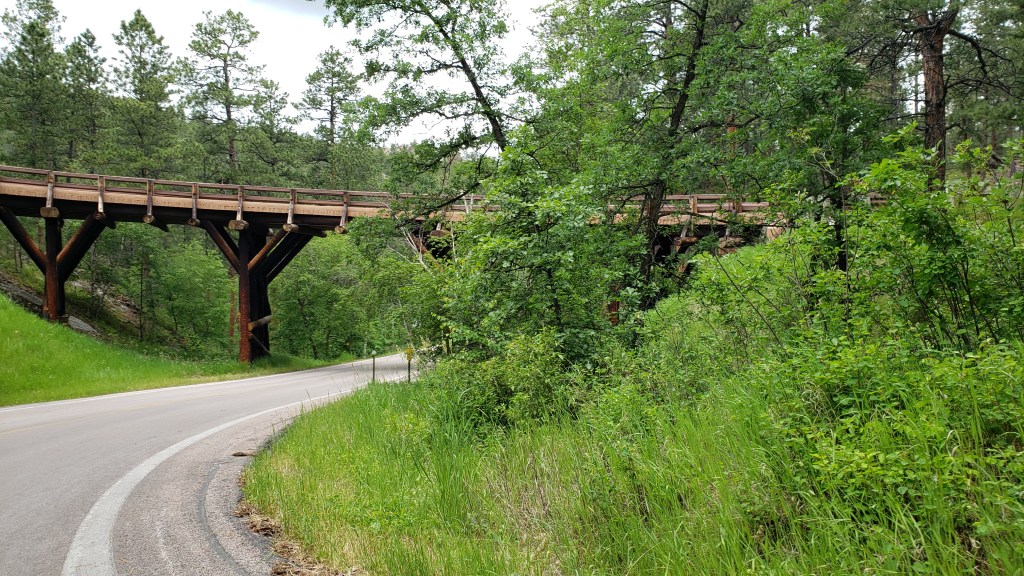
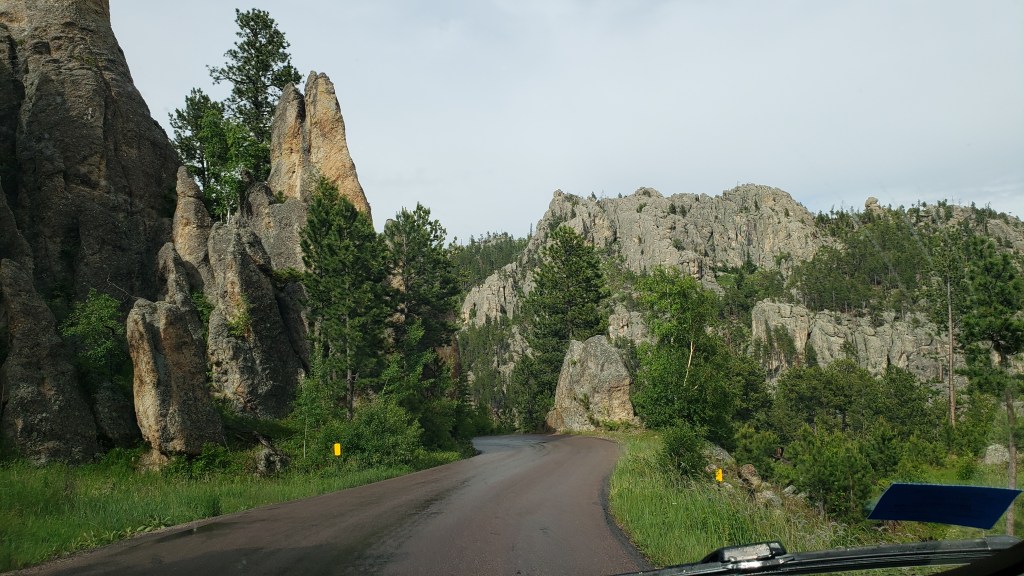
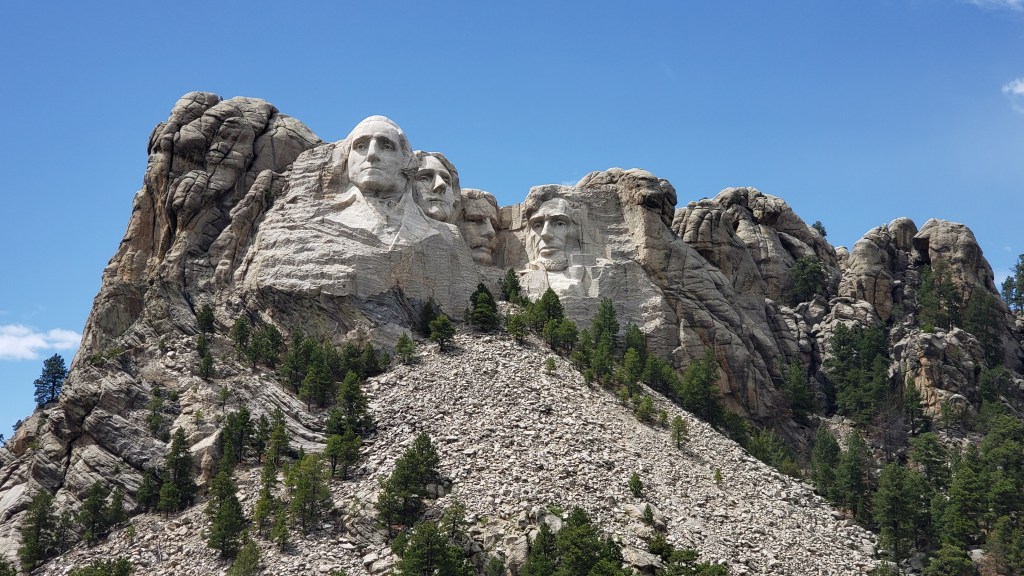
Iron Mountain Highway doesn’t end with the view you’re about to see, but WOW! What a spectacular “reveal” for our next destination!
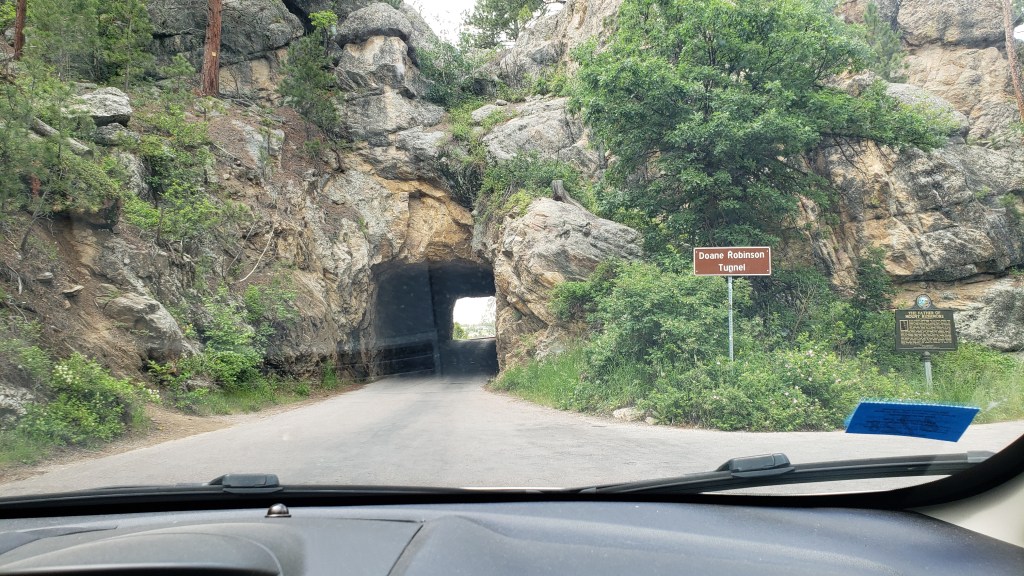
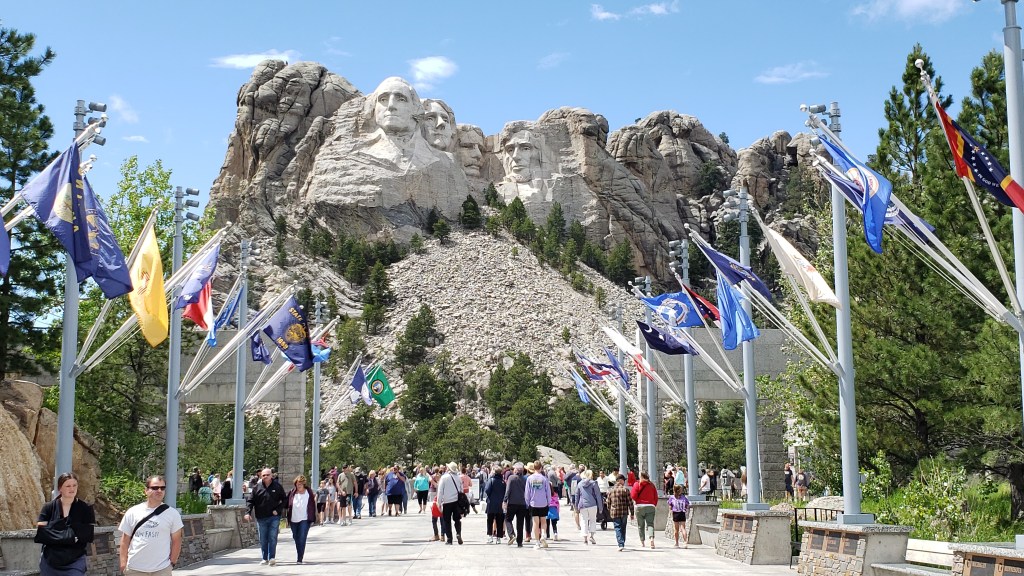
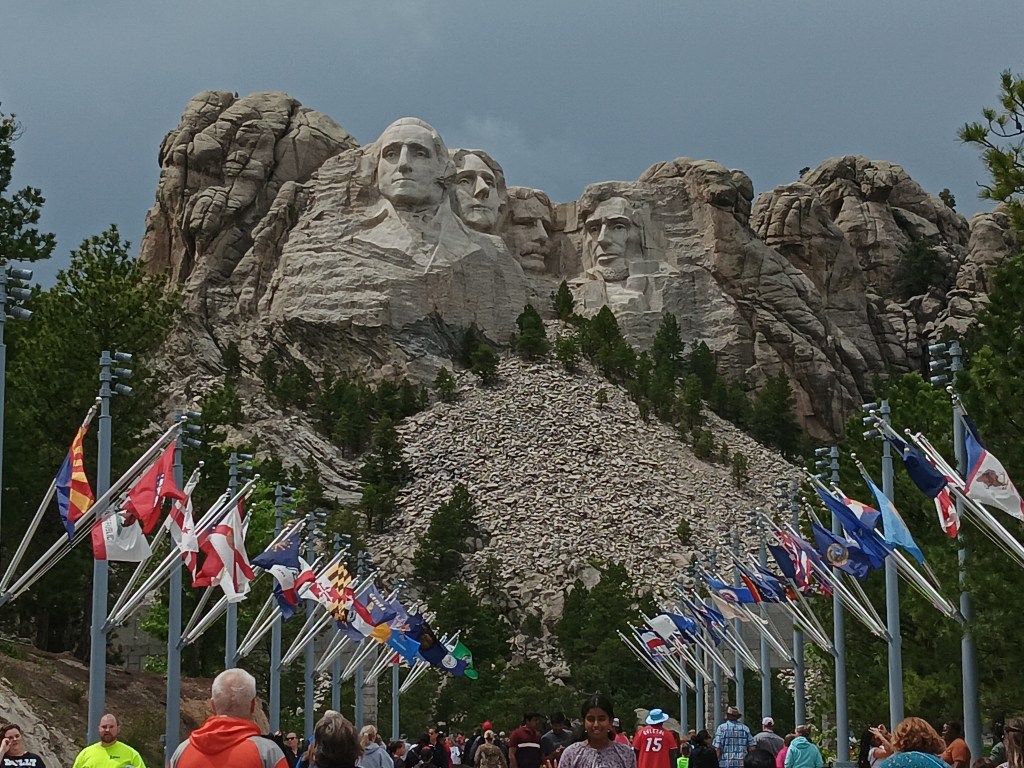
Neither of us ever thought we’d ever be in a position to see Mount Rushmore, and standing there in front of George, Tom, Teddy, and Abe felt just a bit surreal. Considering their human rights records (not you, Abe), we had some mixed feelings before we got there. Once there, we felt a surge of pride and patriotism (in the best sense of that word).
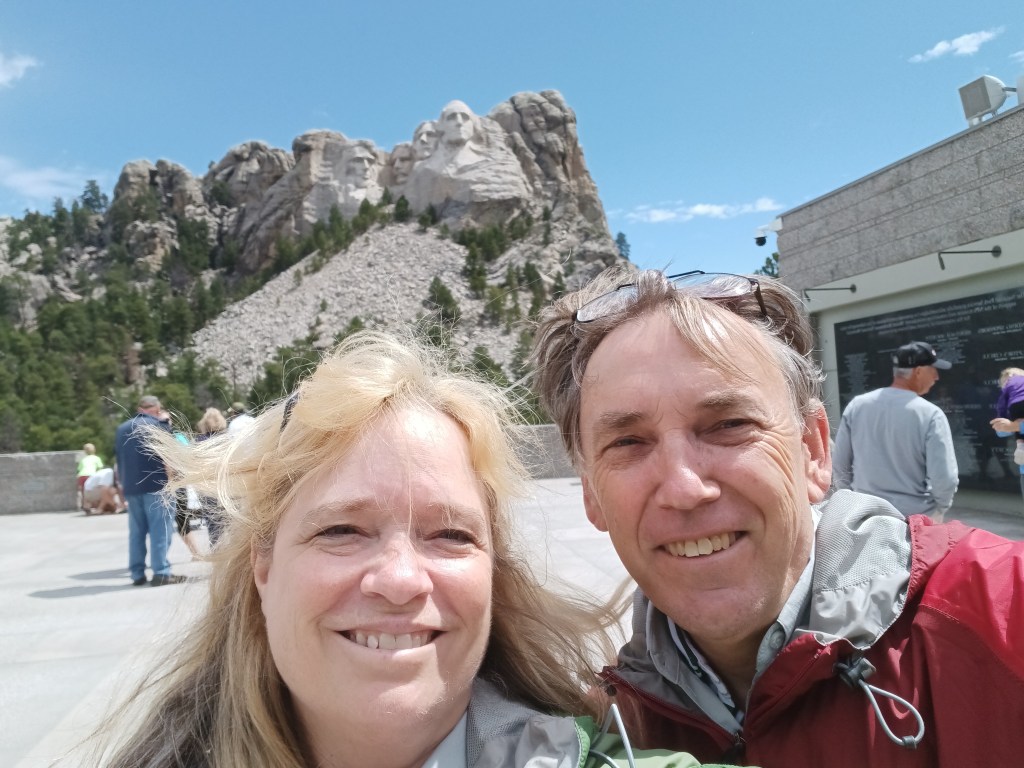
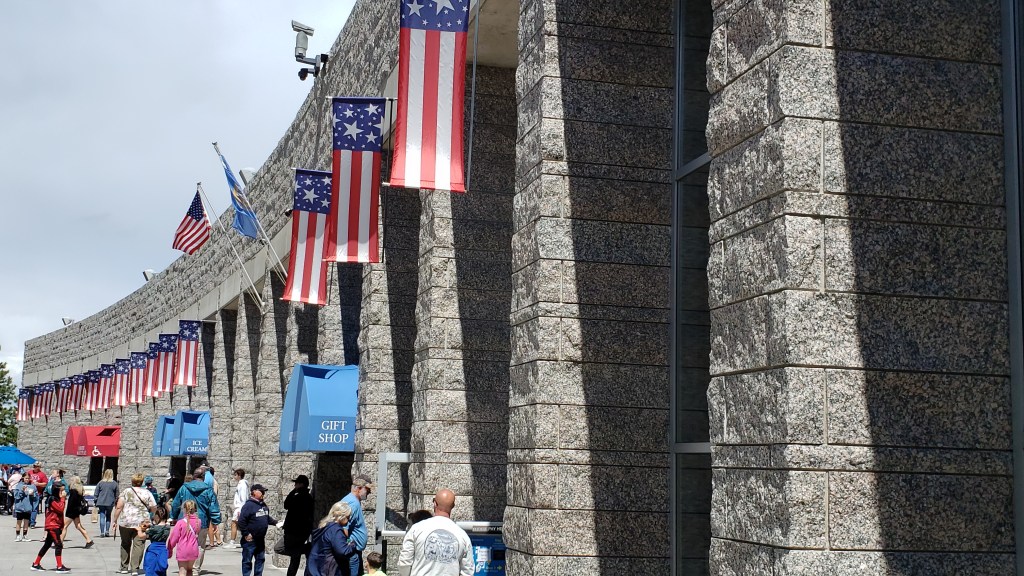
We probably took 40 or 50 photos of the monument itself, but we’ll just share a few here, including a side view of our first President taken from a cut-out along the road once we left the park.

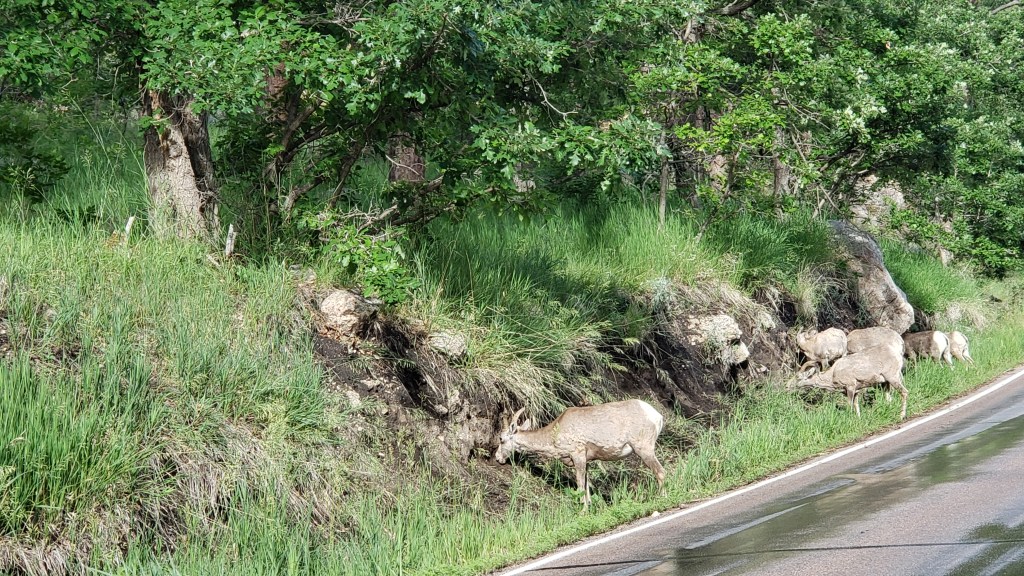
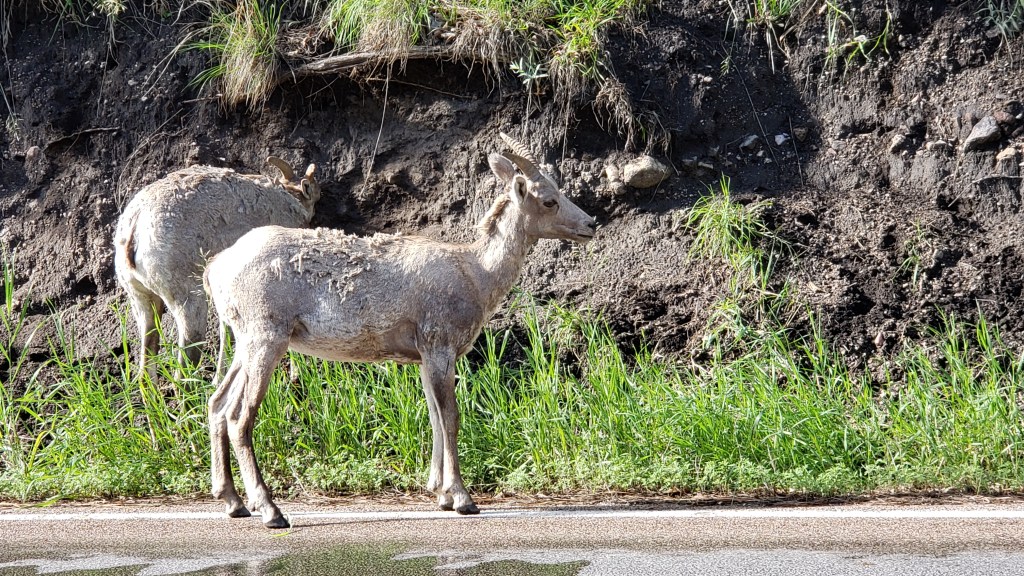
A second drive along Needles Highway was a welcome journey as we made our way down into Custer National Park again, with a stop at one of its visitor centers to get a steer on where to see Bighhorn Sheep (we’d nearly given up on the elk, who, we were told, were spooked by the last few evenings’ thunderstorms and were in hiding), and the docent was right on target with her suggestion.

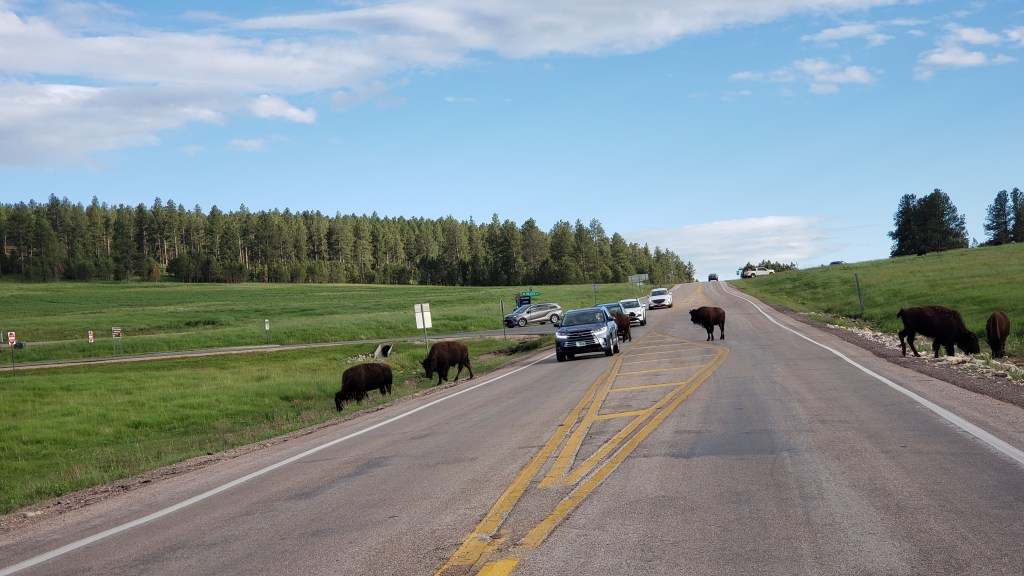
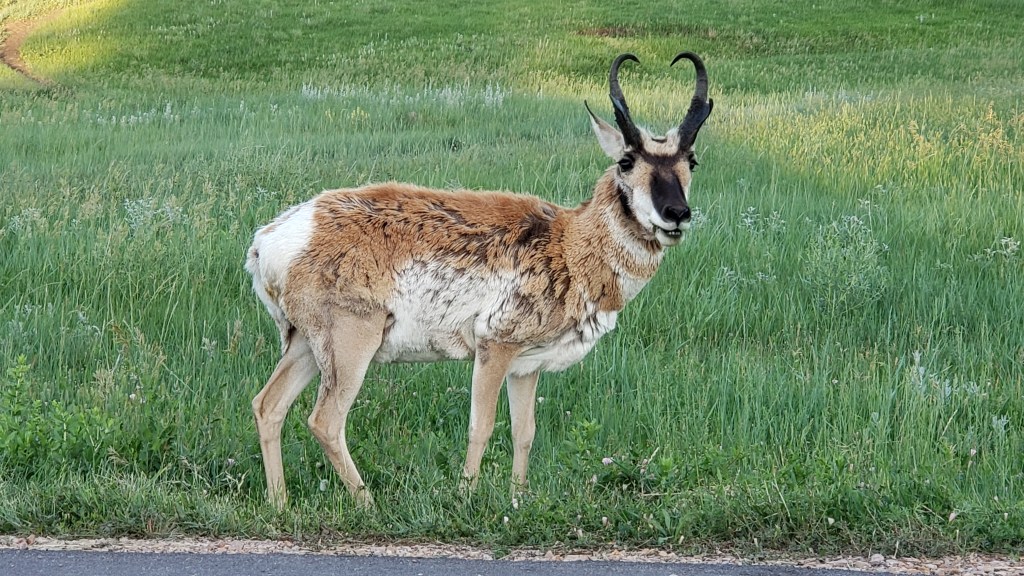
Squeezing the last drops out of Custer State Park, we drove one side of the Wildlife Loop again on our way back to Hermosa, and buffalo and pronghorn herds’ reliability held up.
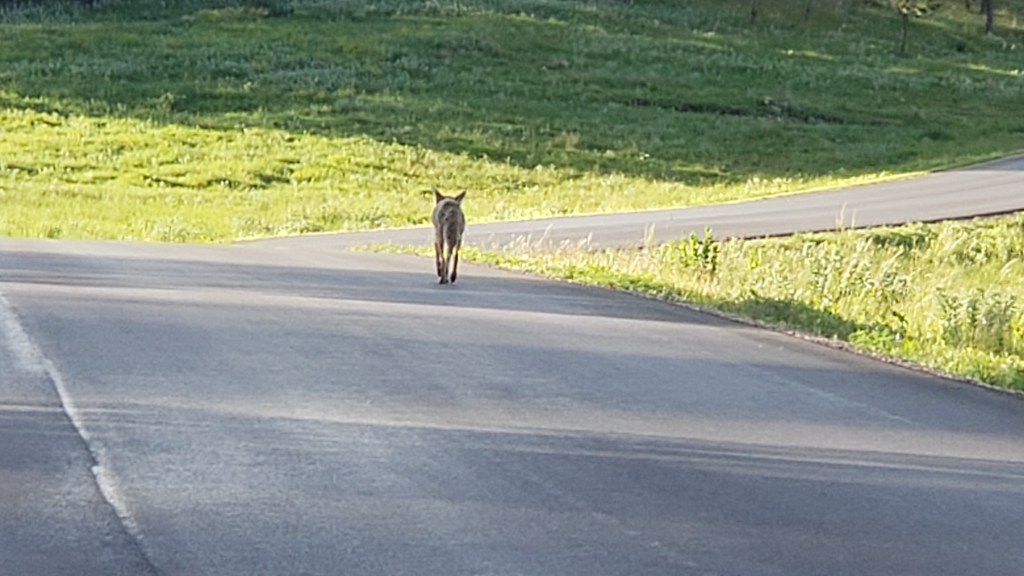
But tonight we were treated to a spotting we didn’t expect at all. We watched this coyote for about fifteen minutes as he/she/they hunted, and our patience was rewarded with an up-close view as the coyote came up to the road, gave us a good look, then trotted away.
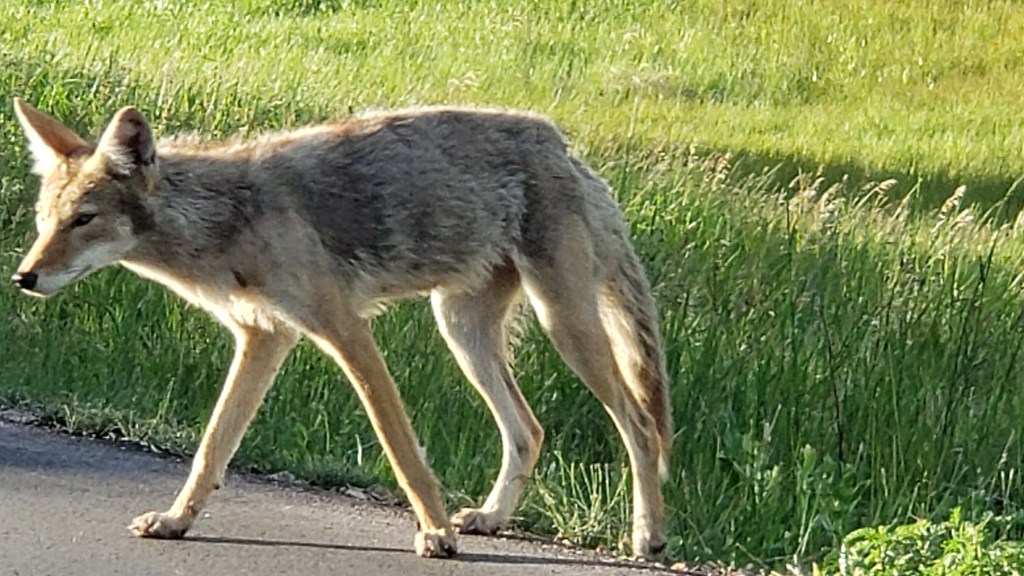
It wasn’t an elk, but we felt, yet again, we’d been treated to something rare and special. What a great way to cap off a great day!
*That sign that had us wondering what it was trying to communicate is for a little tiny theater in the middle of absolutely nowhere. Cute!

 Veness Travel Media
Very interesting points about how history is written or not. I knew that much of the old history was oral but had not thought about how that might have certain, elaborations depending on which tribe or member was telling it. Did I miss something in this or did the RV just quietly do it’s job? Sssssshhhh
LikeLike
Much of the nation’s history is told by the white people who came here and took it by force. The native people’s perspective isn’t told, or is told only in part, and that’s created a real problem when it comes to what modern-day Native Americans know about their heritage. Some of it they know very well. Some has become corrupted. Some of it has just been lost entirely.
We had a period of relative calm with Fati. She’s currently waiting to get her cab A/C compressor replaced, but we can’t find a repair shop that actually has parts until we reach Helena, Montana. *sigh*
LikeLike
I truly believe that travel is the best education one can get especially if people open both their eyes and their hearts while doing it. More absolutely stunning scenery. Getting to visit Mount Rushmore must have been such a treat. I never realised that coyotes are so cute.
LikeLiked by 1 person
We couldn’t agree more! And when you meet people during your travels, it becomes impossible to feel hate toward entire cultures or subcultures.
I (Susan) didn’t expect the rush of patriotism I felt at Mount Rushmore. I totally understand the reality of it, but I also felt quiet impressed.
Coyotes are killers, but they’re adorable killers!
LikeLike