The primary purpose of our trip was research for the book, but there were times when we had a few hours open, and we made the most of them by touring beyond Gaborone. If you’re going to a country, you ought to see the country, and that means getting out of the big city to where the rest of the people live.
The day started with Simon giving a talk to the Maru-a-Pula students about the first years of the school’s existence, and when he mentioned there was no air conditioning in the classrooms the noise in the room grew loud as the students processed that unthinkable horror. He was brilliant (Susan says!), and it was an enjoyable connection between what was and what is.
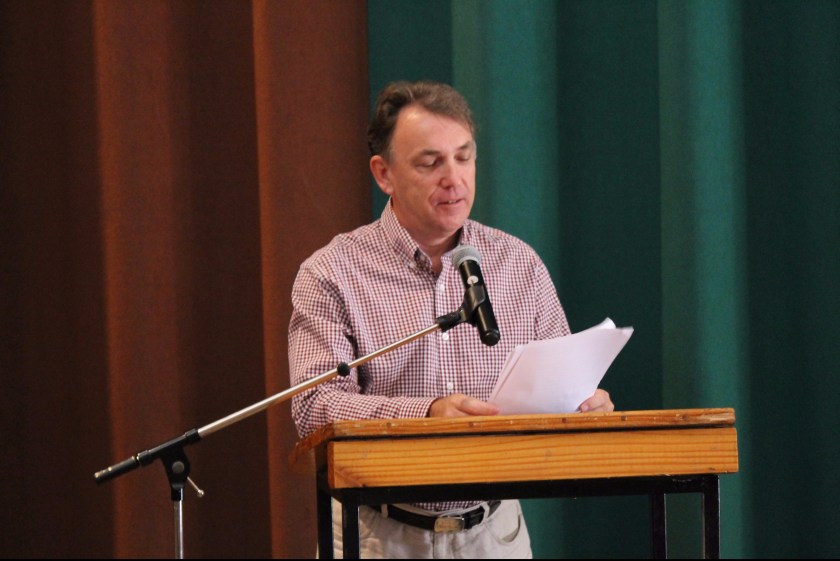
After Simon’s talk we did our second interview with the former deputy headmaster (for 24 years!), and we are now incredibly grateful to have heard his story first-hand. He passed away last week, having truly made a difference in the lives of many, many young people.
When the community service programme we had signed up for was cancelled we found ourselves with an afternoon free, and decided to drive out to Lobatse and make a big circle back to Gaborone by way of Kanye.
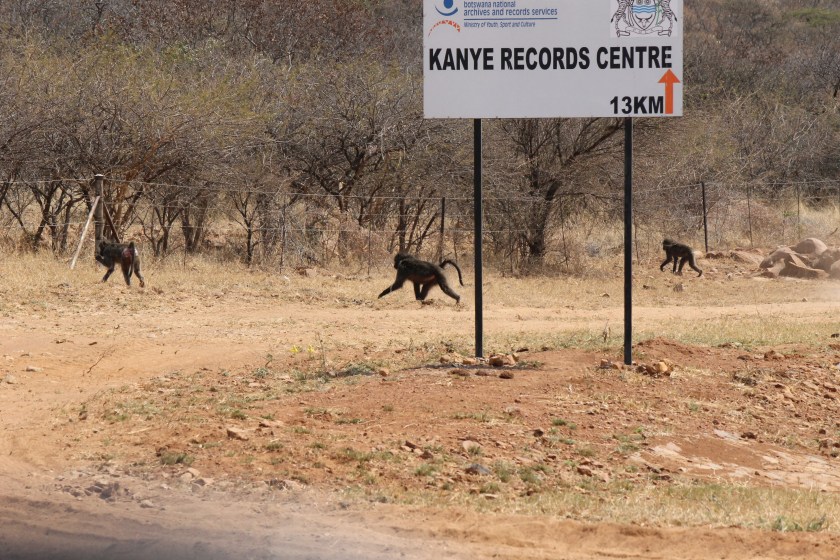
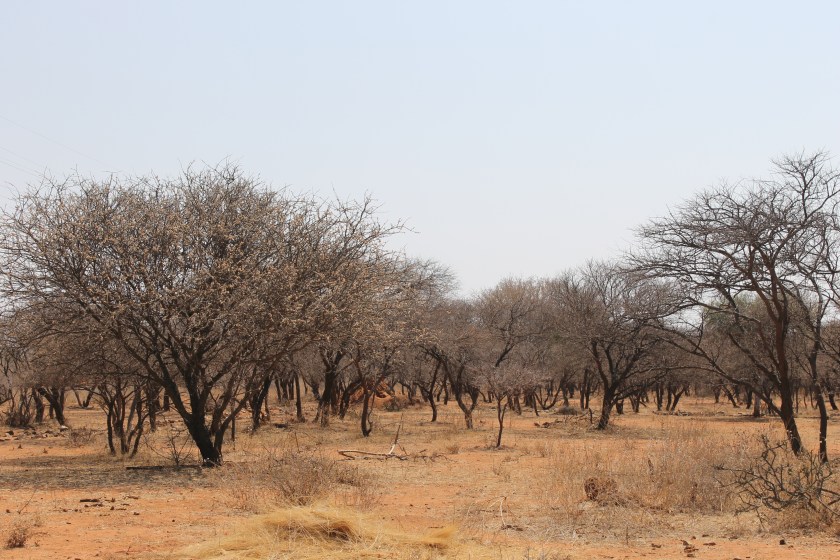
Botswana’s flat, open expanses again captured our hearts (a Symphony in Brown, we called it, from the lightest, palest brown to the deep red-browns and even rose-brown of the soil in some places) and we enjoyed the wonderfully sharp and distinctive style of the countryside, a harsh but empathetic vista that rolled on for mile after mile, broken in irregular fashion by hills and kopjes—plus the occasional baboon sighting along with the usual roadside mixture of goats, cows and donkeys.
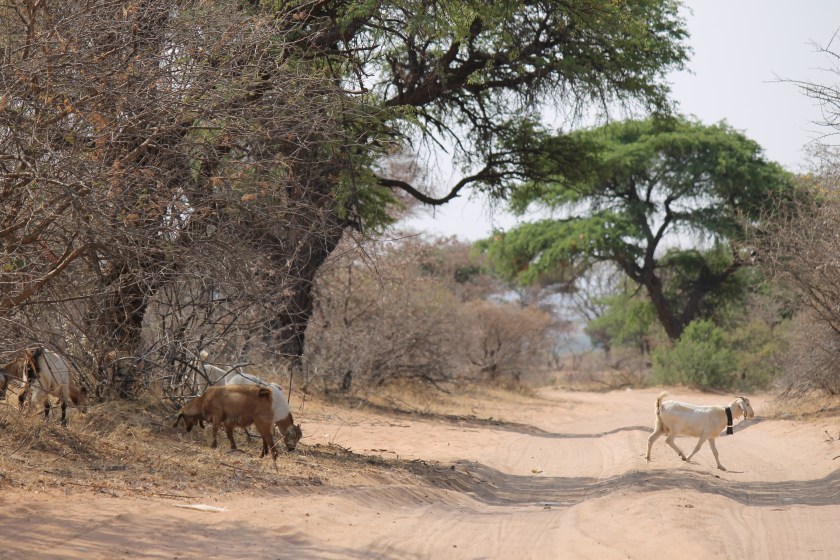
It was a subtle and demanding landscape, but timeless and soothing, like there was some essential, innate connection. It also remained painfully arid, with next to no water. How the goats and cows eked out an existence on so little sustenance was a minor miracle.
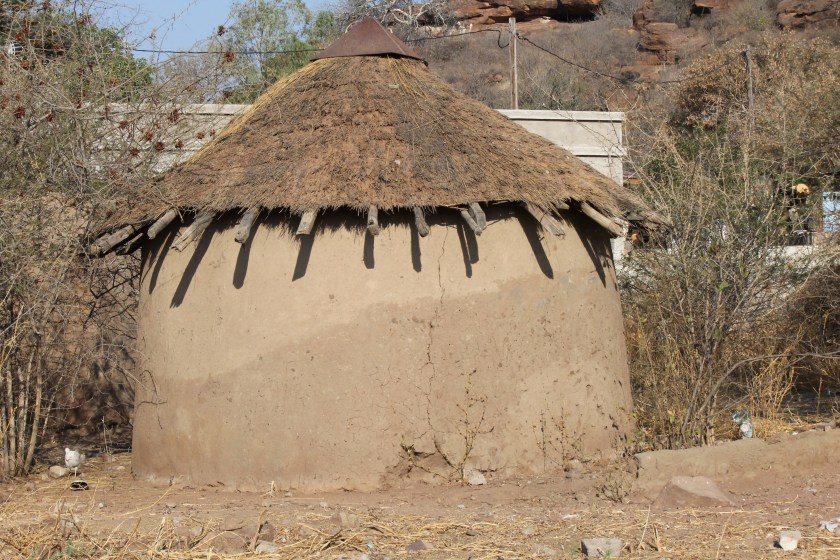
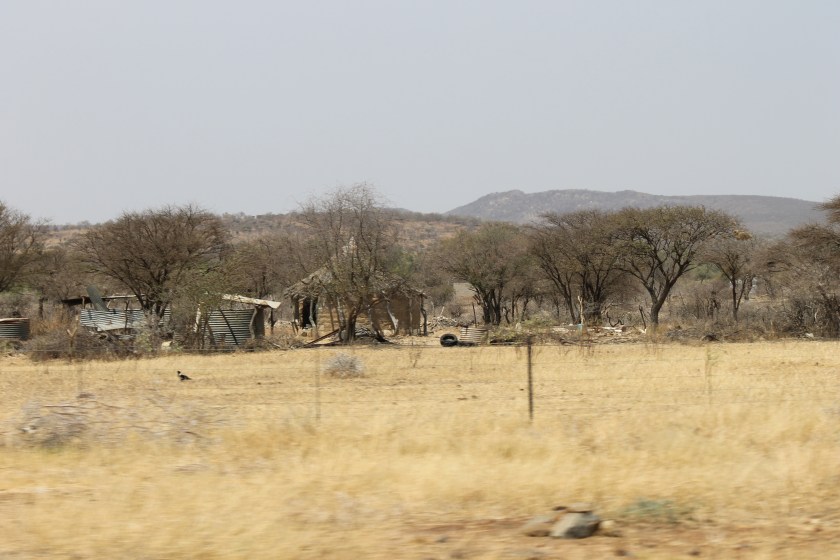
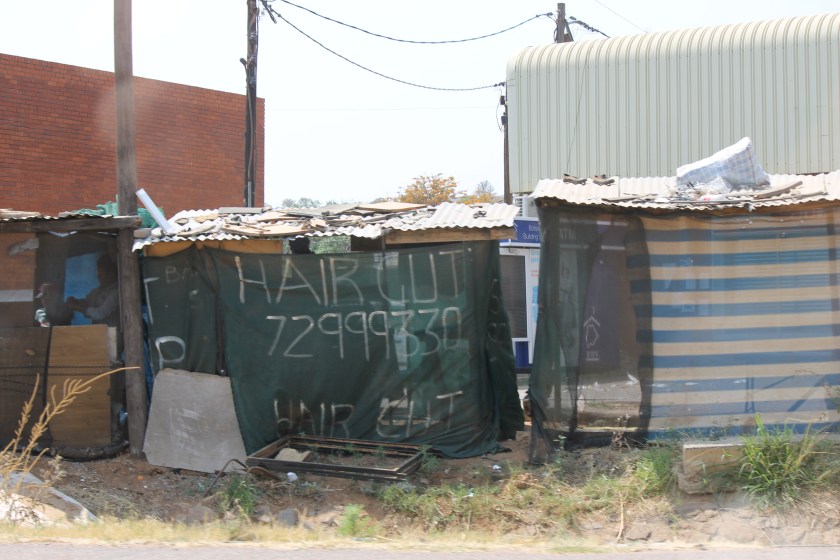
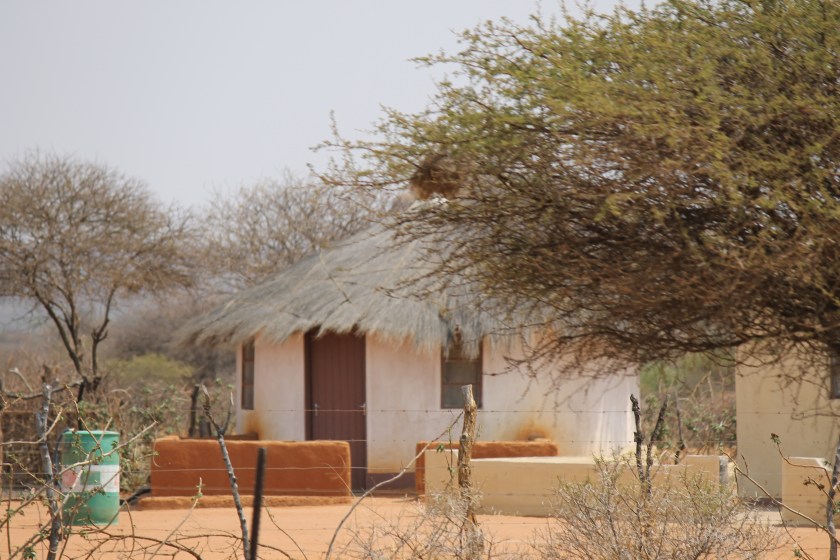
As we drove through the most rural areas, Susan often thought she was seeing someone’s abandoned garden shed, when in reality it was their house. Some of the small villages we passed included homes made entirely from corrugated metal, and some covered only in tattered tarp and filthy cloth. It was hard to believe people lived in them, but their owners were often sitting outside on a chair next to the front door.
When we reached Lobatse it felt like we had stepped back in time by some 40 years. Nothing about the town center seemed to have changed from what Simon recalled of family trips there in the 1970s, and it still had a small-town vibe, with barely a hint of modernity to be seen. There was nothing to stop for, especially on a Sunday when half the stores were closed and the other half had a drab, downbeat feel, so we drove on toward Kanye, another of Botswana’s original old towns, and mile after mile provided both mystery and drama. Would another goat stray onto the road? Would another reckless driver end up in a ditch? Would there be an end to the grinding poverty that is a constant companion of rural Botswana?
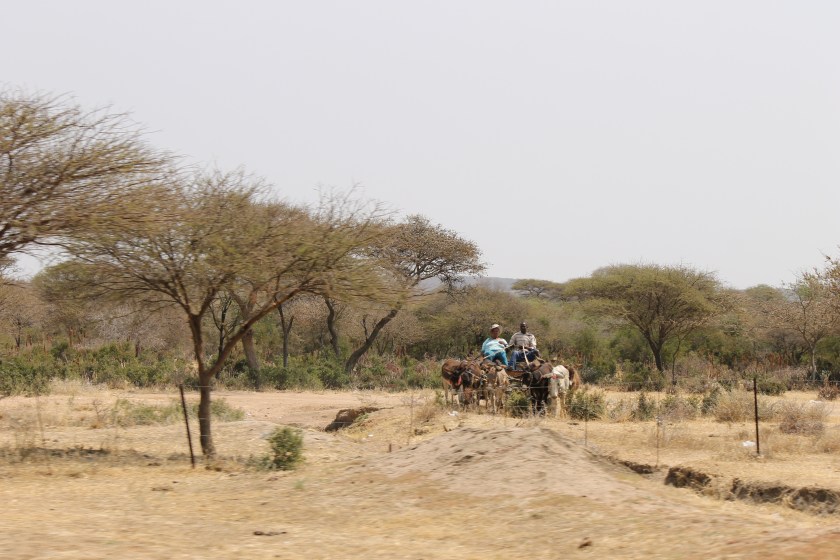
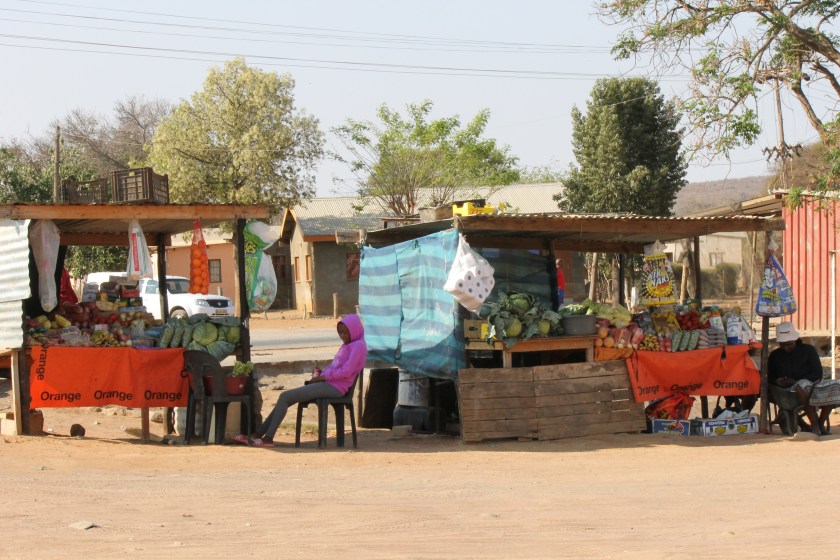
Kanye was livelier in its appearance of moving forward. “Kiosks” selling fruit or candy, or offering services like car washes, haircuts, or shoe repair, lined the street, and there was a general air of bustle and purpose.
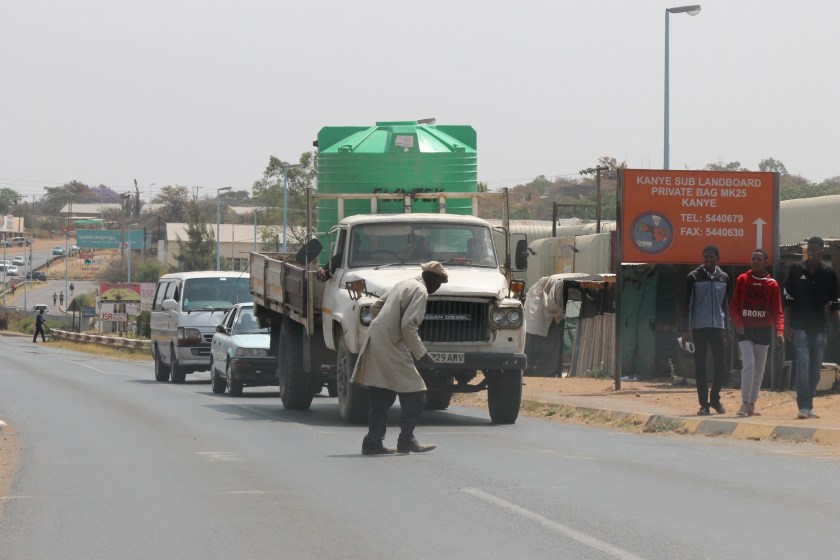
Driving along the main street we saw an older man wearing a trench coat, who had dropped some coins in the road. When he bent to pick them up a small truck had to screech violently to a stop to avoid hitting him. We then realized he was dropping coins from his pocket every time he bent over, and his actions were futile until two teenaged boys came to help him. All we had thought of was how insane it was to drive here, and how we never knew what might happen. For the old man, picking up the money wasn’t an act of stupidity. He looked like those coins were nearly all he had in the world.
The road from Kanye back to Gaborone went past Gabane, which suddenly seemed built-up after so much open land. There was still a tremendous amount of poverty—and a billion goats—but there were also a decent number of much better homes.
On the way back to MaP we saw a big billboard reflective of the three-year drought Botswana has been enduring, that read: “If it’s yellow let it mellow. If it’s brown flush it down. Only flush when it’s necessary.” It became our go-to refrain when confronted with the cultural frustrations of scheduling we were encountering; everyone loves to say “Yes!” to a get-together (in our case, and interview), but absolutely cannot commit to a date or a time. So…we had to let it mellow until the time came when we absolutely had to flush it down.
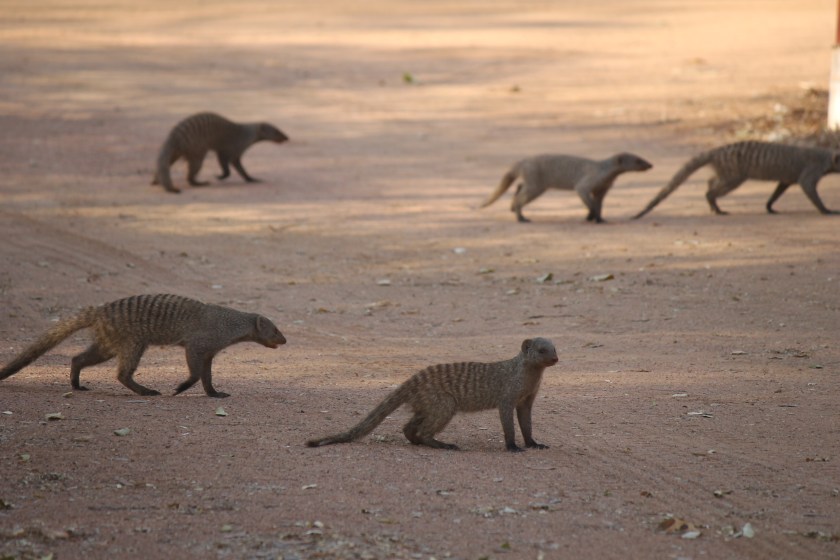
We’re not going to show you a picture of that. Instead, here are some banded mongoose (mongeese? Mongi?)
The next day we drove out to Gabane’s Customary Court (in traditional terms, the Kgotla) to meet with Kgosi Alfred Pule, the village chief. He spoke to us about the importance of MaP’s involvement in the village over the years, then he showed us around (you’ll remember it from our last blog about Botswana’s Independence Day). Kgosi Pule pointed to a blue building, which was now a store, and told us it had been built over the big hole MaP students had used to mix mud and cow dung to make bricks. We would have had no hope of ever finding it, as the village had grown and changed so much Simon hardly recognized it, so it was a real thrill to know the location of one of his most vivid MaP memories.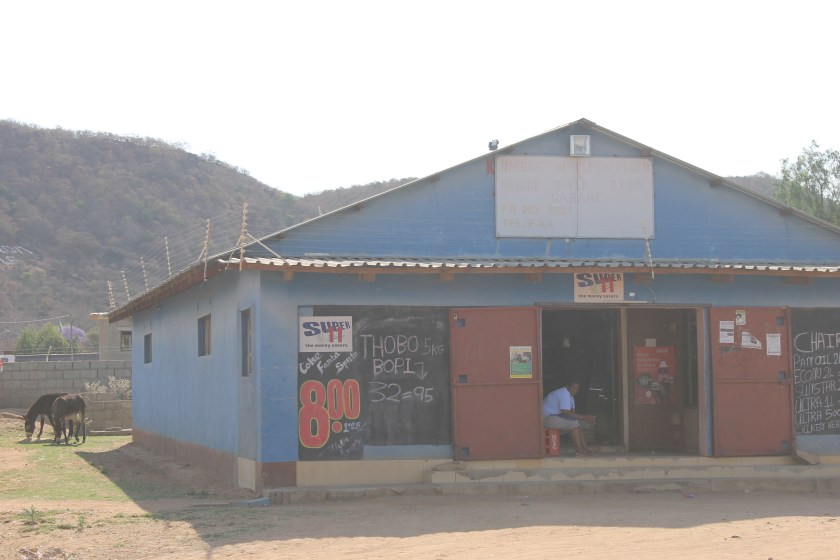
That afternoon MaP’s secretary, Lynda, suggested we drive to Mochudi for its wonderful museum, and while we made the trip out there we ended up just driving around waving at people. Everyone we wave at – and we mean EVERYONE – smiled and waved back as if it was the most natural thing in the world. One boy shouted, “Hi English!” and another shouted “Hi white!”
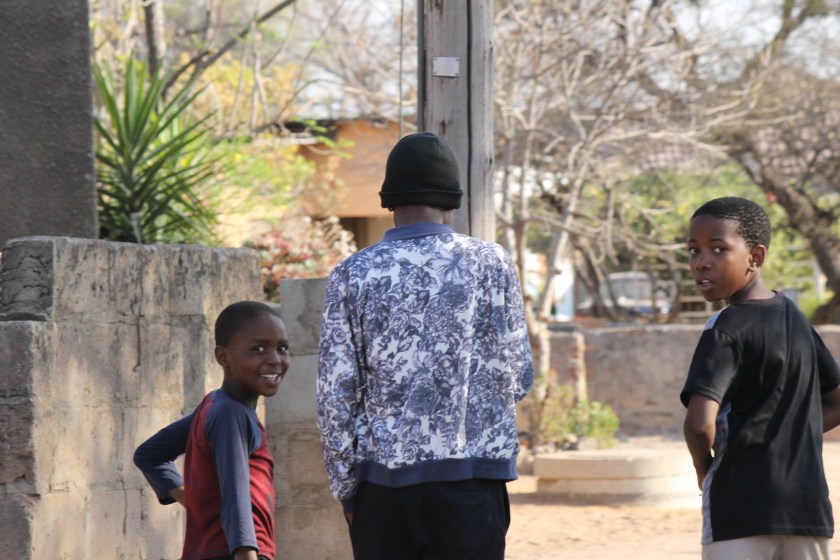
Mochudi was possibly the most homogenous of the towns we visited, with lots of small houses (better than shacks but not big or fancy) that all seemed to have the comfortable ‘lived-in’ appearance of homes that are content with their lot, and we wonder about that attitude. A lot. The people were certainly not under-fed or suffering in any way; most houses seemed to have electricity and, we think, running water, which seemed to be enough to create a general air of contentment and happiness. It was an intriguing concept, as well as an unfamiliar one.
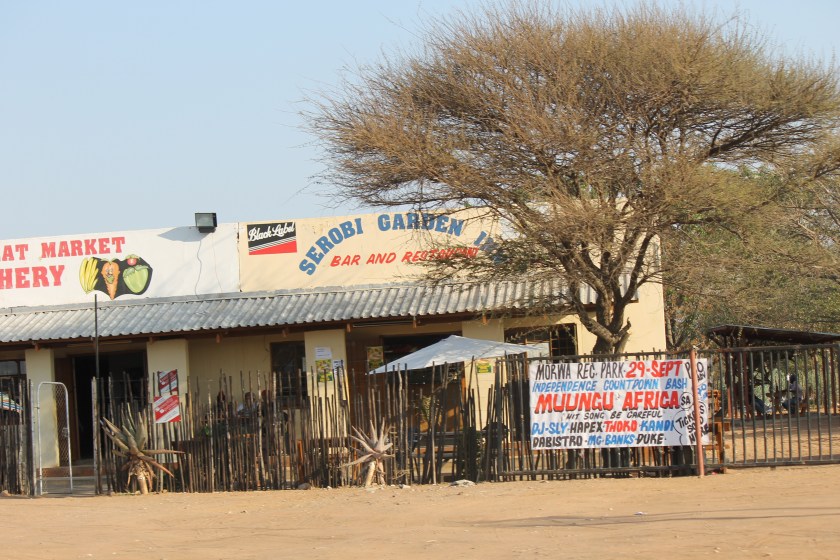
There was something special going on along the main street, with tattered stalls and lots of small trailers with a cow or goats. It seemed like it might be some sort of butchering day. We briefly considered stopping at a bar with outdoor seating for a beer with the locals, but decided we just weren’t sure enough about how that would be received, so we didn’t. We probably should have. Or maybe not.
That evening we returned to our guest house with some groceries and water and were delighted to find a reply from Madikwe Game Reserve, who had a lodge at Rhulani available for Sunday night, with two game drives, all meals, and an ultra-luxurious accommodation for just under R6000 (about $250 each). Andy insisted we must go there, and while it was a major splurge, we decided we would treat ourselves to a bit of African safari luxury before we have to go home again.
Next: Madikwe Game Reserve!
Want to see more photos? Check out our Into Africa album on Veness Travel Media on Facebook. We will be adding to the album as each blog goes up.

 Veness Travel Media